


Primary sourceDocument1931
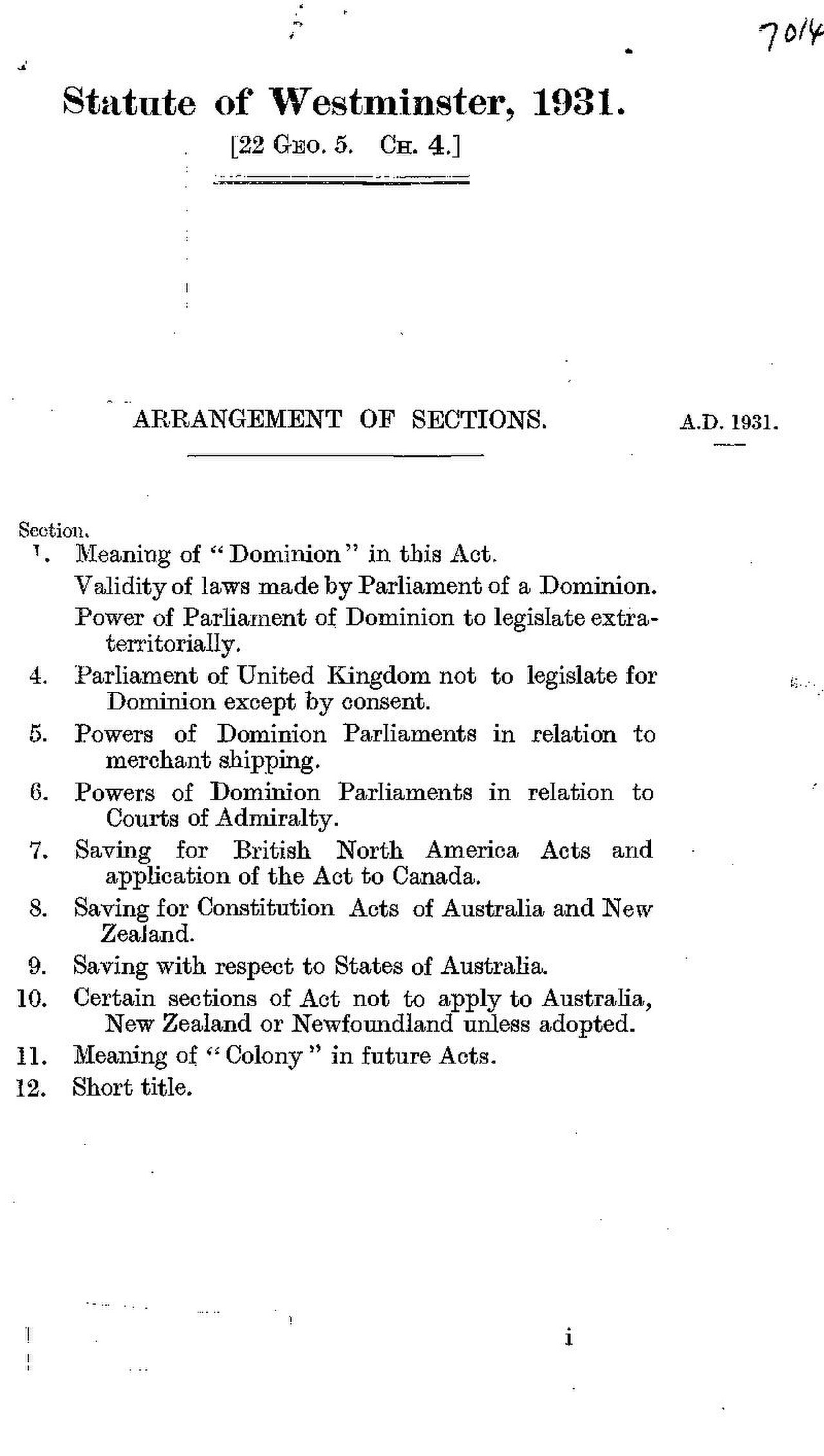
Statute of Westminster 1931
1931
A 1931 Act of Parliament, given royal assent by George V, that granted the Dominions legal independence while keeping a shared Crown.
George V gave royal assent to this statute, which redefined his kingship over several independent Dominions.
Free Humy account · No credit card · 65,431 sources to read
About this source
What it is
The Statute of Westminster is an Act of the Parliament of the United Kingdom passed in 1931. It increased the independence of the self-governing Dominions of the British Empire, such as Canada and Australia, and removed the British parliament's power to legislate for them without consent. King George V expressed support for the resolutions it carried out.
Why it matters
This statute turned the British Empire into a looser Commonwealth of equal, self-governing nations sharing one Crown. It shows how George V's role changed during his reign, from ruler of an empire to king of several separate, sovereign countries bound together mainly by loyalty to the same monarchy.
Look closer
- What does the list of sections in the document tell you about how complicated separating these nations legally was?
- Why might Dominions have wanted this law passed?
- What does this document leave out about how ordinary people in these countries felt about independence?
This document is part of the curated material that grounds the AI version of George V on Humy.ai — when students ask about related events, the AI can quote it and cite it.
More George V sources
Browse all 94 →Primary source
Royal Proclamation Changing the Name of the Royal House to Windsor
George V (Privy Council) · 17 July 1917
 Photograph
Primary source
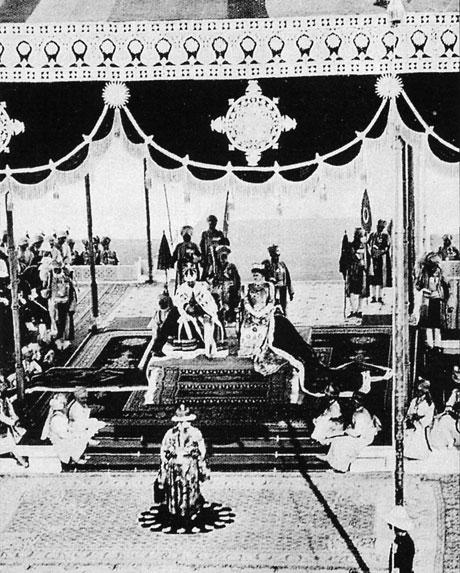
Delhi Durbar 1911
Unknown · 1911
 Photograph
Primary source
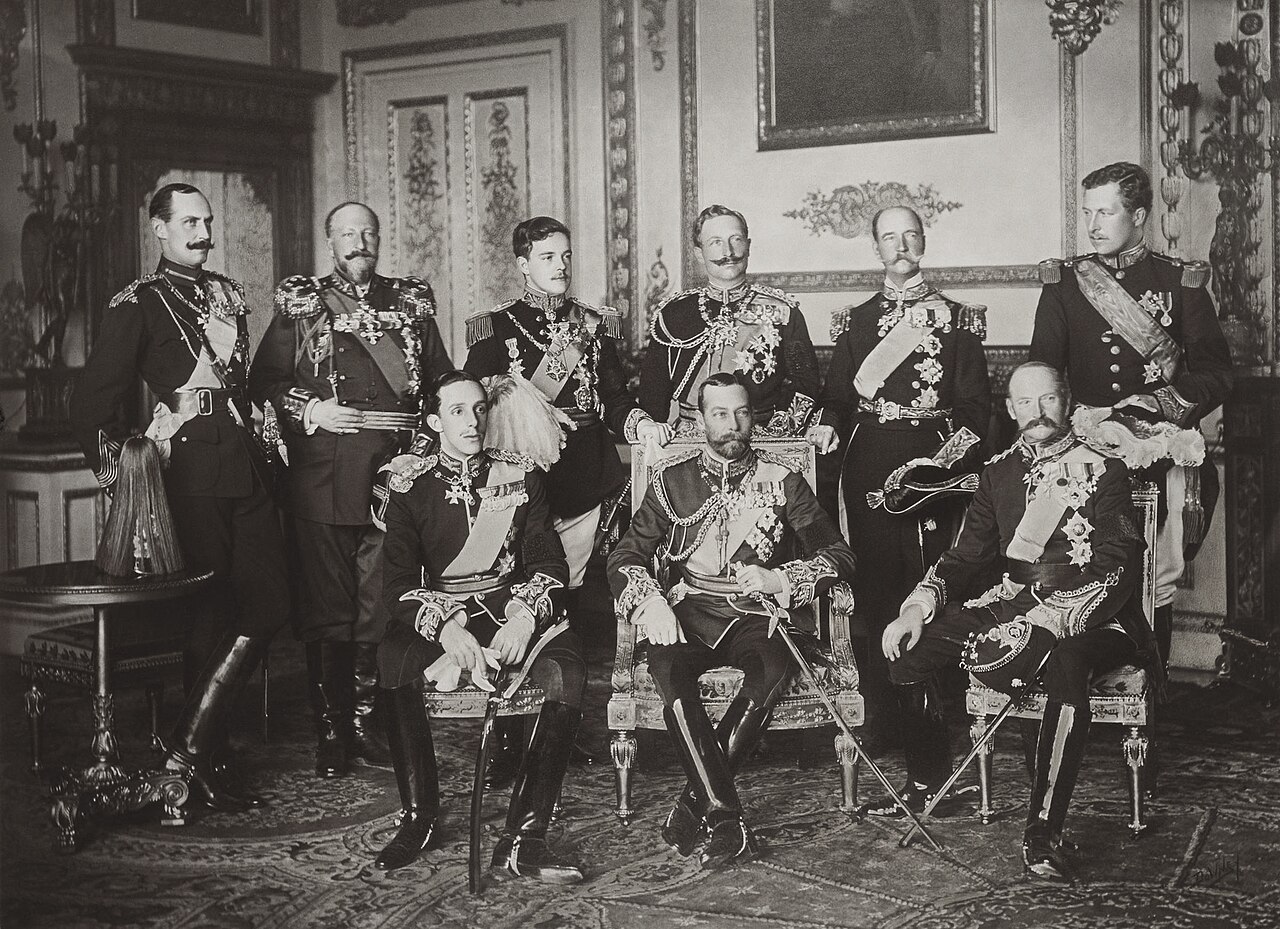
The Nine Sovereigns at Windsor for the Funeral of King Edward VII
W. & D. Downey · 1910
 Painting
Primary source
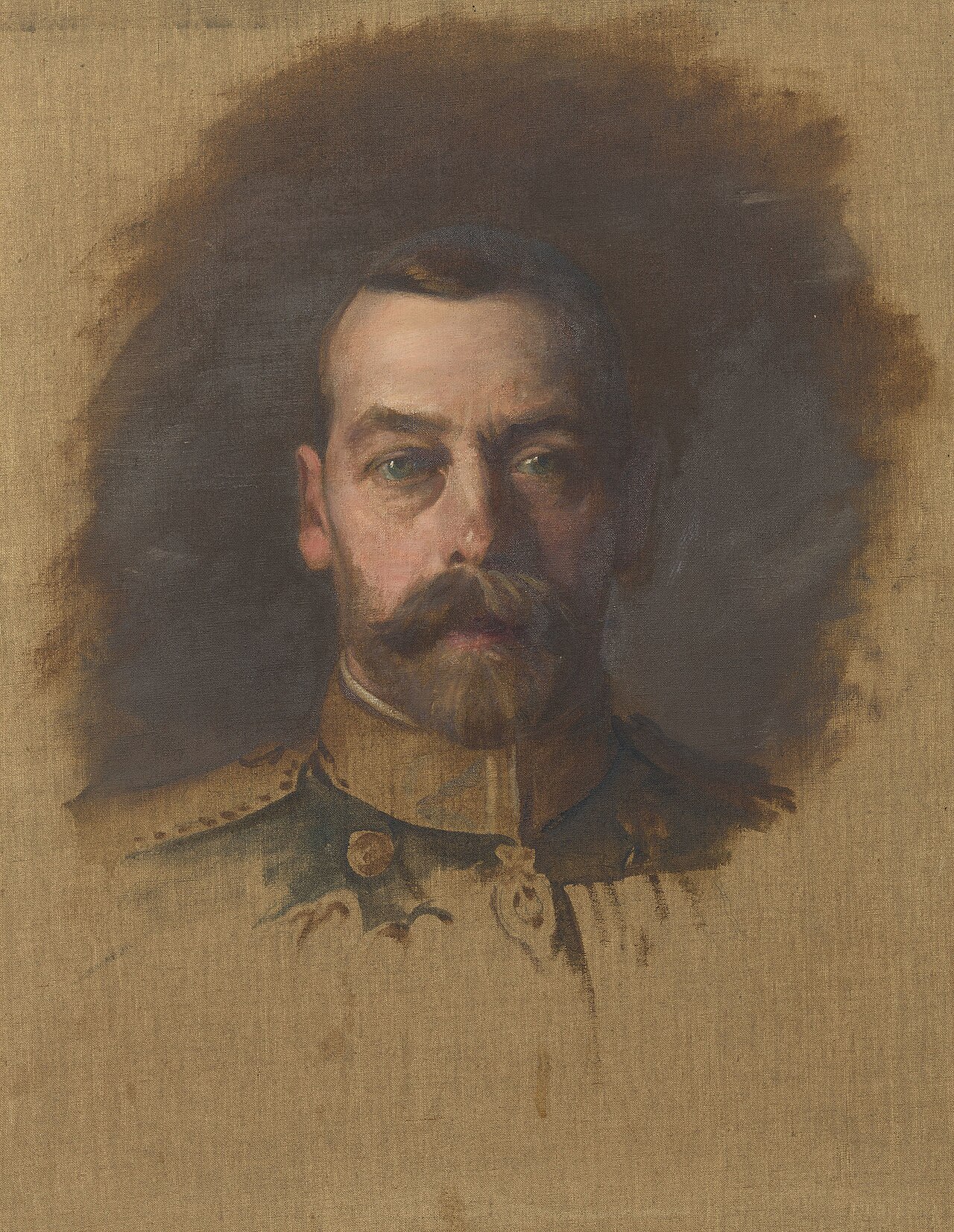
King George V (1865-1936)
Luke Fildes · 1911


Free account
Read every George V source
Sign up free →
Ready when you are
Start chatting with George V now.
20 messages free · No credit card · Available in 50+ languages.