


Primary sourceDocument8 October 1285
Statute of Winchester
Edward I of England · 8 October 1285
Edward I's 1285 law on policing, hue and cry, and the duty of men to bear arms to keep public order.
Edward I issued this statute to strengthen policing and public order in his kingdom.
Free Humy account · No credit card · 120,912 sources to read
About this source
What it is
The Statute of Winchester was assented to on 8 October 1285 during the reign of Edward I. It sets out rules for pursuing felons, keeping watch, and requiring men to bear arms for the maintenance of peace. The document is held by The National Archives (UK).
Why it matters
The statute responds to a rise in robberies, murders and arson, and shows Edward I's concern with law enforcement and public order across the kingdom. It placed responsibility for catching criminals on local communities themselves, through the hue and cry and compulsory arms-bearing, revealing how medieval government relied on ordinary people to police themselves.
Look closer
- Why does the statute blame jurors for letting felonies go unpunished?
- What does the requirement that men bear arms suggest about how policing worked before professional police forces existed?
- What problems might this system of local responsibility for order have caused?
This document is part of the curated material that grounds the AI version of Edward I on Humy.ai — when students ask about related events, the AI can quote it and cite it.
More Edward I sources
Browse all 97 →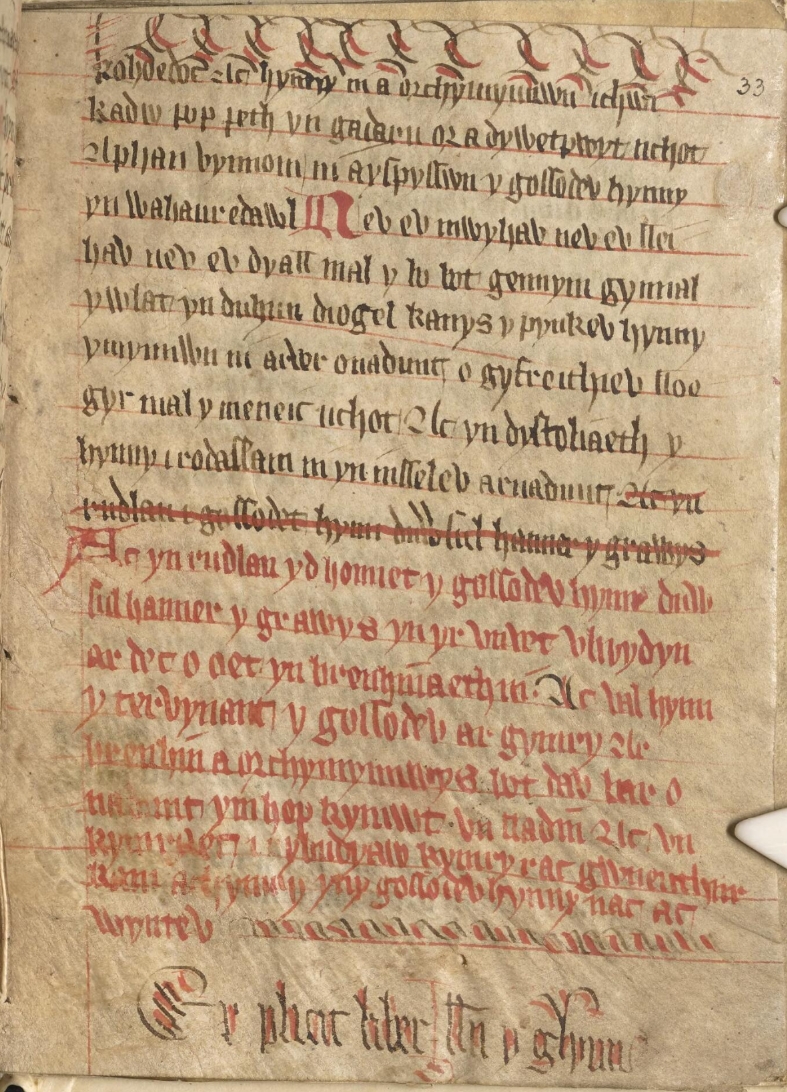






Ready when you are
Start chatting with Edward I now.
20 messages free · No credit card · Available in 50+ languages.