


Secondary sourceDocument1848
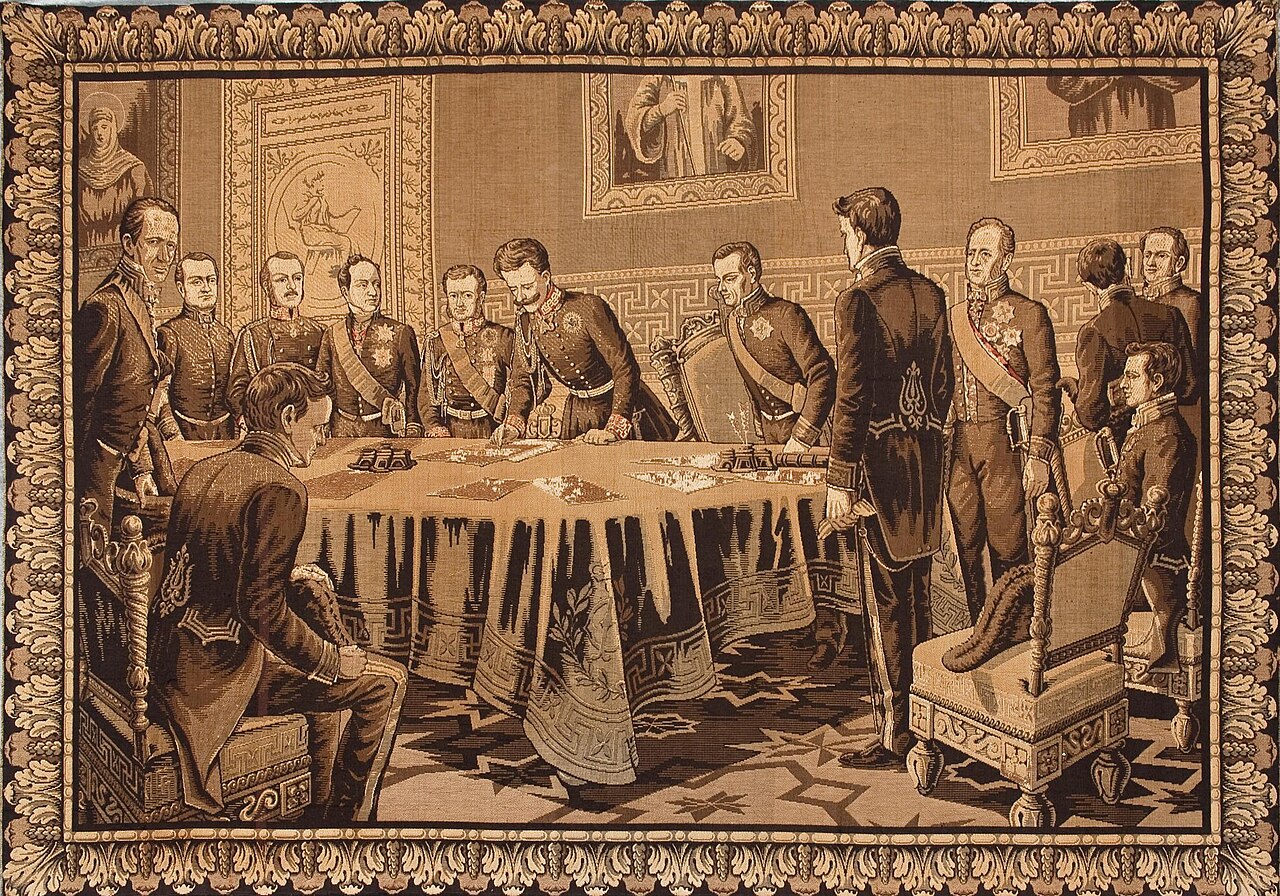
Statuto Albertino
Charles Albert of Sardinia · 1848
The 1848 constitution of the Kingdom of Sardinia, later adopted as Italy's fundamental law, which defined the powers Victor Emmanuel III used as king.
This constitution granted the royal powers Victor Emmanuel III later used to appoint and dismiss prime ministers, including Mussolini.
Free Humy account · No credit card · 118,535 sources to read
About this source
What it is
The Statuto Albertino was a constitution granted by King Charles Albert of Sardinia in 1848. It became the founding constitutional law of the unified Kingdom of Italy in 1861 and remained in force, with amendments, for a century.
Why it matters
This document defined the balance of power between monarch, government and parliament that Victor Emmanuel III inherited when he became king in 1900. It gave him the residual royal powers he later used to appoint prime ministers, including Mussolini, to decide on Italy's entry into the First World War, and eventually to dismiss Mussolini in 1943. Understanding the Statuto Albertino helps explain how a king could both enable and later remove a dictator within the same constitutional framework.
Look closer
- What does it mean for a constitution to be 'flexible' with no special procedure for changing it, and why might that matter for a king's power?
- Why do you think a king who did not originally want to grant a constitution ended up doing so?
- How might this document's provisions have helped or limited Victor Emmanuel III's actions decades later?
This document is part of the curated material that grounds the AI version of Victor Emmanuel III on Humy.ai — when students ask about related events, the AI can quote it and cite it.
More Victor Emmanuel III sources
Browse all 98 →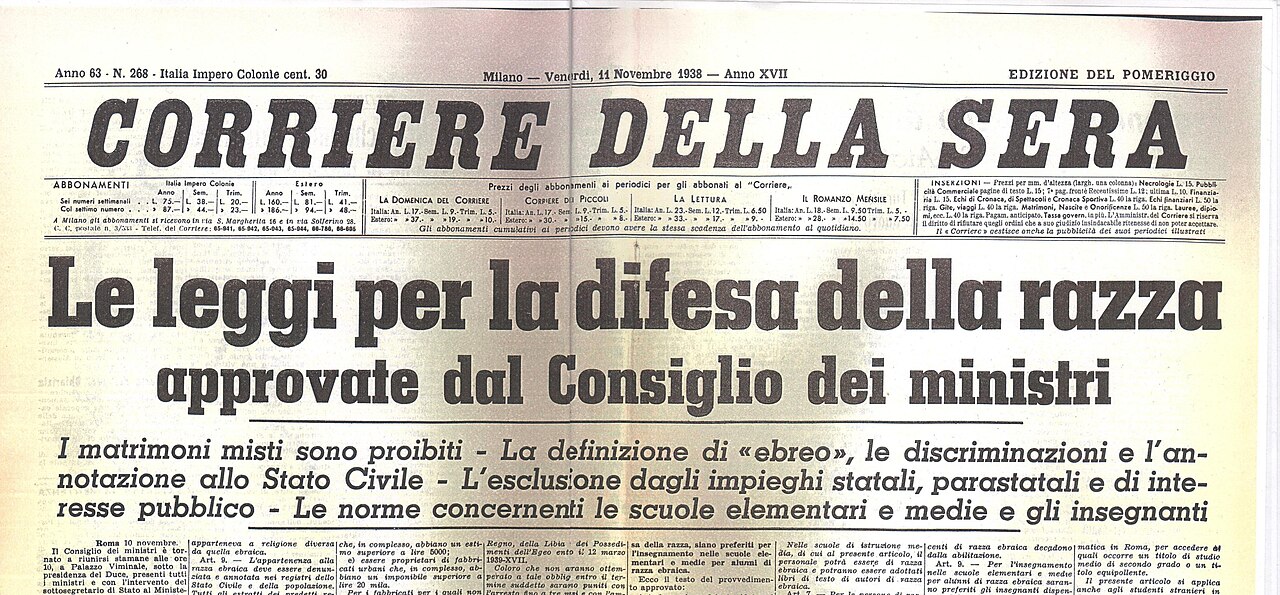 Newspaper article
Primary source
Italian Racial Laws
1938
 Document
Primary source
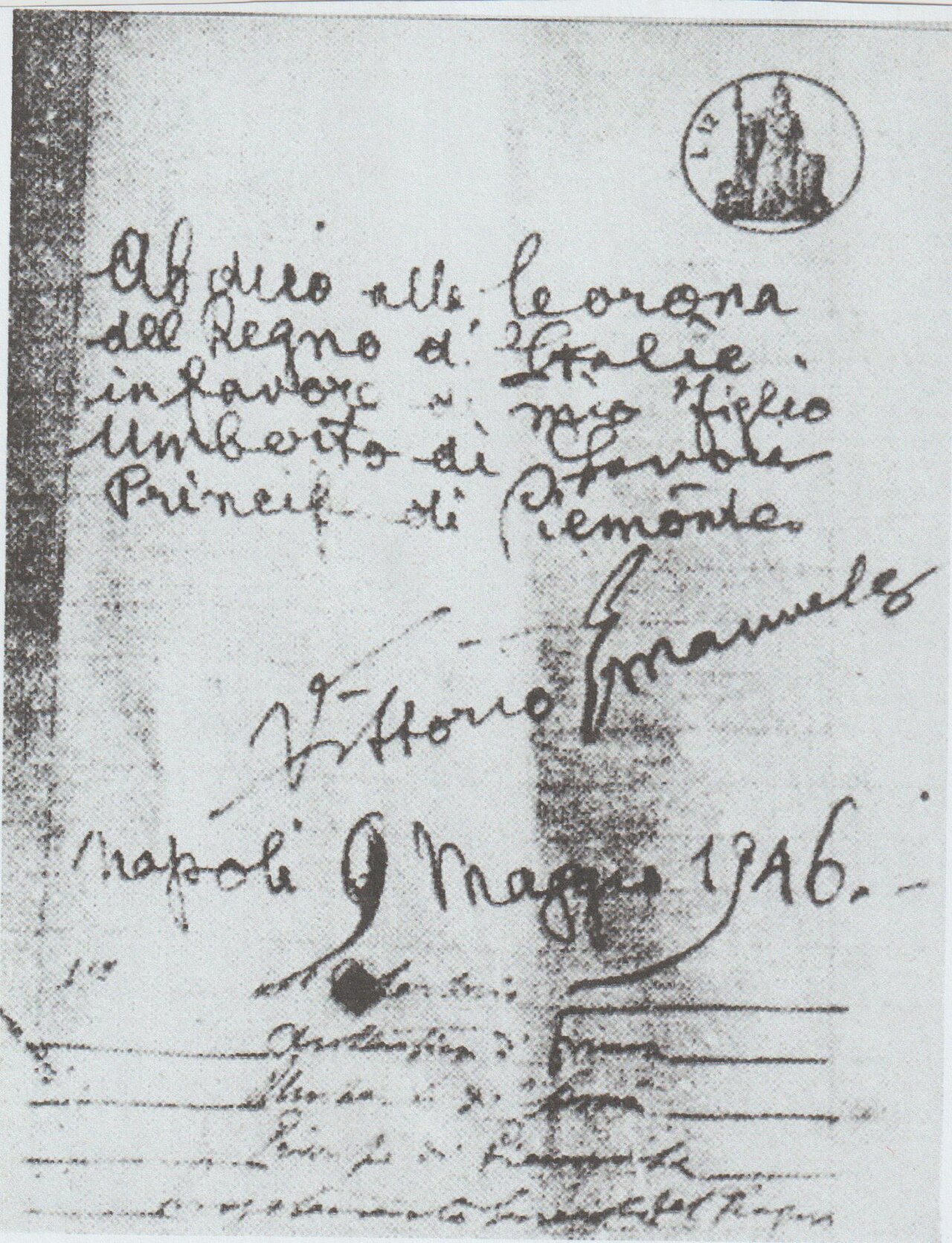
Atto di abdicazione di Vittorio Emanuele III
Nicola Angrisano (notary) · 9 May 1946
 Document
Primary source
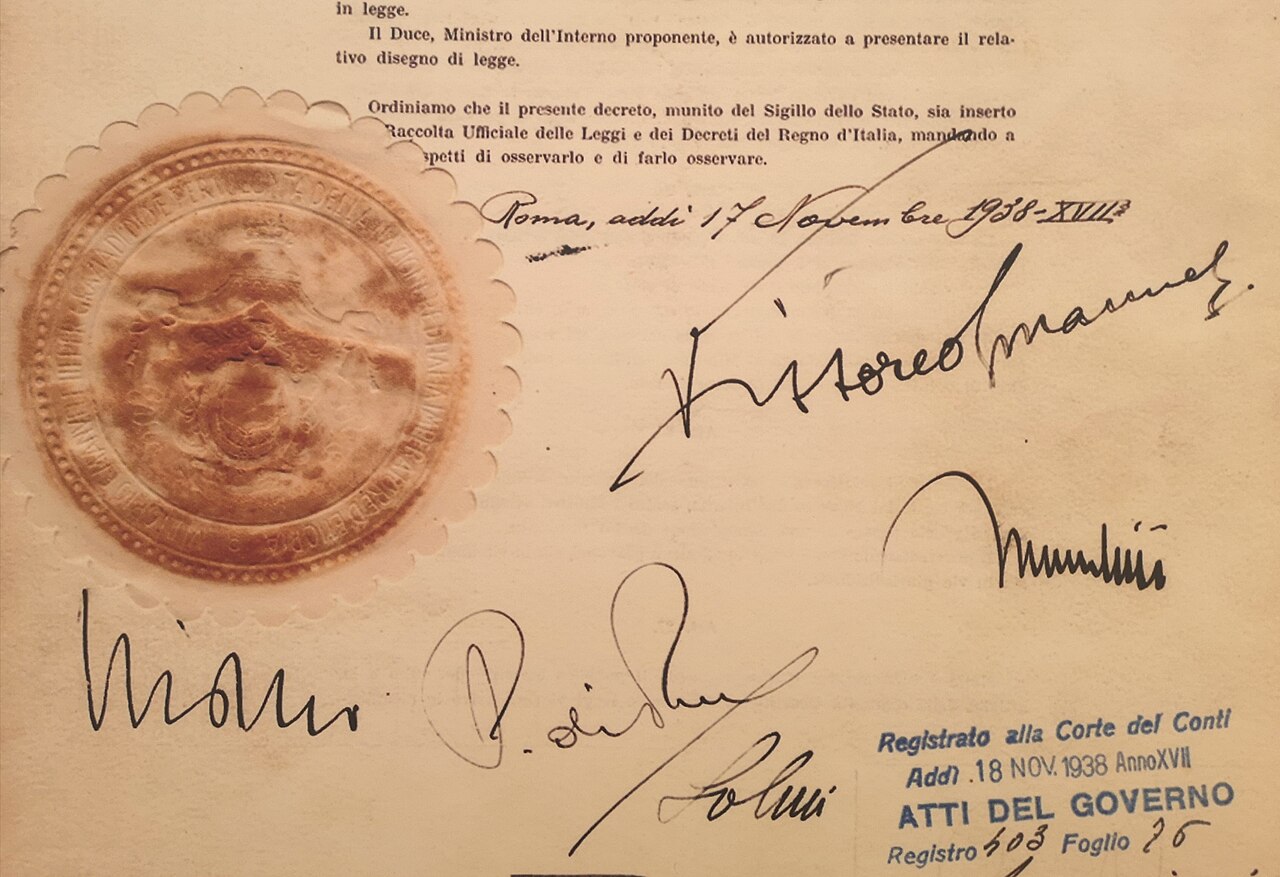
Fascist Racial Laws Decree of 17 November 1938
17 November 1938
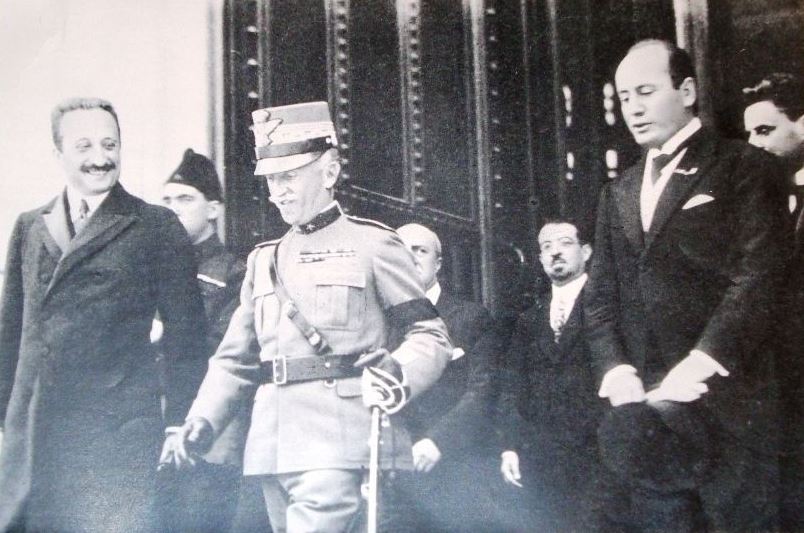 Photograph
Primary source
Enrico De Nicola, il re e Mussolini all'uscita di Montecitorio, Roma 1923
Unknown · 1923
Free account
Read every Victor Emmanuel III source
Sign up free →
Ready when you are
Start chatting with Victor Emmanuel III now.
20 messages free · No credit card · Available in 50+ languages.