


Secondary sourceSculpture2013
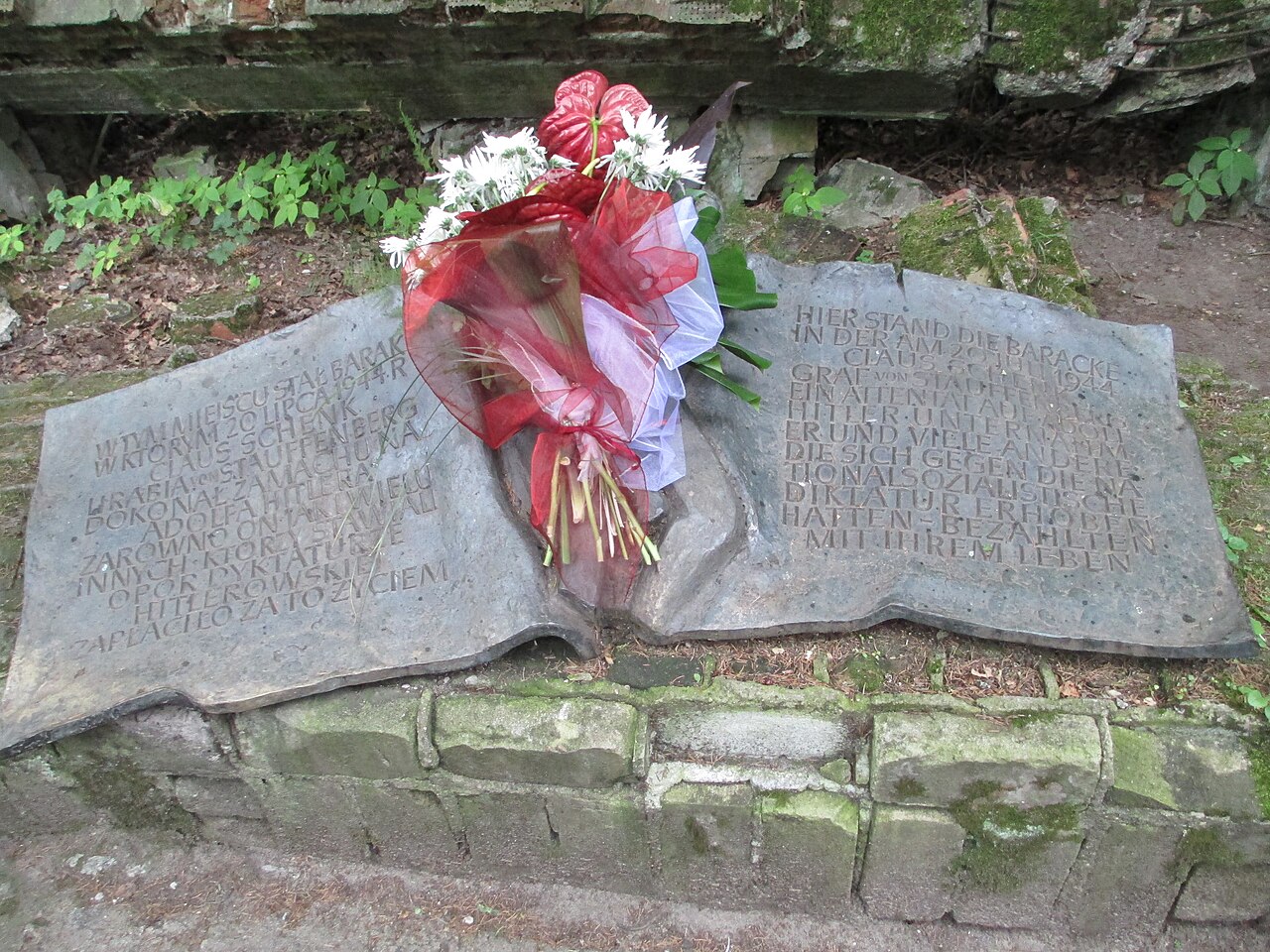
Stauffenberg Memorial at the Wolf's Lair
Avi1111 dr. avishai teicher · 2013
A memorial at the Wolf's Lair in Poland, the site where Stauffenberg planted the bomb in the failed attempt to kill Hitler on 20 July 1944.
This memorial marks the Wolf's Lair site where Stauffenberg planted the bomb against Hitler in 1944.
About this source
What it is
This photograph from 2013 shows a stone memorial at the Wolf's Lair in Poland, Hitler's wartime military headquarters. The monument, shaped like two open book-like slabs, carries text in German and Polish and stands with flowers left at its base.
Why it matters
The Wolf's Lair was where Stauffenberg placed the bomb intended to kill Hitler on 20 July 1944. This later memorial marks the exact location of that attempt, helping visitors understand the real place where a major moment in the history of German resistance occurred.
Look closer
- Why might a memorial use two languages, German and Polish, at this site?
- What feelings might flowers left at a memorial like this represent?
- How does standing at the actual historical site change how people think about the event compared to only reading about it?
This sculpture is part of the curated material that grounds the AI version of Claus von Stauffenberg on Humy.ai — when students ask about related events, the AI can quote it and cite it.
More Claus von Stauffenberg sources
Browse all 59 →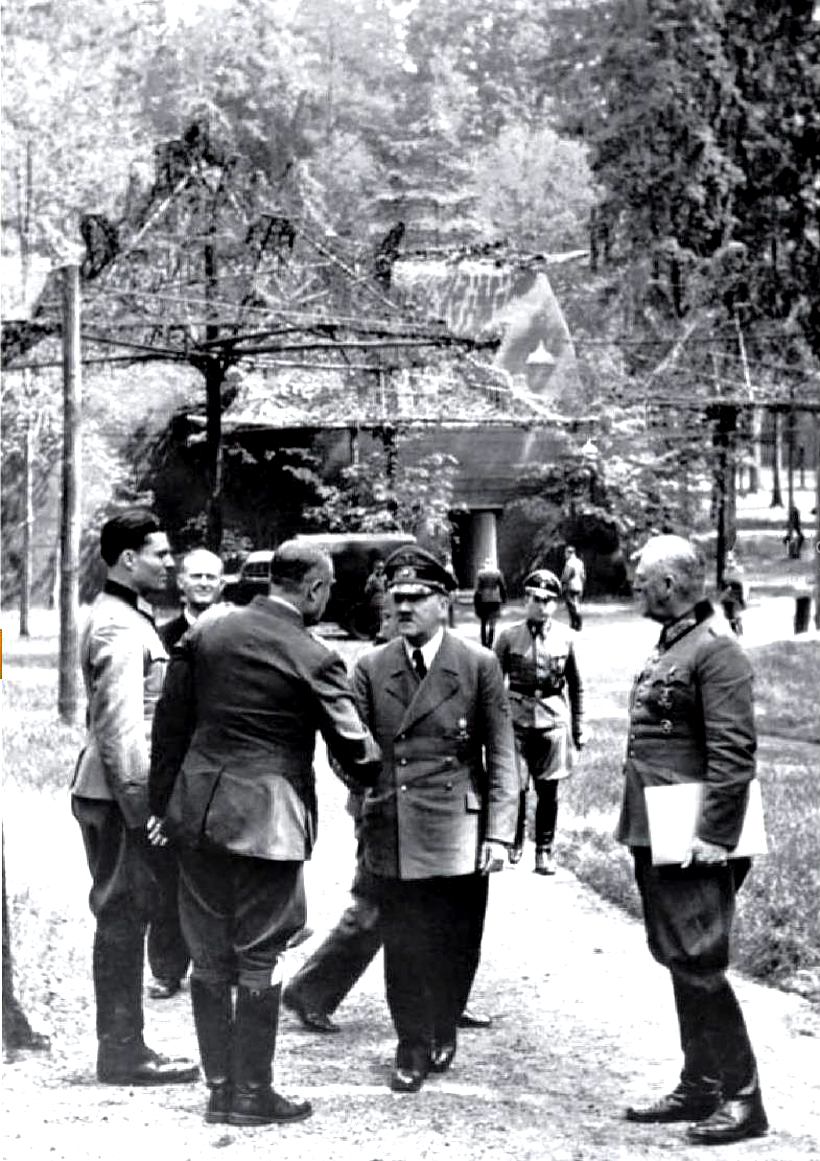 Photograph
Primary source
Photograph of Stauffenberg at the Wolf's Lair
15 July 1944
 Photograph
Primary source
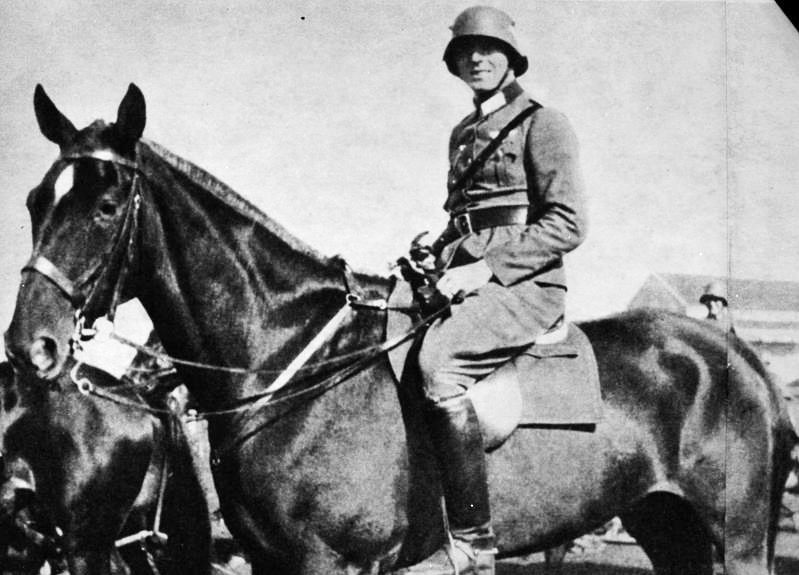
Portrait Photograph of Claus Schenk Graf von Stauffenberg on Horseback
before 1943
 Document
Secondary source
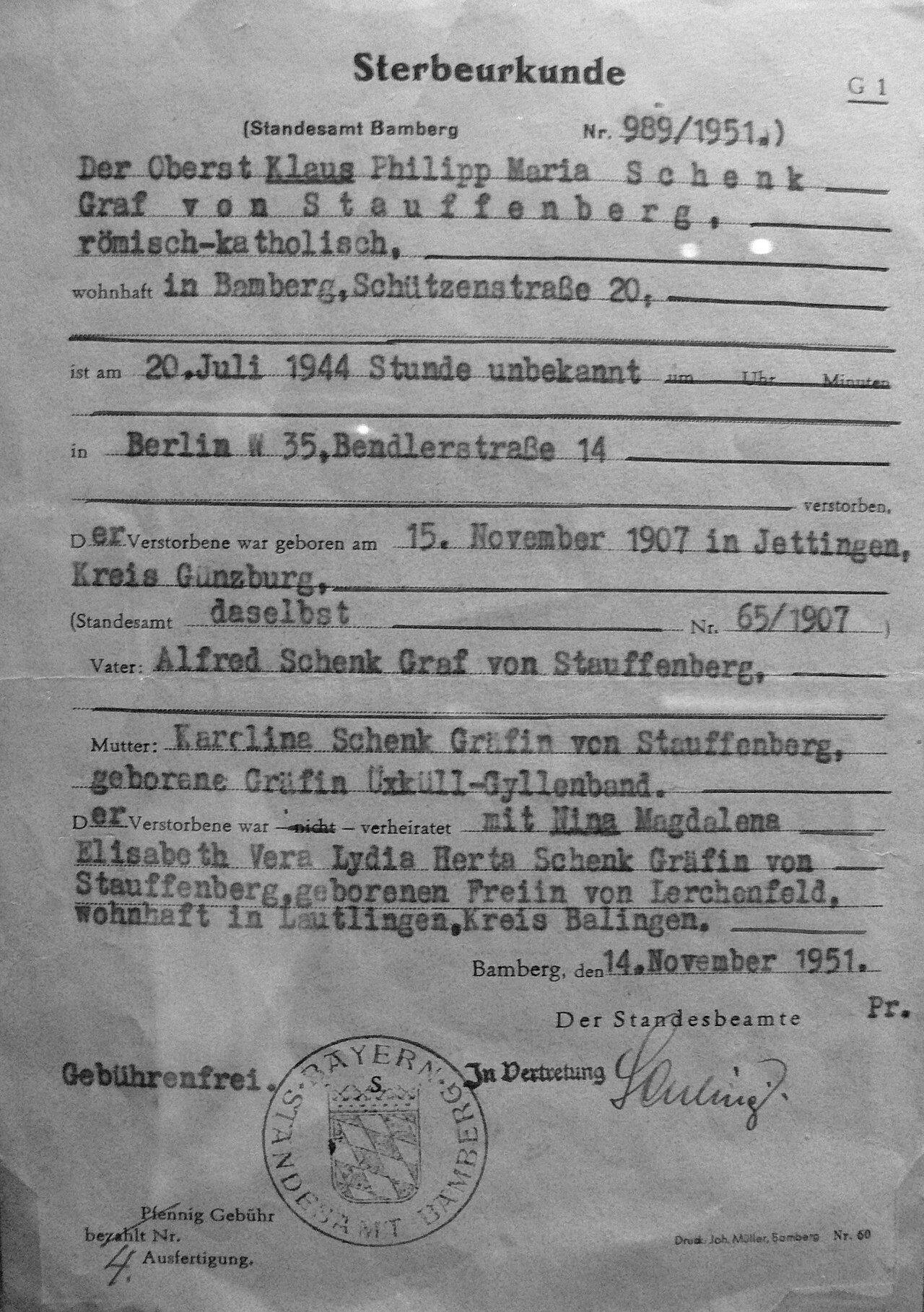
Death Certificate of Claus Schenk Graf von Stauffenberg
14 November 1951
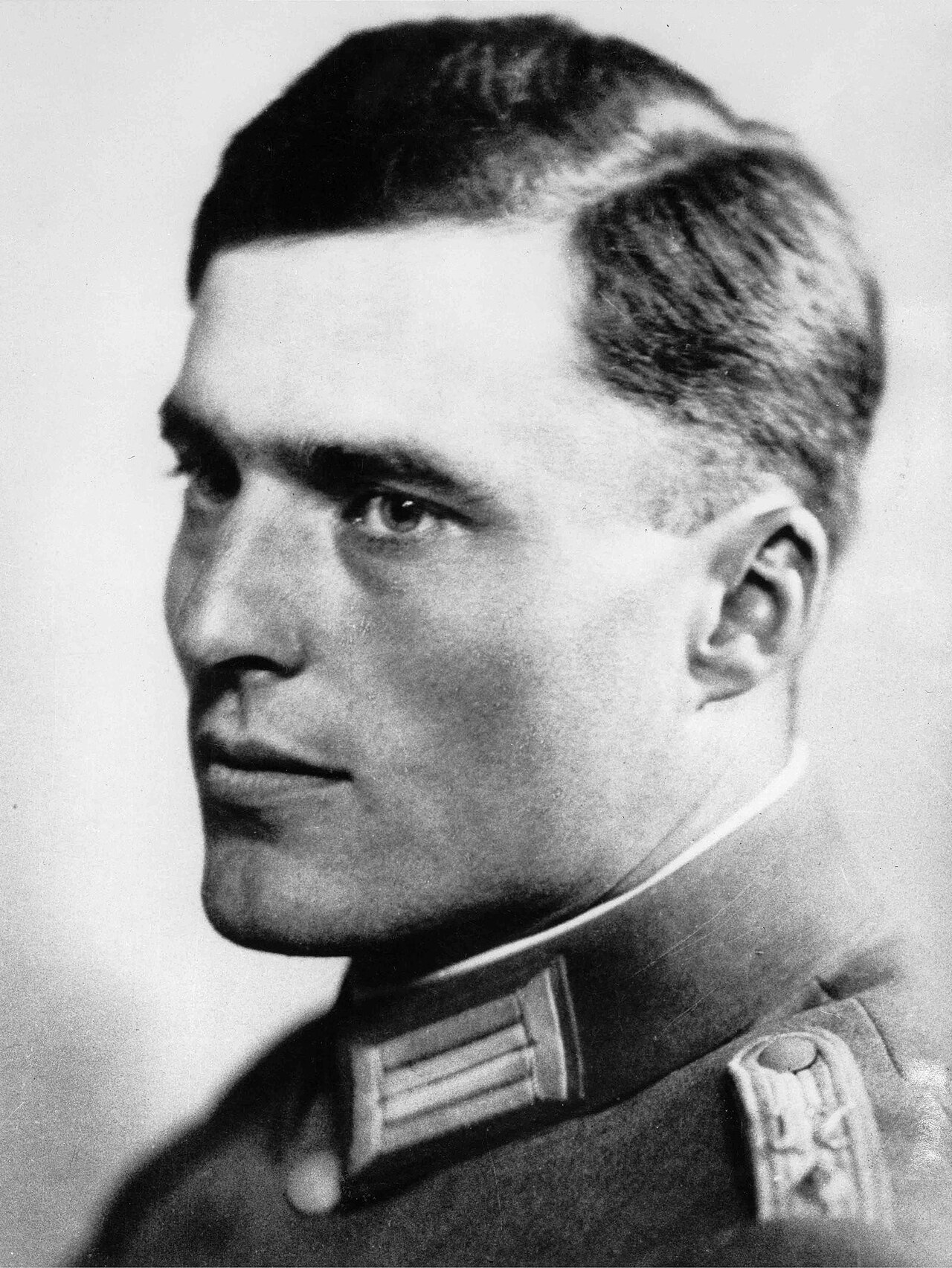 Photograph
Primary source
Portrait Photograph of Claus von Stauffenberg
before 1943
Free account
Read every Claus von Stauffenberg source
Sign up free →
Ready when you are
Start chatting with Claus von Stauffenberg now.
20 messages free · No credit card · Available in 50+ languages.