


Secondary sourcePainting1853
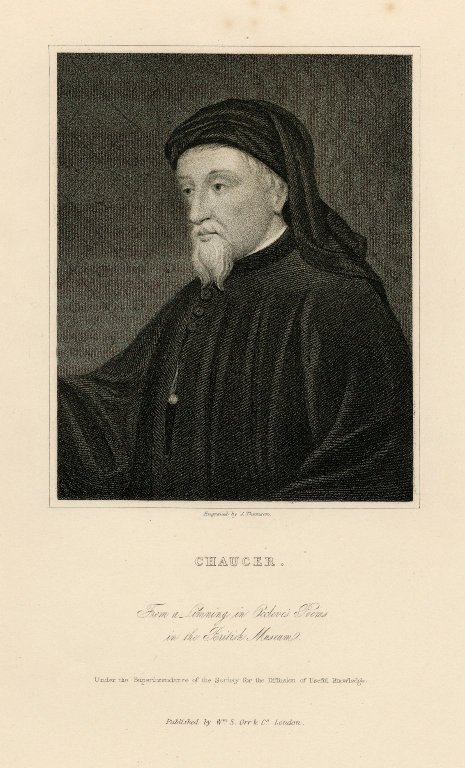
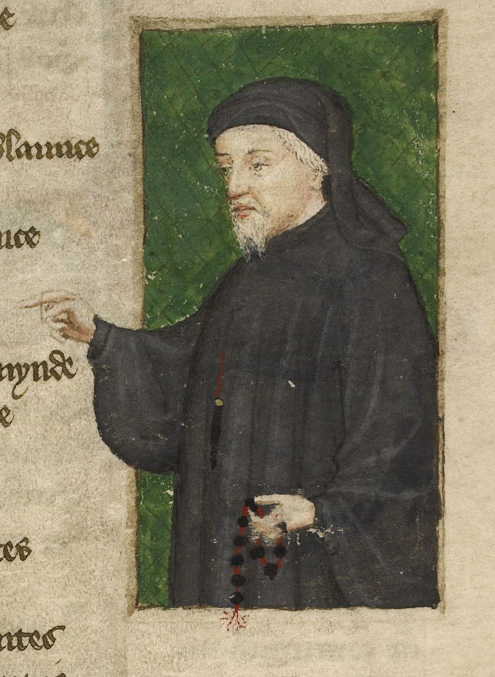
Steel engraved portrait of Chaucer after Occleve
James Thomson · 1853
A steel engraving of Geoffrey Chaucer made by James Thomson in 1853, copied from an early fifteenth-century image by Occleve. It shows how Victorian readers pictured the poet.
Shows how Chaucer was imagined long after his death, through an engraving that copies an earlier image of him.
About this source
What it is
This is a steel-engraved portrait of Geoffrey Chaucer made by James Thomson in 1853. It copies an image by Occleve, a fifteenth-century poet, and the caption credits a painting in the British Museum. It is an imagined likeness, not a portrait made from life. The print is held by the University of Edinburgh.
Why it matters
No reliable portrait of Chaucer is known, so later readers relied on images like this one to picture the author of The Canterbury Tales. Copying an older image shows how nineteenth-century artists and publishers shaped the way medieval writers were imagined.
Look closer
- What clothing and face does the engraver give Chaucer, and what does that suggest about how he was seen?
- This print copies an older image. What might have been changed in the copying?
- Why might a university keep an imagined portrait like this one?
This painting is part of the curated material that grounds the AI version of Geoffrey Chaucer on Humy.ai — when students ask about related events, the AI can quote it and cite it.
More Geoffrey Chaucer sources
Browse all 95 →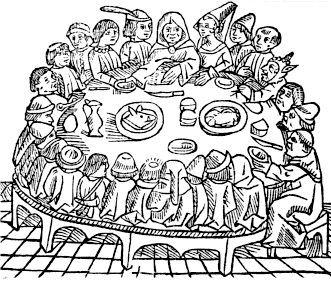 Book
Primary source
The Canterbury Tales
Geoffrey Chaucer · 1387-1400
 Book
Secondary source
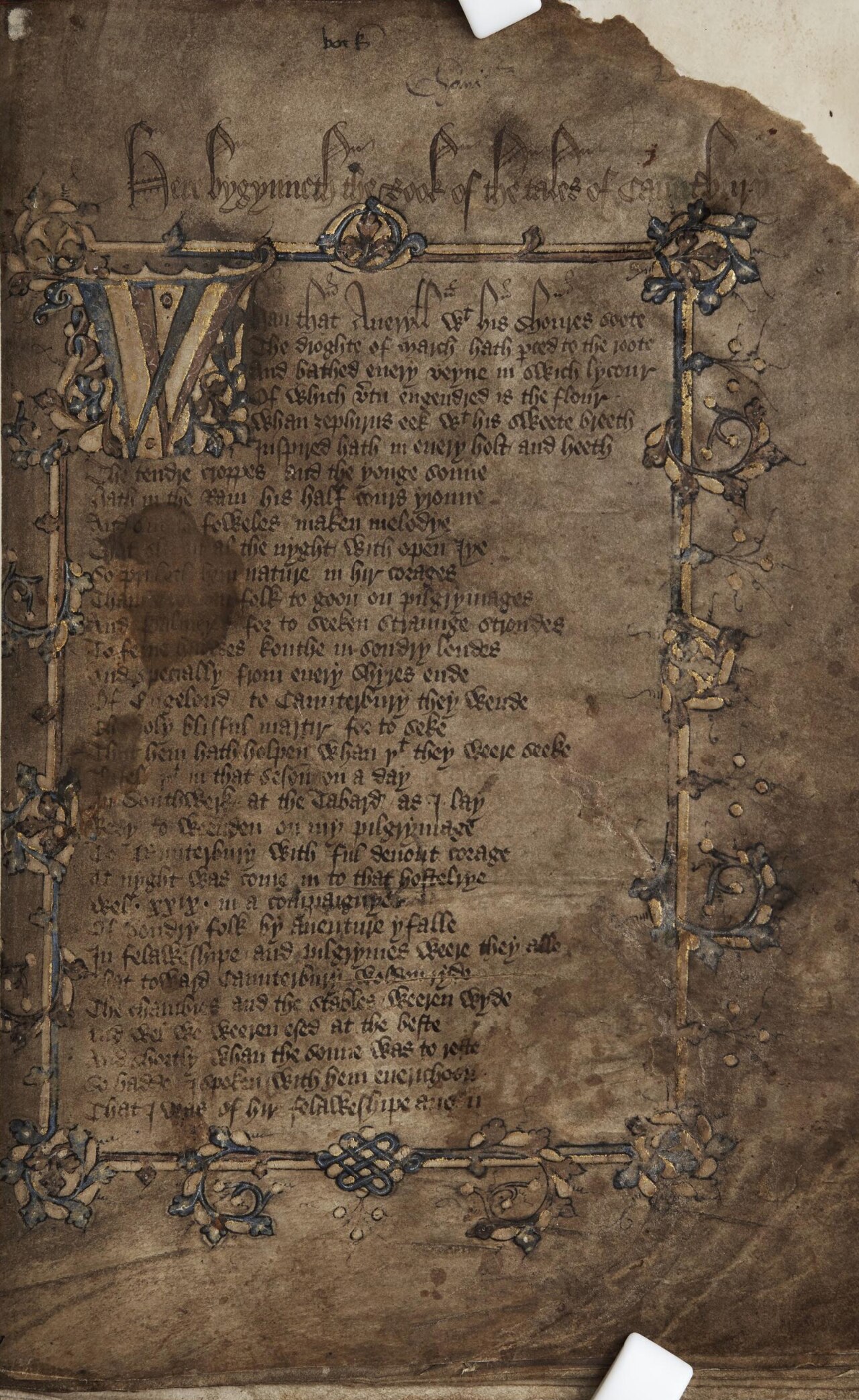
General Prologue
Geoffrey Chaucer · 1389
 Book
Secondary source
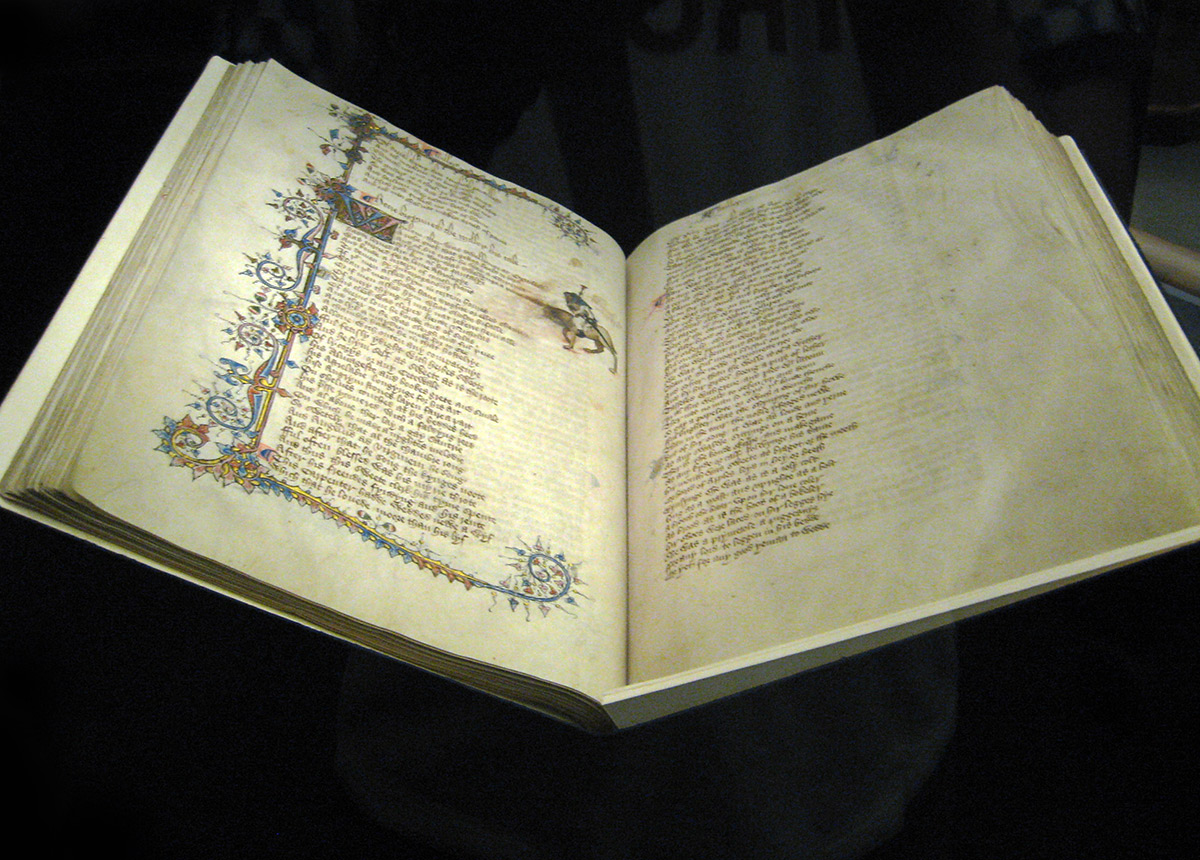
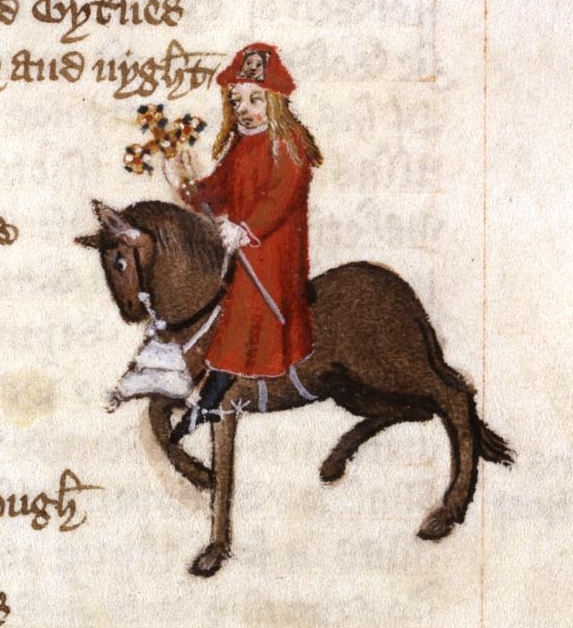
Ellesmere Chaucer
c. 1405
BookPrimary source
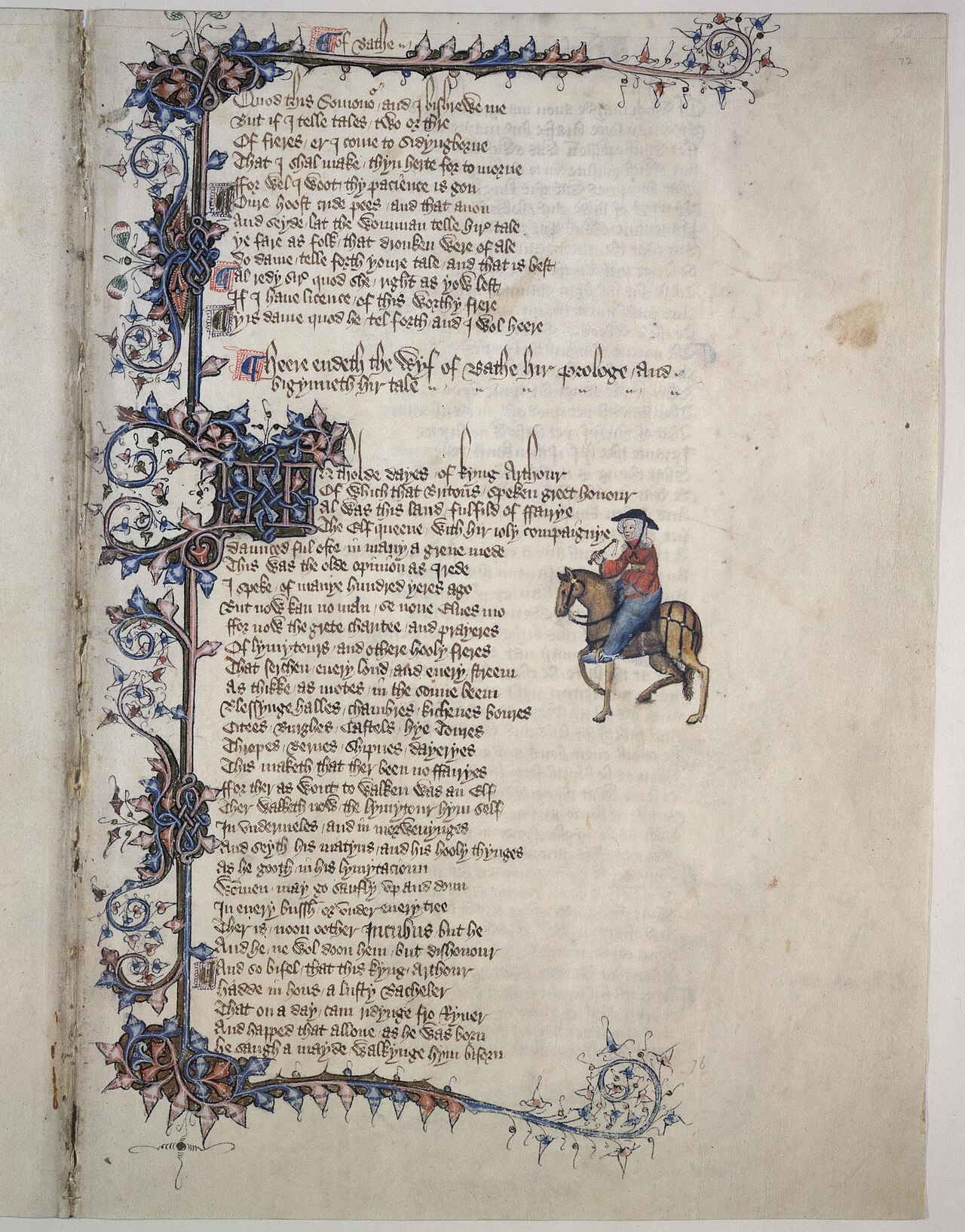
Hengwrt Chaucer
Geoffrey Chaucer · c. 1400
Free account
Read every Geoffrey Chaucer source
Sign up free →
Ready when you are
Start chatting with Geoffrey Chaucer now.
20 messages free · No credit card · Available in 50+ languages.