


Secondary sourceSculpture
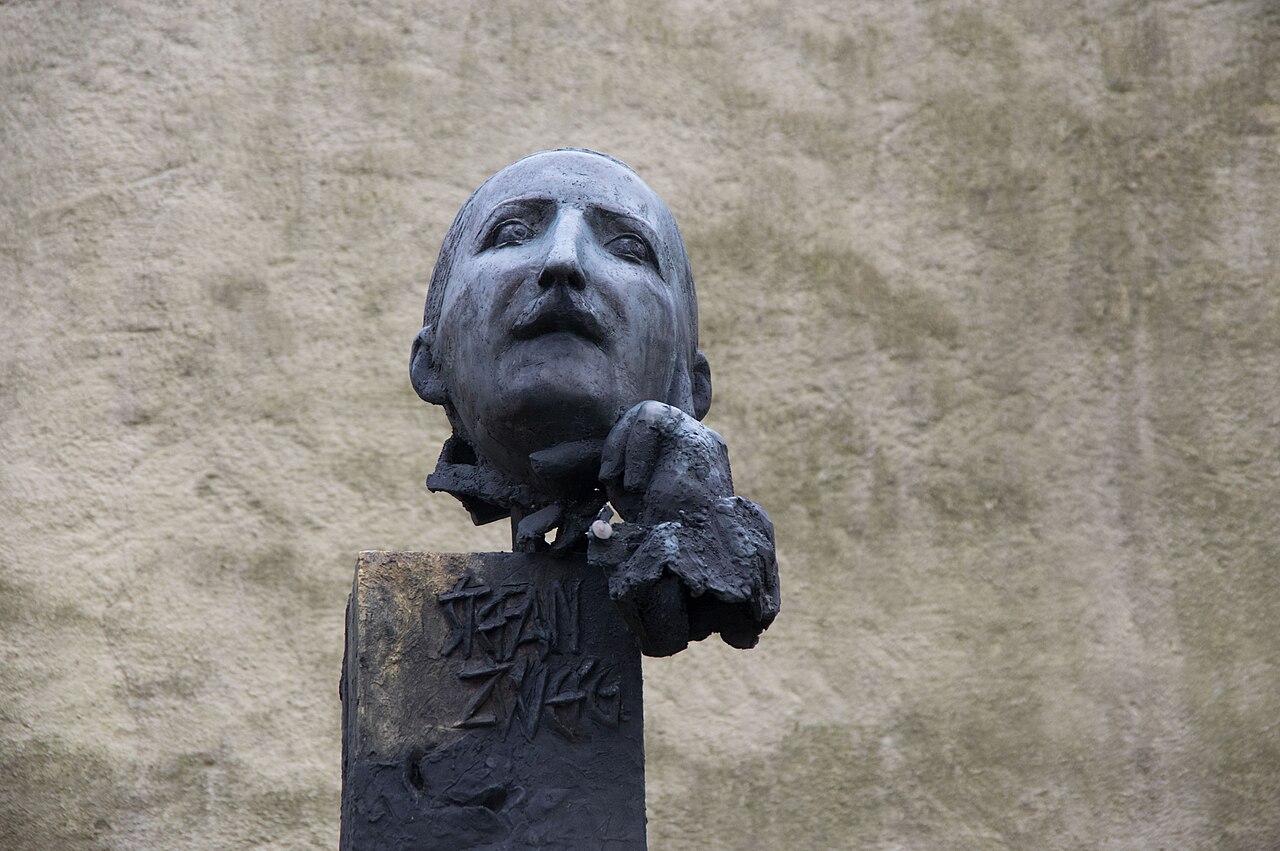
Stefan Zweig memorial sculpture, Kapuzinerberg
A bronze bust of Stefan Zweig on a stone pillar on the Kapuzinerberg in Salzburg. It is a later memorial that honours the writer.
A later memorial to Zweig in Salzburg, where he lived, showing how the city later chose to honour him.
About this source
What it is
This is a photograph of a bronze bust of Stefan Zweig, mounted on a square stone pillar inscribed with his name. The bust shows a bald man with a moustache, head tilted up, one hand raised to his neck. A pale plastered wall stands behind it. The photo was uploaded to Wikimedia Commons by Clemensfranz and dated 19 March 2017. The sculpture stands on the Kapuzinerberg in Salzburg, the hill where Zweig lived. The sculpture was made long after Zweig's death in 1942, so it shows how later people chose to remember him rather than how he looked to his contemporaries.
Why it matters
Memorials tell us as much about the people who build them as about the person they honour. Zweig was an Austrian writer, and this bust shows that his home city kept him in public memory decades after he died. Students can compare this image with other sources about Zweig to see which parts of his life a later community chose to highlight.
Look closer
- What pose and expression did the sculptor give Zweig, and why might a memorial show a person in that way?
- Who would have paid for and decided on a memorial like this, and when?
- What does this bust leave out about Zweig's work and life?
This sculpture is part of the curated material that grounds the AI version of Stefan Zweig on Humy.ai — when students ask about related events, the AI can quote it and cite it.
More Stefan Zweig sources
Browse all 76 →Primary source
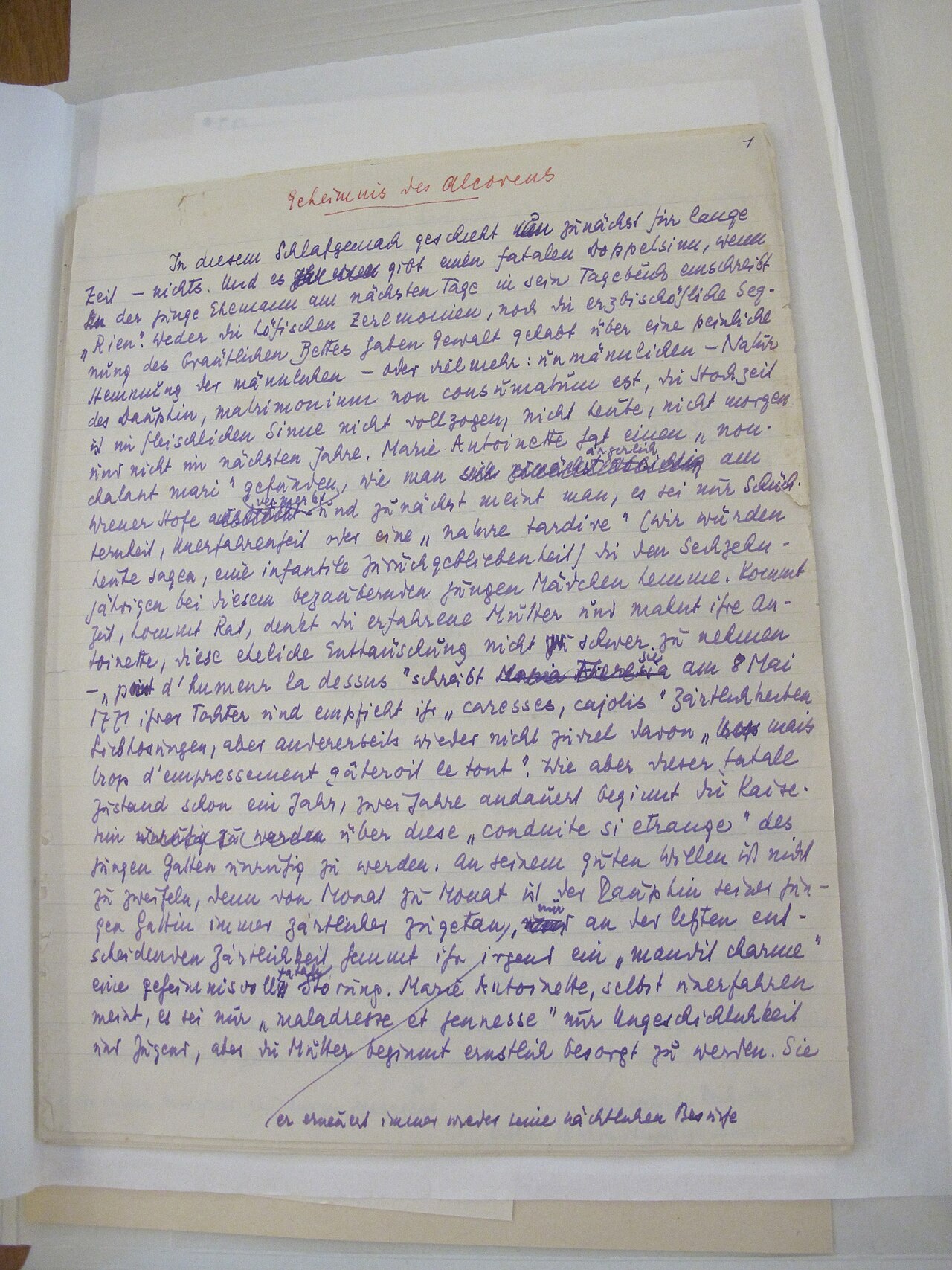
Stefan Zweig's Farewell Letter
Stefan Zweig · 22 February 1942
 Document
Primary source
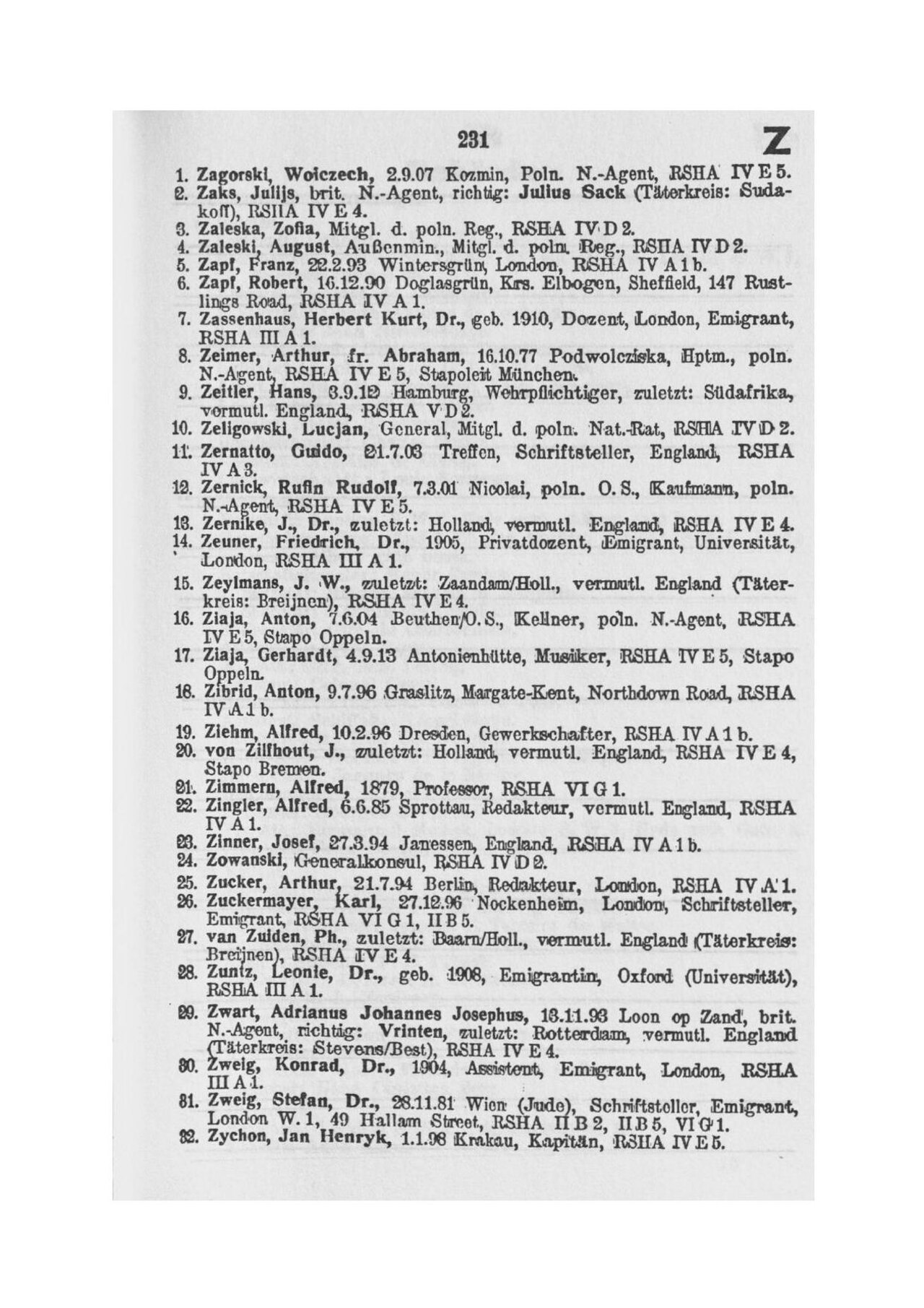
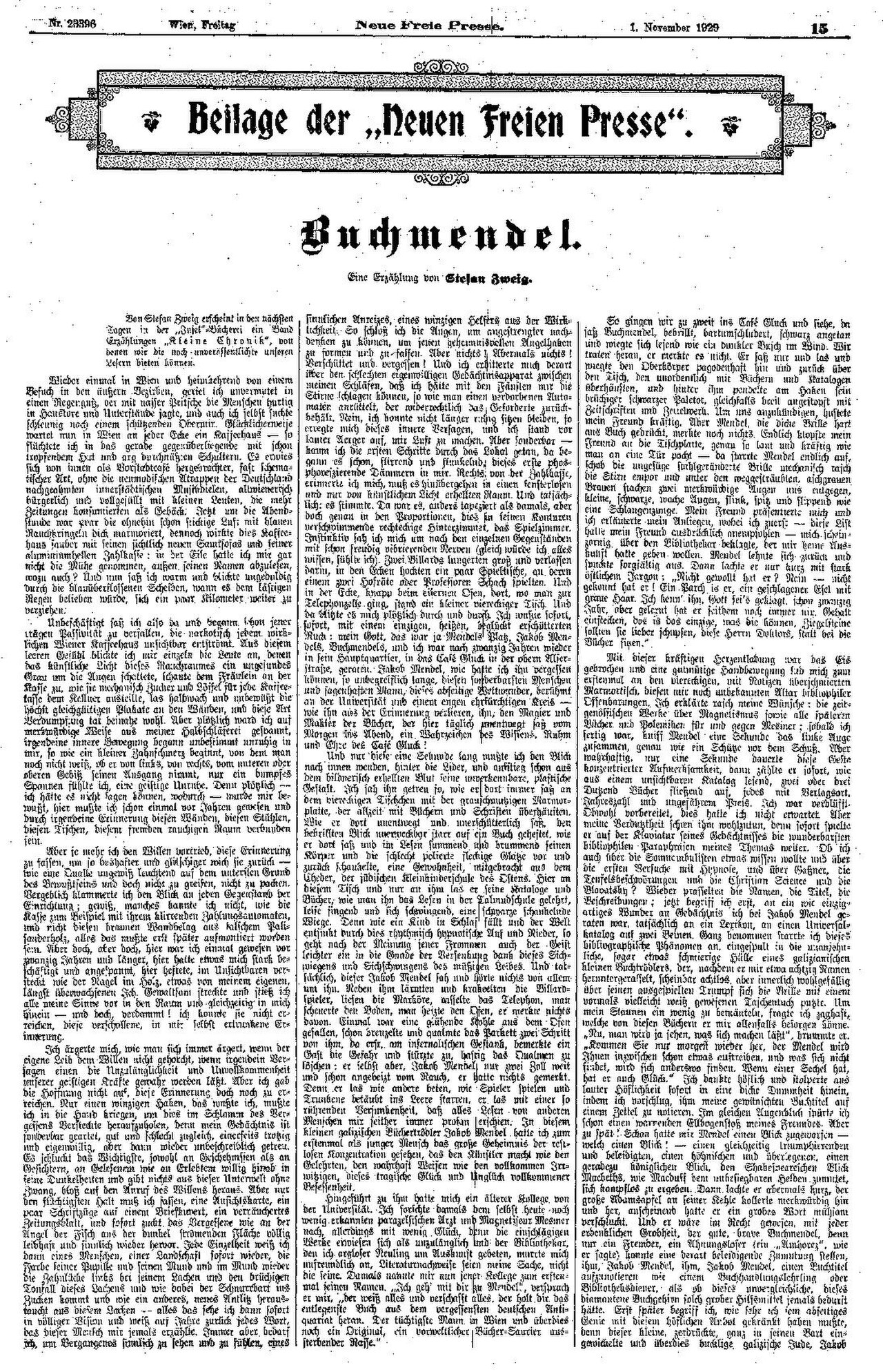
Sonderfahndungsliste G.B. Seite 231
Reichssicherheitshauptamt · 1940
 Document
Primary source
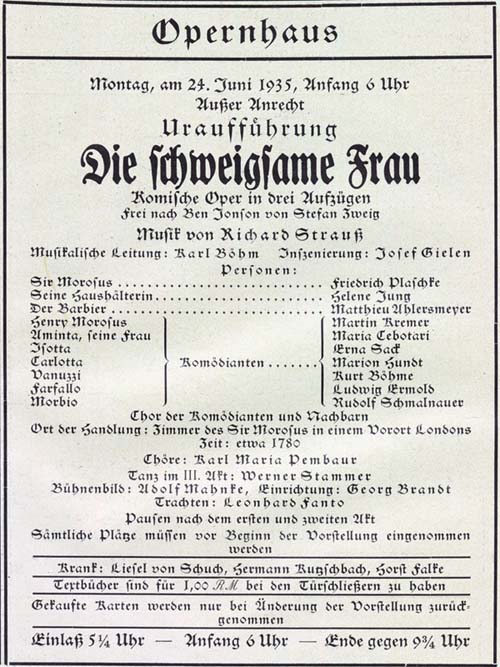
Die schweigsame Frau
Richard Strauss · 1935
 Photograph
Primary source
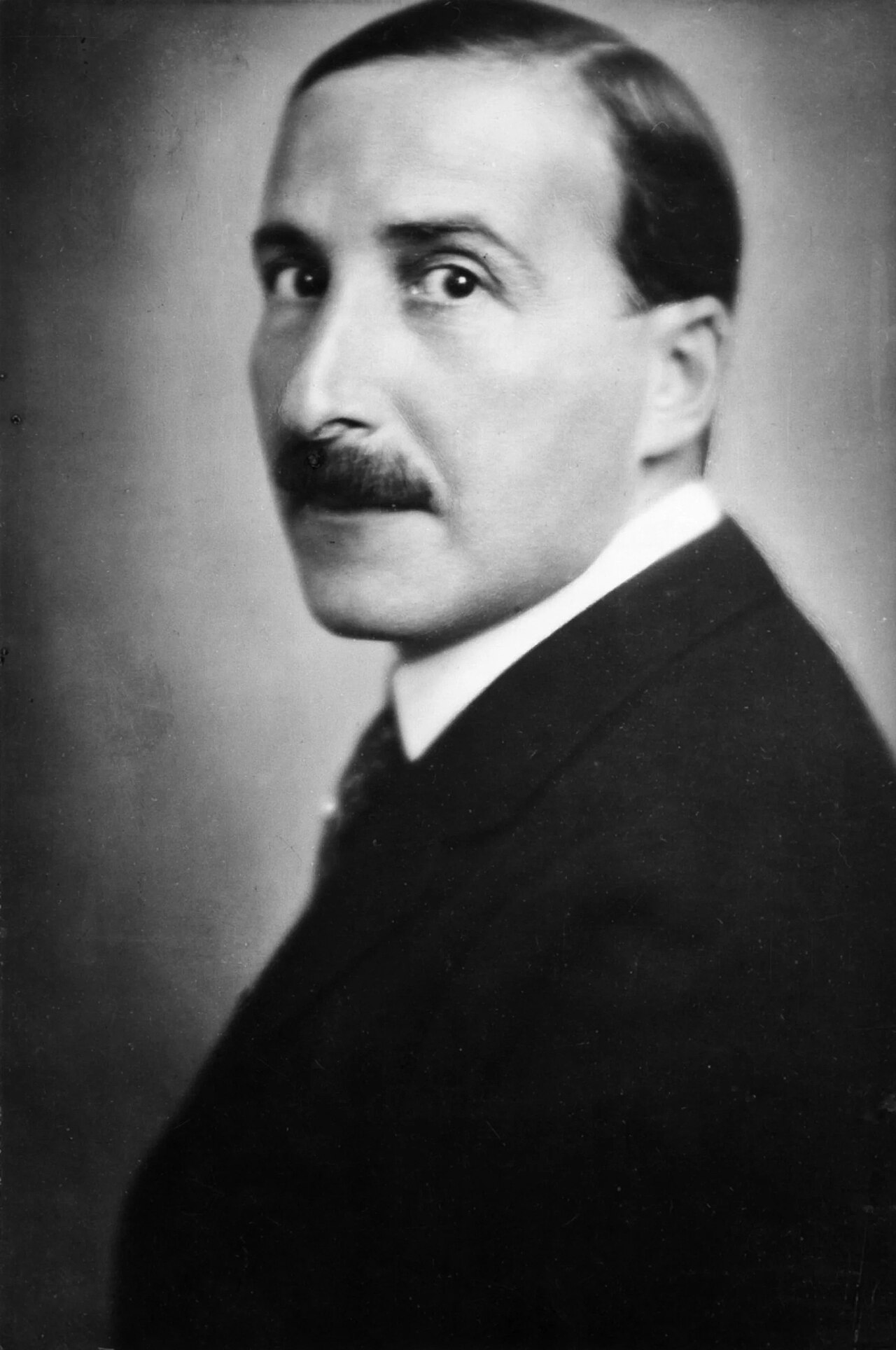
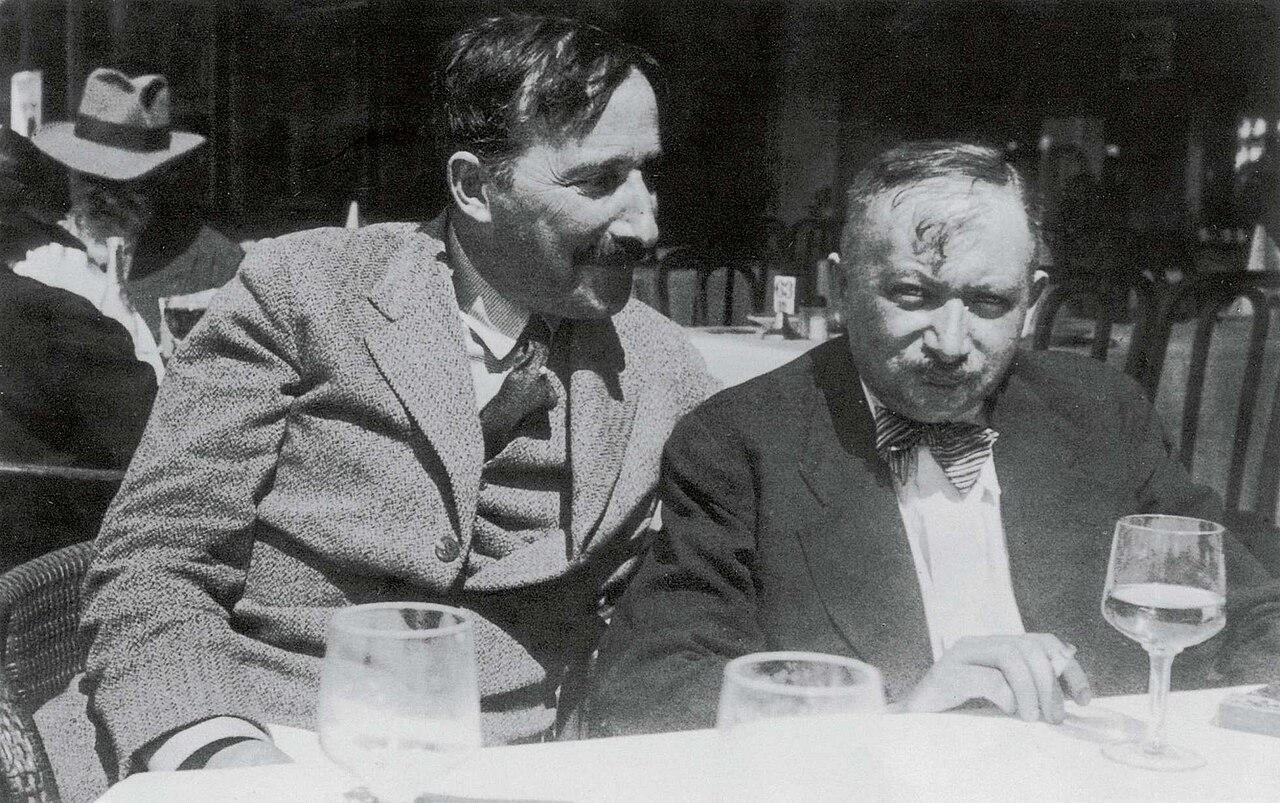
Portrait of Stefan Zweig
F. X. Setzer · 1927
Free account
Read every Stefan Zweig source
Sign up free →
Ready when you are
Start chatting with Stefan Zweig now.
20 messages free · No credit card · Available in 50+ languages.