


Primary sourceArtifactc. 680–670 BCE
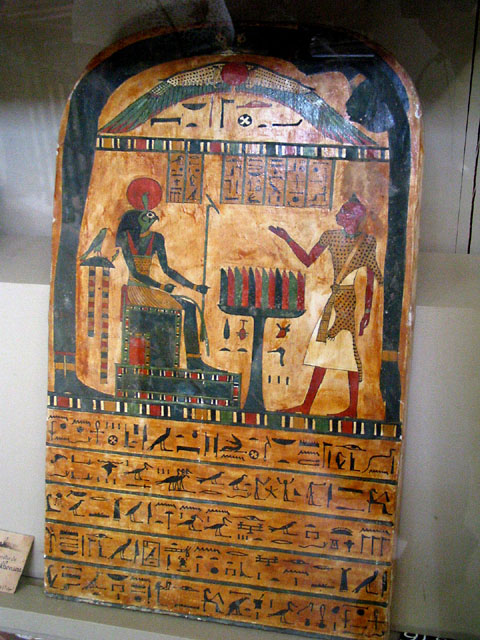
Stele of Ankh-ef-en-Khonsu
c. 680–670 BCE
An ancient Egyptian funerary stele that Crowley saw in a Cairo museum in 1904, an event he said triggered the writing of The Book of the Law.
Crowley's encounter with this stele in 1904 was the event he said led directly to The Book of the Law.
About this source
What it is
This painted wooden offering stele was made for the priest Ankh-ef-en-Khonsu around 680–670 BCE and discovered in the 19th century near Luxor. It shows the priest making offerings to the god Re-Harakhty, with the sky goddess Nut and a winged solar disk above. It is now held in an Egyptian museum.
Why it matters
In 1904 Crowley's wife Rose identified this object in a Cairo museum as an image of the god Horus, which Crowley connected to a series of events he said led to the dictation of The Book of the Law. Crowley renamed it the "Stele of Revealing" and it became a central icon of his religion, Thelema. It shows how an ancient artifact could be reinterpreted centuries later to support a new belief system.
Look closer
- What does the original Egyptian text on the stele actually say, compared to what Crowley later made of it?
- Why might a museum object take on new meaning for someone looking for a sign?
- What does this episode reveal about how Crowley built his religious authority?
This artifact is part of the curated material that grounds the AI version of Aleister Crowley on Humy.ai — when students ask about related events, the AI can quote it and cite it.
More Aleister Crowley sources
Browse all 53 →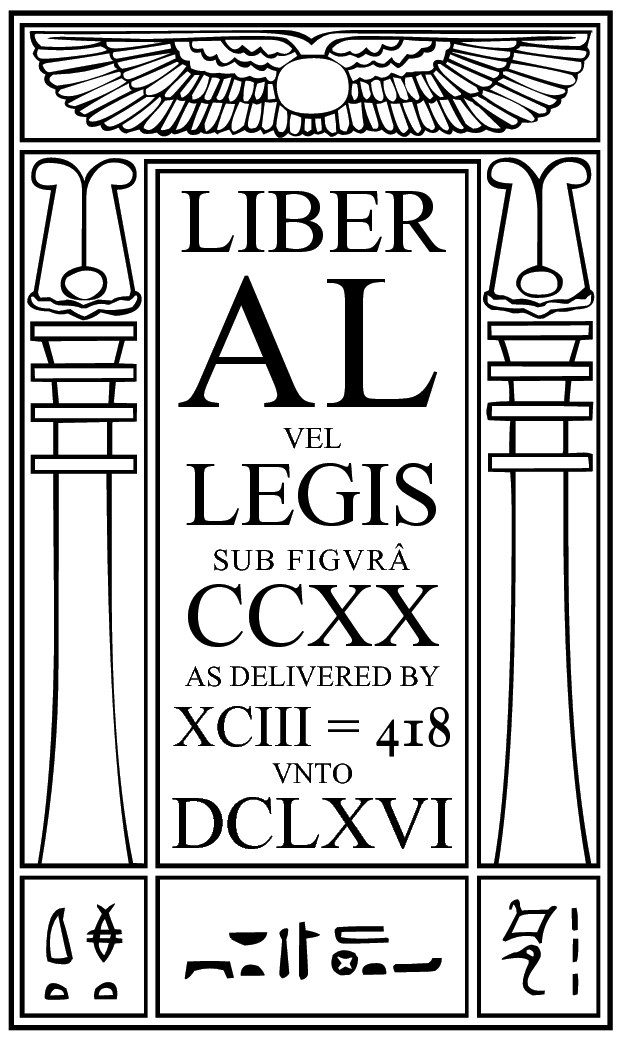 Book
Primary source
The Book of the Law
Aleister Crowley · 1904
 Photograph
Primary source
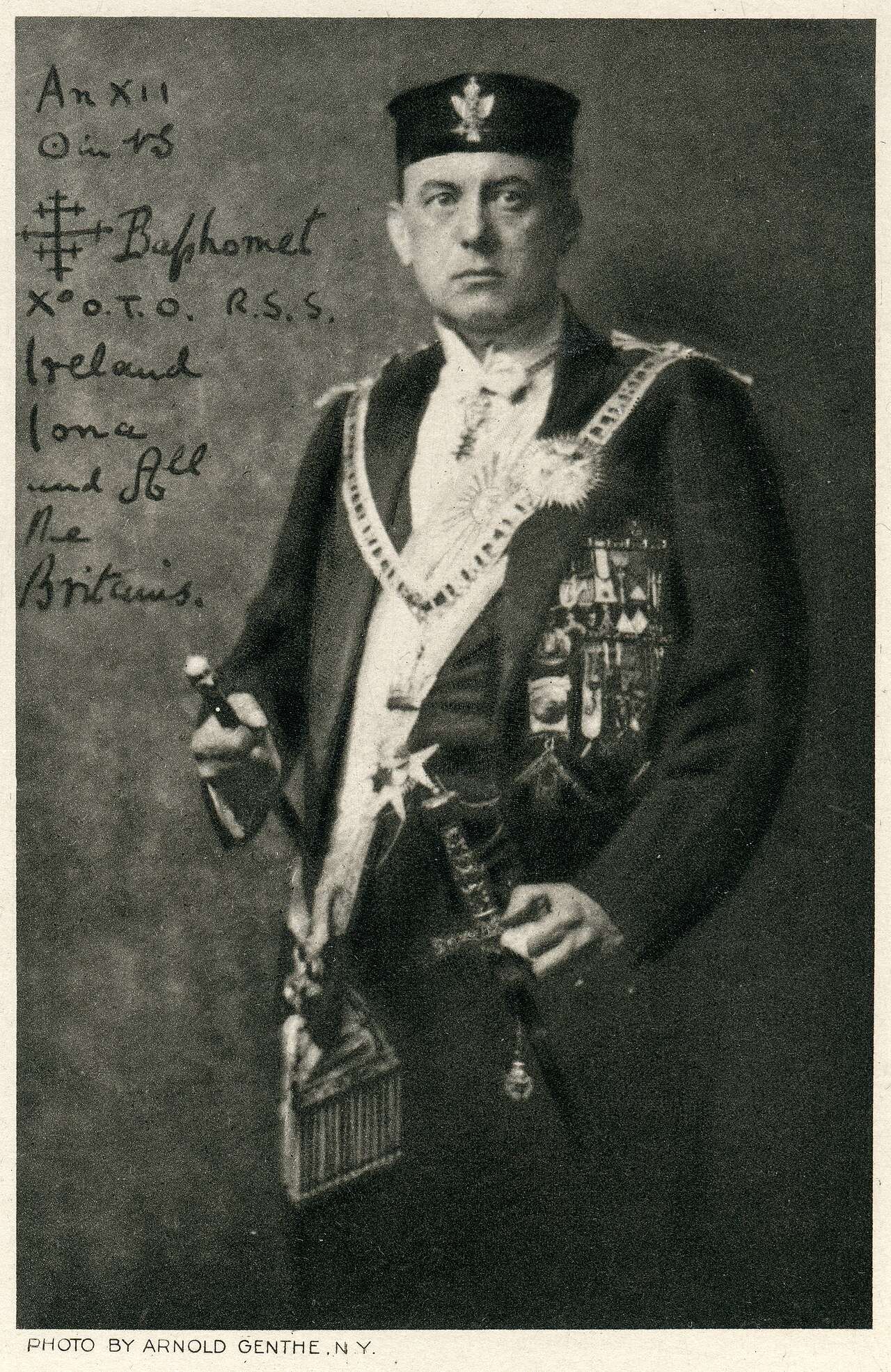
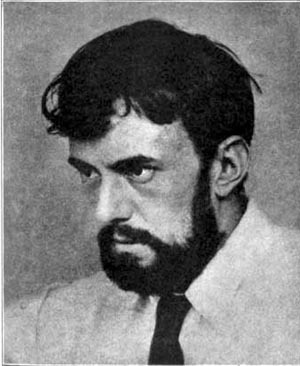
Aleister Crowley as Baphomet X° O.T.O
Arnold Genthe
 Photograph
Primary source
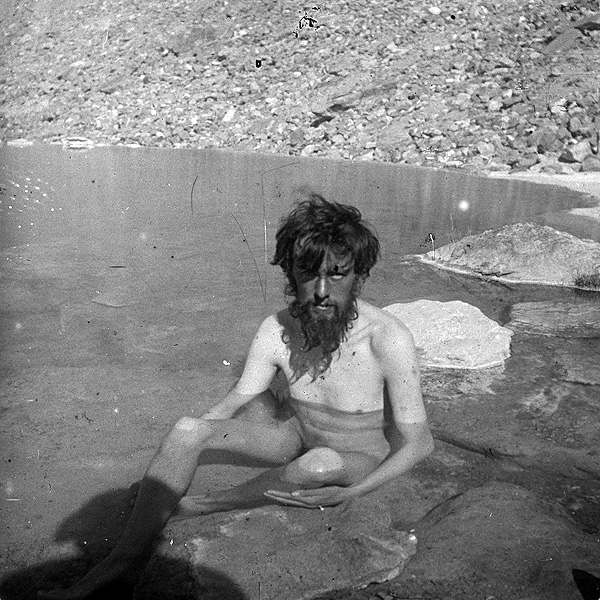
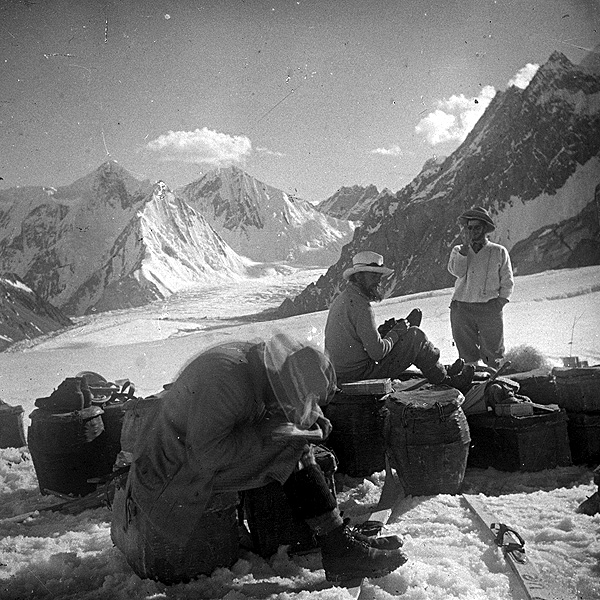
Aleister Crowley 1902 K2 Photograph
Jules Jacot-Guillarmod · 1902
 Artifact
Primary source
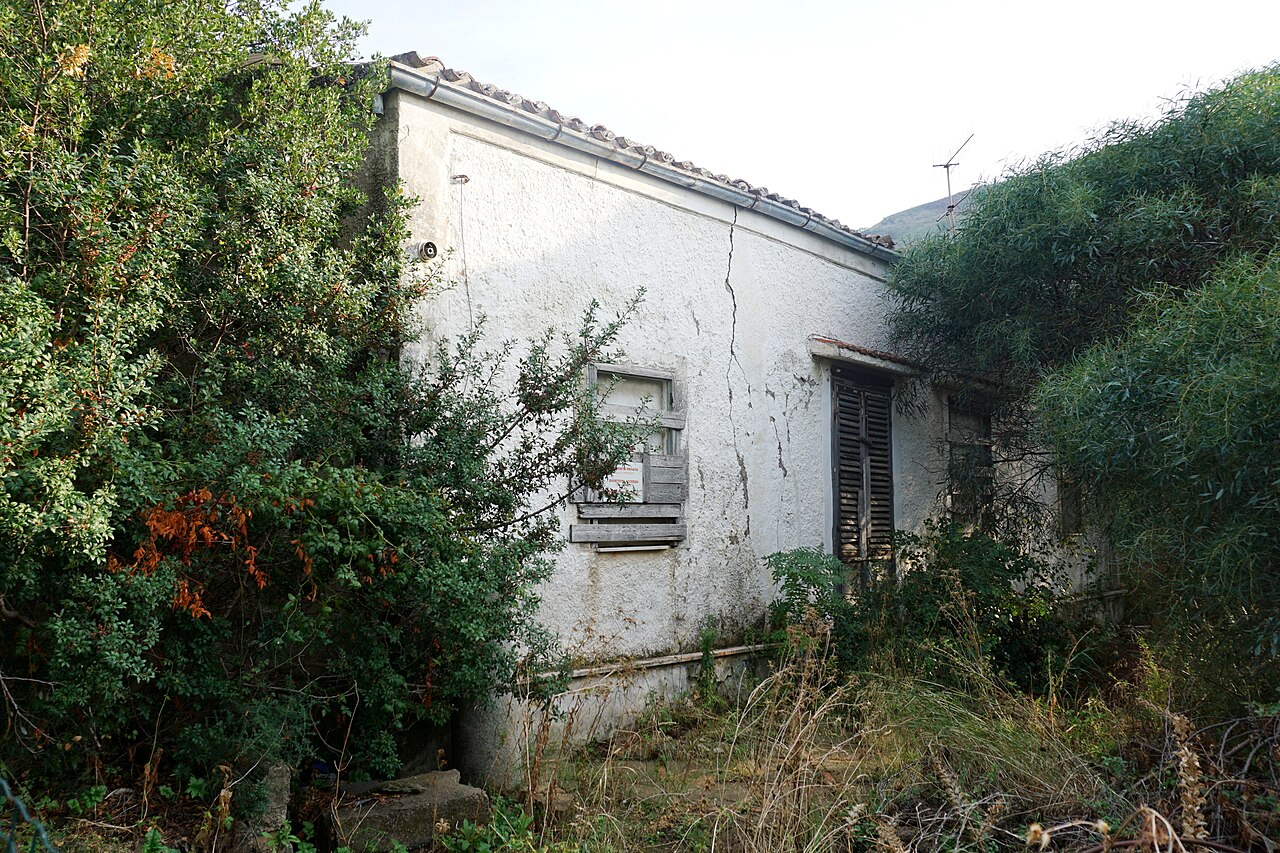
Abbey of Thelema
1920–1923
Free account
Read every Aleister Crowley source
Sign up free →
Ready when you are
Start chatting with Aleister Crowley now.
20 messages free · No credit card · Available in 50+ languages.