


Primary sourceArtifact6th century BCE
Stoa Basileios
6th century BCE
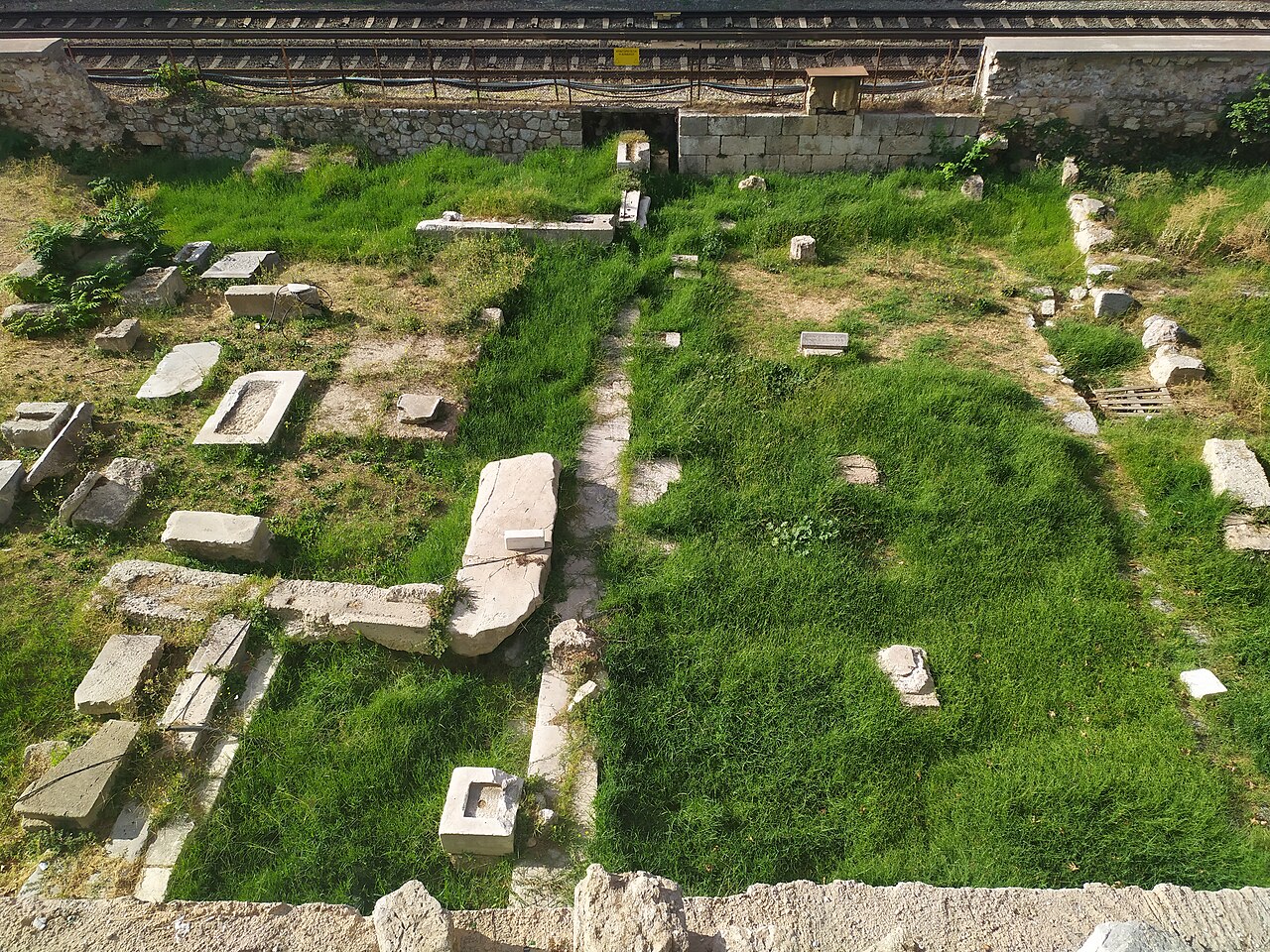
The excavated seat of Athens' king archon, where the city later displayed re-inscribed copies of the laws attributed to Solon and Draco.
This building later housed re-inscribed copies of Solon's laws, making it a civic monument to his legal legacy.
About this source
What it is
The Stoa Basileios, or Royal Stoa, was a small Doric building in the northwest corner of the Athenian Agora, built in the 6th century BCE and later altered. It served as the seat of the Athenian king archon and held Athens' laws, including the stone on which incoming magistrates swore their oath of office. Its ruins survive in the Ancient Agora of Athens.
Why it matters
This building is directly tied to the legal legacy of Solon and the earlier lawgiver Draco, since it was the place where Athenians later displayed re-inscribed versions of their laws. Its small, modest scale for such an important function shows how Athenian civic institutions in the archaic period combined great symbolic weight with simple architecture.
Look closer
- Why might laws be displayed publicly in a stoa rather than kept privately?
- What does the size of the building tell you about how the Athenians thought about government buildings at this time?
- What might be missing from the ruins that would help us understand how the stoa was actually used?
This artifact is part of the curated material that grounds the AI version of Solon on Humy.ai — when students ask about related events, the AI can quote it and cite it.
More Solon sources
Browse all 83 →

Ready when you are
Start chatting with Solon now.
20 messages free · No credit card · Available in 50+ languages.