


Secondary sourceSculpture2012-06-15
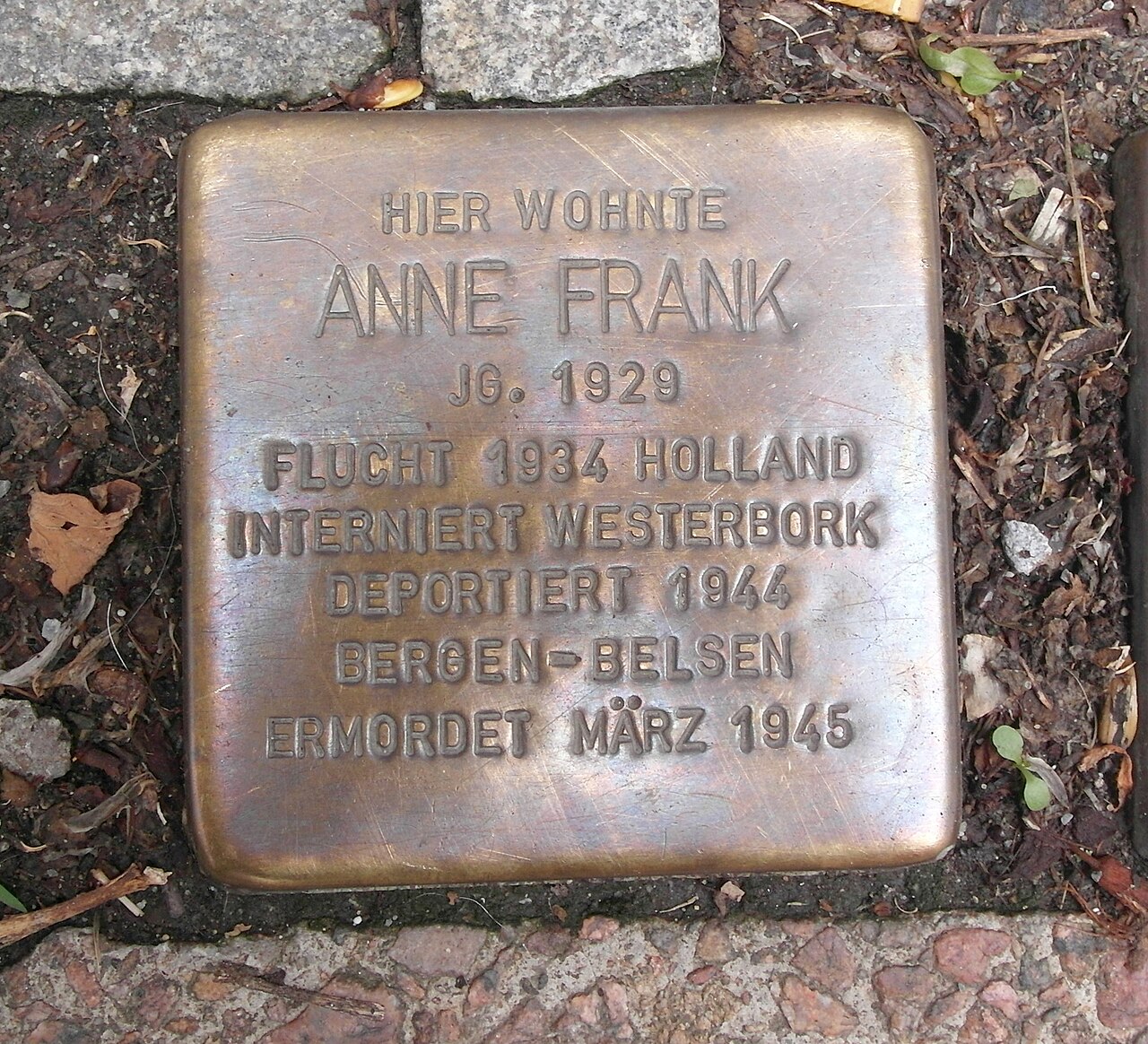
Stolperstein for Anne Frank in Aachen
Túrelio · 2012-06-15
A brass memorial stone set in the pavement at Pastorplatz 1 in Aachen, marking where Anne Frank lived briefly in 1933. It records her deportation and murder.
Marks the Aachen home where Anne Frank lived briefly in 1933 with her grandmother, before her family's flight from Germany.
About this source
What it is
This is a brass Stolperstein, a small square memorial stone set into the pavement and dark soil at Pastorplatz 1 in Aachen, Germany. Its engraved German text reads that Anne Frank lived here, was born in 1929, fled to Holland in 1934, was interned at Westerbork, was deported in 1944 to Bergen-Belsen, and was murdered in March 1945. The photograph is by Túrelio, taken in 2012.
Why it matters
Stolpersteine are placed in front of homes where victims of Nazi persecution once lived. This stone shows that Anne Frank's life in Germany began in Aachen, where she lived in 1933 with her grandmother Rosa Holländer. It reminds students that the Holocaust reached into ordinary German neighbourhoods, and that families were forced to leave their homes.
Look closer
- What facts does the engraving give, and which of them are dates?
- Why might a memorial be placed in the pavement rather than on a wall or in a museum?
- What does this stone not tell us about Anne Frank's life between 1933 and 1944?
This sculpture is part of the curated material that grounds the AI version of Anne Frank on Humy.ai — when students ask about related events, the AI can quote it and cite it.
More Anne Frank sources
Meet the AI Anne Frank →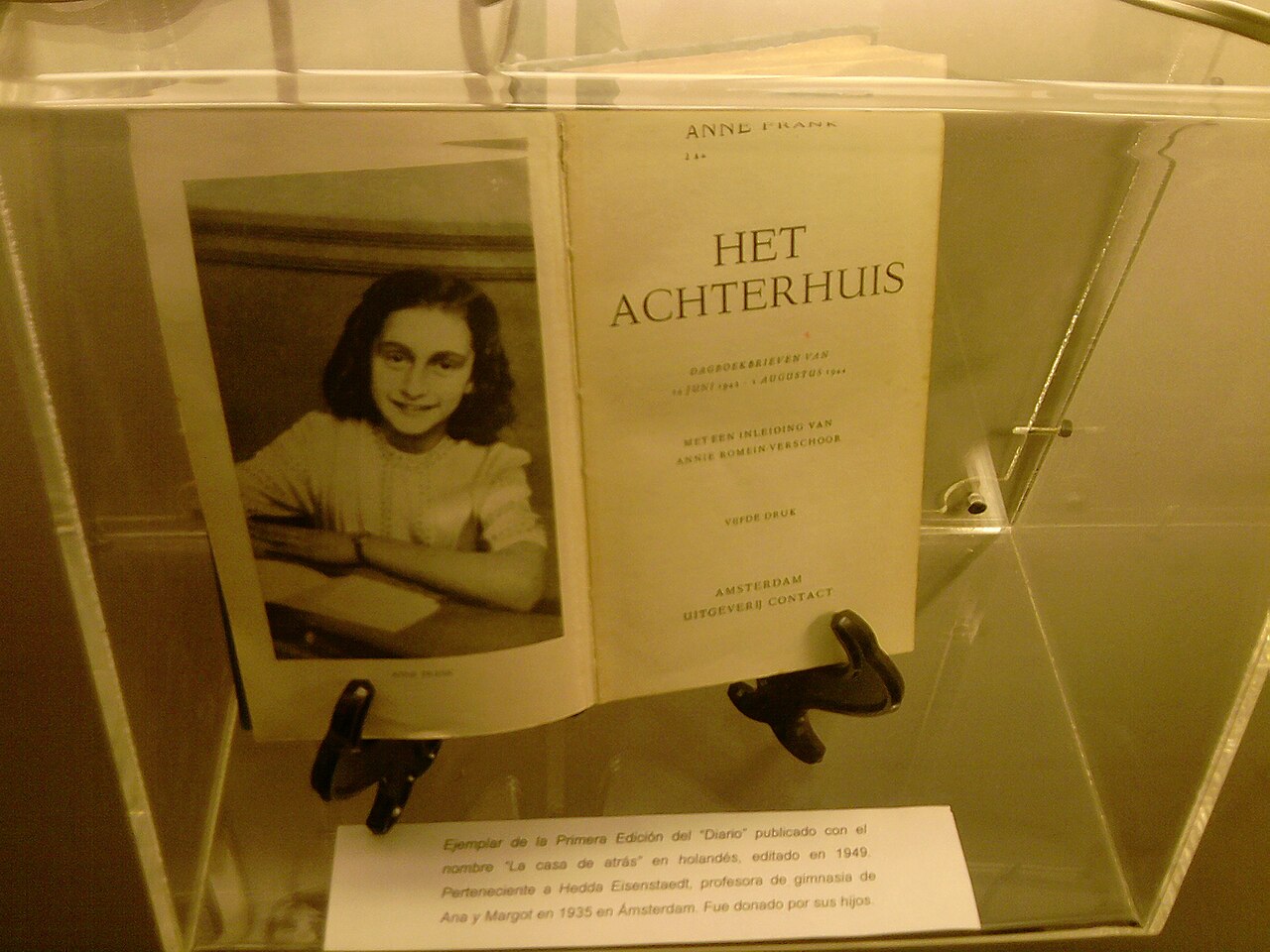 Book
Secondary source
The Diary of a Young Girl
Anne Frank · 1947
 Artifact
Primary source
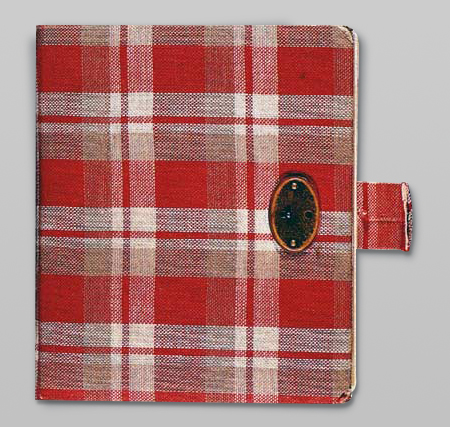
Cover of the Diary of Anne Frank
1942
Primary source
Anne Frank: The Only Existing Film Images
22 July 1941
 Photograph
Primary source
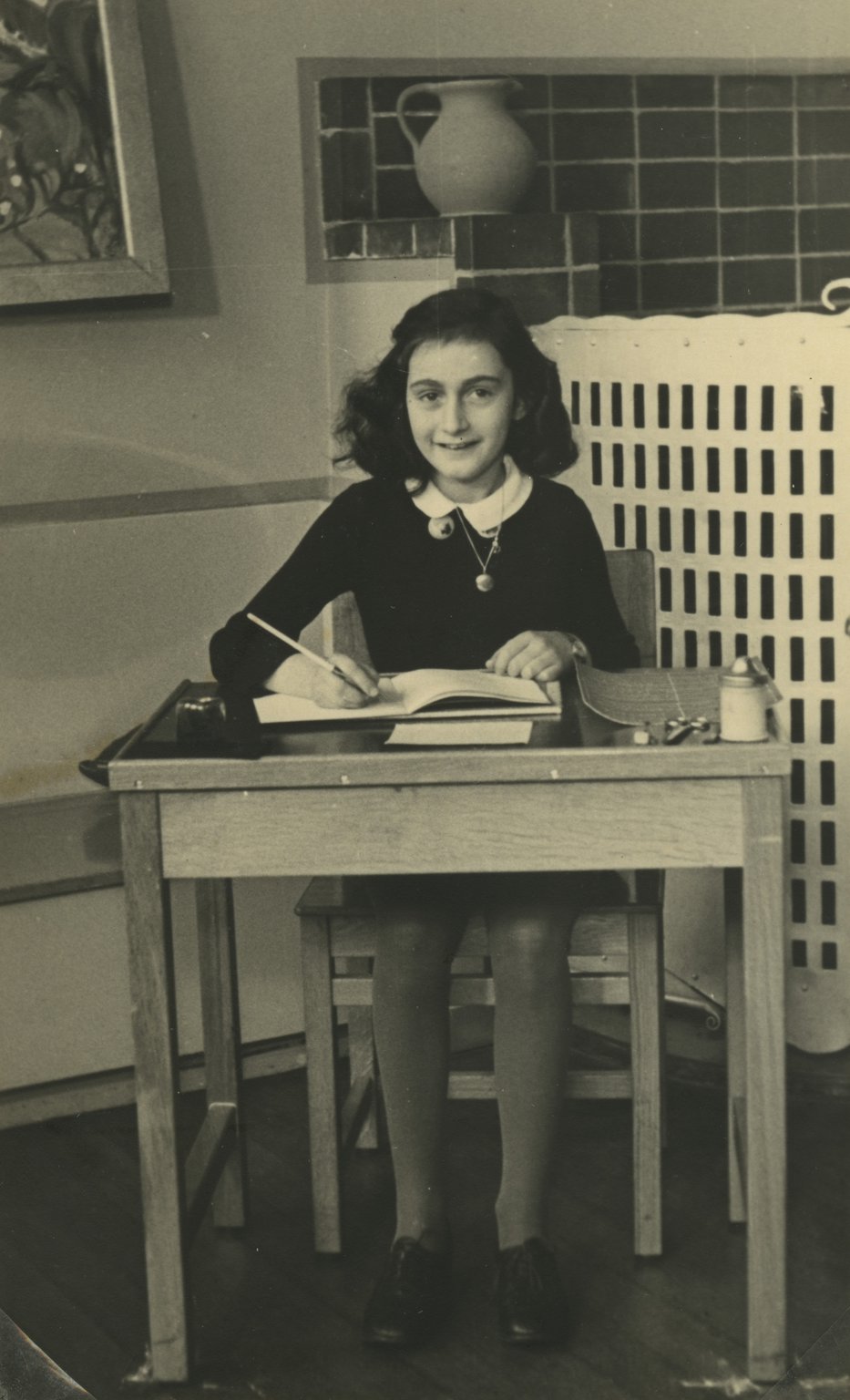
Anne Frank School Photo
Unknown photographer · 1940
 Artifact
Secondary source
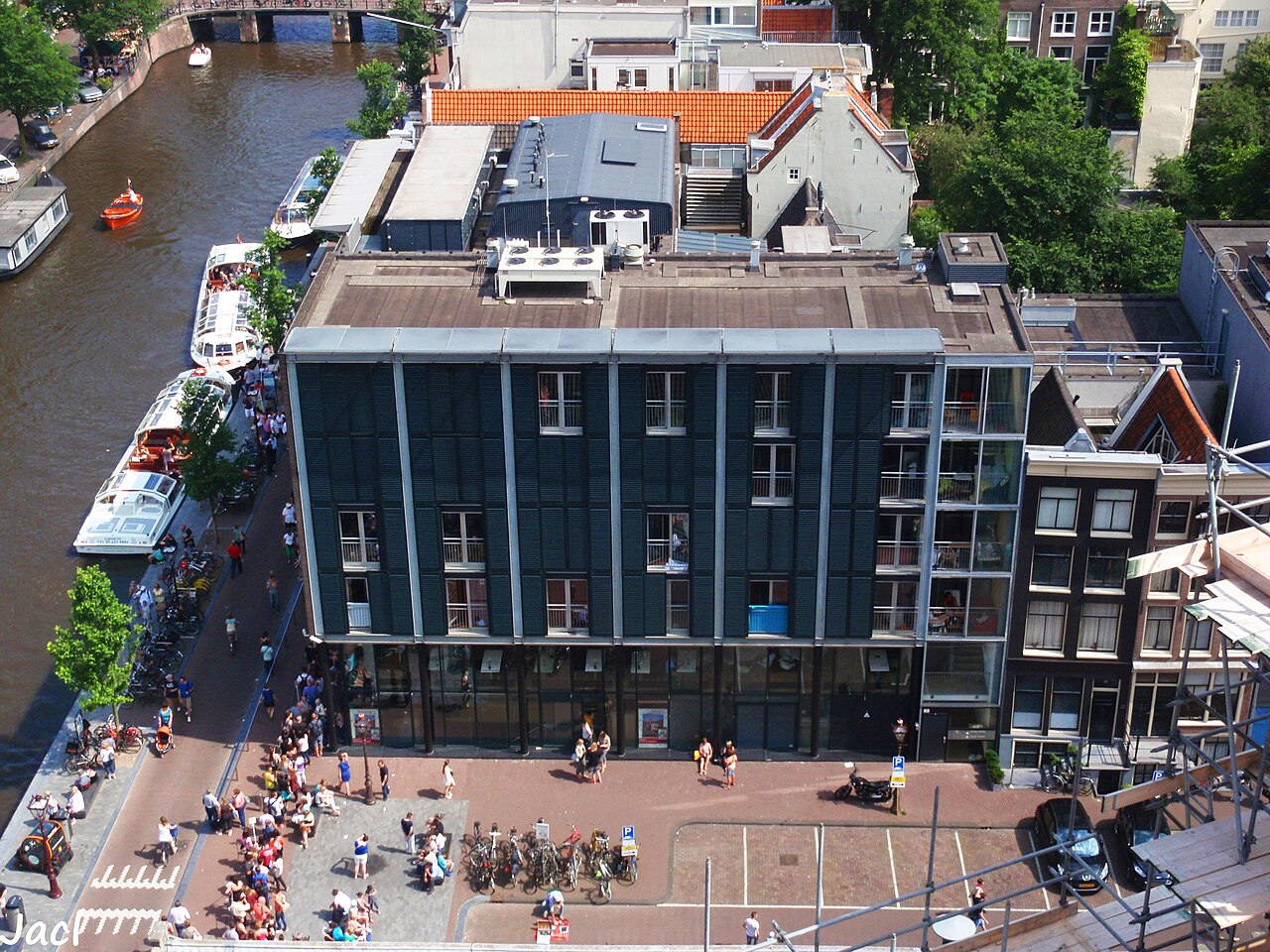
Anne Frank House
1960 (museum opened)
Ready when you are
Start chatting with Anne Frank now.
20 messages free · No credit card · Available in 50+ languages.