


Secondary sourceArtifact
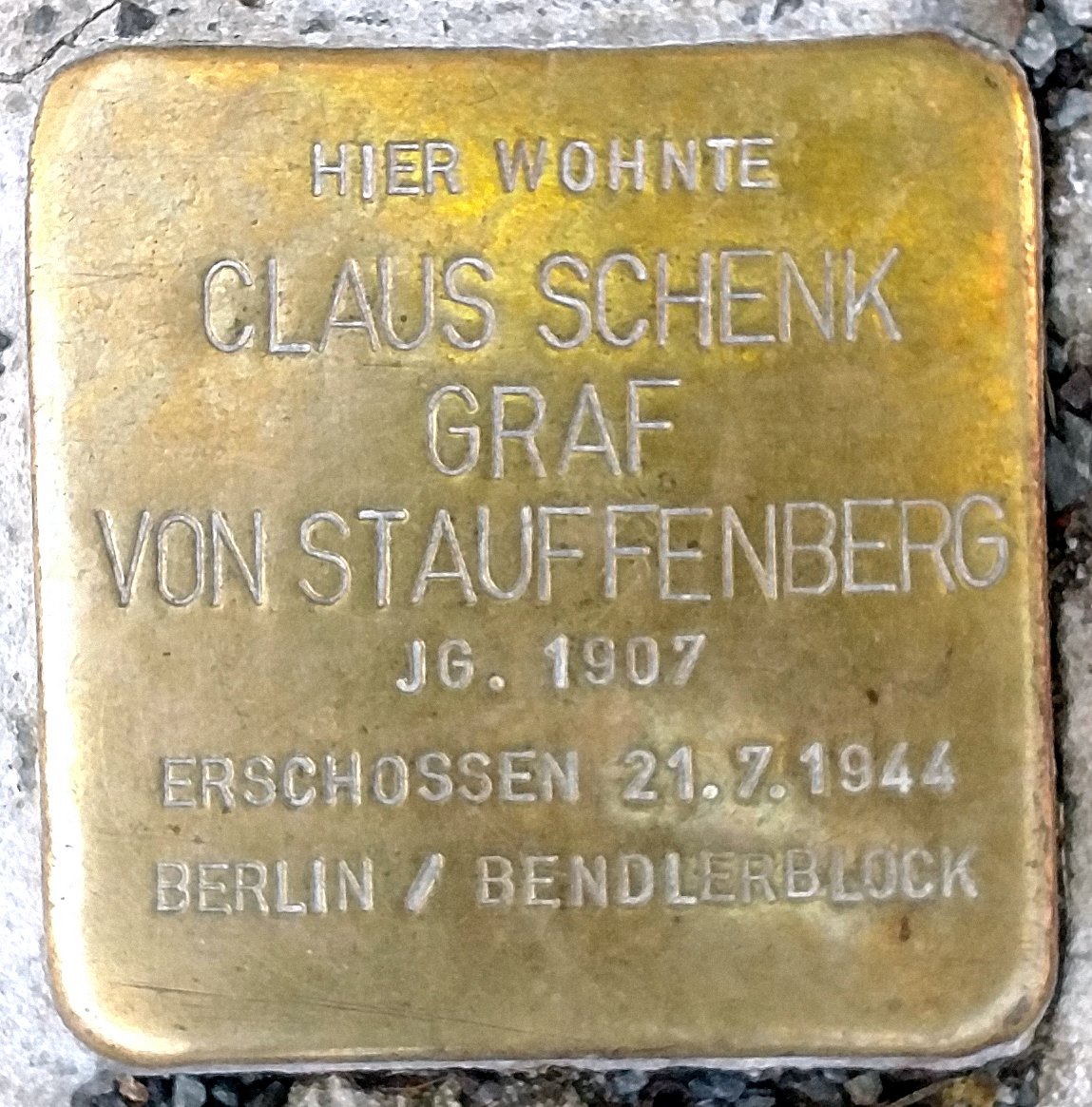
Stolperstein for Claus Schenk Graf von Stauffenberg
Gunter Demnig
A brass memorial stone set into the pavement in Bamberg, marking where Stauffenberg lived and recording his execution in 1944.
This memorial stone in Stauffenberg's garrison town commemorates his execution for resisting the Nazi regime.
About this source
What it is
A Stolperstein ("stumbling stone") created by artist Gunter Demnig, set into the pavement in Bamberg, the garrison town of Stauffenberg's regiment. The engraved brass plate gives his name, year of birth, and the date and place of his execution.
Why it matters
Stolpersteine are small memorials placed outside the former homes of victims of Nazi persecution across Europe. Including Stauffenberg among them shows how Germany today remembers him as part of the wider story of resistance and victims of the Nazi regime, connecting his fate to that of many others killed by the same system he tried to overthrow.
Look closer
- Why might a memorial like this be placed in a pavement, where people walk every day?
- What does the wording on the stone tell you about how he died?
- Why do you think towns use small, numerous memorials like this instead of one large monument?
This artifact is part of the curated material that grounds the AI version of Claus von Stauffenberg on Humy.ai — when students ask about related events, the AI can quote it and cite it.
More Claus von Stauffenberg sources
Browse all 59 →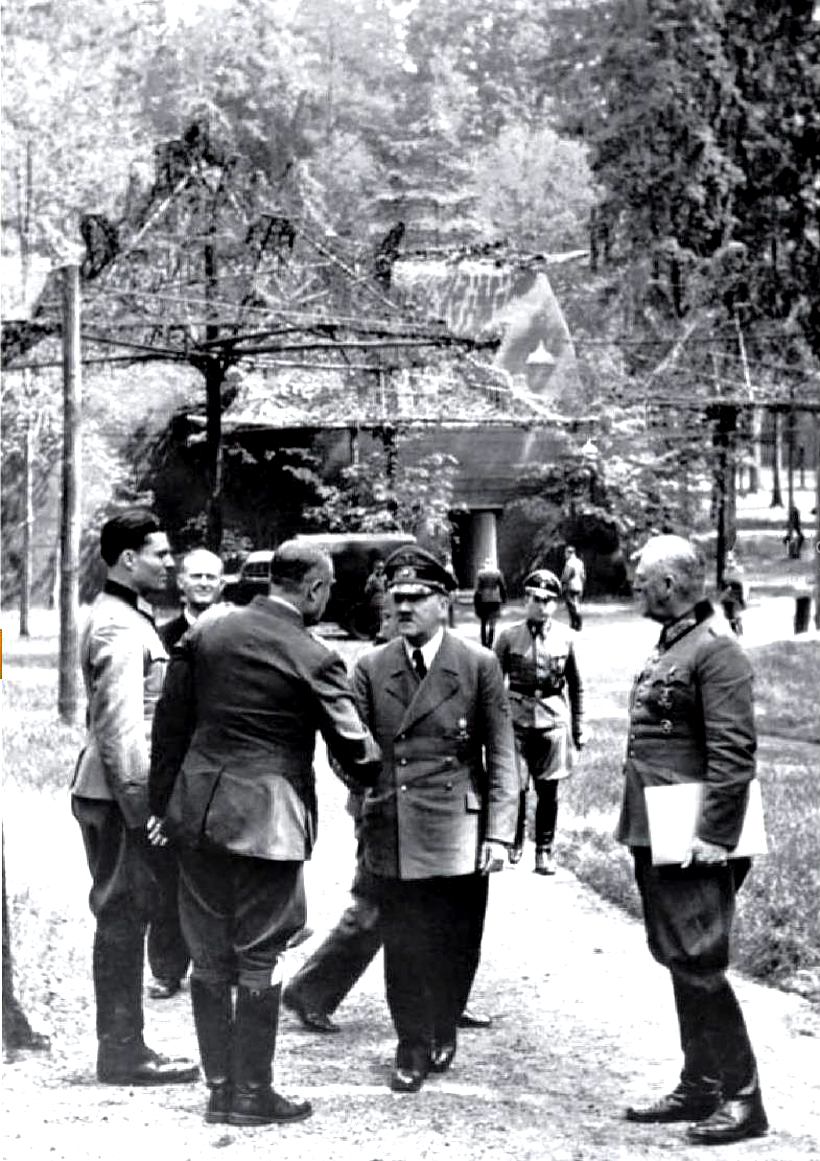 Photograph
Primary source
Photograph of Stauffenberg at the Wolf's Lair
15 July 1944
 Photograph
Primary source
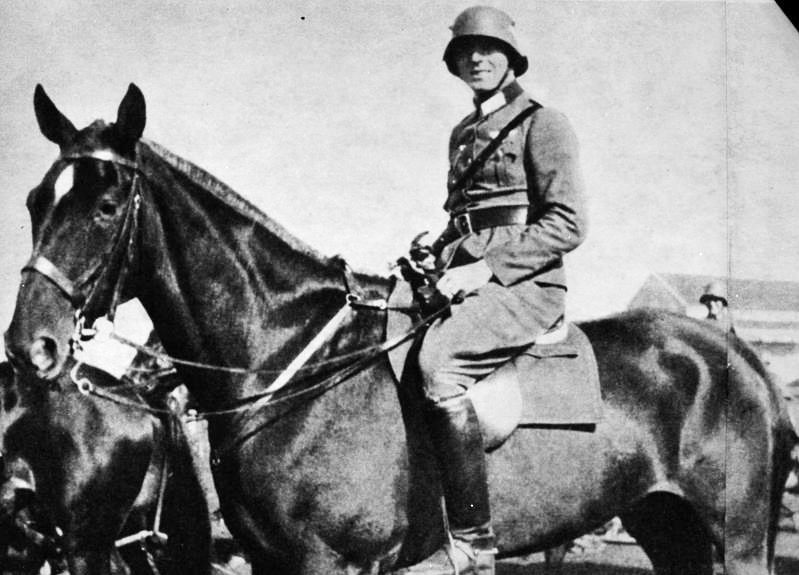
Portrait Photograph of Claus Schenk Graf von Stauffenberg on Horseback
before 1943
 Document
Secondary source
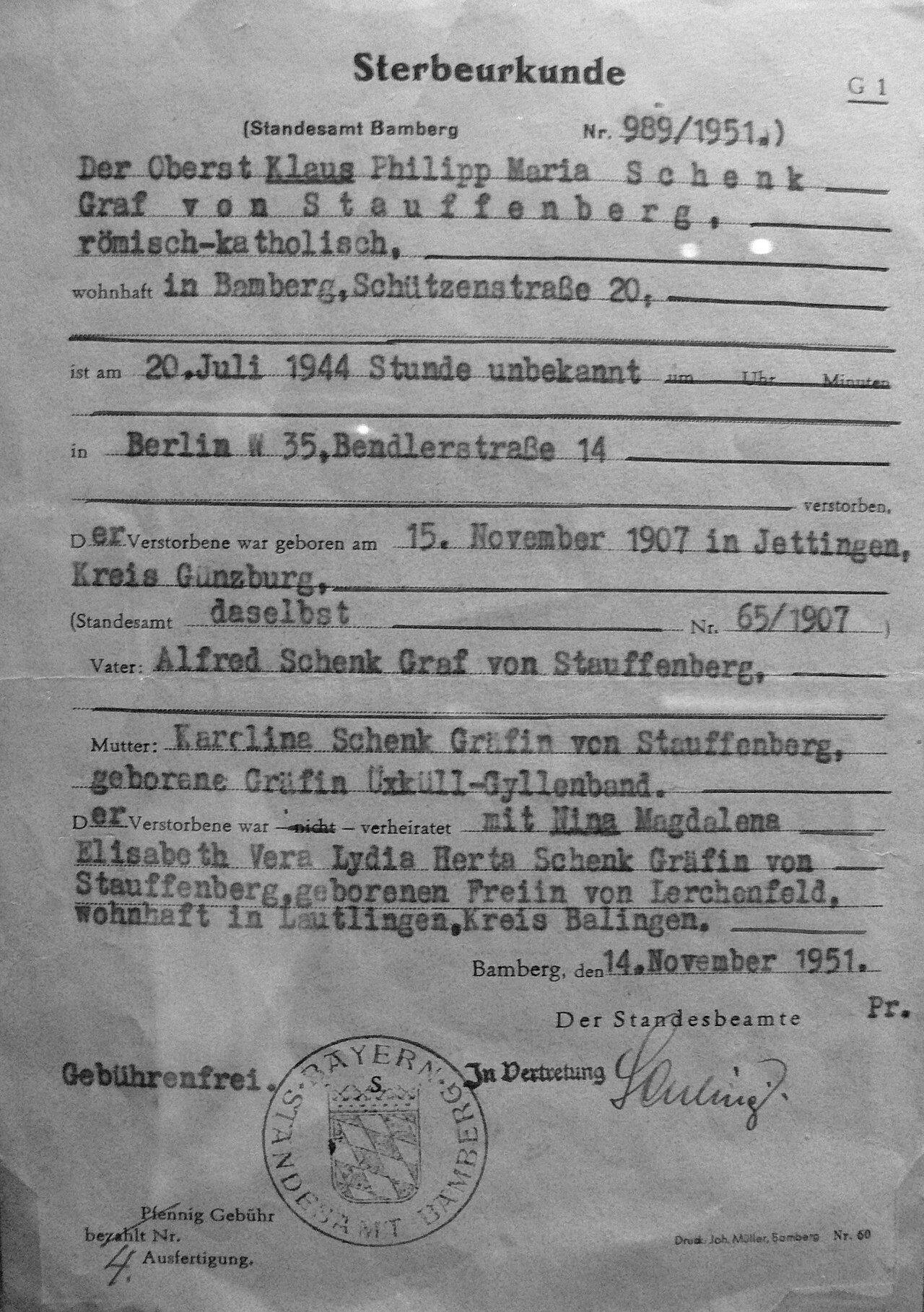
Death Certificate of Claus Schenk Graf von Stauffenberg
14 November 1951
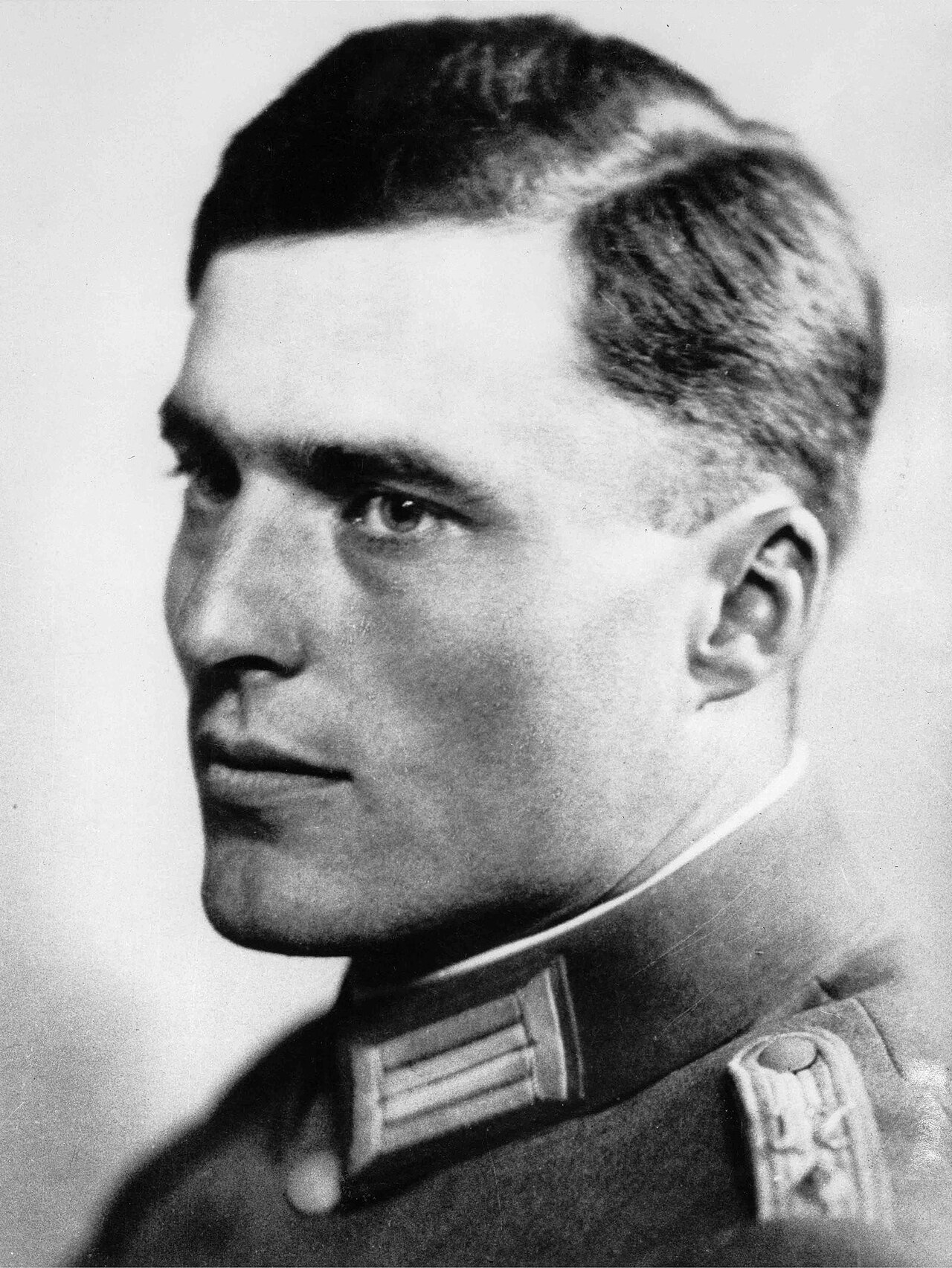 Photograph
Primary source
Portrait Photograph of Claus von Stauffenberg
before 1943
Free account
Read every Claus von Stauffenberg source
Sign up free →
Ready when you are
Start chatting with Claus von Stauffenberg now.
20 messages free · No credit card · Available in 50+ languages.