


Secondary sourceArtifact
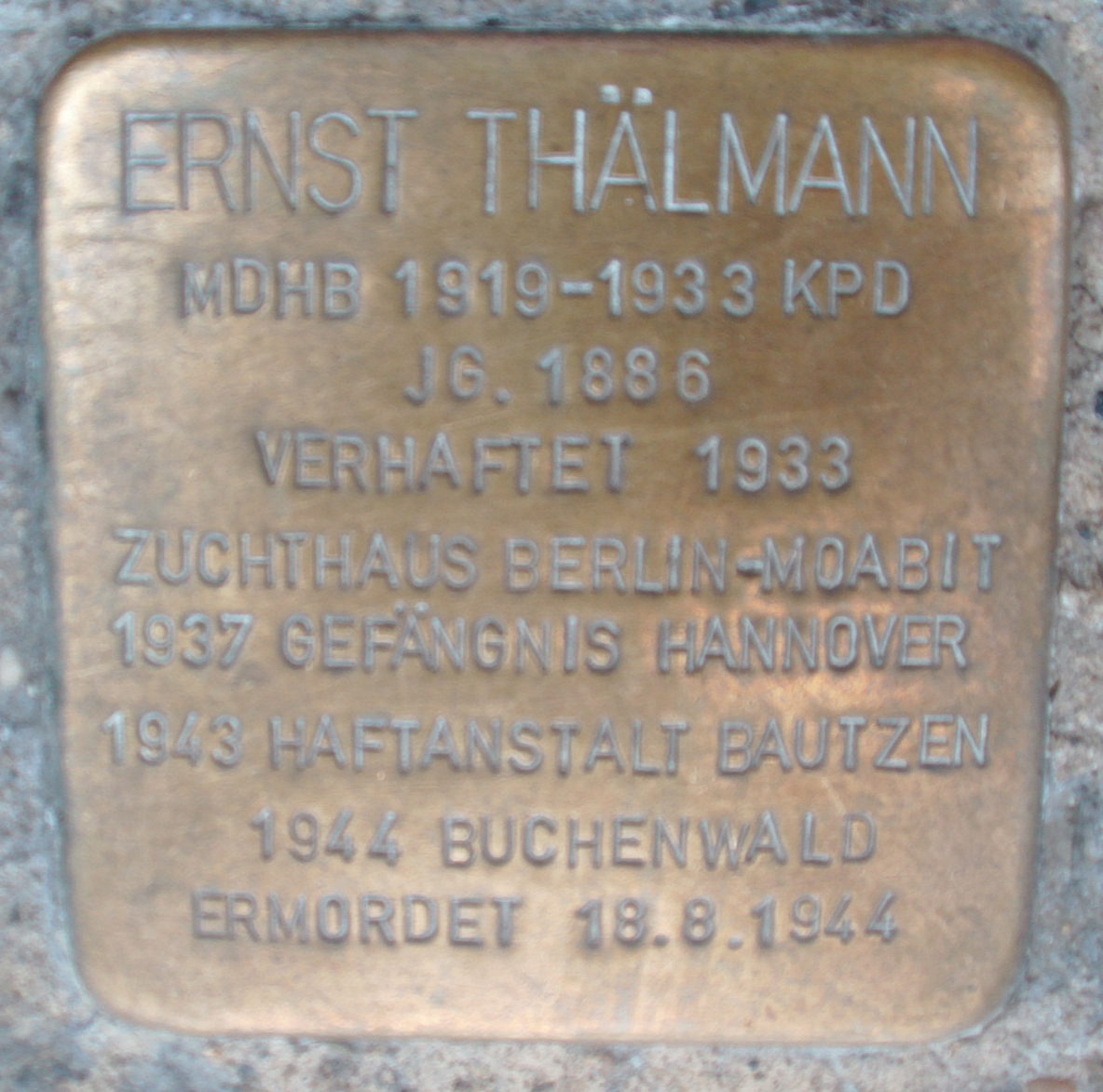
Stolperstein for Ernst Thälmann
Gunter Demnig
A commemorative brass paving stone in Hamburg marking Thälmann as a persecuted former Hamburg parliament member.
This Hamburg stone commemorates Thälmann as a persecuted politician, reflecting post-reunification remembrance.
About this source
What it is
This Stolperstein ("stumbling stone") was created by artist Gunter Demnig and placed in Hamburg-Altstadt. It is part of a wider project of small brass memorial stones set into pavements across Europe to mark the homes or workplaces of people persecuted by the Nazis, in this case commemorating Ernst Thälmann.
Why it matters
Unlike the grand state monuments built to Thälmann in the GDR, this stone represents a different, later, and non-state form of remembrance that developed after German reunification. It marks him specifically as a former member of the Hamburg parliament who was persecuted, rather than as a communist party icon.
Look closer
- How does a small stone set into a pavement create a different kind of memory than a large bronze statue?
- Why might remembrance after reunification look different from remembrance under the GDR?
- What does it mean to walk past a memorial like this in daily life, rather than visit it as a monument?
This artifact is part of the curated material that grounds the AI version of Ernst Thälmann on Humy.ai — when students ask about related events, the AI can quote it and cite it.
More Ernst Thälmann sources
Browse all 91 →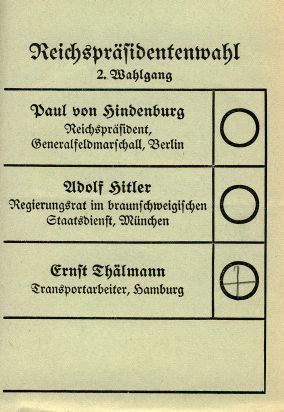 Document
Primary source
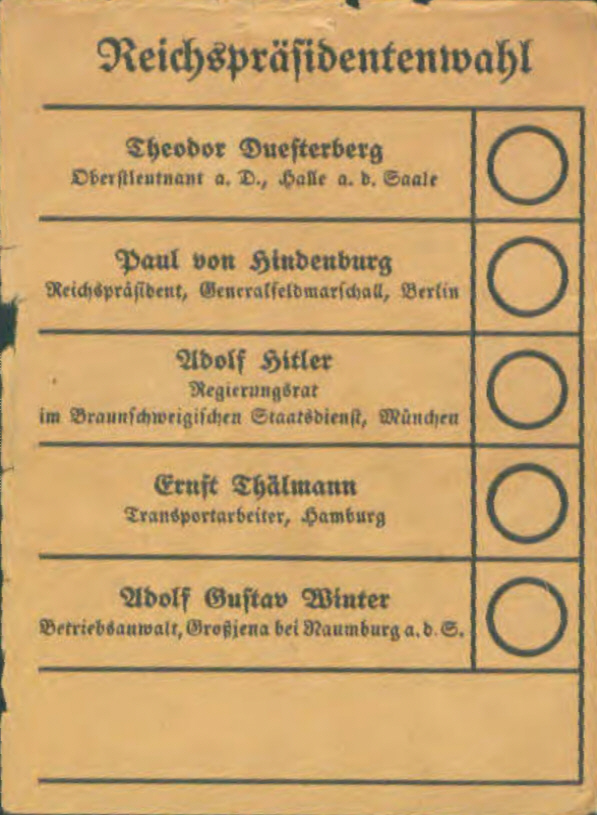
Reichspräsidentenwahl 1932 Ballot
10 April 1932
Primary source
Reichstag Election Campaign Speech, 1928
Ernst Thälmann · 1928
 Photograph
Primary source
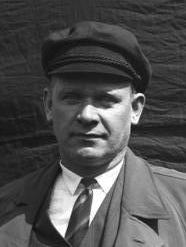
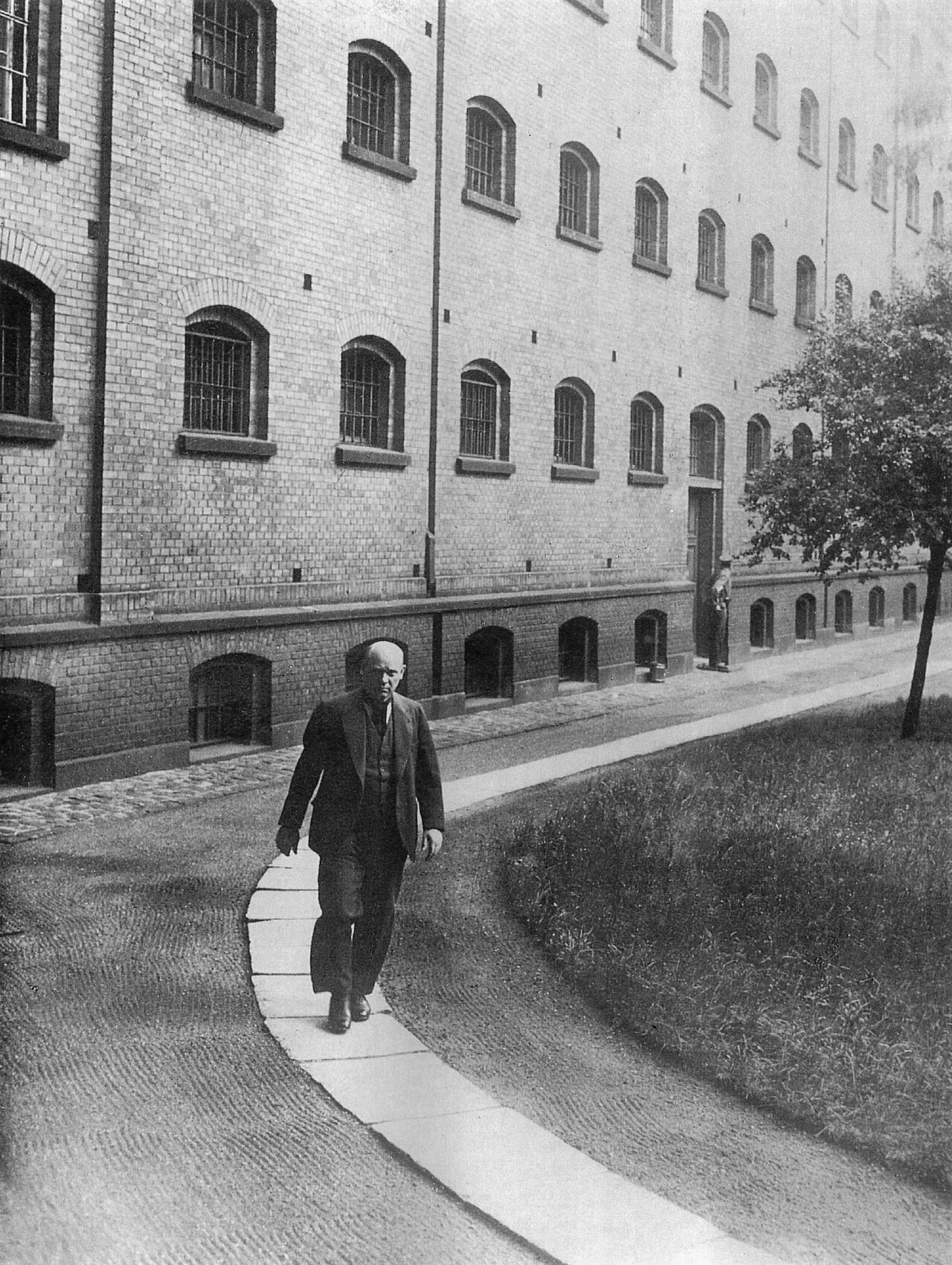
Ernst Thälmann as Presidential Candidate, 1932
Unknown · 1932
 Photograph
Primary source
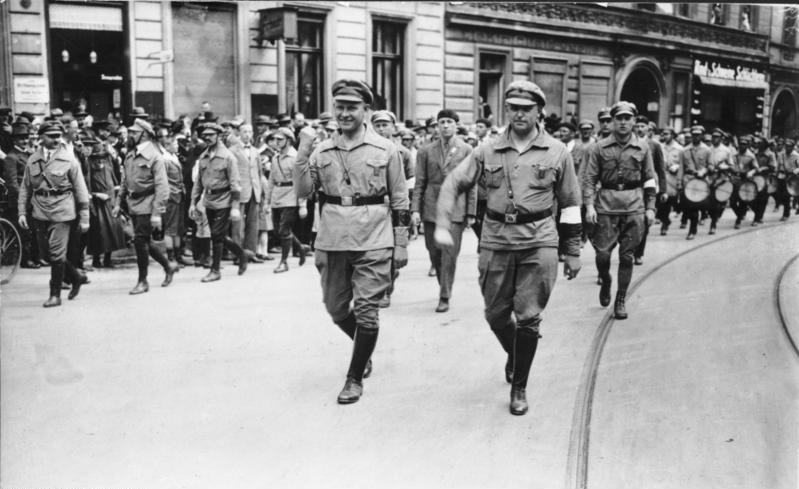
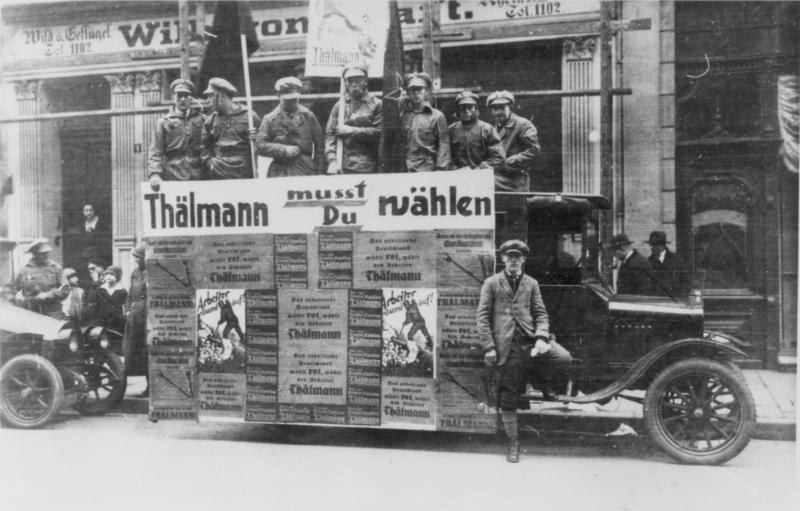
Roter Frontkämpferbund Rally, Berlin 1927
Unknown · 1927
Free account
Read every Ernst Thälmann source
Sign up free →
Ready when you are
Start chatting with Ernst Thälmann now.
20 messages free · No credit card · Available in 50+ languages.