


Primary sourceArtifact1940
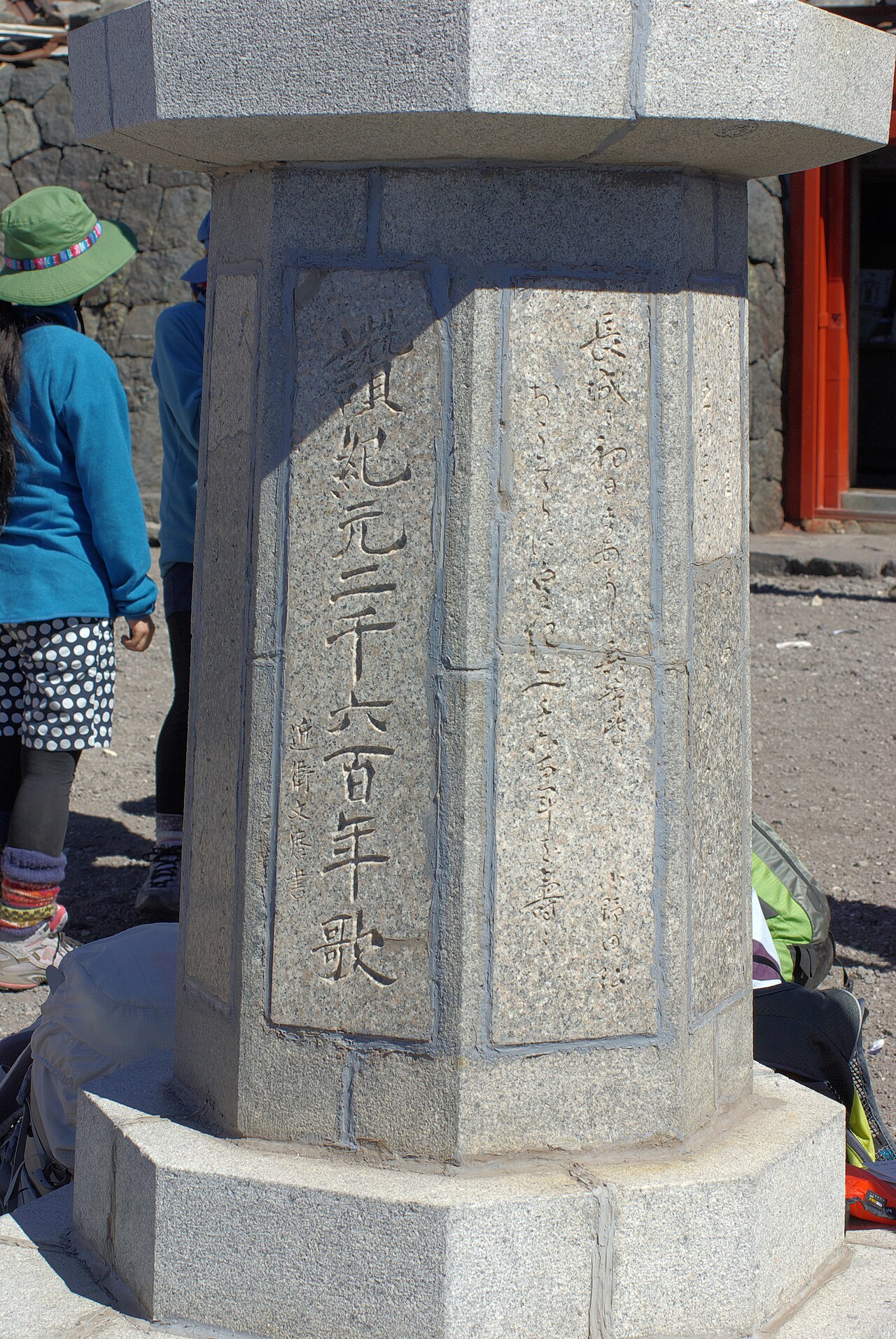
Stone lantern carved with Konoe's calligraphy, Mount Fuji
Nagoya Tarō (carver), calligraphy by Fumimaro Konoe · 1940
A stone lantern at the summit of Mount Fuji carved with Konoe's calligraphy for the 1940 celebration of the 2,600th year of the imperial dynasty.
Konoe composed the calligraphy carved into this monument, linking him directly to imperial nationalist ritual in 1940.
About this source
What it is
A grey granite stone lantern standing at the summit of Mount Fuji, carved by the stonemason Nagoya Tarō with calligraphy composed by Fumimaro Konoe. The carved characters read a poem marking the 2,600th year of the imperial dynasty, celebrated in 1940.
Why it matters
The 2,600th anniversary celebration was a major nationalist event promoting reverence for the emperor and Japan's imperial mythology. Konoe's calligraphy on this monument, placed on the nation's most sacred mountain, shows his close association with imperial nationalist ritual and ideology as prime minister at the time.
Look closer
- Why might a political leader's words be placed on a monument at the summit of a sacred mountain?
- What does the choice of location tell you about the importance given to this anniversary?
- What does this object not tell you about how ordinary Japanese people experienced this nationalist celebration?
This artifact is part of the curated material that grounds the AI version of Fumimaro Konoe on Humy.ai — when students ask about related events, the AI can quote it and cite it.
More Fumimaro Konoe sources
Browse all 83 →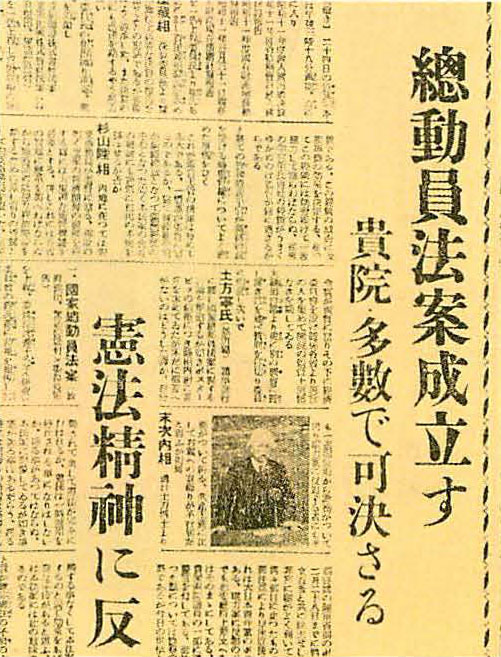 Document
Primary source
National Mobilization Law
1938
 Document
Primary source
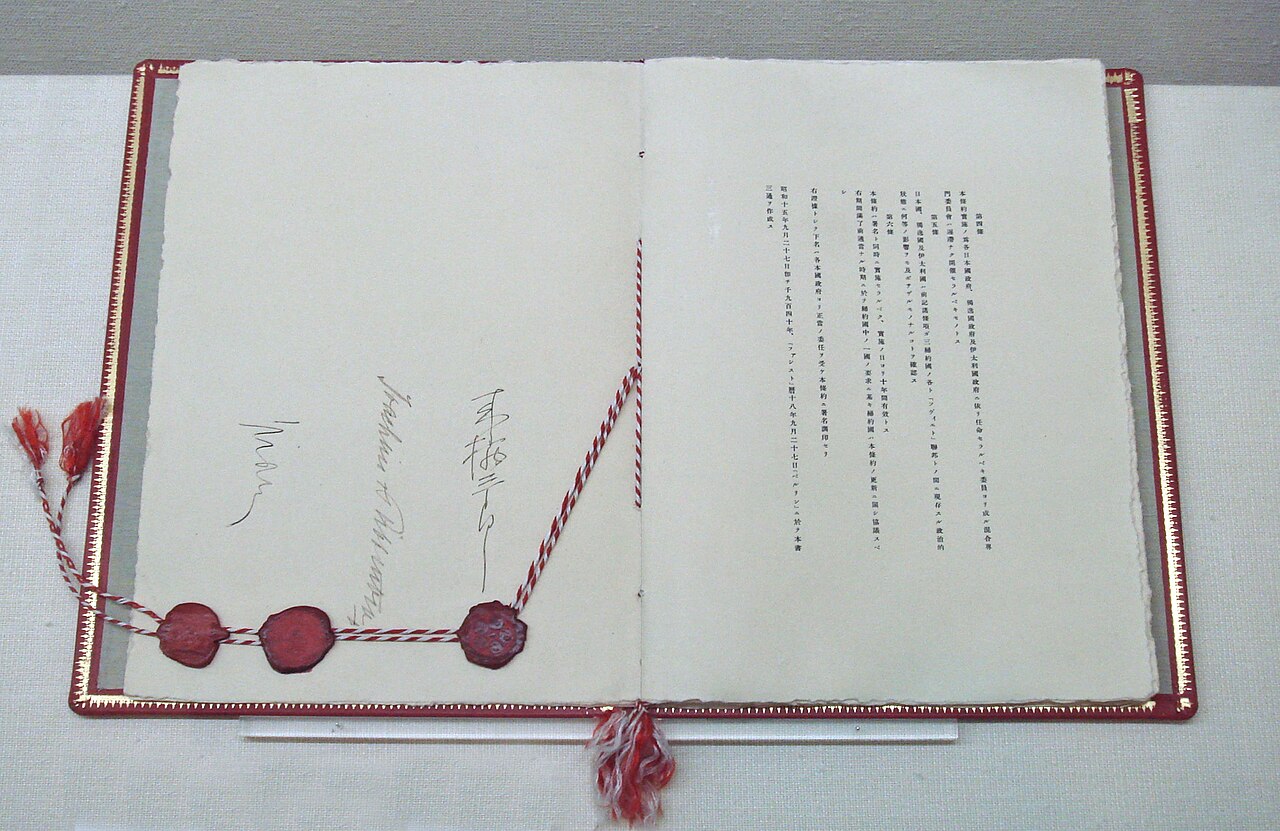
Tripartite Pact
27 September 1940
 Photograph
Primary source
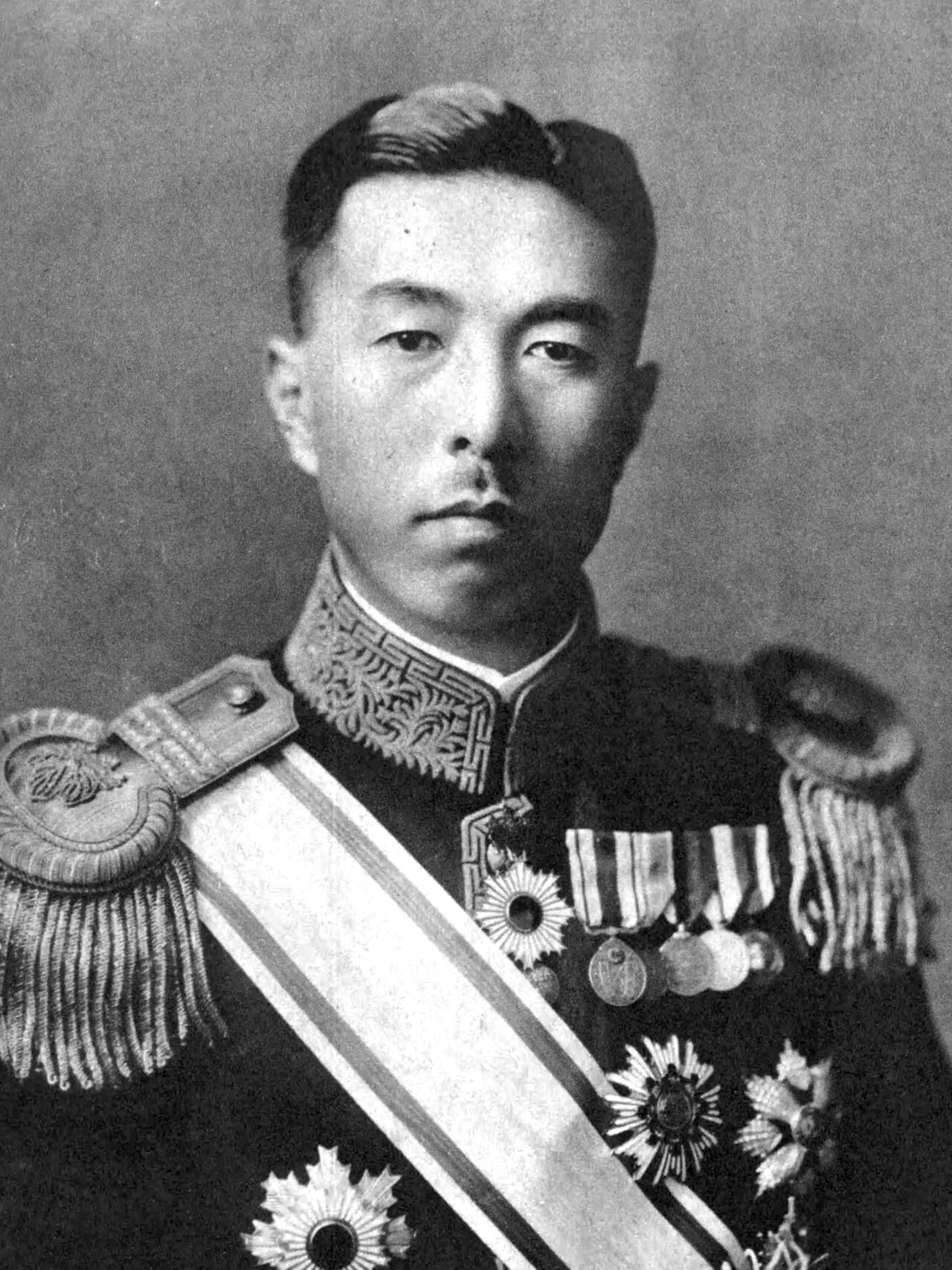
Fumimaro Konoe (cropped)
Cabinet Information Bureau
 Photograph
Primary source
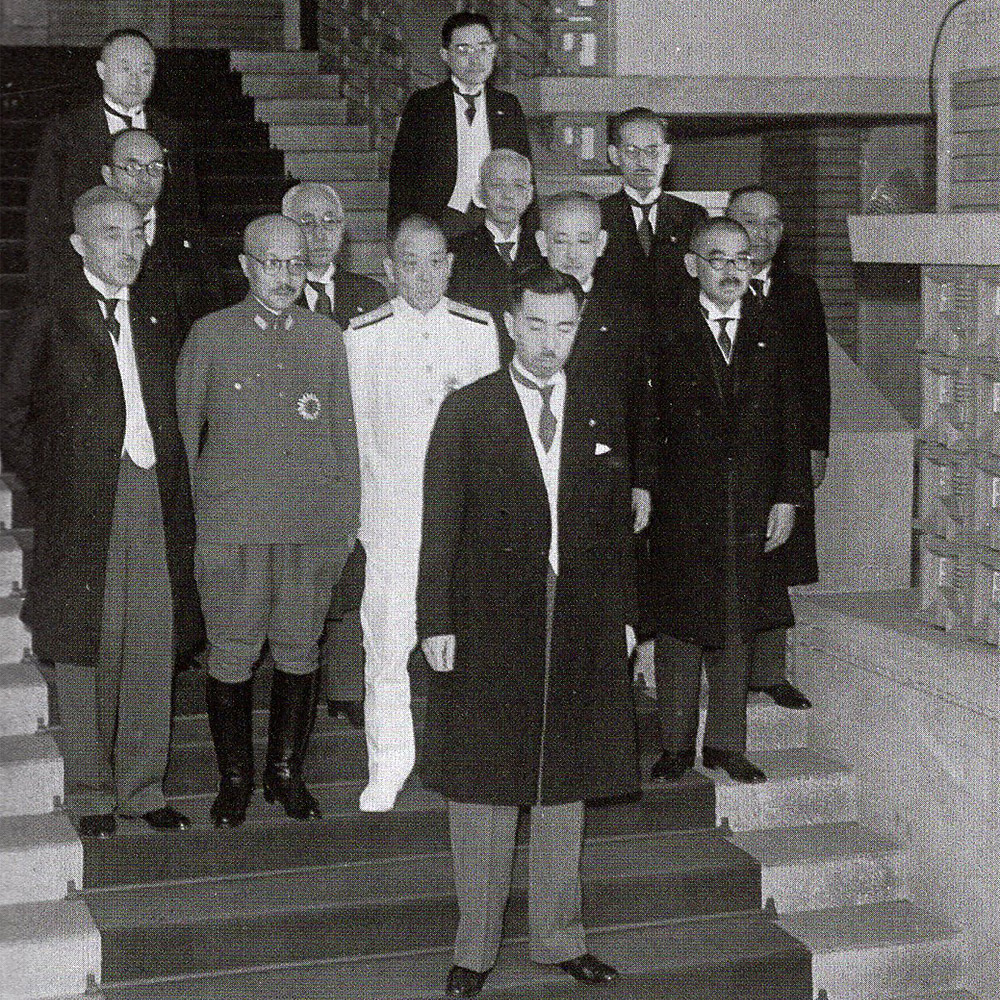
Fumimaro Konoe Cabinet, 22 July 1940
Mainichi Shimbun · 22 July 1940
Free account
Read every Fumimaro Konoe source
Sign up free →
Ready when you are
Start chatting with Fumimaro Konoe now.
20 messages free · No credit card · Available in 50+ languages.