


Secondary sourceDocument2015 (depicting 1910 work)
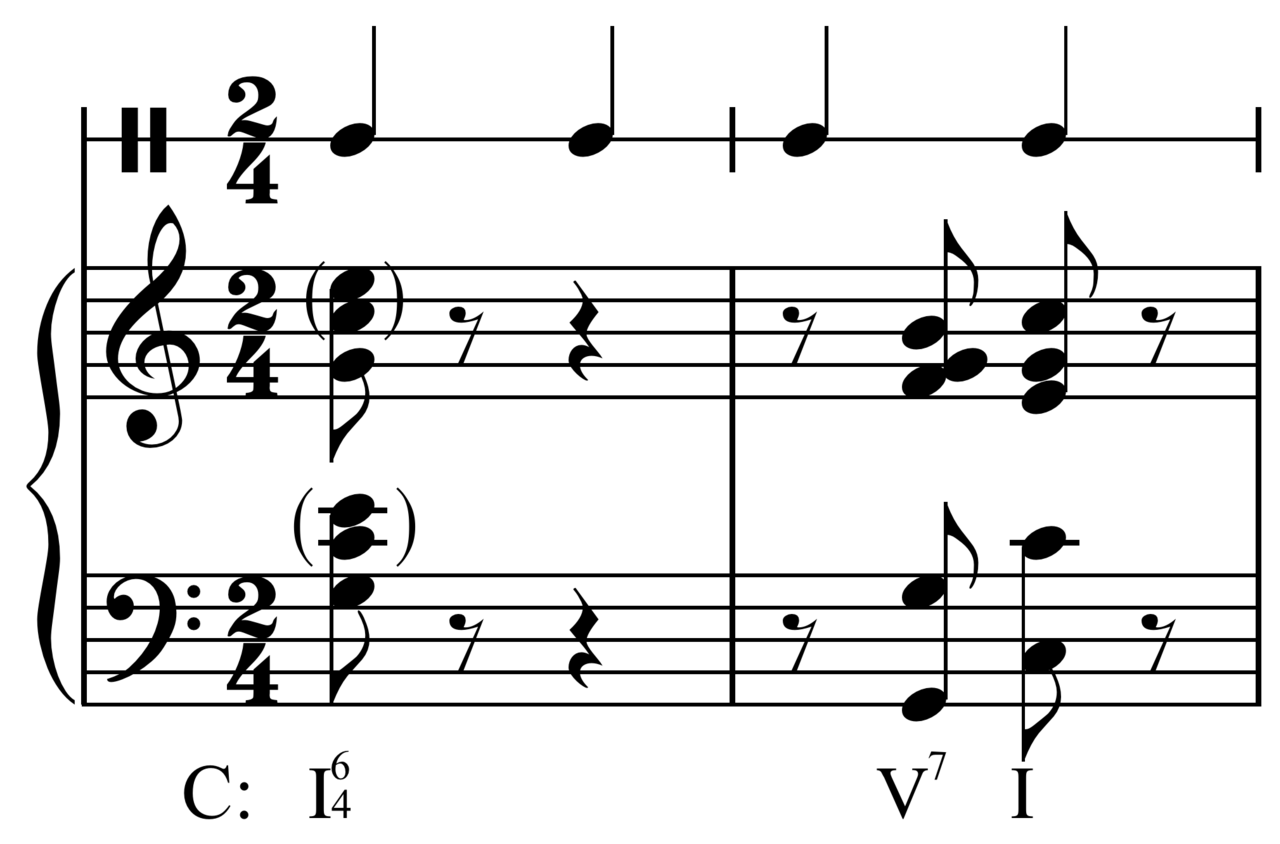
Stop-time in Joplin's Stoptime Rag, explanatory image
2015 (depicting 1910 work)
A modern diagram explaining the stop-time rhythm technique used in Joplin's 1910 piece Stoptime Rag.
This modern diagram studies a rhythmic technique found in Joplin's 1910 composition Stoptime Rag.
About this source
What it is
This is a modern explanatory musical diagram showing a short excerpt from Scott Joplin's 1910 composition Stoptime Rag. It highlights the stop-time technique, where the piano stops and percussive hits mark certain beats.
Why it matters
Stop-time was a rhythmic device used in ragtime and later jazz, where the regular flow of music pauses for emphasis. This diagram was created later to help students understand how Joplin used the technique in his composition.
Look closer
- What do the symbols on the drum-clef staff tell you about where the stops happen?
- Why might a teacher use a diagram like this instead of just playing the recording?
- How does stop-time change the feel of the music compared to a steady rhythm?
This document is part of the curated material that grounds the AI version of Scott Joplin on Humy.ai — when students ask about related events, the AI can quote it and cite it.
More Scott Joplin sources
Meet the AI Scott Joplin →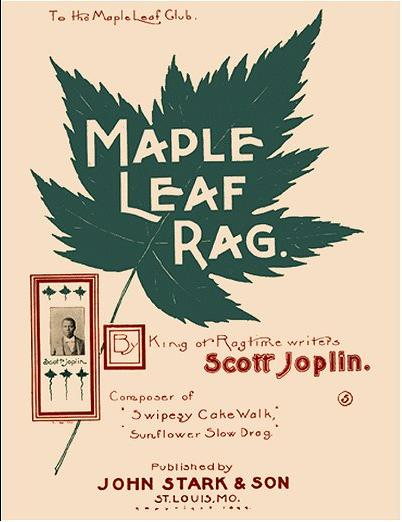 Document
Primary source
Maple Leaf Rag
Scott Joplin · 1897 (published 1899)
 Document
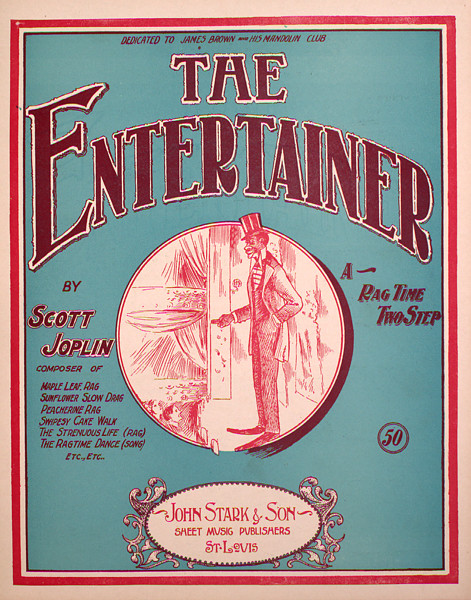
Primary source
The Entertainer
Scott Joplin · 1902
 Document
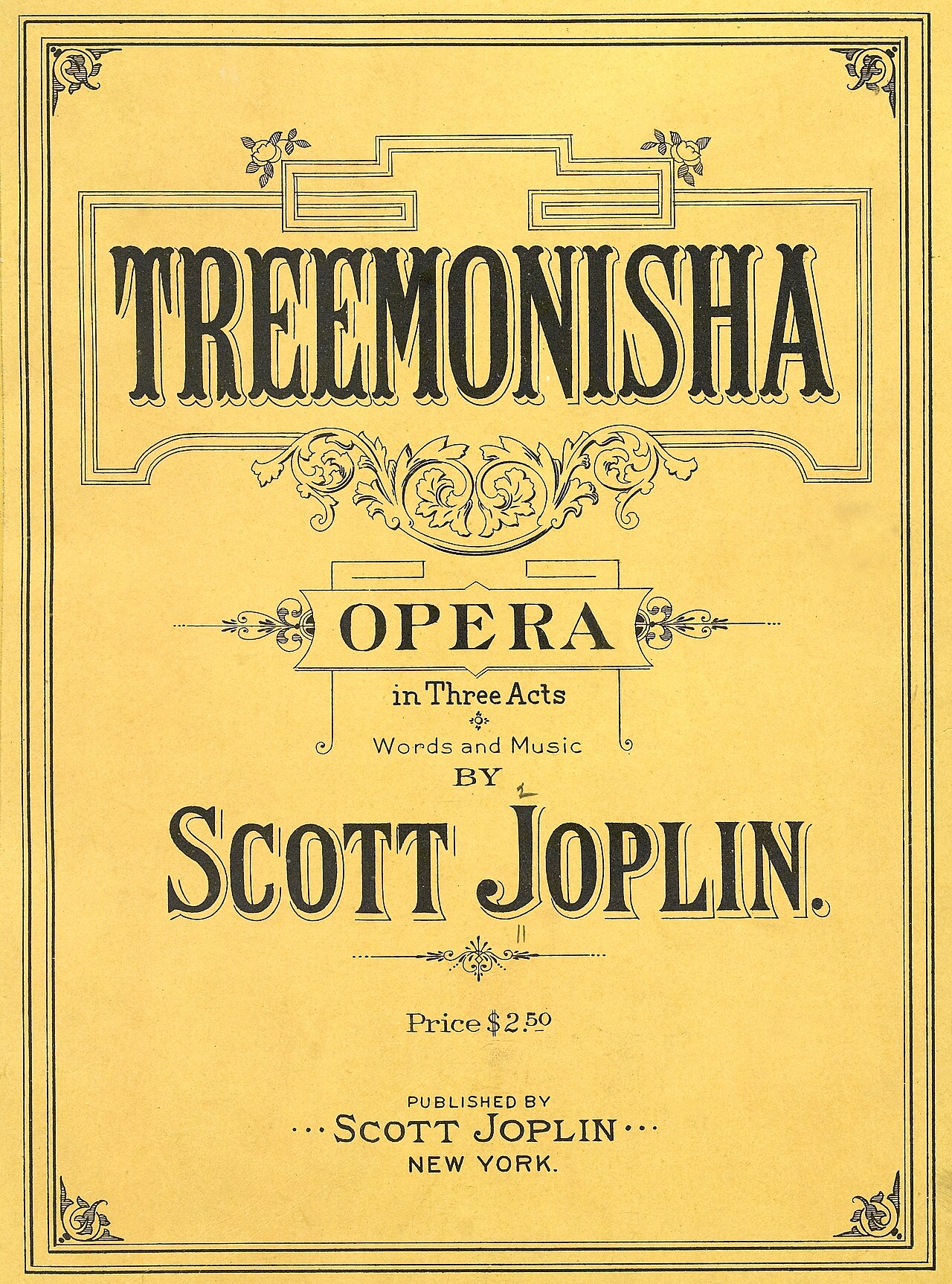
Primary source
Treemonisha
Scott Joplin · 1910 (published 1911)
 Photograph
Primary source
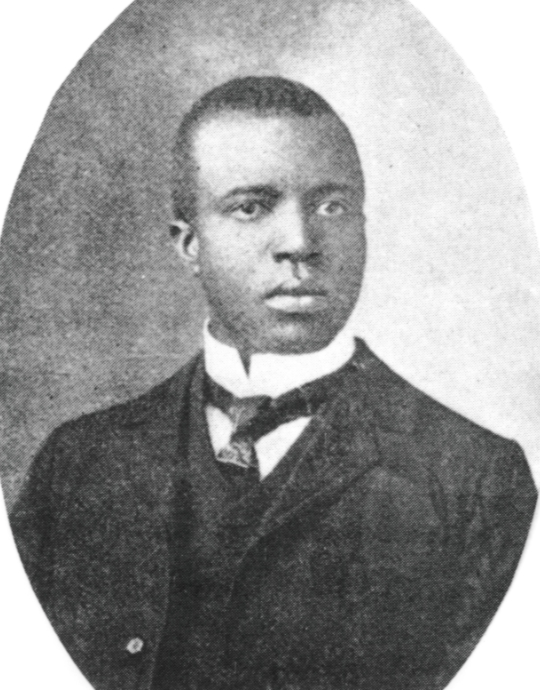
Scott Joplin
Unknown · c. 1903
Primary source
Maple Leaf Rag Piano Roll Performed by Scott Joplin
Scott Joplin · 1916
Ready when you are
Start chatting with Scott Joplin now.
20 messages free · No credit card · Available in 50+ languages.