


Primary sourceDocument1939
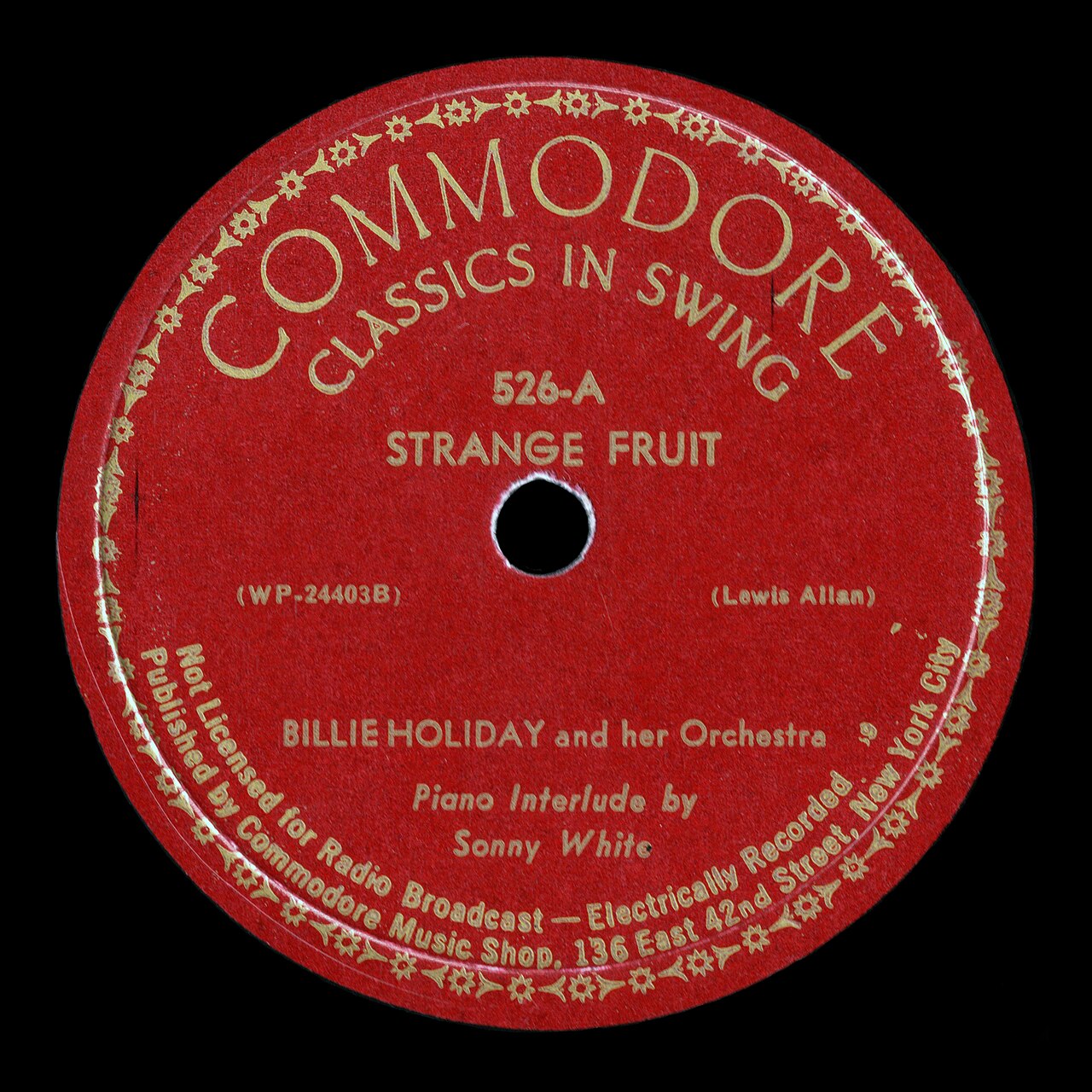
Strange Fruit
Abel Meeropol · 1939
Billie Holiday's 1939 recording of Abel Meeropol's anti-lynching song, which became her signature protest performance.
Holiday's 1939 recording of this anti-lynching song made her a central voice of early civil-rights protest.
About this source
What it is
"Strange Fruit" began as a poem by Abel Meeropol, published in 1937, protesting the lynching of African Americans. Meeropol set it to music himself. Billie Holiday first performed it at Café Society in New York in 1939 and recorded it that year with Frankie Newton's band for the Commodore label, after Columbia refused due to fears of backlash.
Why it matters
The song compares lynching victims to fruit hanging from trees, confronting listeners with the violence of racial terror in the American South. Holiday made the song inseparable from her own identity as a performer, closing her shows with it under a single spotlight. It has since been called one of the earliest widely heard protest songs and was preserved by the Library of Congress for its cultural importance.
Look closer
- Why might a record label have refused to release this song in 1939?
- What effect does Holiday's performance style—darkness, silence, no encore—add to the song's meaning?
- Why do you think Holiday connected the song's imagery to her own father?
This document is part of the curated material that grounds the AI version of Billie Holiday on Humy.ai — when students ask about related events, the AI can quote it and cite it.
More Billie Holiday sources
Meet the AI Billie Holiday →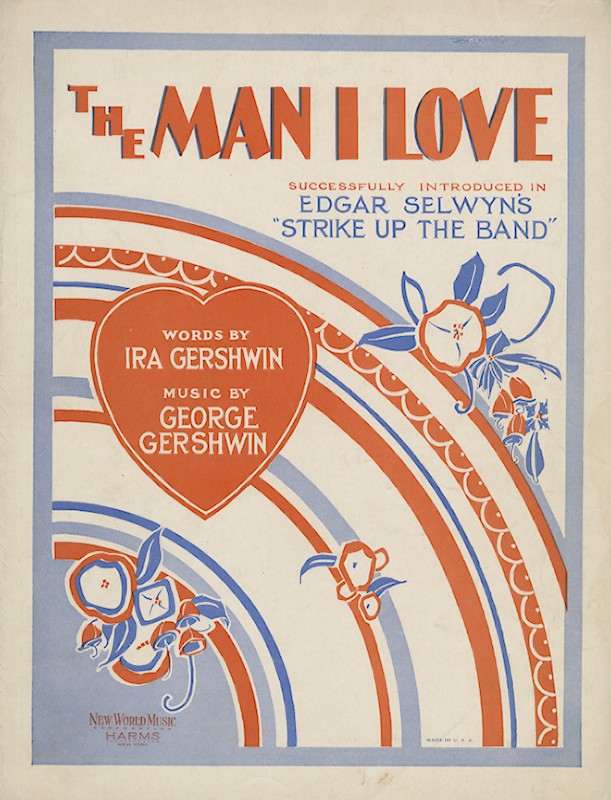 Artifact
Primary source
The Man I Love
George Gershwin · 1924
 Photograph
Primary source
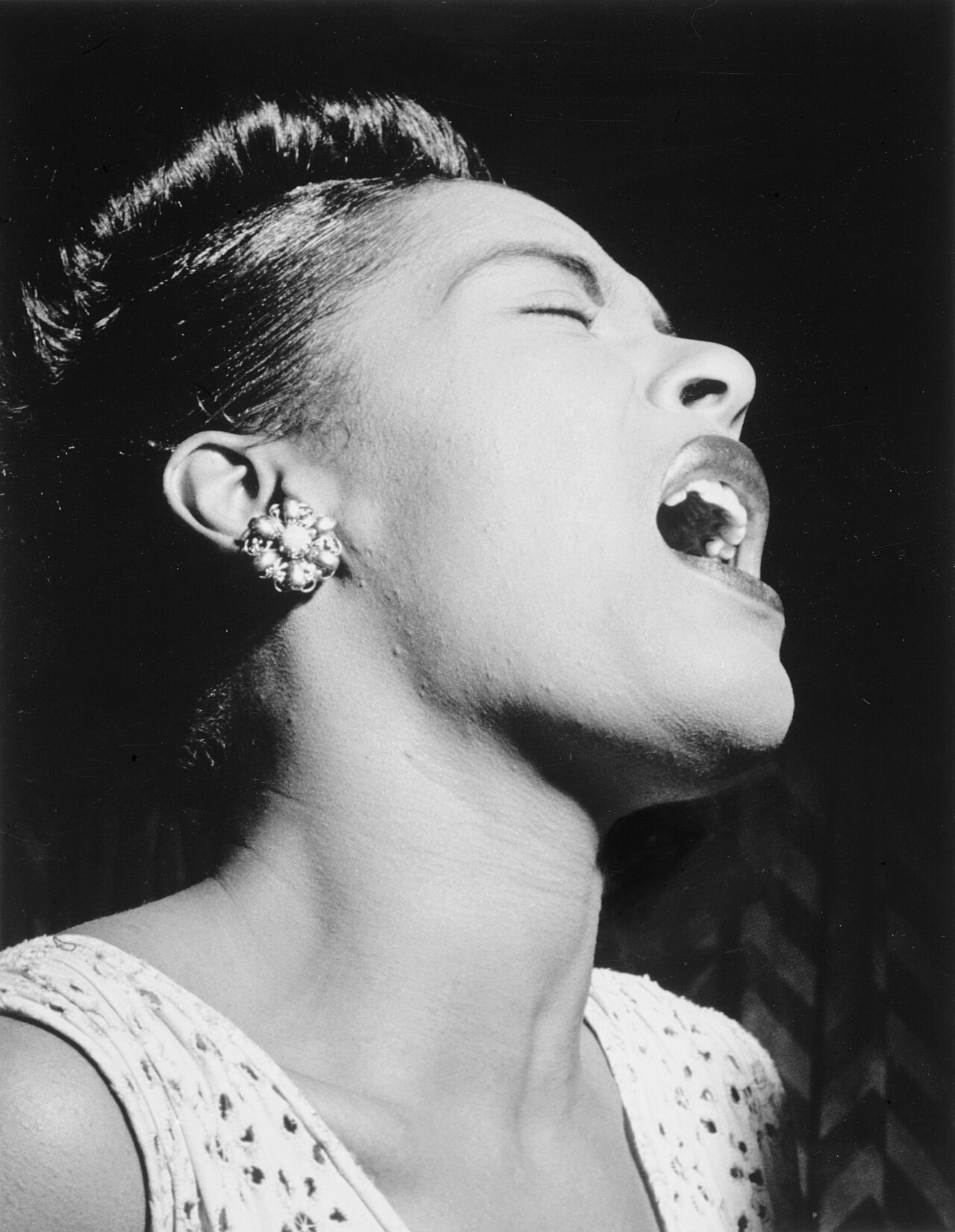
Billie Holiday at the Downbeat Club
William P. Gottlieb
 Photograph
Primary source
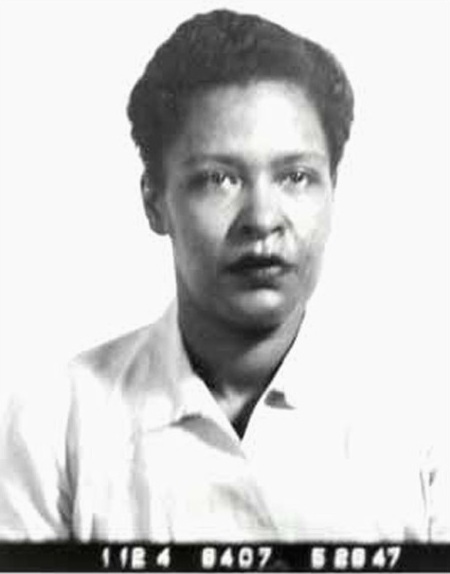
Billie Holiday Mug Shot
Federal Bureau of Prisons · 1947
 Photograph
Primary source
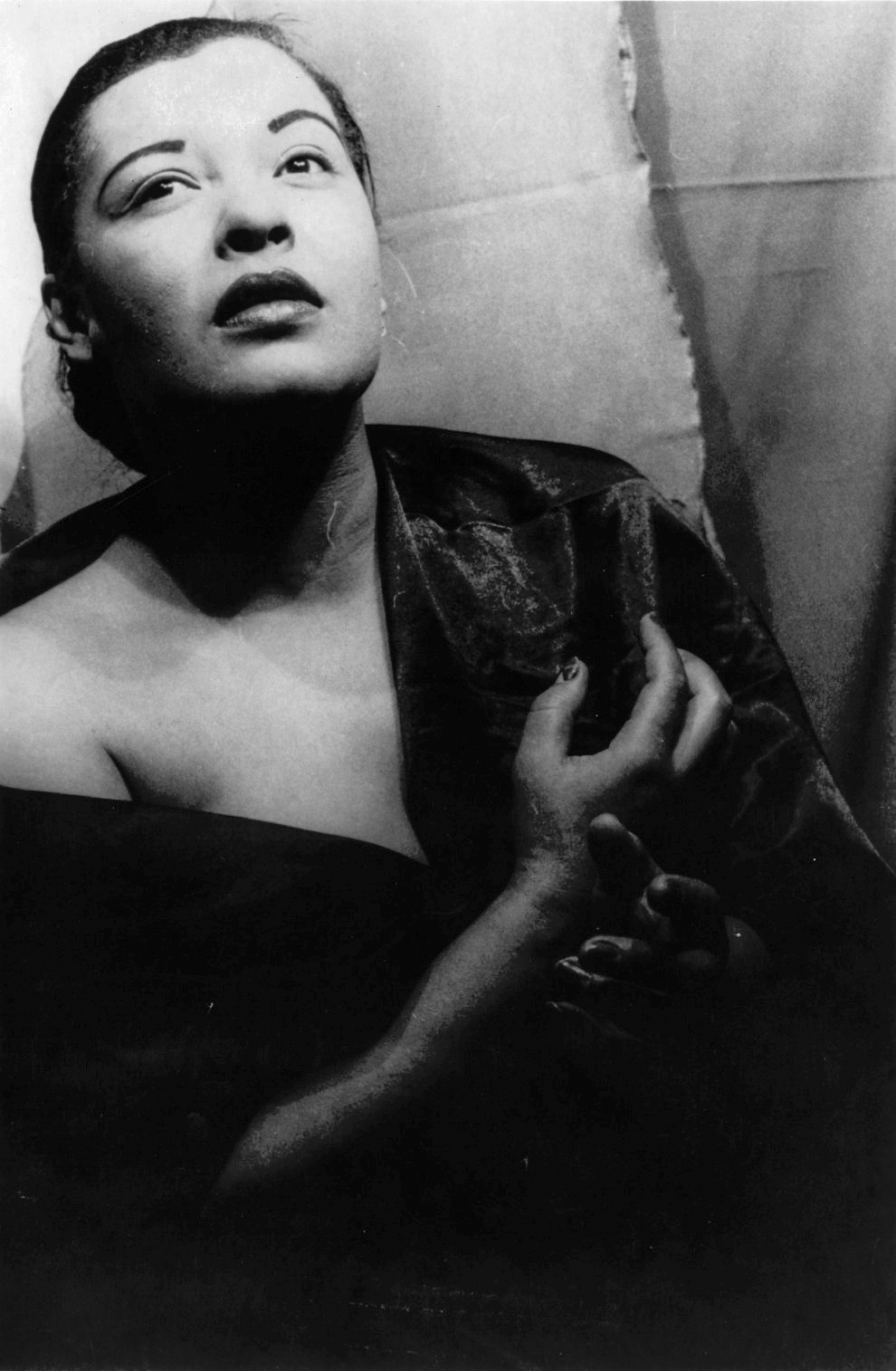
Billie Holiday, 1949
Carl Van Vechten · 23 March 1949
 Photograph
Primary source
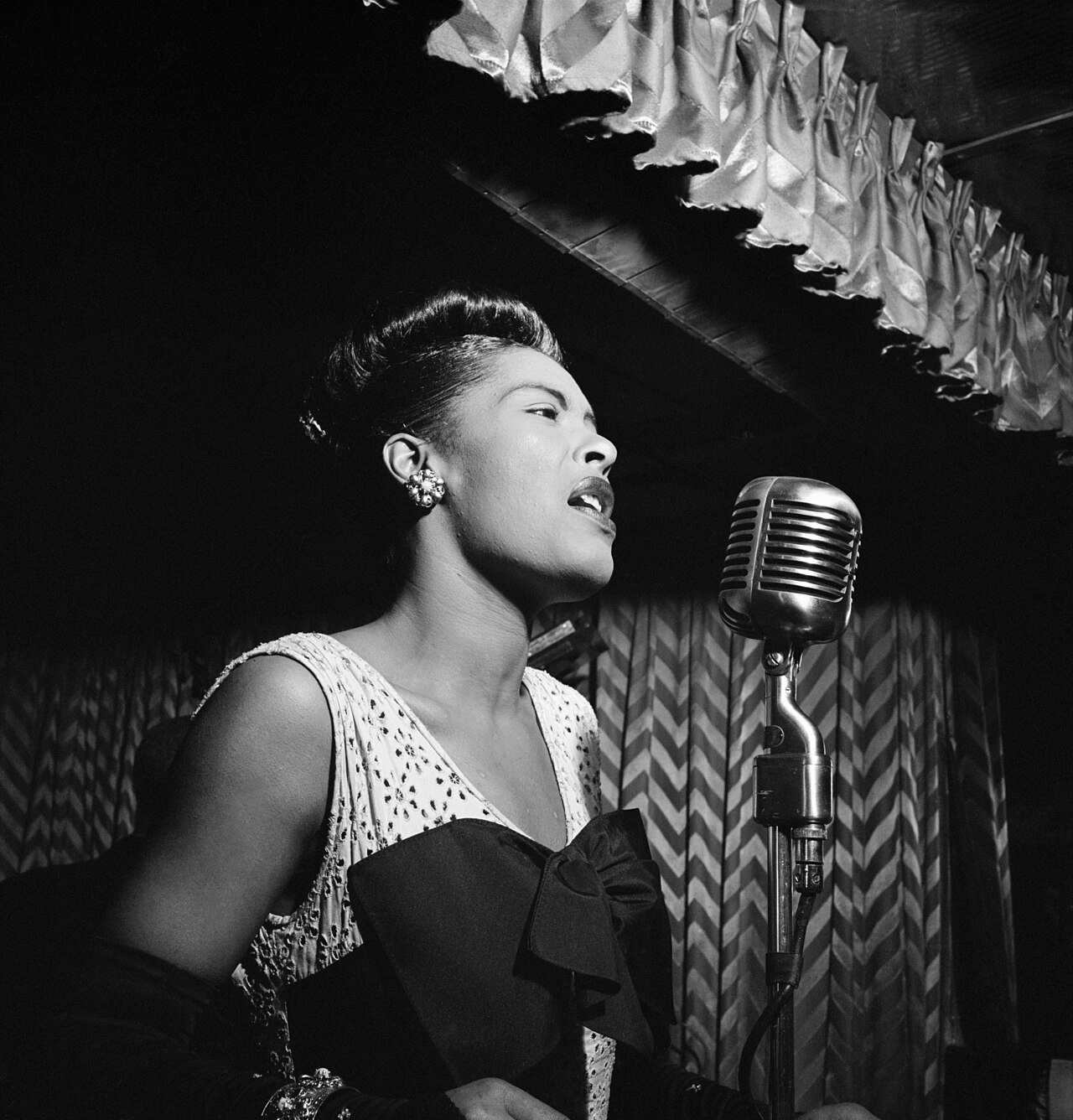
Billie Holiday, Downbeat, New York, ca. Feb. 1947
William P. Gottlieb · c. February 1947
Ready when you are
Start chatting with Billie Holiday now.
20 messages free · No credit card · Available in 50+ languages.