


Primary sourceArtifact
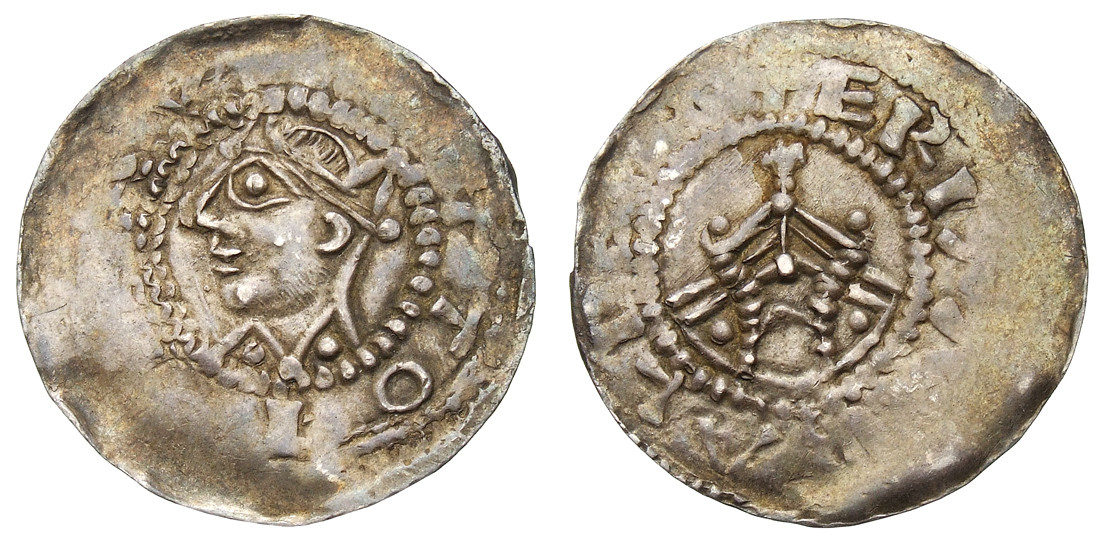
Strasbourg Pfennig of Otto I and Bishop Erkanbald
A coin naming both Otto I and Bishop Erkanbald, showing shared minting rights between king and Church.
This coin, naming Otto alongside Bishop Erkanbald, shows how Otto shared minting rights with Church leaders.
About this source
What it is
This is a silver pfennig, a type called a bracteate, struck at Strasbourg naming both Otto I and Bishop Erkanbald. One side shows a crowned head, the other an architectural motif.
Why it matters
Minting rights were often shared between kings and bishops in the Ottonian system of government. This coin, naming both Otto and a bishop, shows how Otto relied on Church leaders to help run his kingdom and how religious and royal authority appeared together on everyday objects.
Look closer
- Why might a coin carry the names of both a king and a bishop?
- What does the crowned head on the coin suggest about how rulers wanted to be seen?
- What does this partnership between Church and crown tell you about how Otto's kingdom was organised?
This artifact is part of the curated material that grounds the AI version of Otto I the Great on Humy.ai — when students ask about related events, the AI can quote it and cite it.
More Otto I the Great sources
Browse all 95 →Primary source
Res gestae saxonicae sive annalium libri tres
Widukind of Corvey · c. 960-973
 Artifact
Primary source
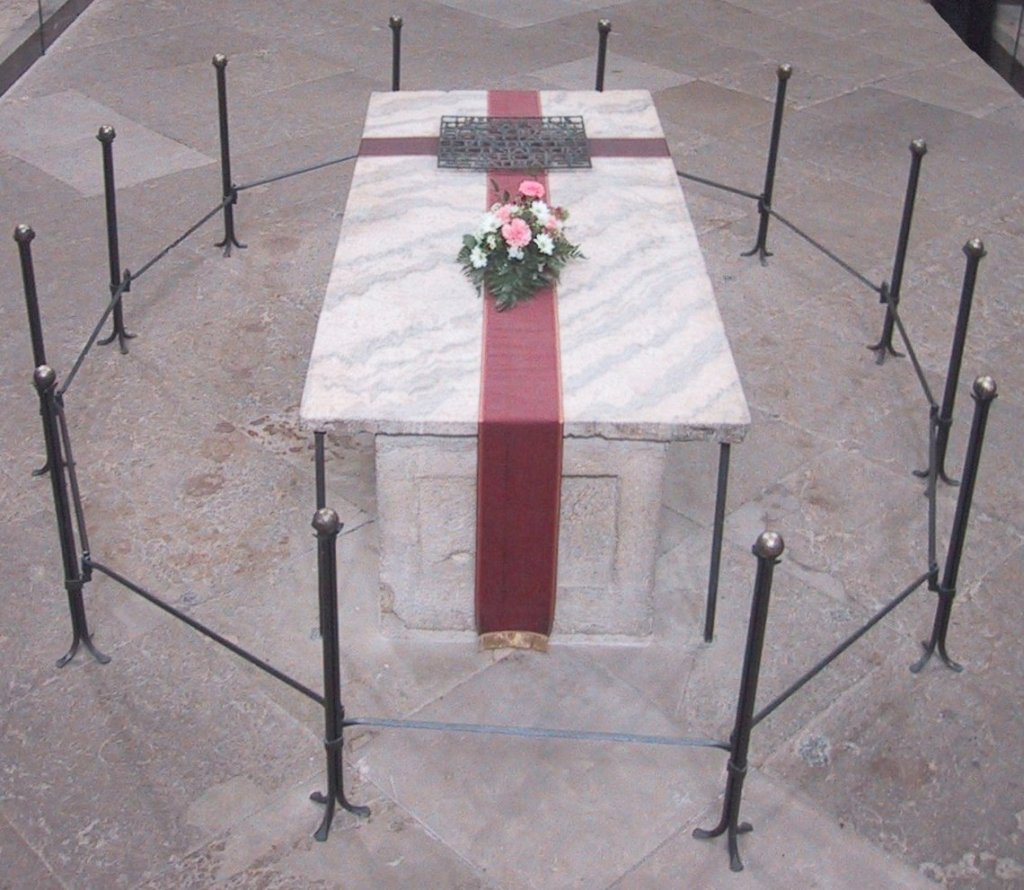
Tomb of Otto I, Holy Roman Emperor
973
 Letter
Primary source
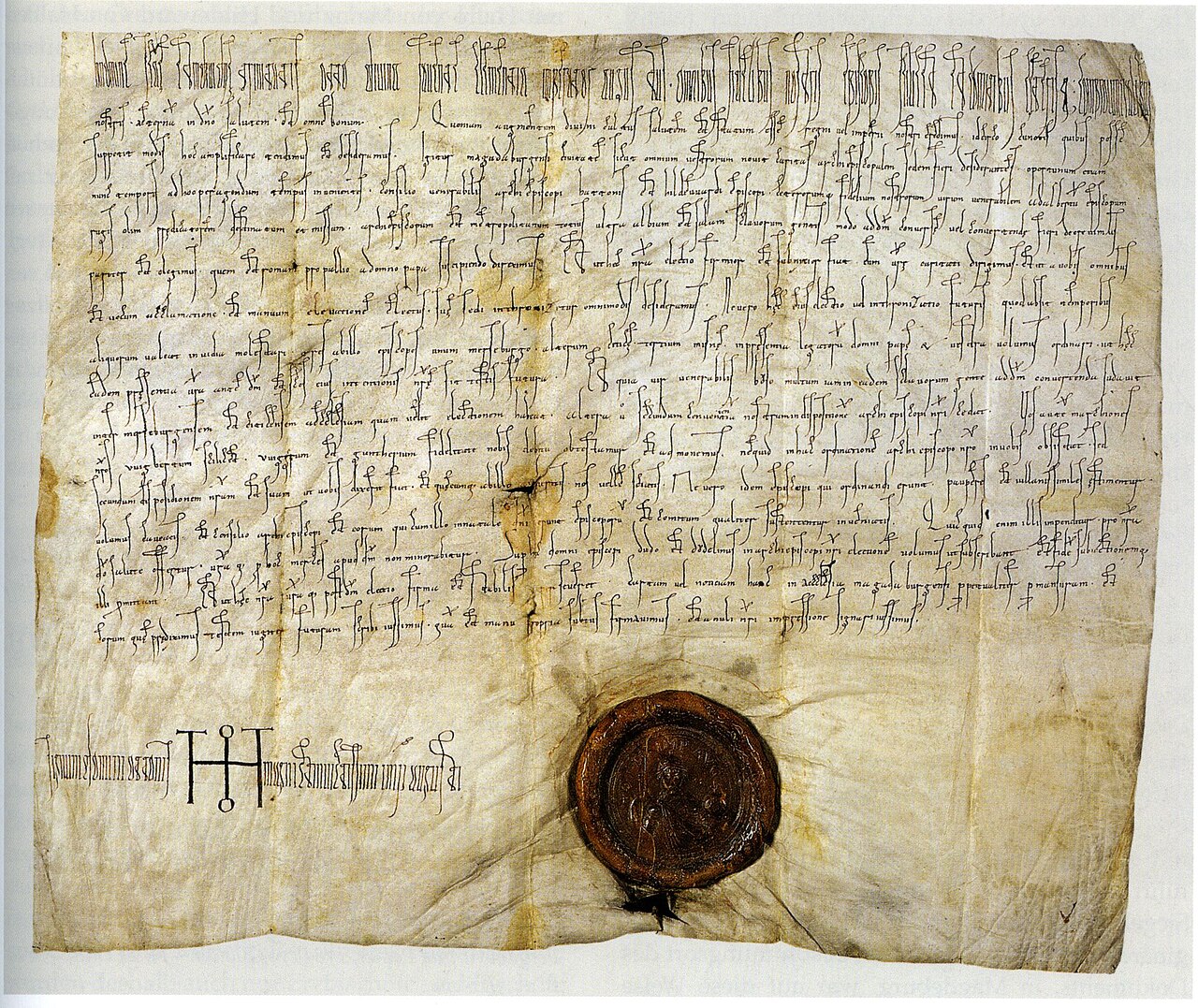
Letter announcing the Archbishopric of Magdeburg
Otto I the Great · 968
Primary source
Carmen de gestis Ottonis I. imperatoris
Hrotsvitha · c. 950

Free account
Read every Otto I the Great source
Sign up free →
Ready when you are
Start chatting with Otto I the Great now.
20 messages free · No credit card · Available in 50+ languages.