


Primary sourceBook1891 (translation)
Studies in Pessimism
Arthur Schopenhauer · 1891 (translation)
A collection of Schopenhauer's essays on suffering and pessimism, translated into English by T. Bailey Saunders in 1891.
A primary collection of Schopenhauer's own essays, translated into English, expressing his philosophy of pessimism.
Free Humy account · No credit card · 120,912 sources to read
About this source
What it is
This is a collection of essays written by Arthur Schopenhauer, translated into English by T. Bailey Saunders and published in 1891. It includes his essay on the sufferings of the world.
Why it matters
These essays present Schopenhauer's pessimistic view that suffering, not happiness, is the basic condition of life. They show his direct arguments against philosophers like Leibniz, who treated evil as merely an absence of good, and reveal the core of his worldview in accessible form.
Look closer
- What reasons does Schopenhauer give for calling pain, rather than pleasure, the more powerful force in life?
- Why might he single out Leibniz's ideas to argue against?
- How does translating a philosopher's work change how later readers understand their original ideas?
This book is part of the curated material that grounds the AI version of Arthur Schopenhauer on Humy.ai — when students ask about related events, the AI can quote it and cite it.
More Arthur Schopenhauer sources
Browse all 94 →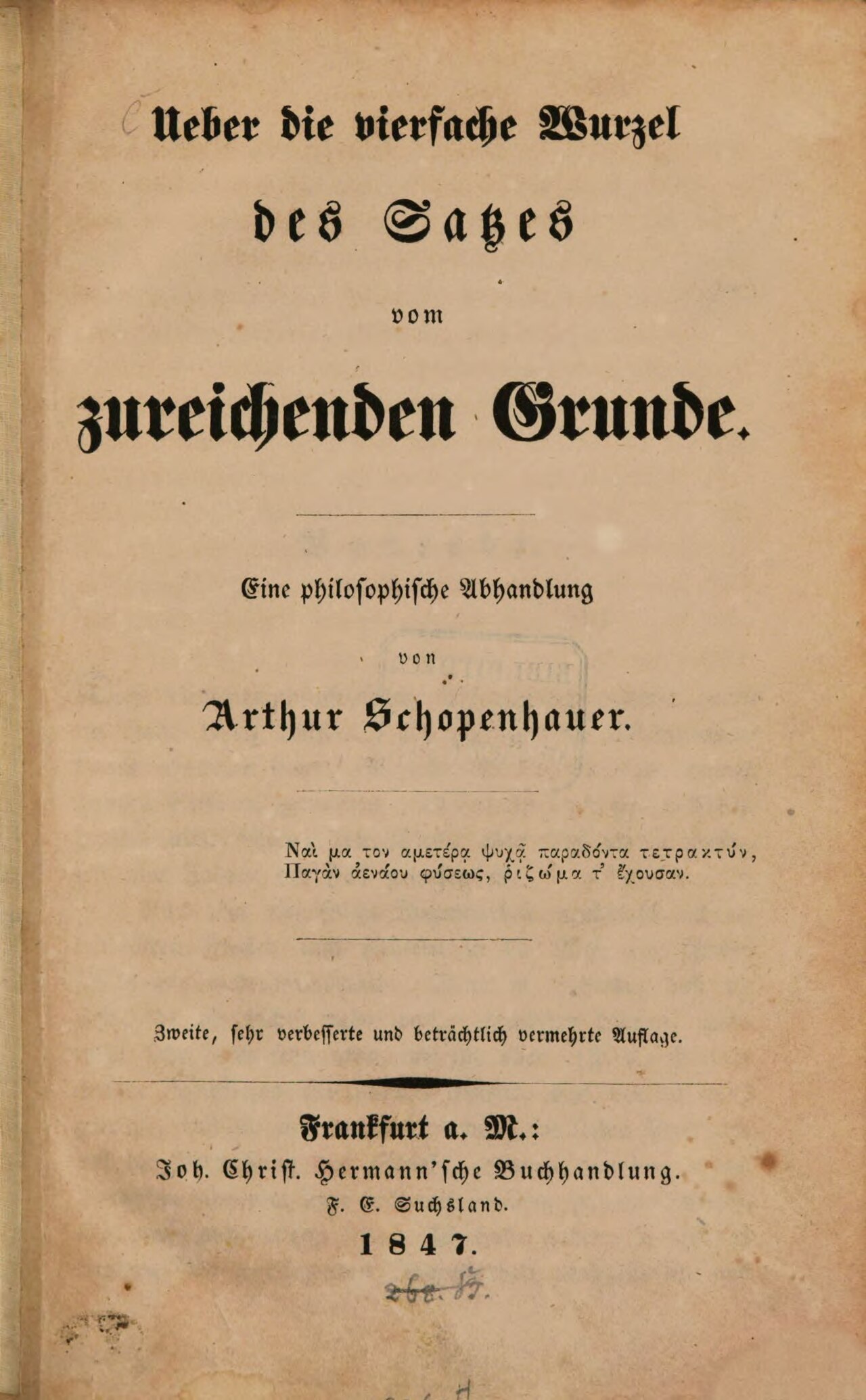 Book
Primary source
On the Fourfold Root of the Principle of Sufficient Reason
Arthur Schopenhauer · 1813, revised 1847
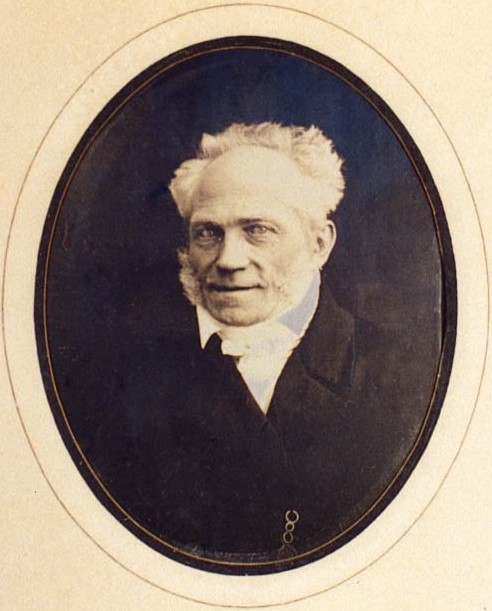
 Photograph
Primary source
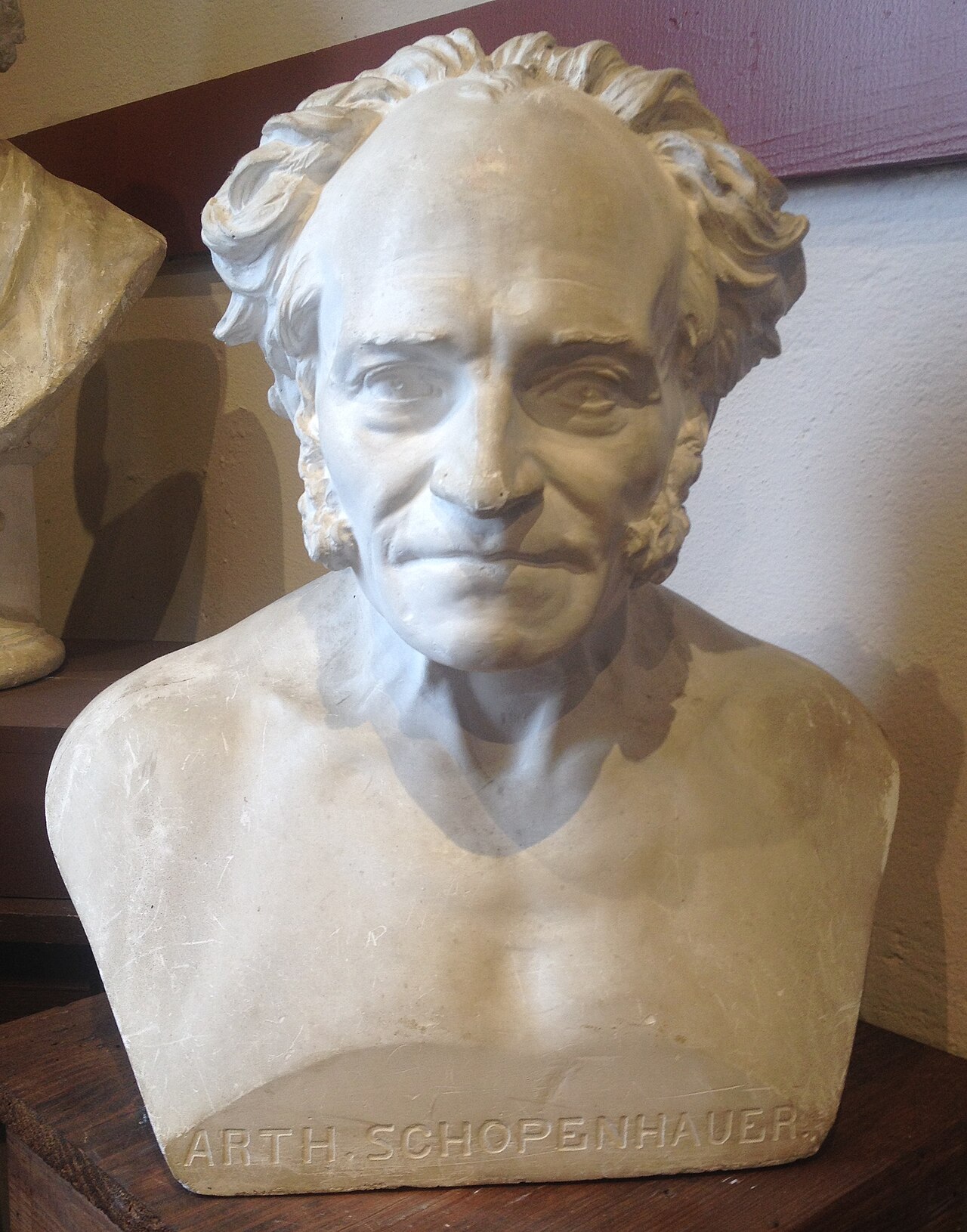
Portrait of Arthur Schopenhauer
Johann Schäfer · 1859
 Painting
Primary source
Arthur Schopenhauer Portrait by Ludwig Sigismund Ruhl
Ludwig Sigismund Ruhl · 1815
Primary source
On the Basis of Morality
Arthur Schopenhauer · 1839, published 1840/41

Free account
Read every Arthur Schopenhauer source
Sign up free →
Ready when you are
Start chatting with Arthur Schopenhauer now.
20 messages free · No credit card · Available in 50+ languages.