


Primary sourceDocument1950
Subversive Activities Control Act of 1950
81st United States Congress · 1950
The full text of the 1950 Internal Security Act, also known as the McCarran Act, signed as Speaker of the House by Sam Rayburn.
Bears Rayburn's signature as Speaker of the House, showing his formal role in enacting this Cold War-era security law.
About this source
What it is
The text of an act passed by the 81st United States Congress in 1950, officially titled the Internal Security Act of 1950, with its Title I known as the Subversive Activities Control Act. It required registration of Communist organizations and included measures such as the authority to suspend habeas corpus in certain circumstances. The act bears the signatures of Sam Rayburn as Speaker of the House and Alben W. Barkley as Vice President.
Why it matters
Passed during the early Cold War, this law reflects the intense American fear of communism in the period and shows Congress using its power to restrict civil liberties in the name of national security. As Speaker, Rayburn's signature on the act shows his formal role in moving major, controversial legislation through the House during a tense period in American history.
Look closer
- Why might Congress have felt it necessary to pass a law like this in 1950?
- What does the act's language about registration and habeas corpus suggest about the balance between security and individual freedom?
- Whose voices are missing from this official legal text, and what might they have said about the law's effects?
This document is part of the curated material that grounds the AI version of Sam Rayburn on Humy.ai — when students ask about related events, the AI can quote it and cite it.
More Sam Rayburn sources
Meet the AI Sam Rayburn →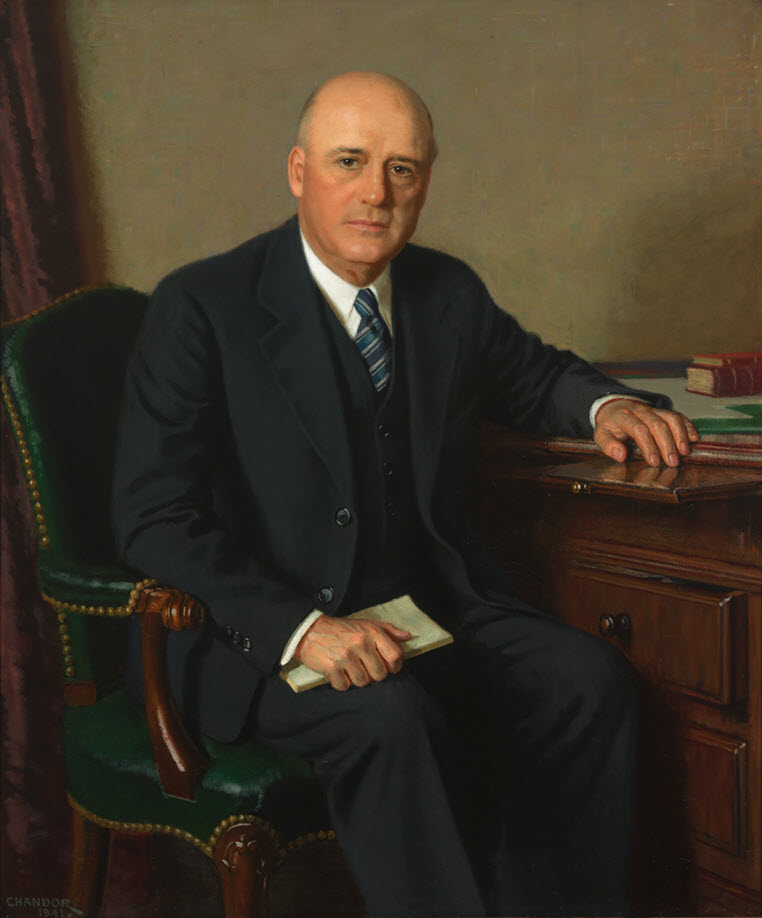 Painting
Primary source
Samuel Taliaferro Rayburn
Douglas Chandor · 1942
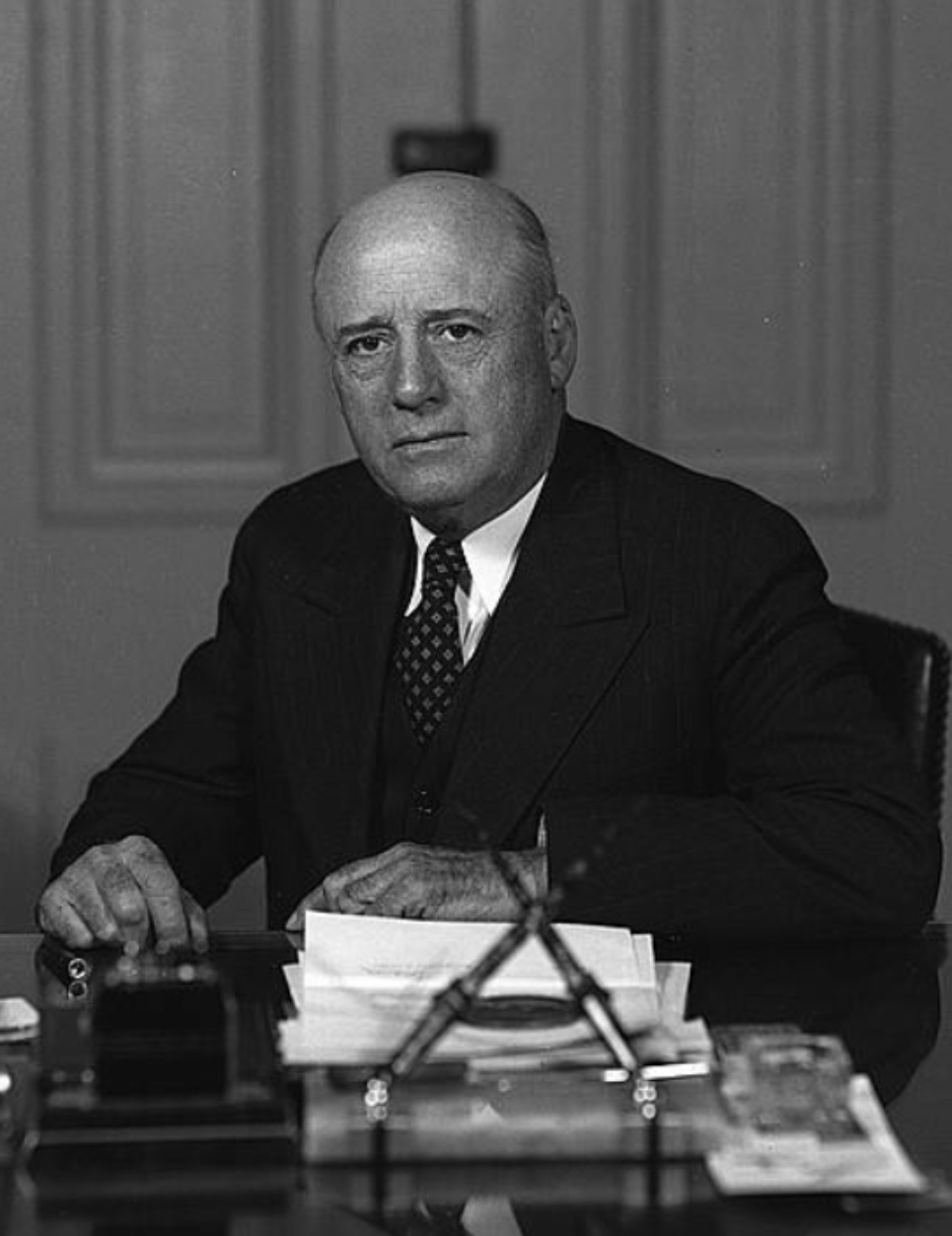 Photograph
Primary source
Portrait of Sam Rayburn
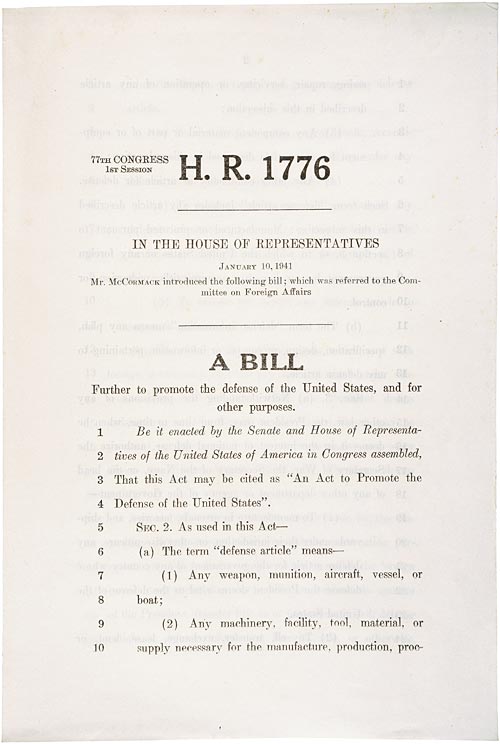 Document
Primary source
Lend-Lease Act
United States Congress · 10 January 1941 (bill); enacted 11 March 1941
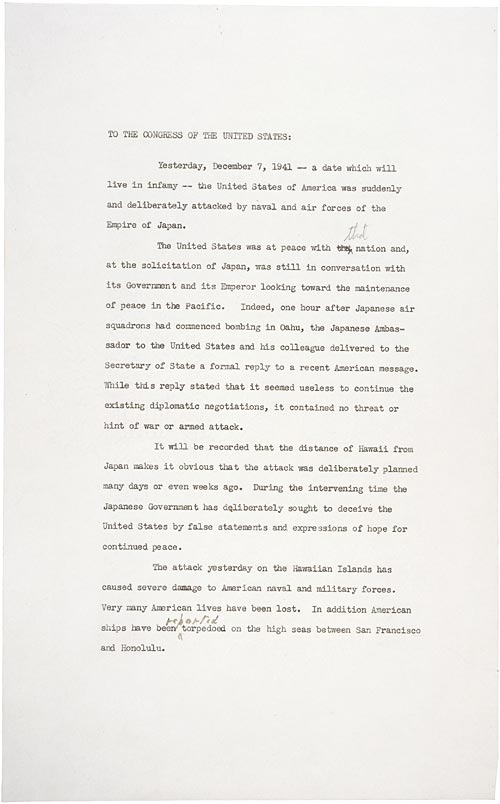 Speech
Primary source
Day of Infamy Speech
Franklin Delano Roosevelt · 8 December 1941
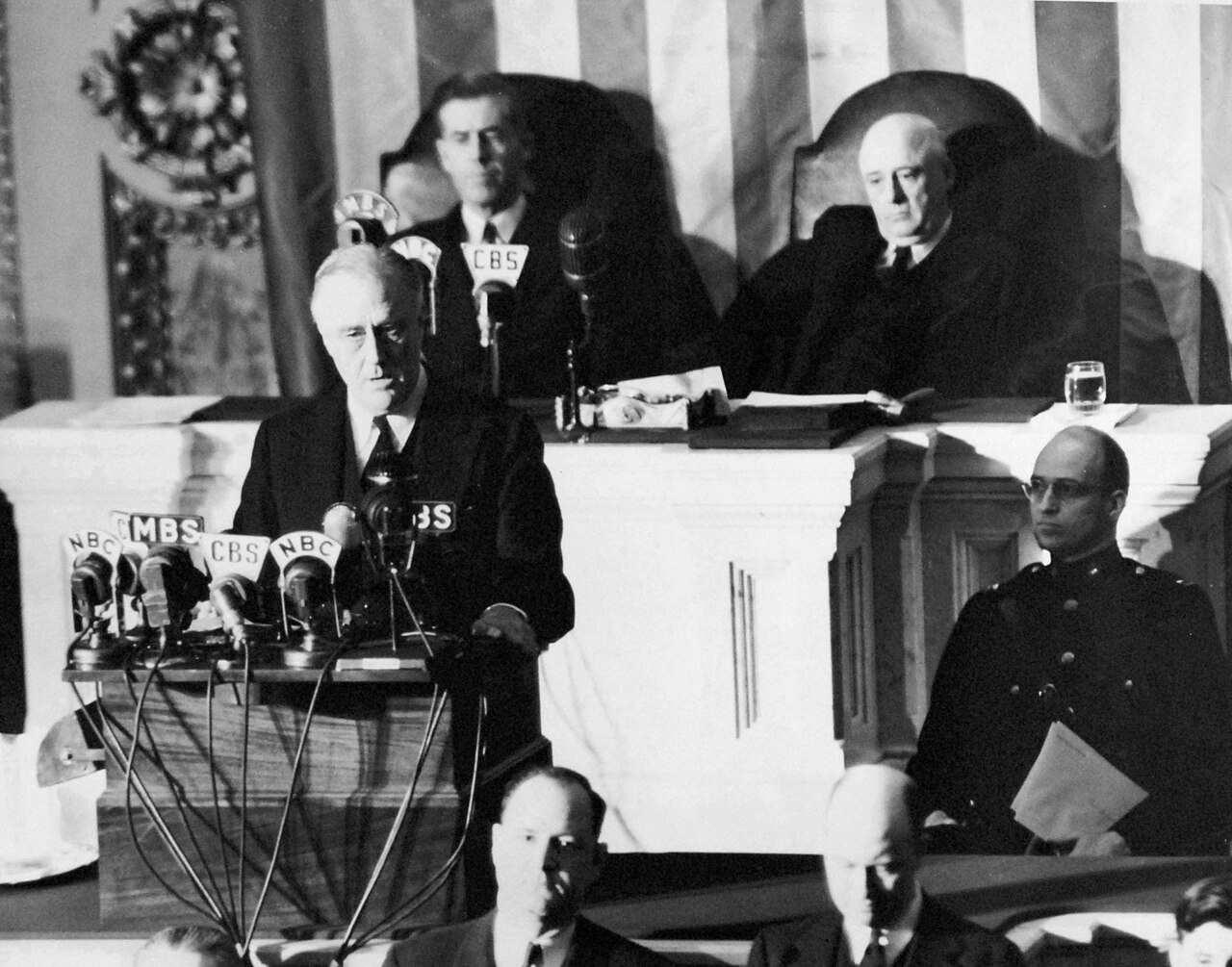 Photograph
Primary source
Fdr delivers speech
United States Government · 8 December 1941
Ready when you are
Start chatting with Sam Rayburn now.
20 messages free · No credit card · Available in 50+ languages.