


Secondary sourcePhotograph1920
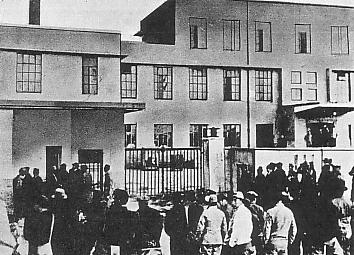
Sugamo Prison
1920
A Tokyo prison where Richard Sorge was interrogated, wrote his statement, and was executed in 1944.
Sorge was interrogated, wrote his confession, and was executed at this prison on 7 November 1944.
About this source
What it is
Sugamo Prison was a prison in the Ikebukuro district of Tokyo, Japan, built using European prisons as a model. By the 1930s it held many political prisoners, including communists and dissenters, as well as Allied spies and captured officers. The building no longer stands; it was dismantled, and a skyscraper now occupies the site.
Why it matters
Sugamo Prison was the place where Richard Sorge, a Soviet spy operating in Japan, was held, interrogated, and where he wrote his statement before being hanged on 7 November 1944 — the anniversary of the October Revolution. After the war, the prison held Japanese officials awaiting trial for war crimes, showing how the same institution served very different political purposes over time.
Look closer
- What does the crowd near the gate in the photograph suggest about why people gathered there?
- Why might a prison building be chosen as a backdrop to tell the story of political repression in two different eras?
- What is missing from a photograph of a building that a written account of what happened inside could tell us?
This photograph is part of the curated material that grounds the AI version of Richard Sorge on Humy.ai — when students ask about related events, the AI can quote it and cite it.
More Richard Sorge sources
Browse all 39 →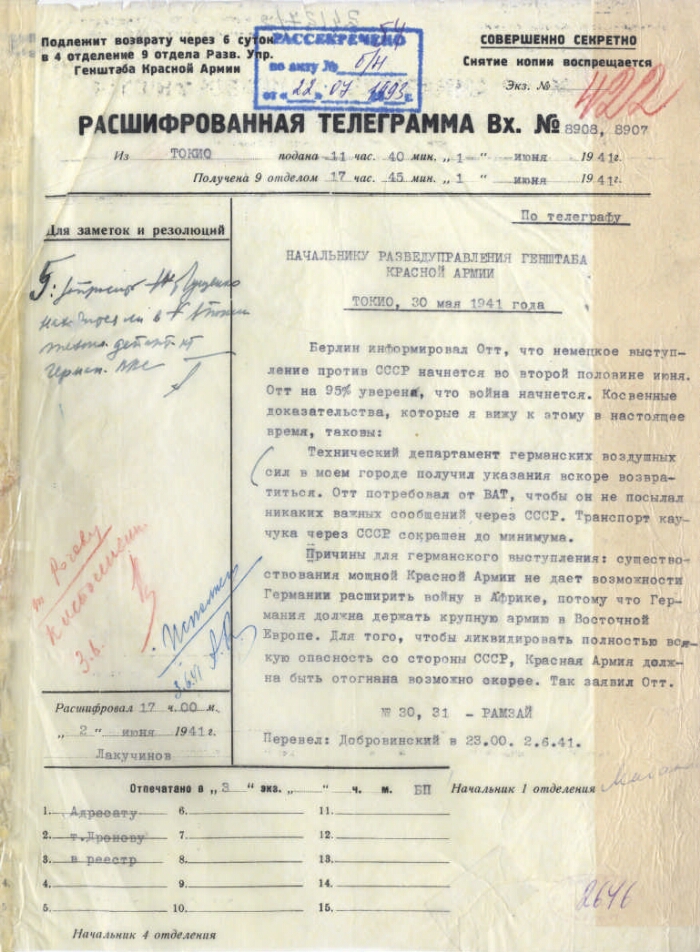 Document
Primary source
Ramzai Telegram of 30 May 1941
Richard Sorge · 30 May 1941
 Document
Primary source
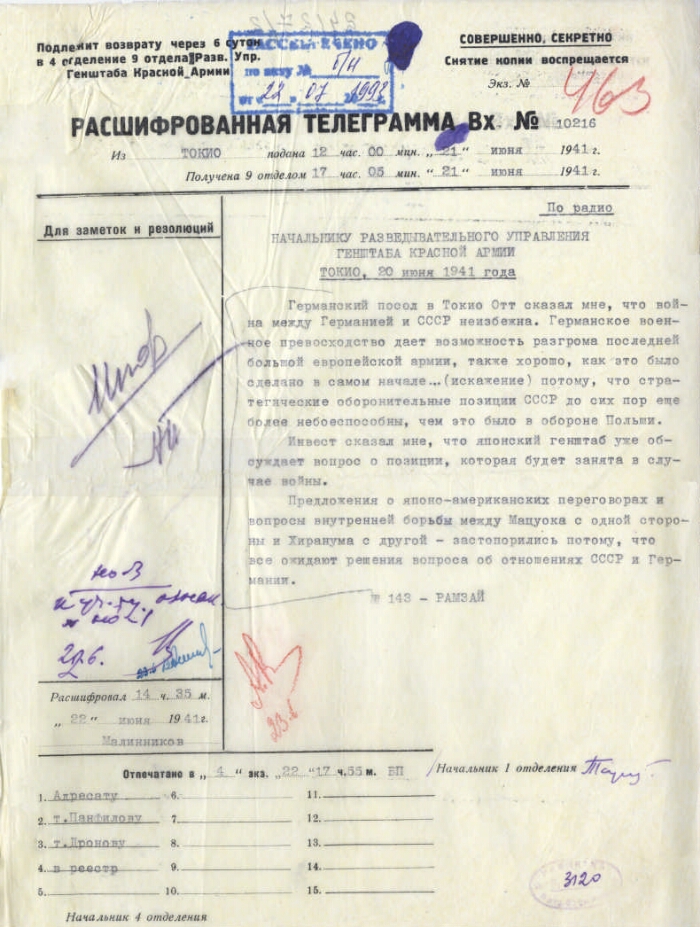
Ramzai Telegram of 20 June 1941
Richard Sorge · 20 June 1941
 Document
Primary source
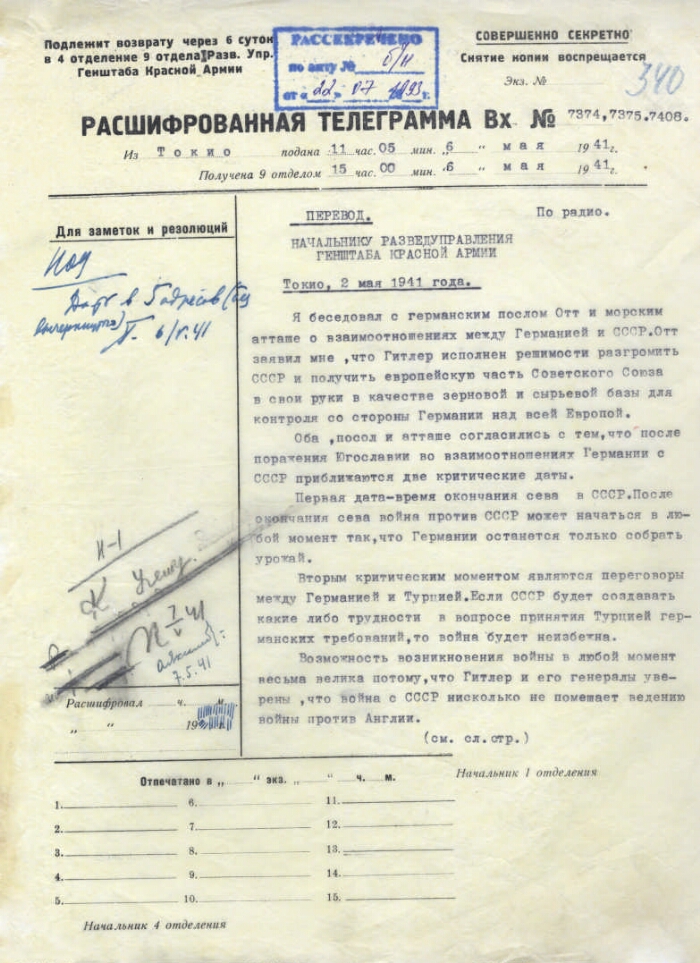
Ramzai Telegram of 2 May 1941
Richard Sorge · 2 May 1941
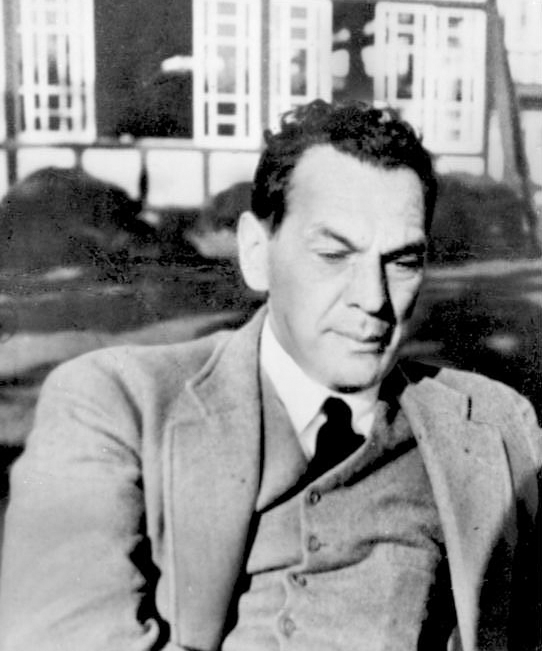 Photograph
Primary source
Portrait of Richard Sorge
Free account
Read every Richard Sorge source
Sign up free →
Ready when you are
Start chatting with Richard Sorge now.
20 messages free · No credit card · Available in 50+ languages.