


Primary sourceDocument1880
Suite algérienne
Camille Saint-Saëns · 1880
An orchestral suite by Camille Saint-Saëns inspired by his travels in French Algeria, first performed in Paris in 1880.
Composed by Saint-Saëns after his travels in Algeria, the country where he would later die.
About this source
What it is
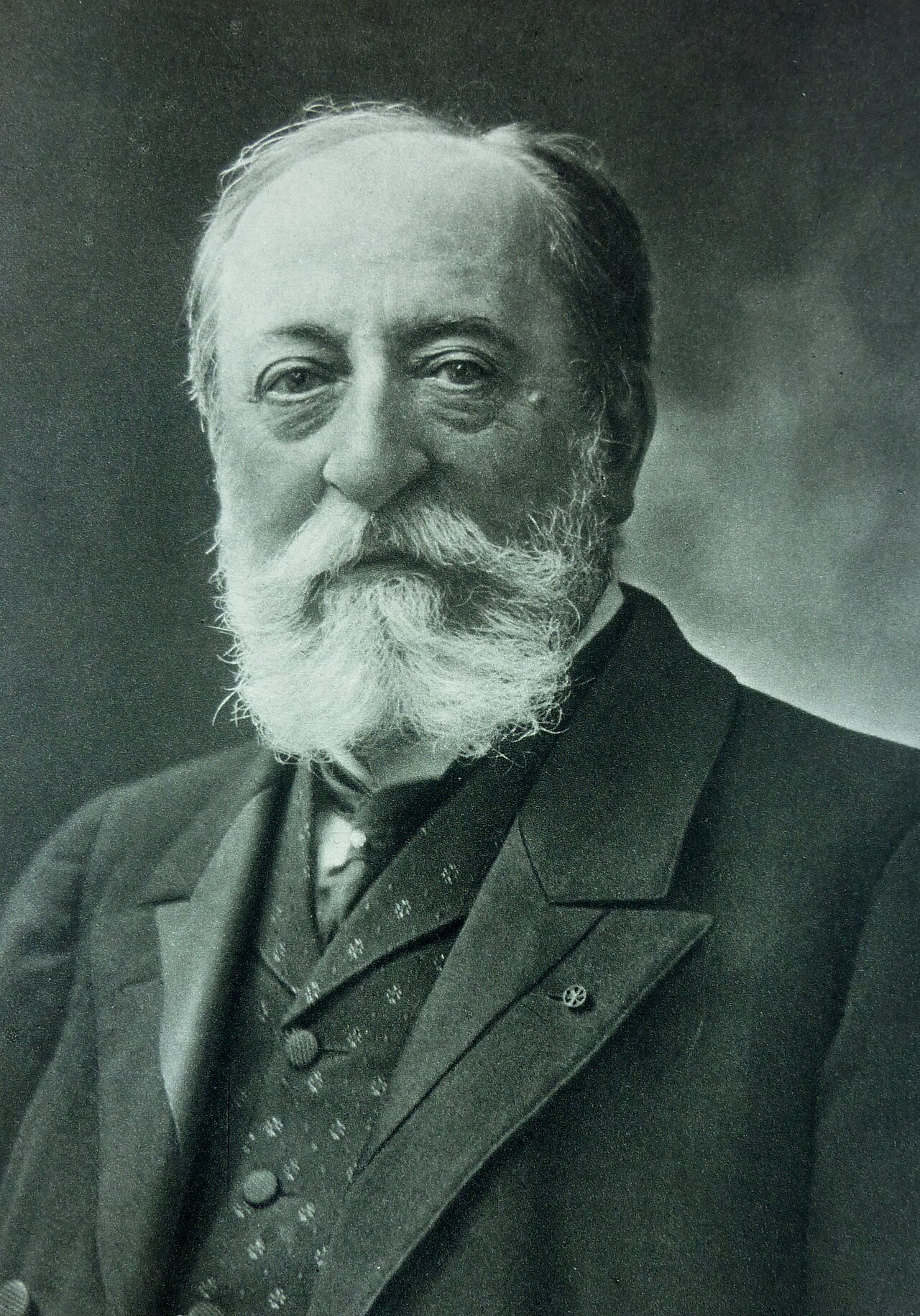
The Suite algérienne, Op. 60, is a four-movement orchestral work composed by Camille Saint-Saëns in 1880. One movement grew from a visit to Algeria in 1873, after which his publisher Auguste Durand asked for more pieces in the same style. The whole suite was first performed in Paris in December 1880, conducted by Édouard Colonne, and published the following year with a dedication to Albert Kopff, a friend Saint-Saëns made in Algeria.
Why it matters
The suite shows Saint-Saëns's lifelong fascination with Algeria, a country that later became linked to his death. It reflects how many 19th-century European composers drew musical inspiration from North Africa, often filtering it through their own styles. The dedication to Kopff also shows how personal friendships shaped his compositions.
Look closer
- What might it mean for a French composer to write music inspired by a country under French colonial rule?
- Why do you think the audience in Paris responded so warmly to this piece?
- What is missing from a European composer's musical impression of another culture?
This document is part of the curated material that grounds the AI version of Camille Saint-Saëns on Humy.ai — when students ask about related events, the AI can quote it and cite it.
More Camille Saint-Saëns sources
Browse all 92 →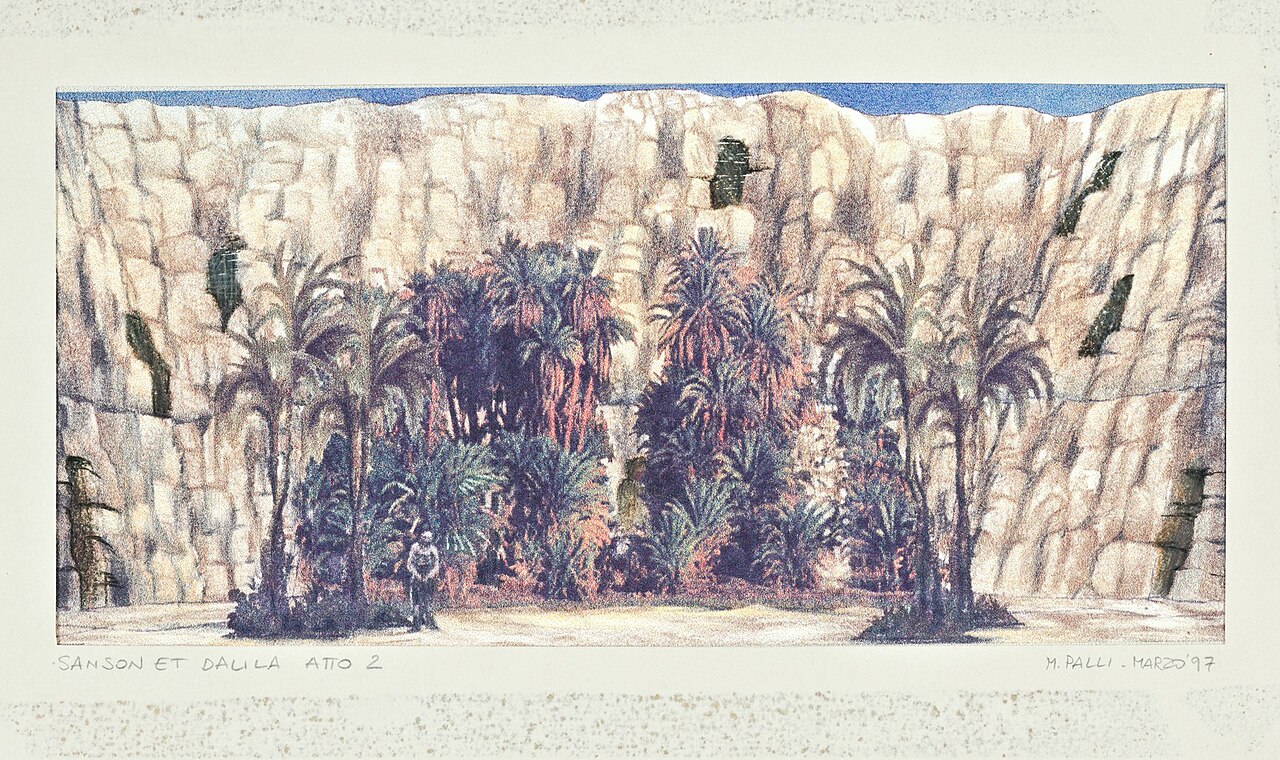 Document
Secondary source
Samson and Delilah
Camille Saint-Saëns · 1877 (premiere); composed from 1867
 Document
Primary source
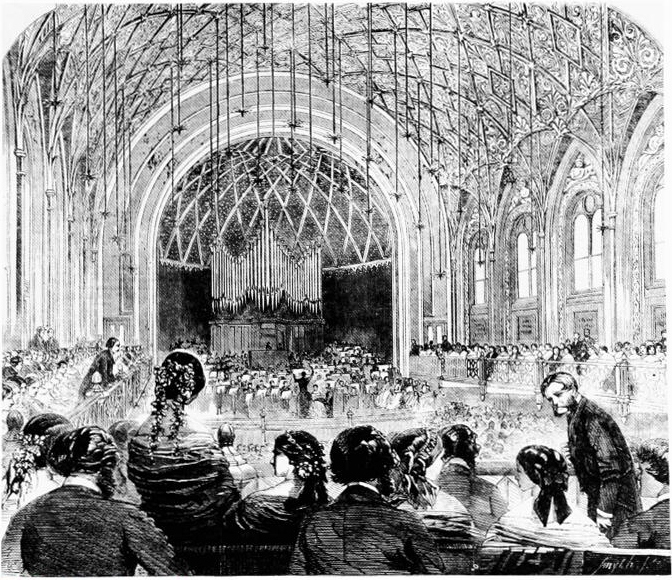
Symphony No. 3 (Organ Symphony)
Camille Saint-Saëns · 1886
Primary source
Musical Memories
Camille Saint-Saëns · published 1919 (English translation)
 Documentary
Primary source
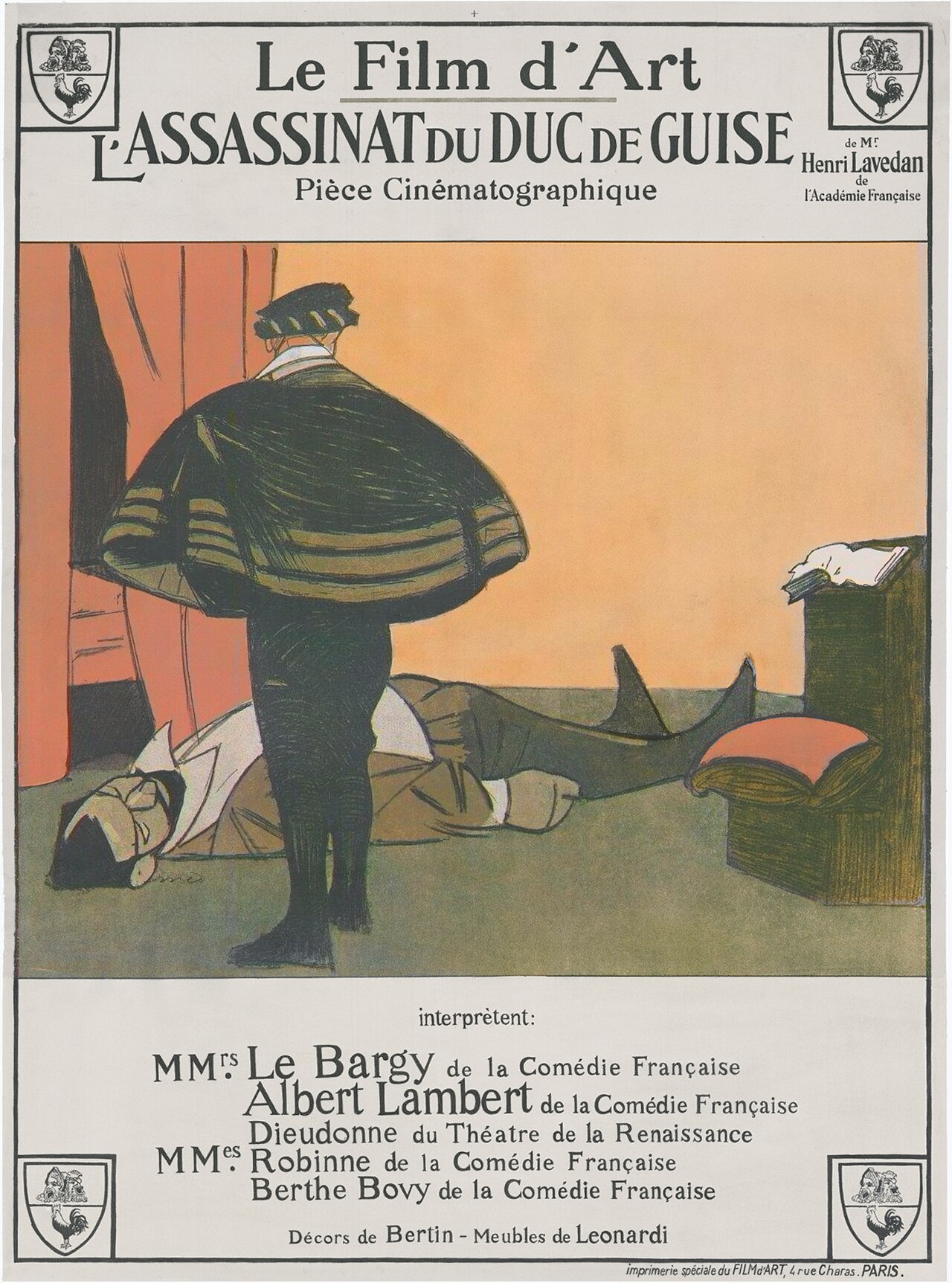
The Assassination of the Duke of Guise
Charles le Bargy and André Calmettes (film); score by Camille Saint-Saëns · 1908
Free account
Read every Camille Saint-Saëns source
Sign up free →
Ready when you are
Start chatting with Camille Saint-Saëns now.
20 messages free · No credit card · Available in 50+ languages.