


Primary sourceArtifact1229
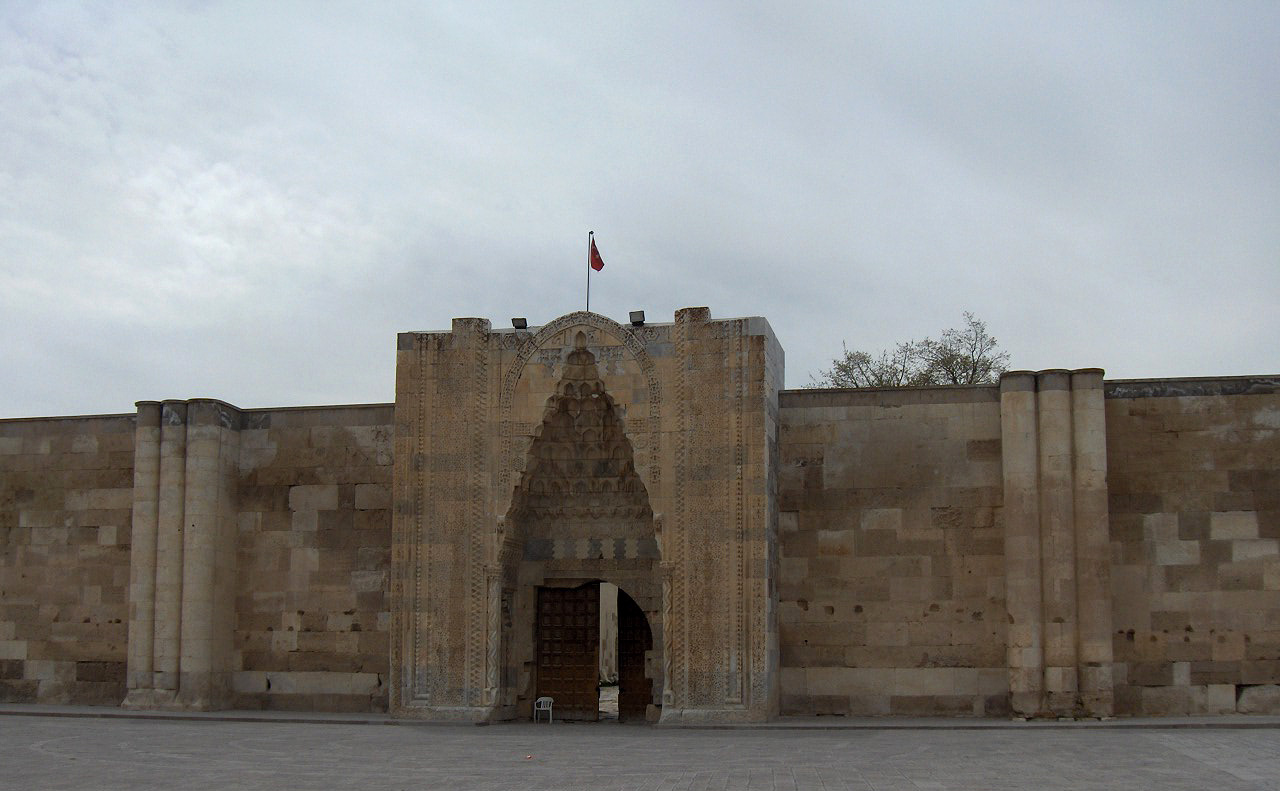
Sultan Han
1229
A monumental caravanserai built in 1229 on the Konya–Aksaray road by order of Sultan Kayqubad I.
Kayqubad I commissioned this caravanserai in 1229 to support trade across his Anatolian realm.
About this source
What it is
Sultan Han is a large fortified caravanserai in Sultanhanı, Turkey, built in 1229 under Sultan Kayqubad I of the Seljuk Turks. It has a grand carved stone entrance, an open summer courtyard with a small mosque in the middle, and a covered winter hall with a domed, vaulted roof. It was later restored after a fire.
Why it matters
This building shows how Kayqubad I used state money to support trade across his empire. Caravanserais like this one gave merchants free food, shelter and safety along long trade routes between Anatolia and Persia. It reveals the sultan as a ruler who invested heavily in infrastructure and hospitality to strengthen his kingdom's economy.
Look closer
- Why would a ruler spend money to protect and feed traveling merchants for free?
- What do the decorations on the entrance suggest about the importance of this building?
- What does this structure NOT tell us about daily life for ordinary travelers?
This artifact is part of the curated material that grounds the AI version of Kayqubad I on Humy.ai — when students ask about related events, the AI can quote it and cite it.
More Kayqubad I sources
Browse all 87 →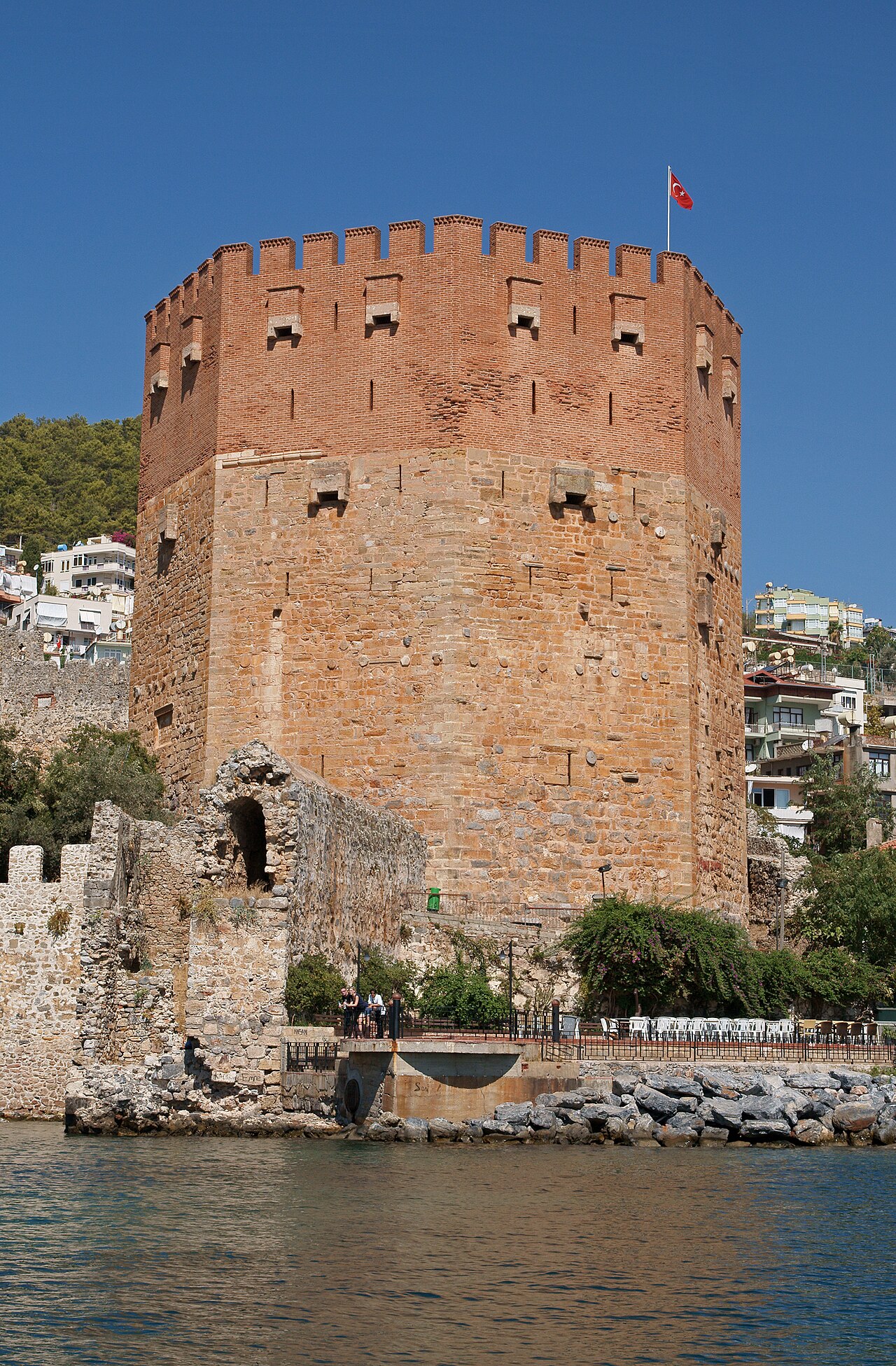 Artifact
Primary source
Red Tower, Alanya
Abu Ali al-Kattani al-Halabi · 1226
 Artifact
Primary source
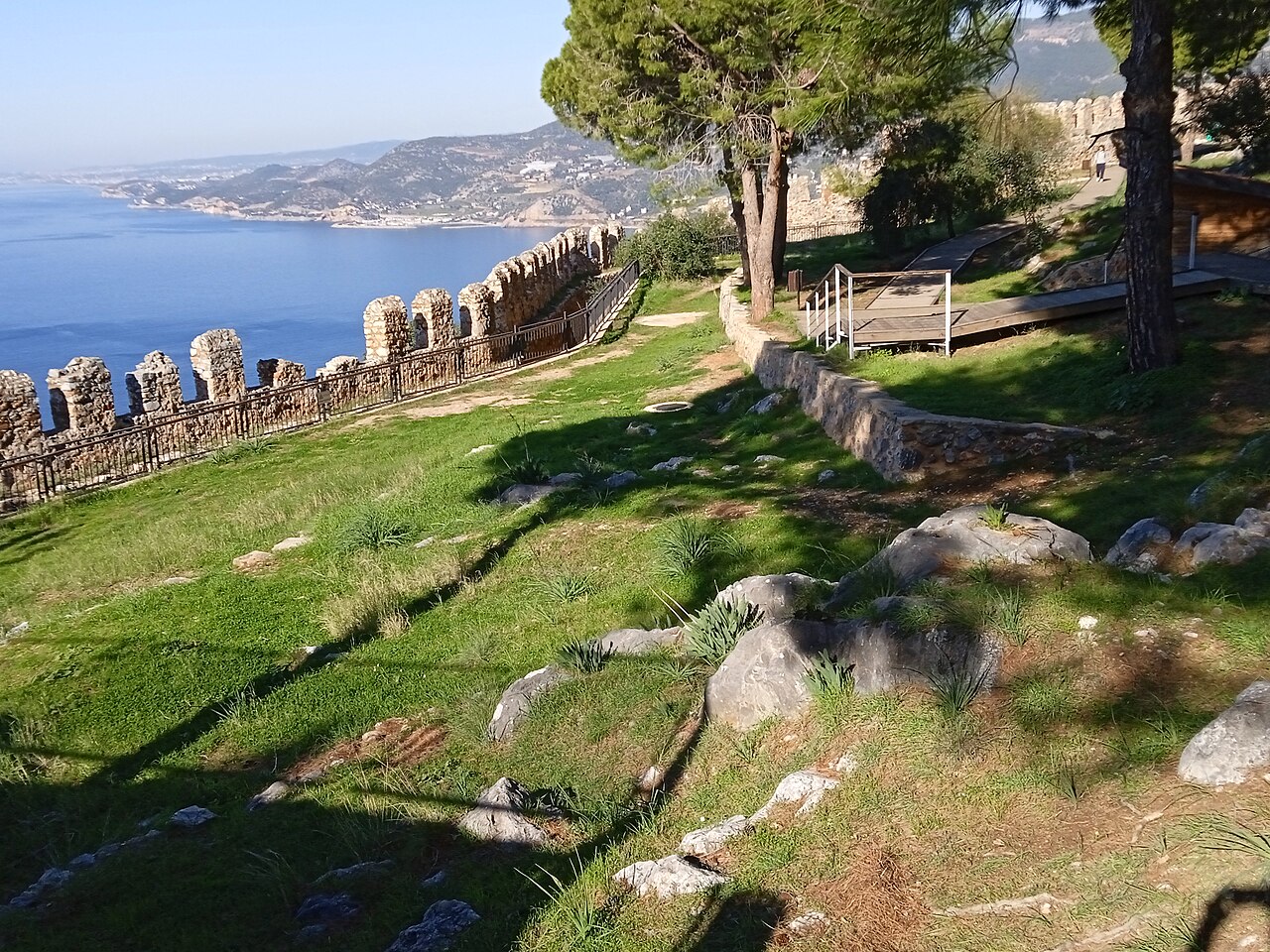
Alanya Castle
c. 1221–1226
 Artifact
Primary source
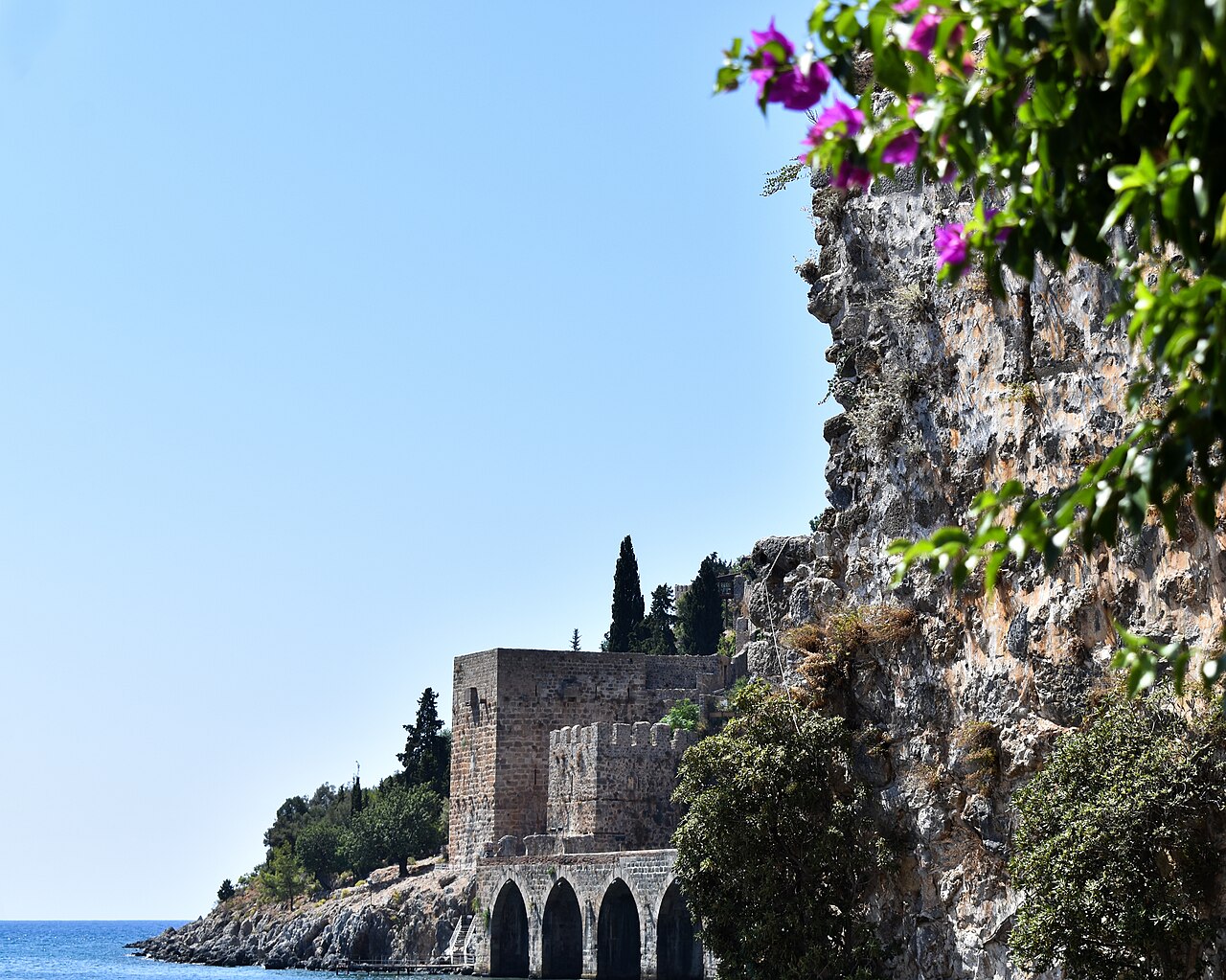
Alanya Shipyard (Tersane)
1228
 Artifact
Primary source
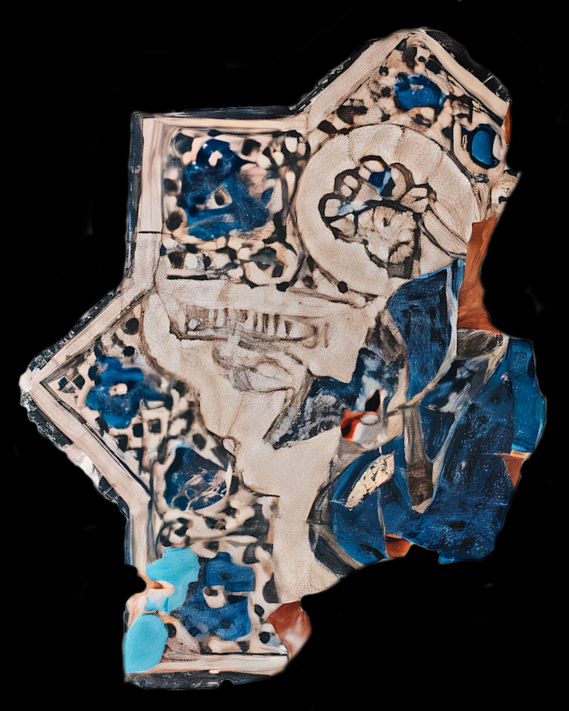
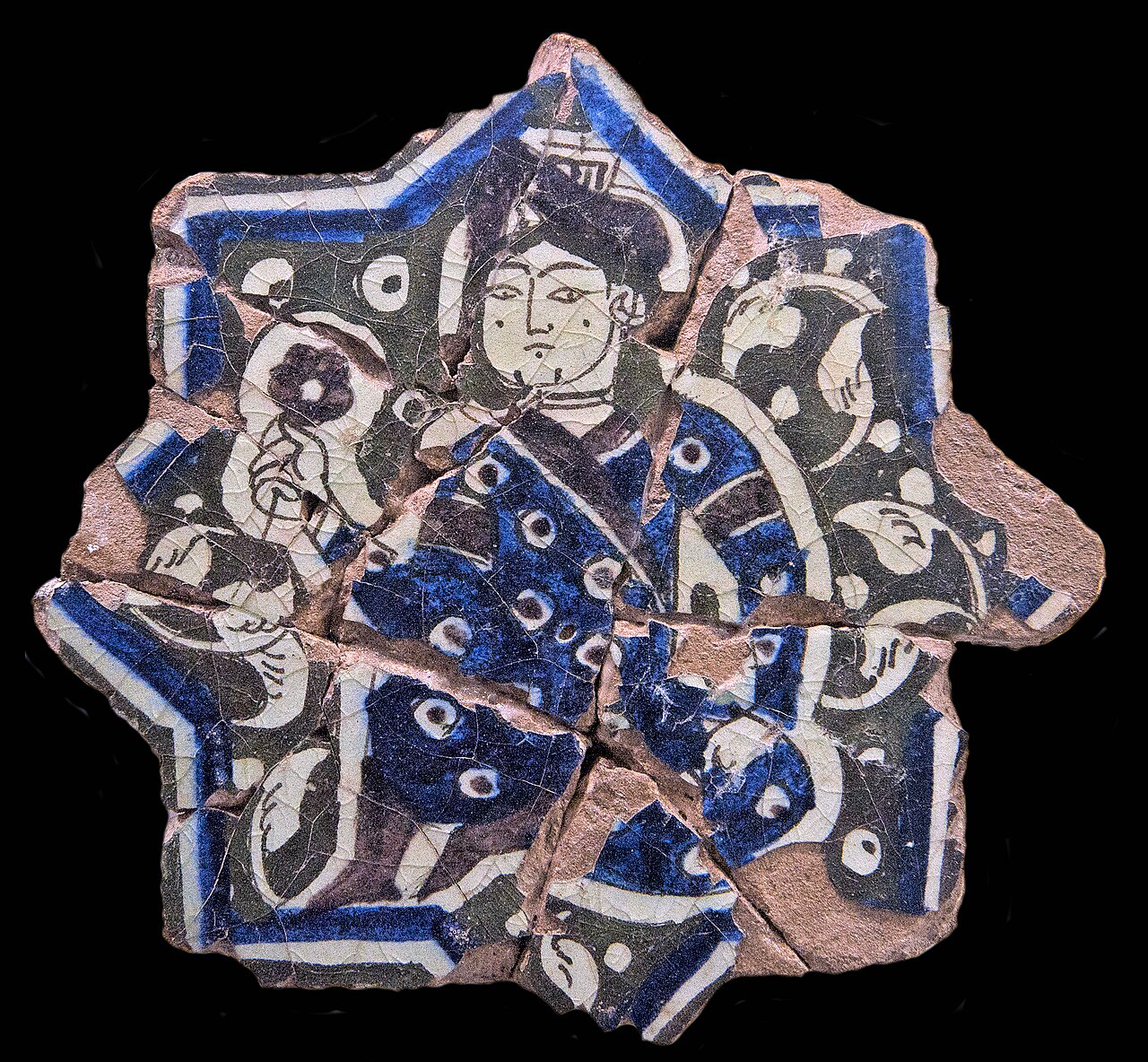
Kubadabad Palace
Sa'd al-Din Köpek · c. 1236
Free account
Read every Kayqubad I source
Sign up free →
Ready when you are
Start chatting with Kayqubad I now.
20 messages free · No credit card · Available in 50+ languages.