


Primary sourceDocument1950
Suppression of Communism Act, 1950
1950
Apartheid-era law banning the Communist Party and criminalising dissent; Sisulu was convicted of 'statutory communism' under it in 1952 and repeatedly banned.
Sisulu was convicted of 'statutory communism' under this Act in 1952 and was repeatedly banned under its powers.
Free Humy account · No credit card · 120,912 sources to read
About this source
What it is
This is a law passed by the apartheid government of South Africa in 1950, originally called the Suppression of Communism Act. It banned the Communist Party of South Africa and gave the Minister of Justice wide powers to label any person a 'communist' and restrict their freedom. It was later renamed the Internal Security Act in 1976.
Why it matters
The Act defined communism so broadly that almost anyone opposing government racial policy could be prosecuted under it. It became one of the government's main tools for silencing anti-apartheid leaders, including members of the African National Congress such as Walter Sisulu, who was convicted of 'statutory communism' and placed under repeated banning orders. It shows how apartheid law could be used to crush dissent without proving any real communist activity.
Look closer
- Why do you think the law defined 'communism' so broadly?
- What does it mean that a judge said the offence had 'nothing to do with communism as it is commonly known'?
- How might a law like this affect ordinary political activity, not just communists?
This document is part of the curated material that grounds the AI version of Walter Sisulu and Albert Luthuli on Humy.ai — when students ask about related events, the AI can quote it and cite it.
More Walter Sisulu sources
Browse all 11 →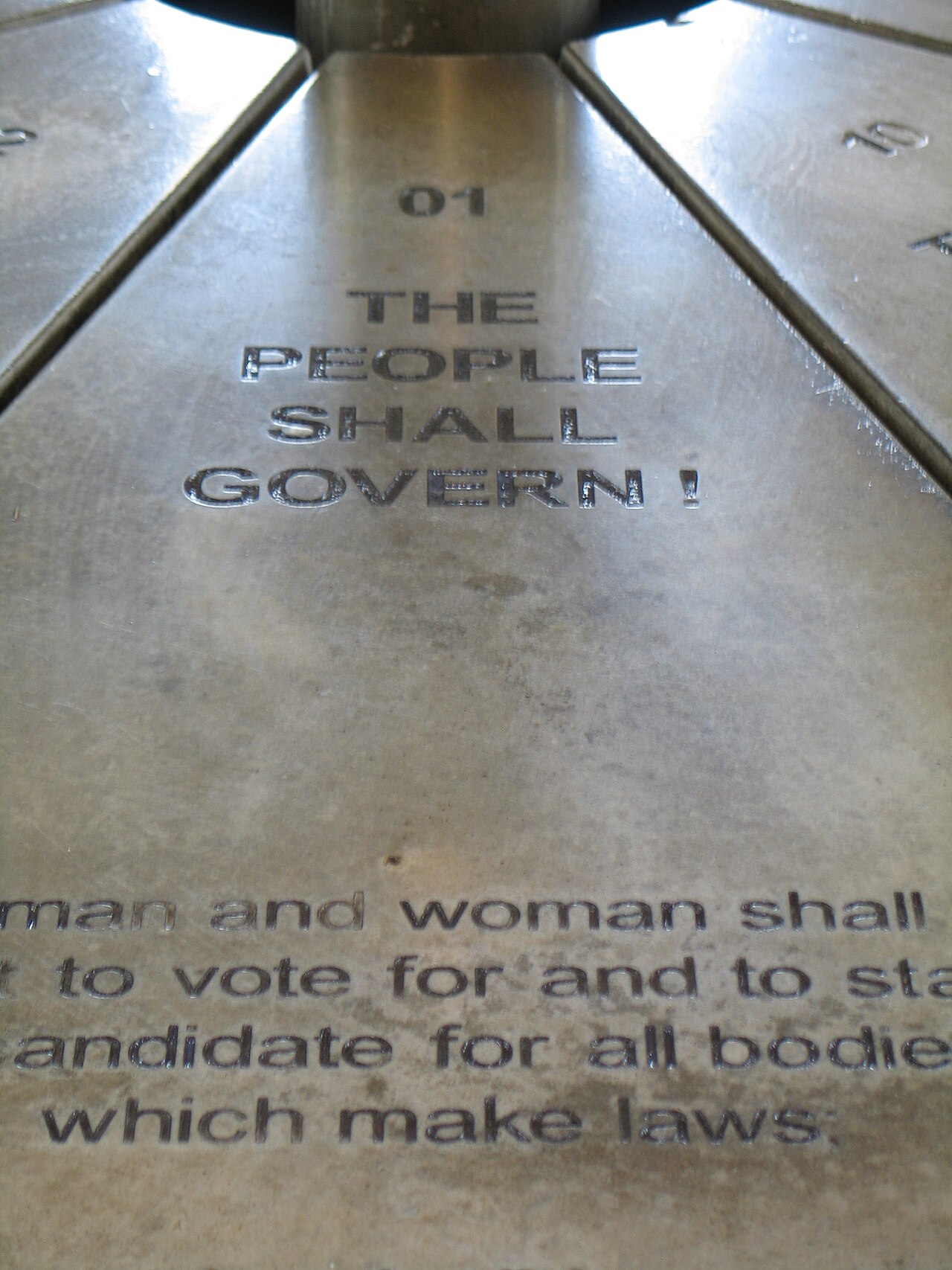 Document
Primary source
Freedom Charter
Congress Alliance · 26 June 1955
Primary source
United Nations Security Council Resolution 190
United Nations Security Council · 9 June 1964
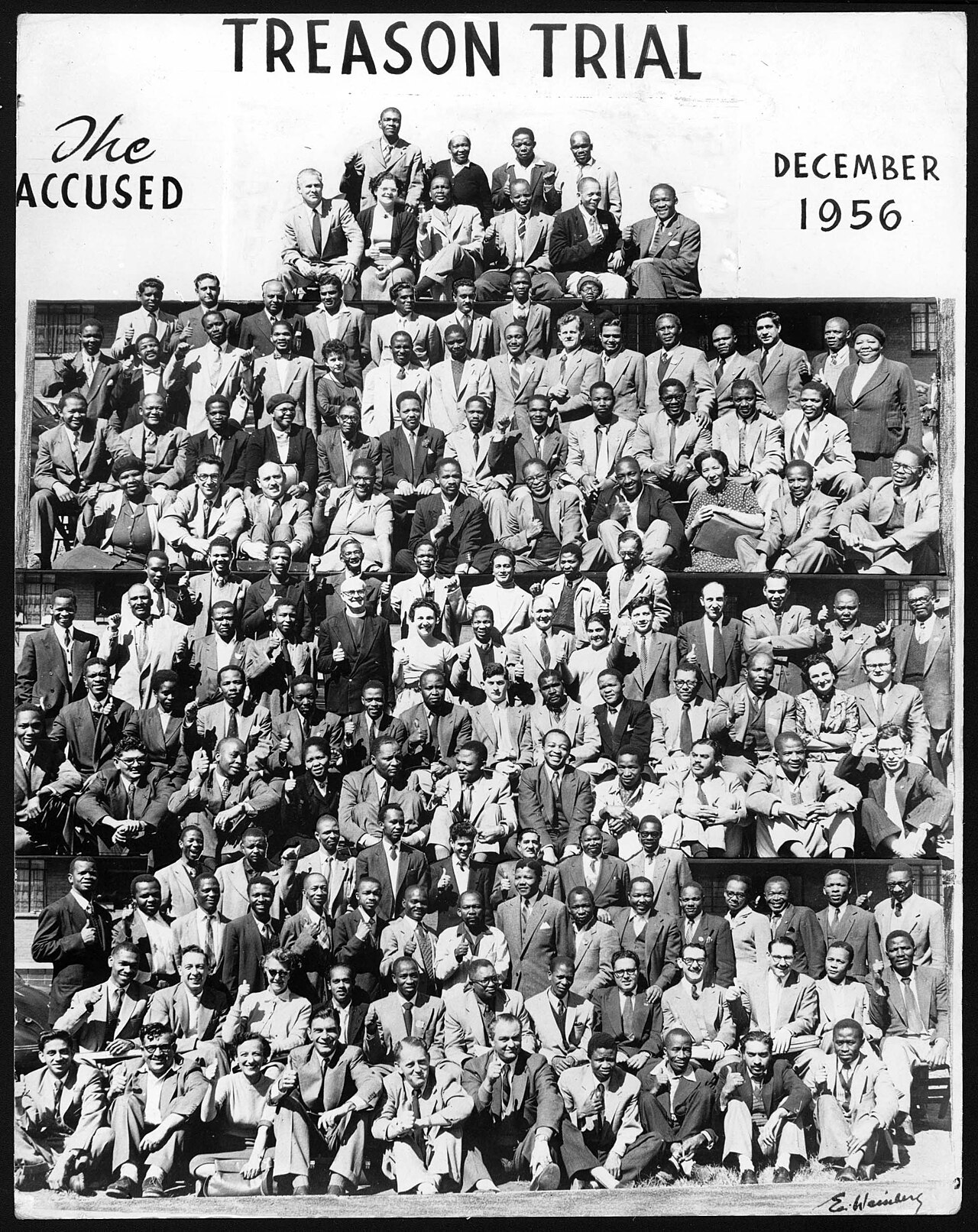 Photograph
Primary source
Defendants at the 1956 Treason Trial
Eli Weinberg · 1 December 1956
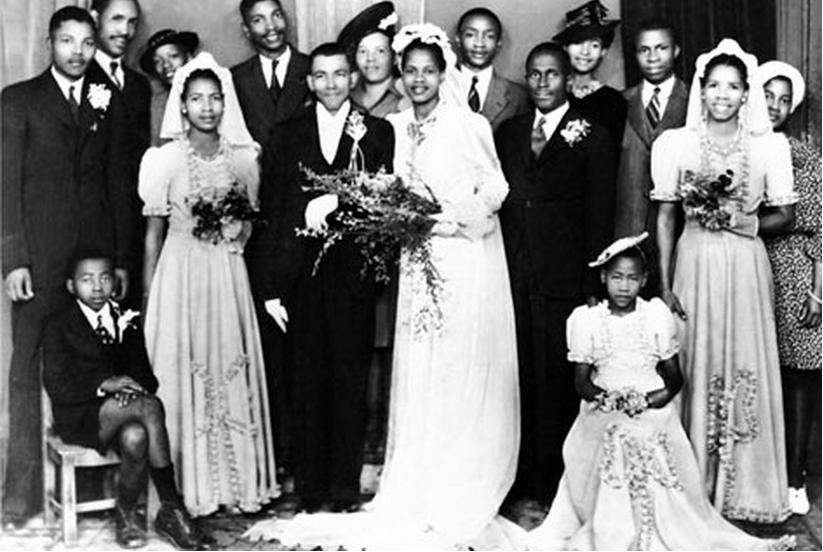 Photograph
Primary source
Sisulu Wedding Photograph with Mandela and Anton Lembede
1944
Free account
Read every Walter Sisulu source
Sign up free →
Ready when you are
Start chatting with Walter Sisulu now.
20 messages free · No credit card · Available in 50+ languages.