


Secondary sourcePaintingcirca 1750 (uncertain)
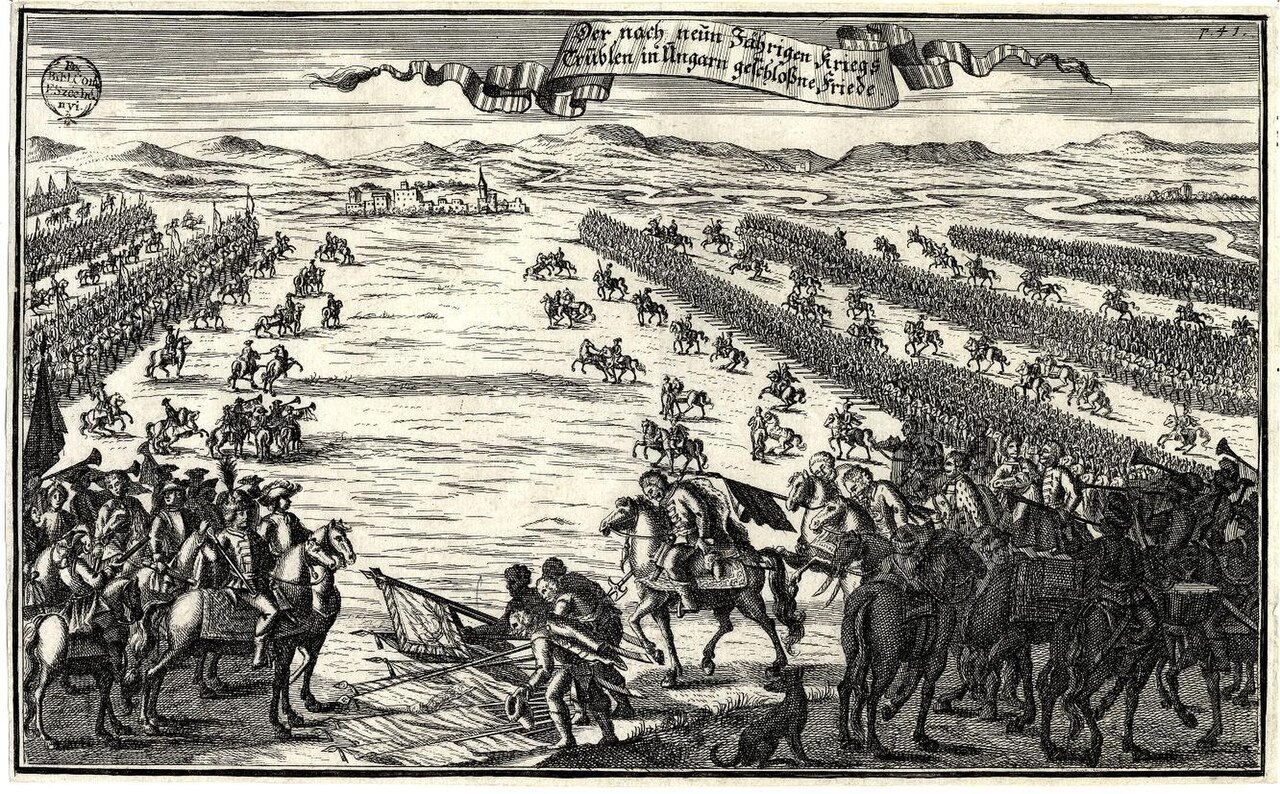
Surrender of the kuruc army at Nagymajtény
circa 1750 (uncertain)
A picture of the surrender of the rebel kuruc army at Nagymajtény on 30 April 1711, which ended the war Francis II Rákóczi led. The date of the picture is uncertain.
It shows the surrender that ended the war Rákóczi led, so it belongs in his archive as a later picture of how the war ended.
About this source
What it is
This is a picture of the surrender of the kuruc army at Nagymajtény on 30 April 1711, on a plain before the imperial commander-in-chief. The record dates it to about 1750, but the curator notes that the date is uncertain and classes the source as secondary, so it was made long after the event. The media description calls the image a black-and-white engraving, showing dense ranks of mounted and foot soldiers, a line of mounted troops on the left, and a flag-bearer in the foreground. A German banner across the top speaks of peace after nine years of Kuruc war in Hungary.
Why it matters
The surrender ended the war that Francis II Rákóczi led against the Habsburgs from 1703 to 1711. The picture shows how the end of the rebel army was later pictured, with the imperial side appearing in control of the scene. Comparing it with the Commons map of the war helps students see where the surrender took place.
Look closer
- Who is placed in the foreground, and how are the soldiers arranged on each side?
- Why might a later artist show the end of the war with a banner announcing peace?
- What does the picture leave out about the people who lived through the war?
This painting is part of the curated material that grounds the AI version of Francis II Rákóczi on Humy.ai — when students ask about related events, the AI can quote it and cite it.
More Francis II Rákóczi sources
Browse all 90 →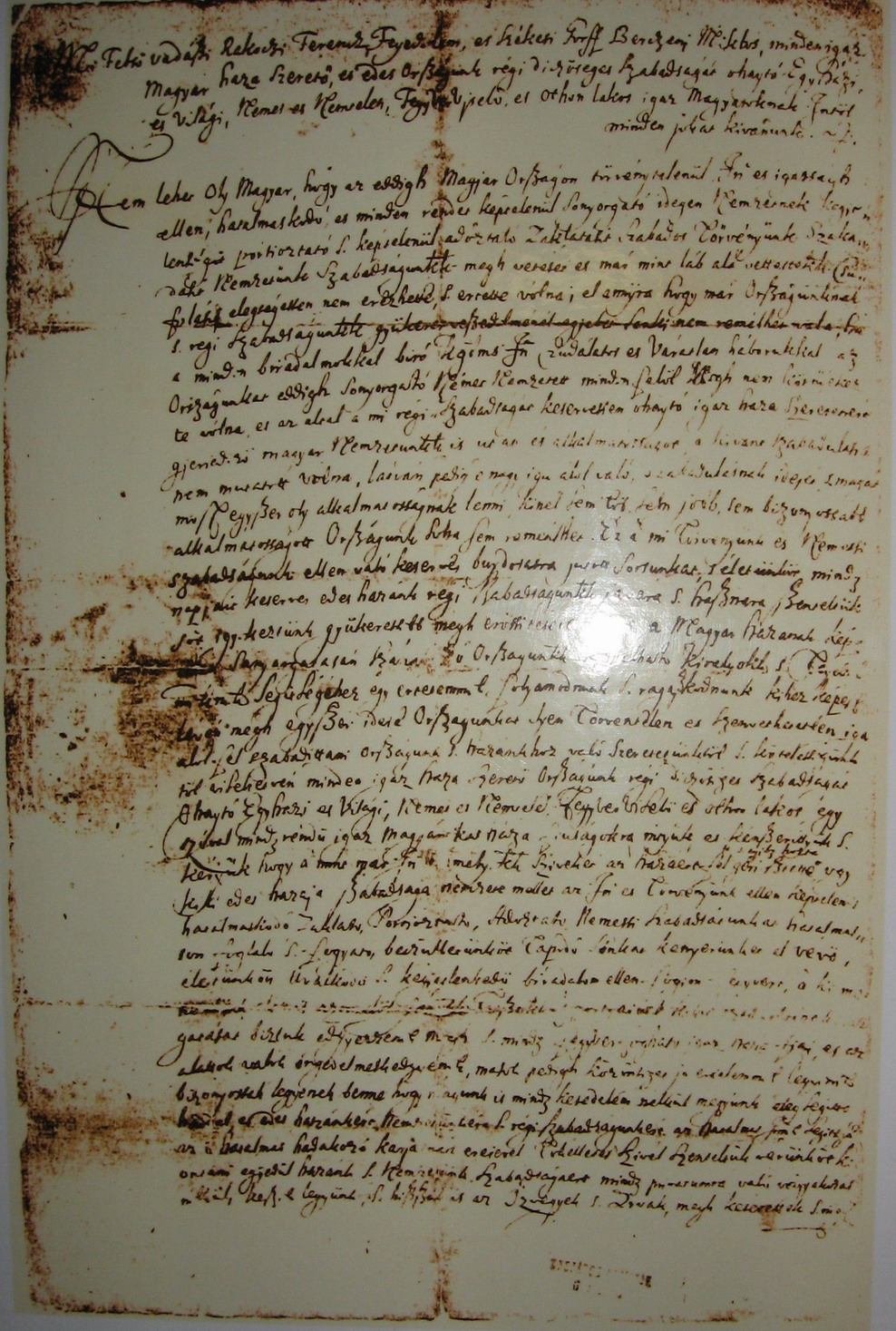 Document
Primary source
Manifesto of Berezhany
Francis II Rákóczi · 1703
 Painting
Primary source
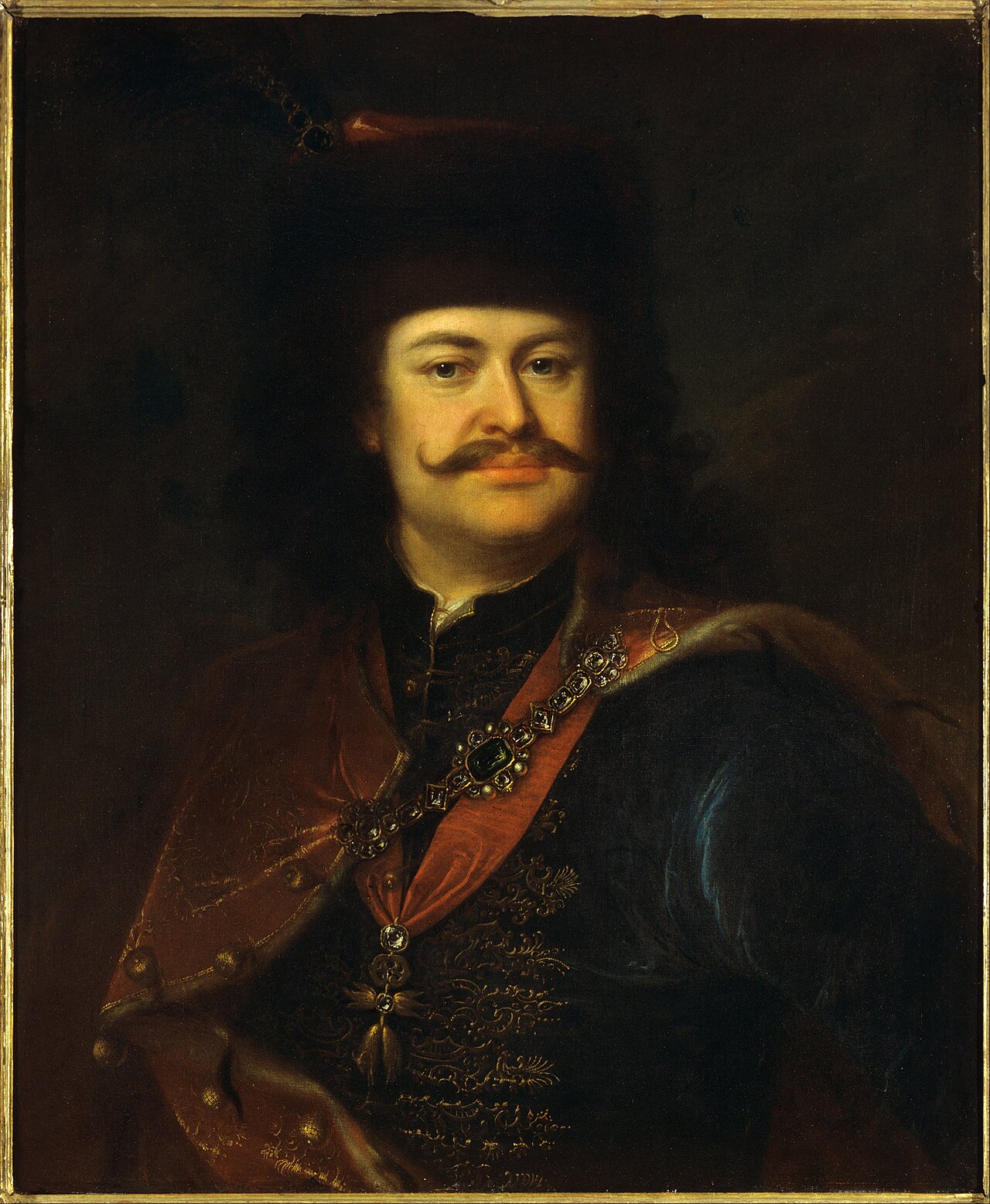
Portrait of Prince Ferenc Rákóczi II
Ádám Mányoki · 1712
 Newspaper article
Primary source
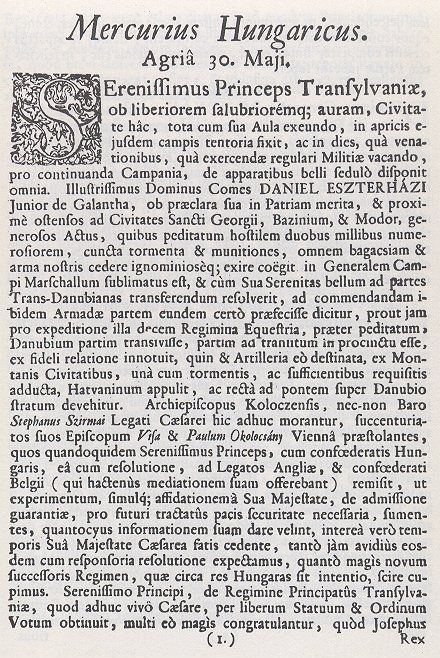
Mercurius Hungaricus
1705
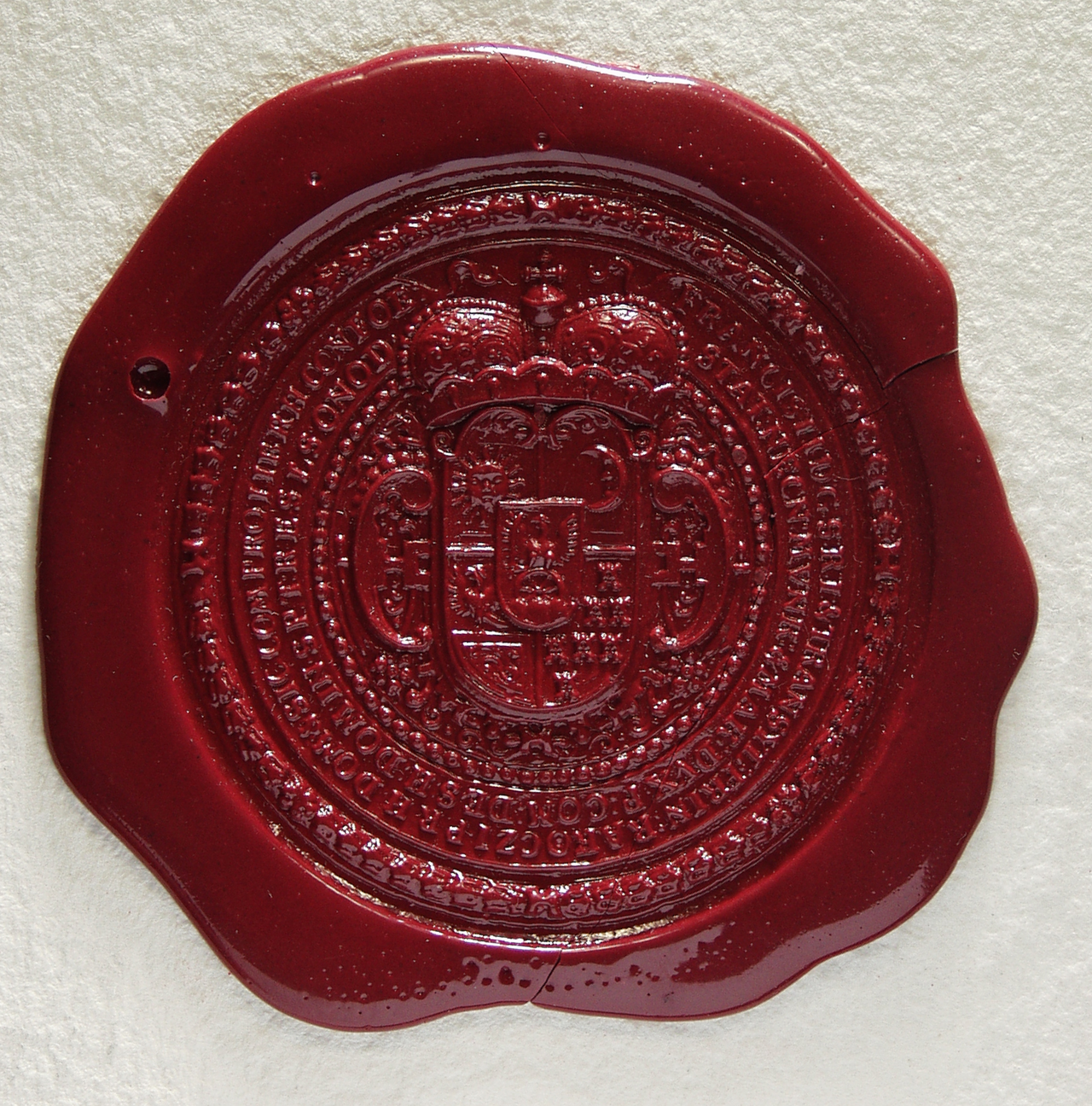 Artifact
Primary source
Great Seal of Francis II Rákóczi
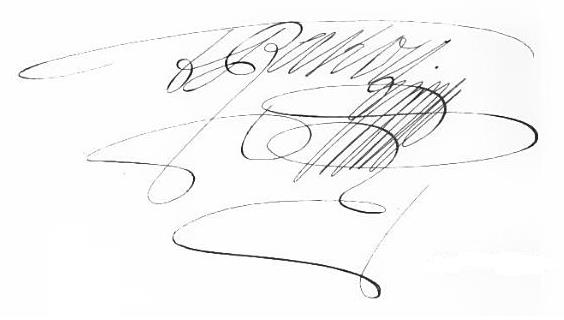
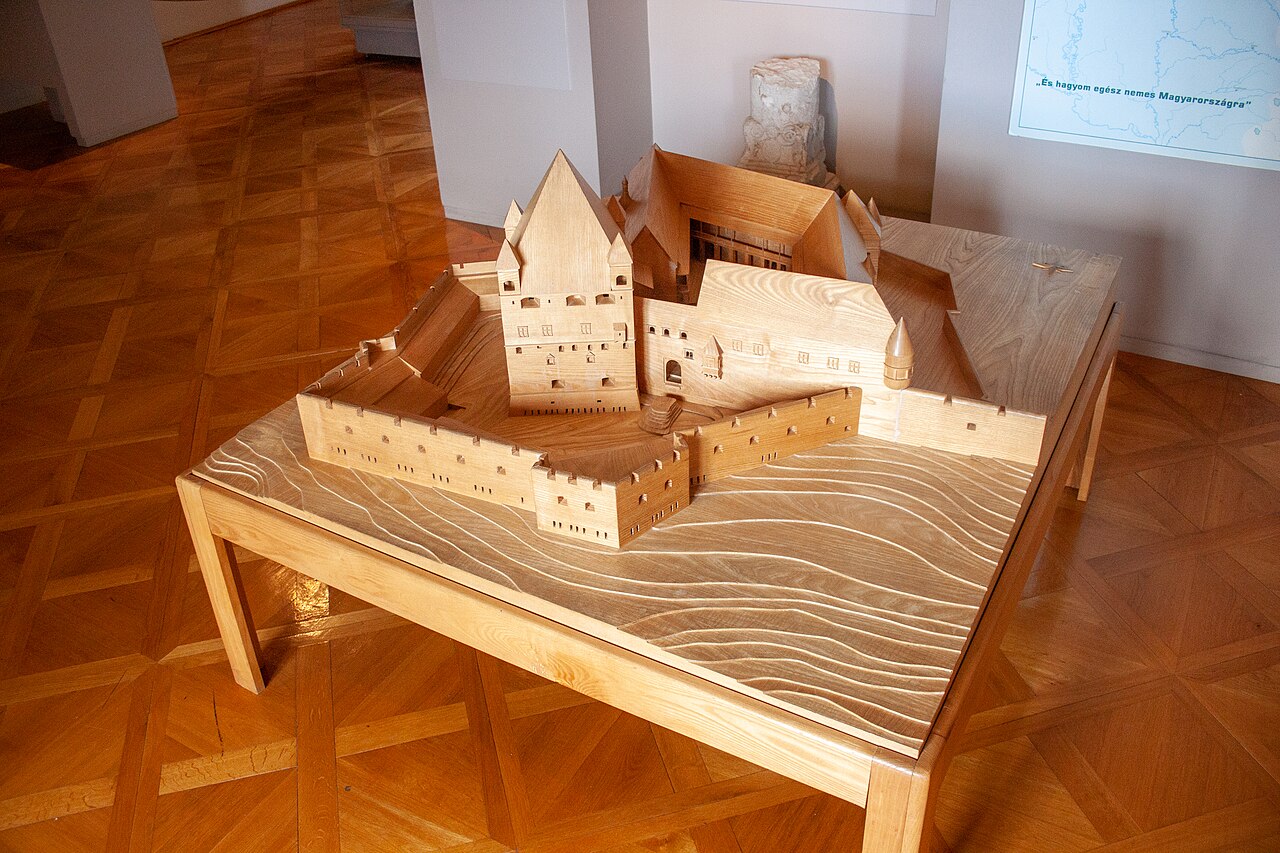
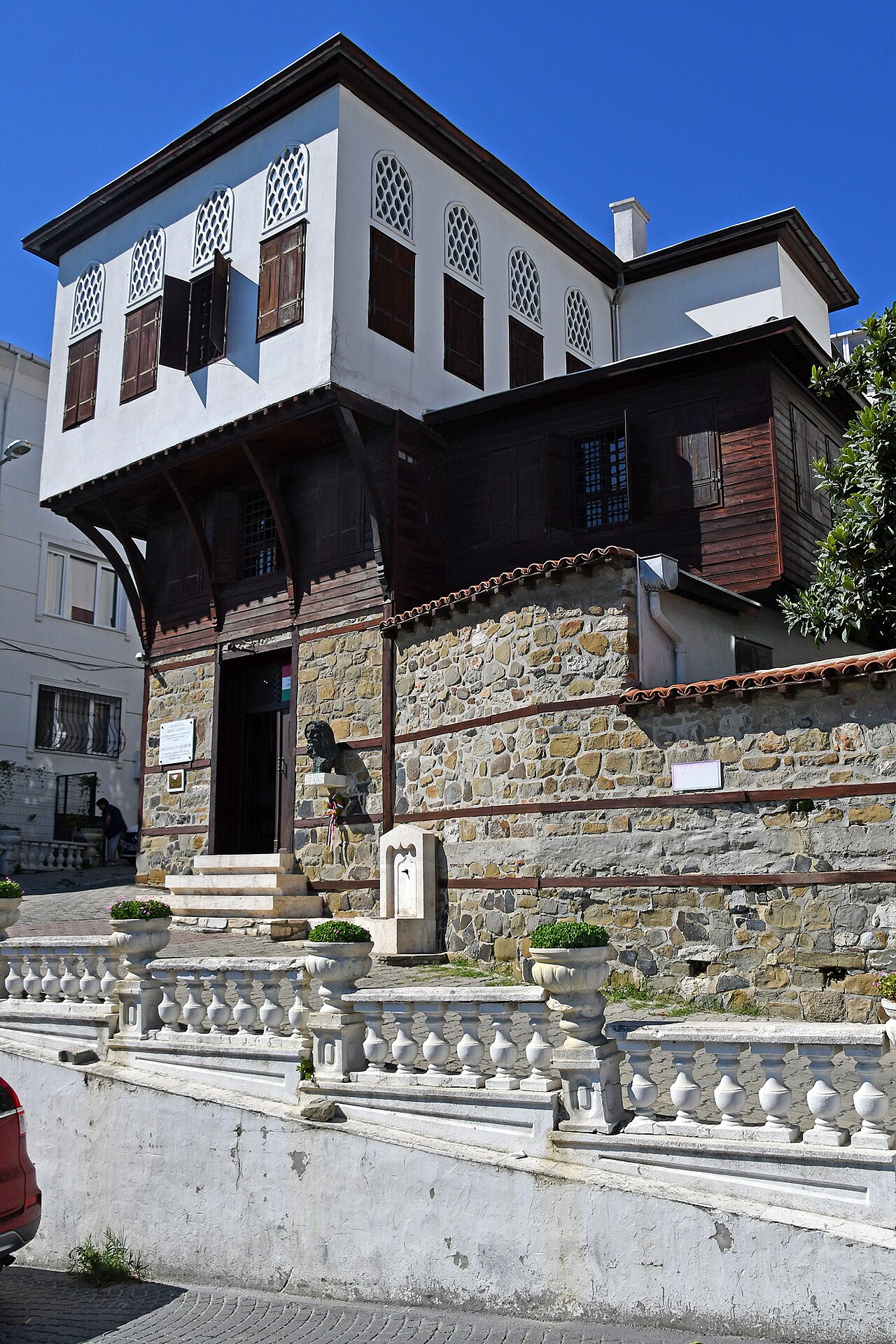
Free account
Read every Francis II Rákóczi source
Sign up free →
Ready when you are
Start chatting with Francis II Rákóczi now.
20 messages free · No credit card · Available in 50+ languages.