


Primary sourceDocument8 March 1965
Swain v. Alabama
8 March 1965
A 1965 Supreme Court ruling on jury selection and race, notable as the only case Constance Baker Motley argued and lost.
This was the only Supreme Court case Motley argued and lost, revealing limits on civil rights litigation even after Brown.
About this source
What it is
This is the Supreme Court's 1965 decision in Swain v. Alabama, a case about whether excluding Black jurors through peremptory challenges violated the Fourteenth Amendment. The Court ruled 6–3 against the defendant, with Justice Goldberg dissenting.
Why it matters
Robert Swain, a Black man, was convicted by an all-white jury in Alabama after prosecutors struck every eligible Black juror. The Court held this did not prove unconstitutional discrimination. This was the only Supreme Court case Constance Baker Motley lost while litigating civil rights cases, showing the limits lawyers like her faced even after victories such as Brown v. Board of Education. The ruling stood for over twenty years until Batson v. Kentucky overturned its reasoning.
Look closer
- Why might the Court have distinguished between proving discrimination in a single case versus a pattern over many years?
- What does the all-white jury and the exclusion of Black jurors reveal about the legal system at the time?
- Why was this ruling eventually overturned, and what does that tell you about how law can change?
This document is part of the curated material that grounds the AI version of Constance Baker Motley on Humy.ai — when students ask about related events, the AI can quote it and cite it.
More Constance Baker Motley sources
Meet the AI Constance Baker Motley →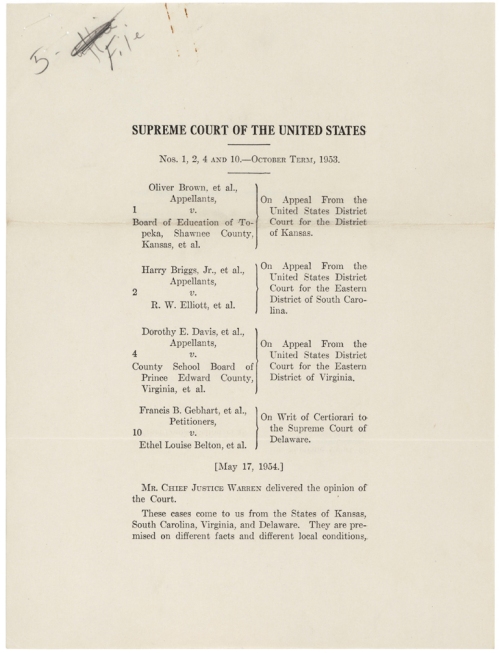 Document
Primary source
Brown v. Board of Education
Earl Warren · 17 May 1954
 Photograph
Primary source
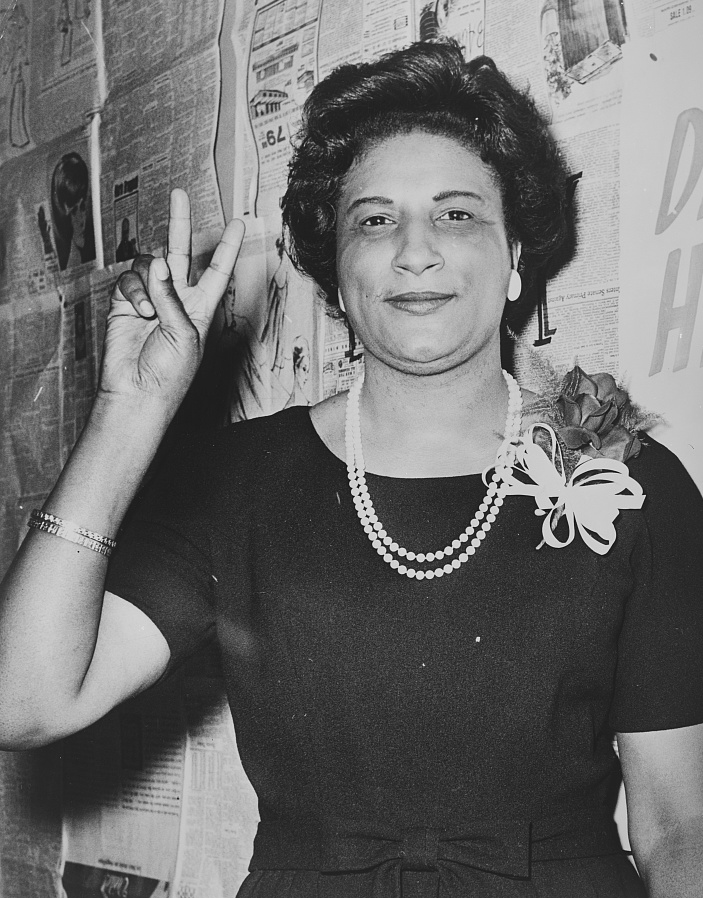
Mrs. Constance B. Motley raising hand in V sign
Walter Albertin · 6 February 1964
 Photograph
Primary source
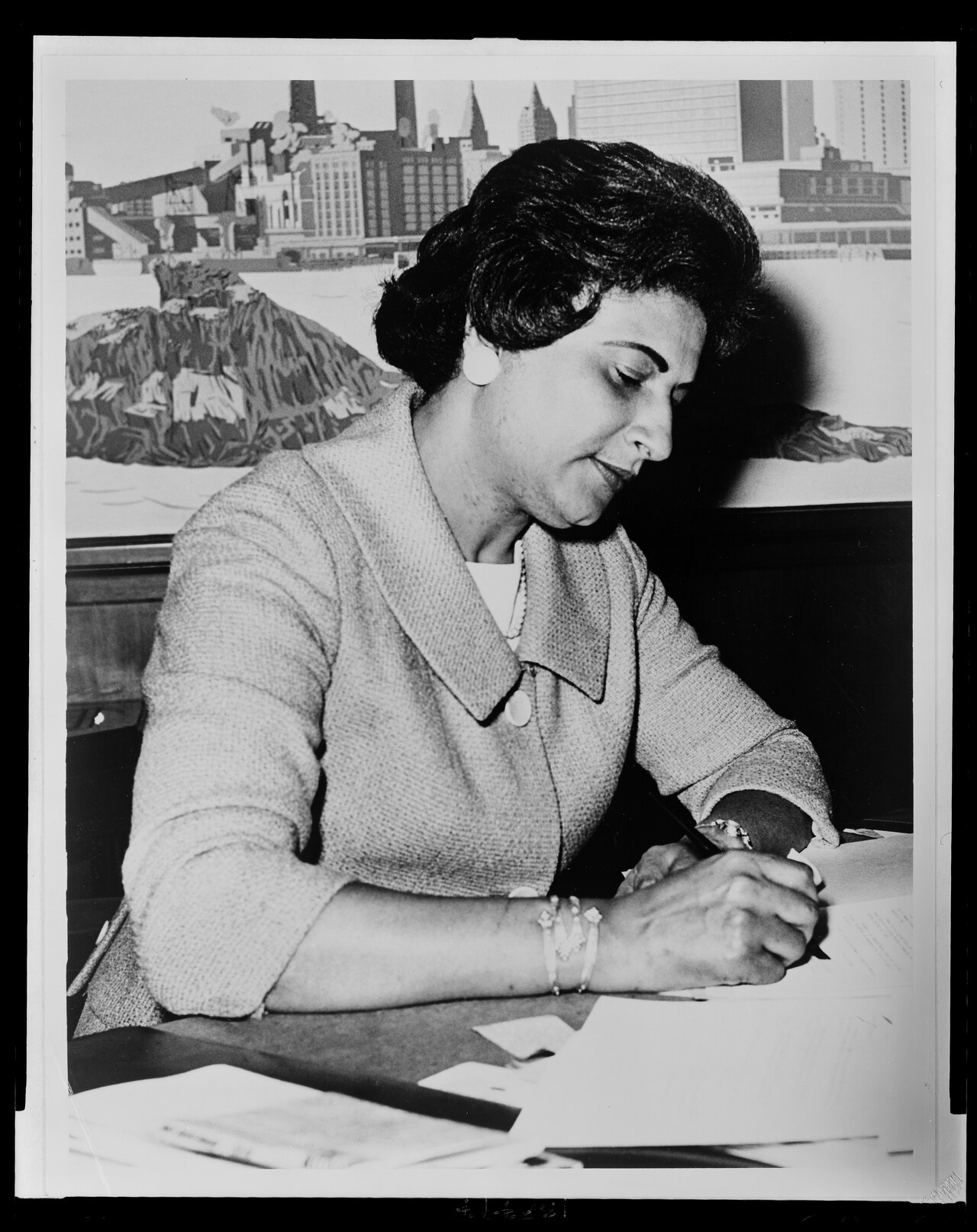
Constance B. Motley Signing Papers as Manhattan Borough President
Fred Palumbo · 1965
Primary source
Special Examination of the Accounts and Methods of the Office of the President of the Borough of Manhattan
New York (N.Y.). Commissioners of Accounts · 1906-1908
 Photograph
Primary source
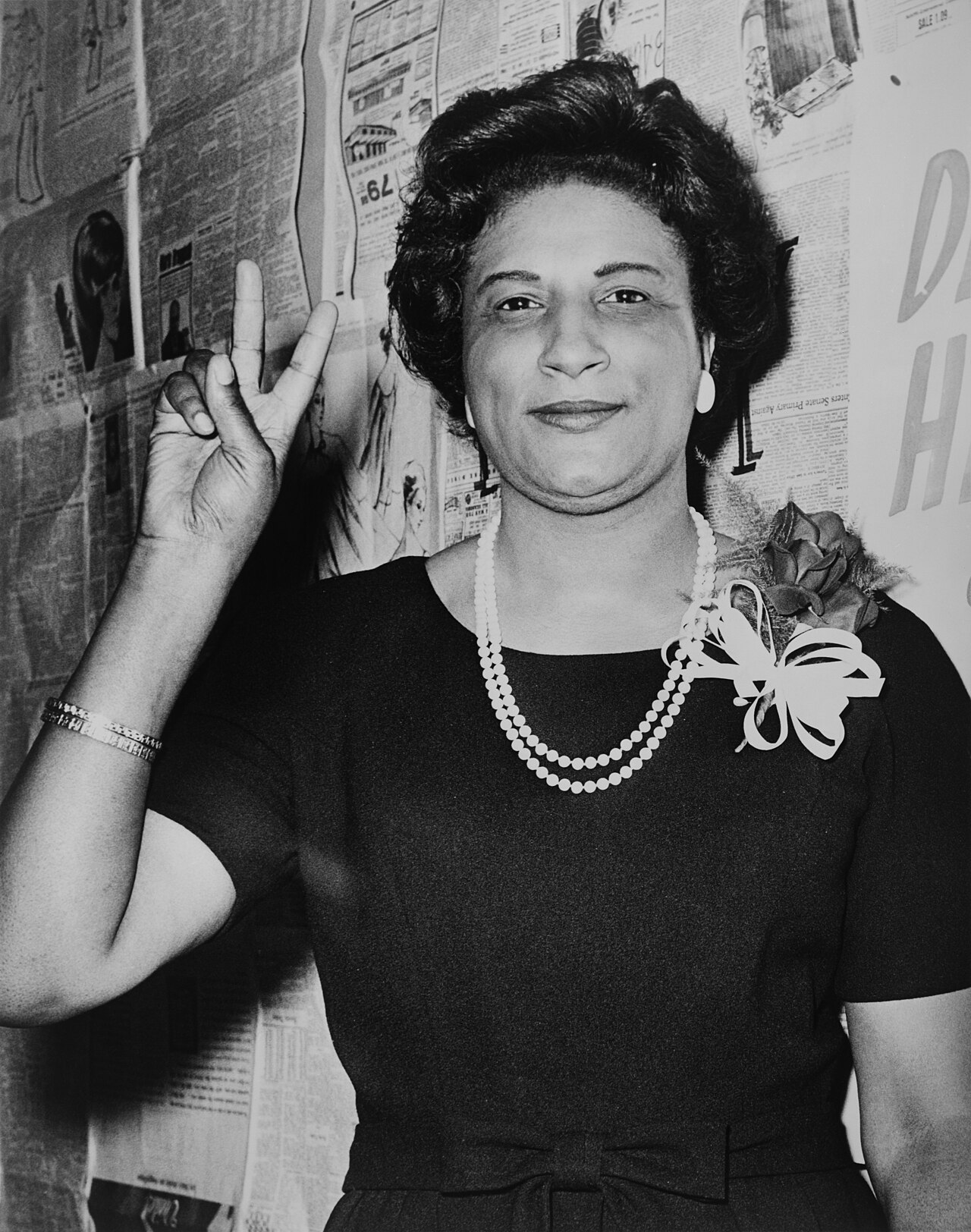
Portrait of Constance Baker Motley as New York State Senator
1964
Ready when you are
Start chatting with Constance Baker Motley now.
20 messages free · No credit card · Available in 50+ languages.