


Secondary sourcePhotograph4 June 2006
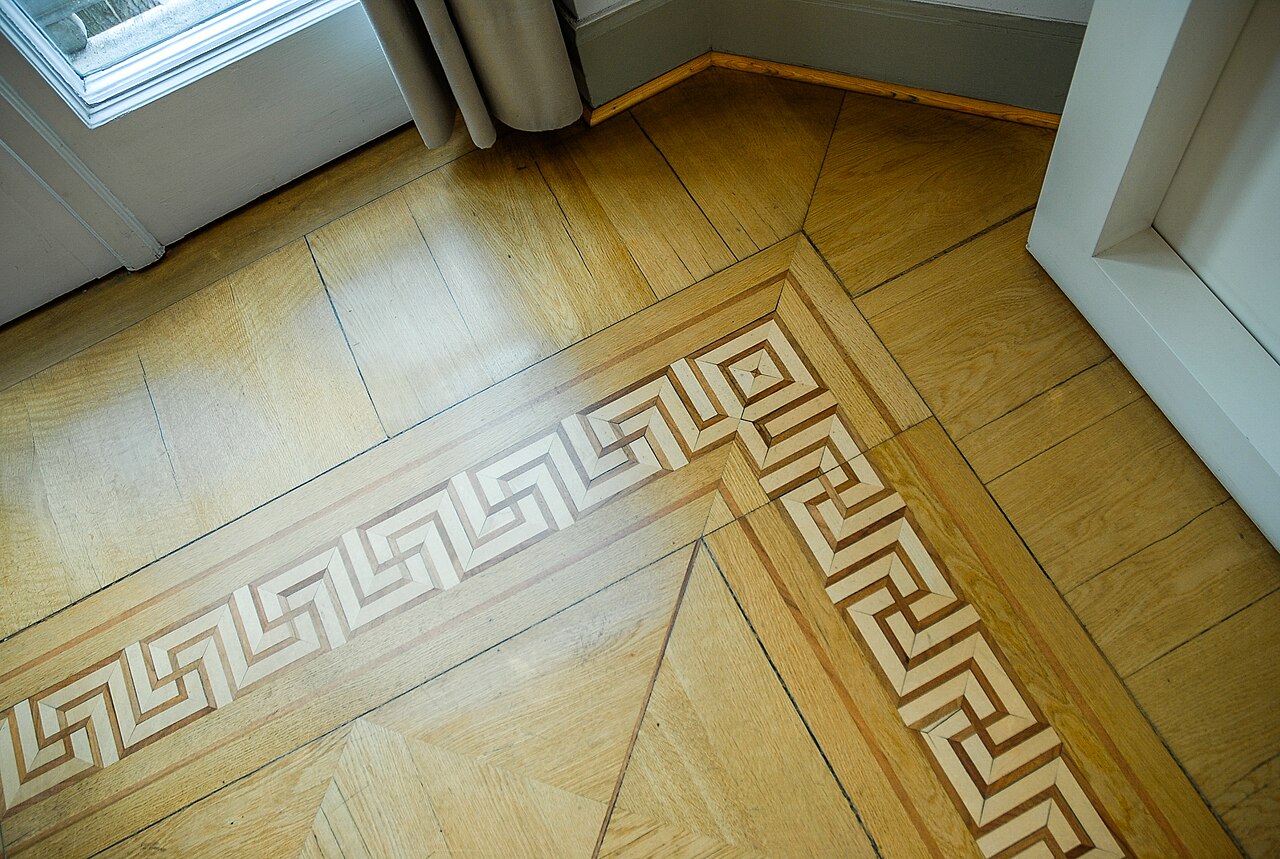
Swastika Parquet Floor, Memorial to the German Resistance
Frankie Fouganthin · 4 June 2006
A photograph of a parquet floor patterned with swastika-form designs inside the Bendlerblock memorial, the building connected to Stauffenberg's resistance activity.
Shows the Bendlerblock floor, the building where Stauffenberg plotted and was later executed.
About this source
What it is
This is a modern photograph of a parquet floor in the Memorial to the German Resistance, housed in the Bendlerblock in Berlin. The floor's inlaid pattern repeats an angular motif identified as swastika-form, a remnant of the building's Nazi-era decoration.
Why it matters
The Bendlerblock was the headquarters of the army plotters, including Claus von Stauffenberg, who tried to overthrow Hitler's regime in July 1944. That the memorial to their resistance stands on a floor still bearing Nazi symbols is a stark reminder of how closely resistance and regime occupied the same physical space.
Look closer
- Why might the memorial choose to keep this flooring rather than replace it?
- What does this detail tell you about the building's layered history?
- How does seeing this symbol in a memorial to resistance change how you read the space?
This photograph is part of the curated material that grounds the AI version of Claus von Stauffenberg on Humy.ai — when students ask about related events, the AI can quote it and cite it.
More Claus von Stauffenberg sources
Browse all 59 →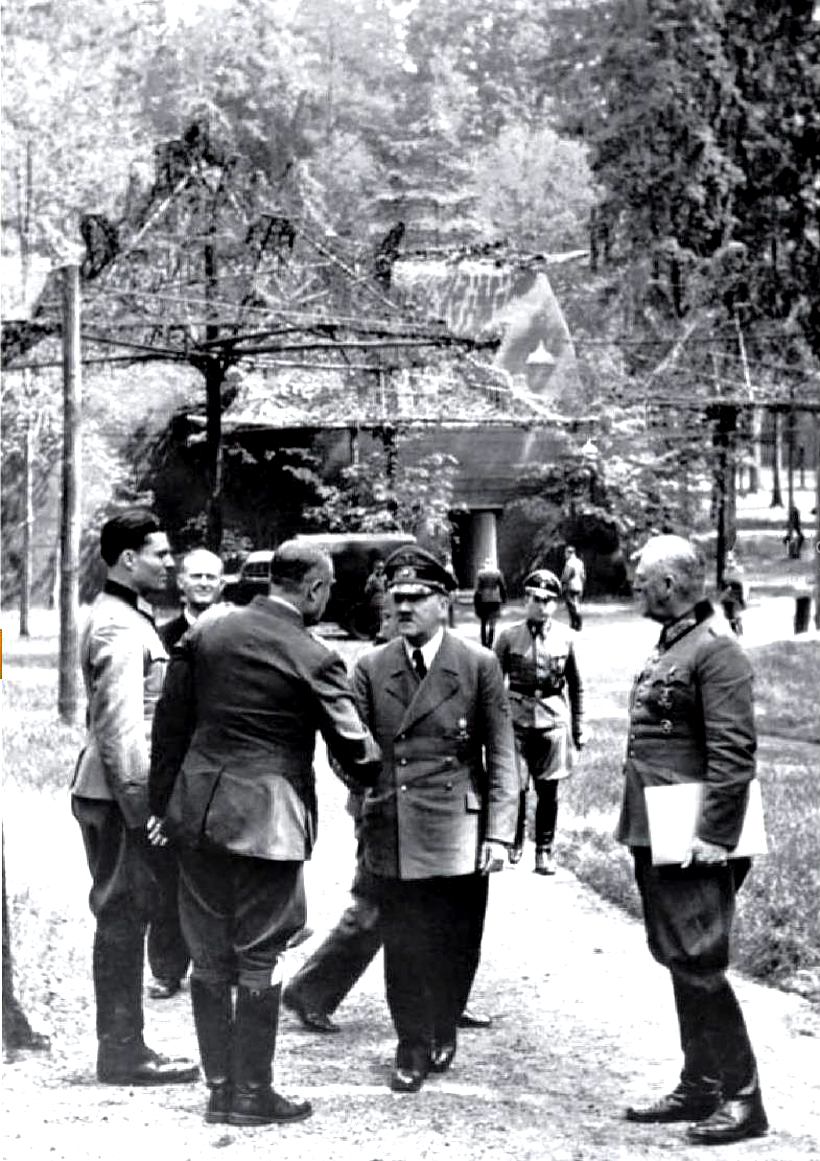 Photograph
Primary source
Photograph of Stauffenberg at the Wolf's Lair
15 July 1944
 Photograph
Primary source
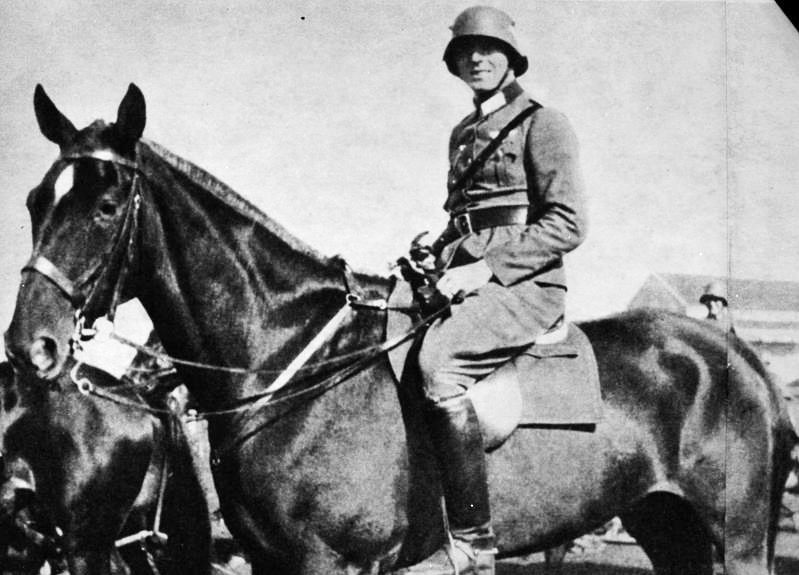
Portrait Photograph of Claus Schenk Graf von Stauffenberg on Horseback
before 1943
 Document
Secondary source
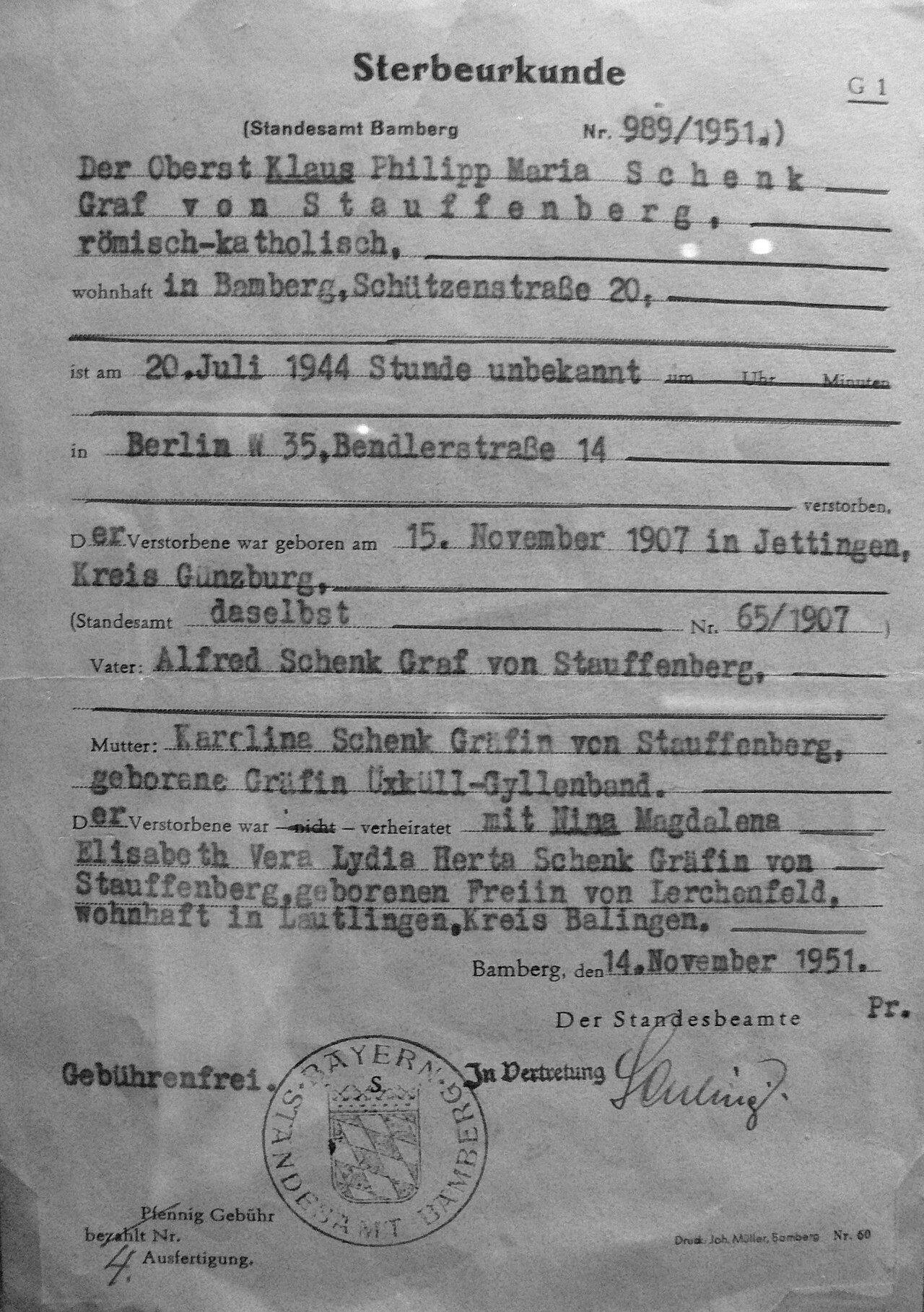
Death Certificate of Claus Schenk Graf von Stauffenberg
14 November 1951
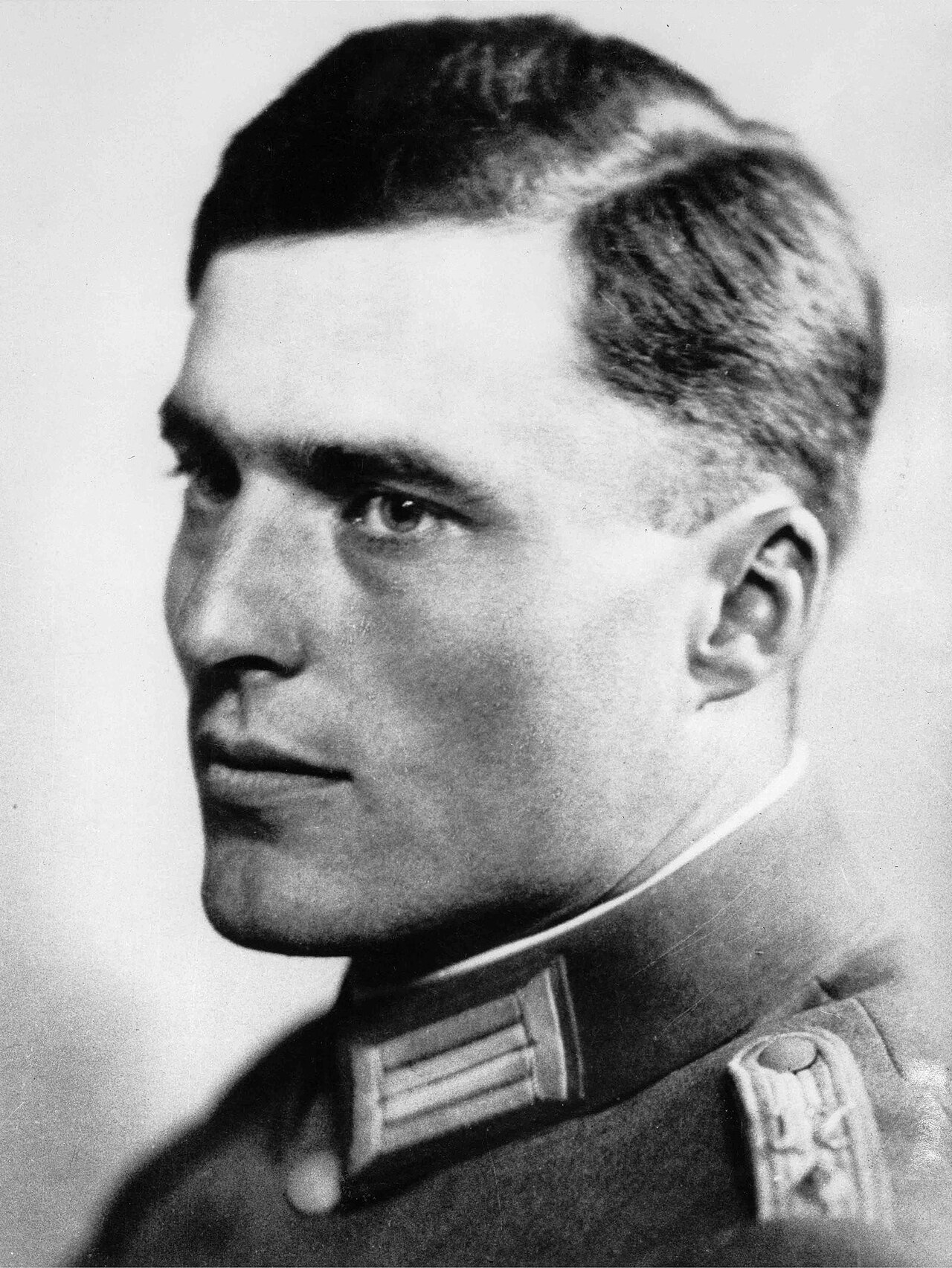 Photograph
Primary source
Portrait Photograph of Claus von Stauffenberg
before 1943
Free account
Read every Claus von Stauffenberg source
Sign up free →
Ready when you are
Start chatting with Claus von Stauffenberg now.
20 messages free · No credit card · Available in 50+ languages.