


Secondary sourceArtifact
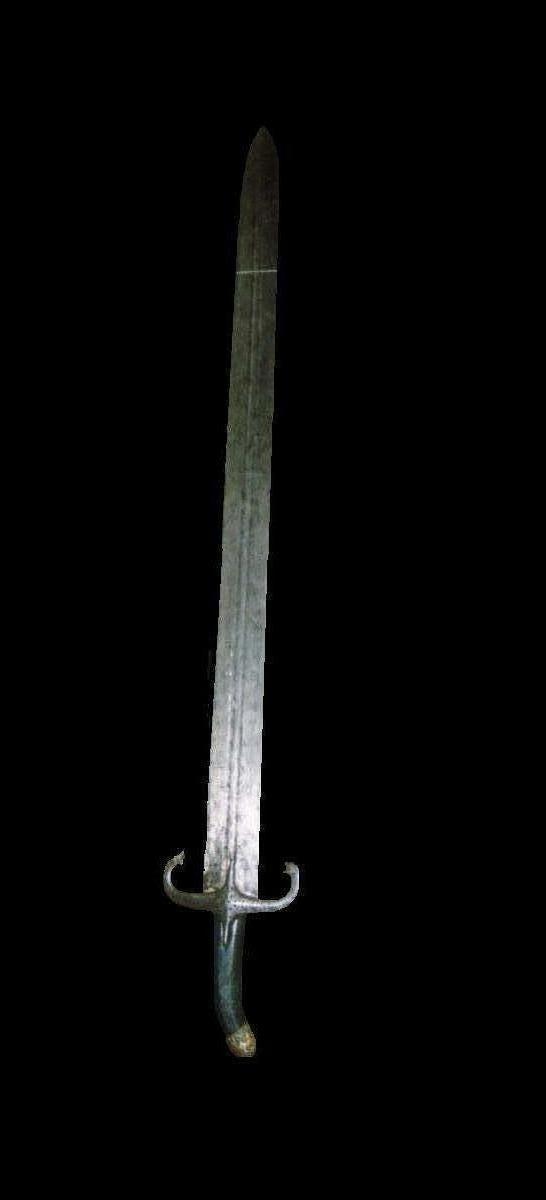
Sword of Umar ibn al-Khattab
A sword attributed to Umar, kept among relics in the Topkapı Palace, with a later hilt added by subsequent rulers.
This sword, attributed to Umar, shows how later rulers preserved and venerated objects connected to his memory.
About this source
What it is
This long, double-edged sword is traditionally attributed to Caliph Umar ibn al-Khattab. It is kept among a collection of relics associated with early Islamic figures at the Topkapı Palace. The hilt visible today was added later, replacing whatever original grip the sword may have had.
Why it matters
Objects like this sword show how later Muslim rulers, especially the Ottomans who held the Topkapı relics, sought to preserve and venerate physical connections to the Prophet's companions. The later hilt is a reminder that such relics were cared for and sometimes altered across centuries, which affects how certain we can be about their original form.
Look closer
- What does a later-added hilt tell you about how this object was used and cared for over time?
- Why might rulers centuries after Umar want to own and display a sword linked to him?
- What kind of evidence would help confirm whether this sword truly belonged to Umar?
This artifact is part of the curated material that grounds the AI version of Caliph Umar ibn al-Khattab on Humy.ai — when students ask about related events, the AI can quote it and cite it.
More Caliph Umar ibn al-Khattab sources
Browse all 54 →Secondary source
Umar's Assurance
637-638
 Book
Secondary source
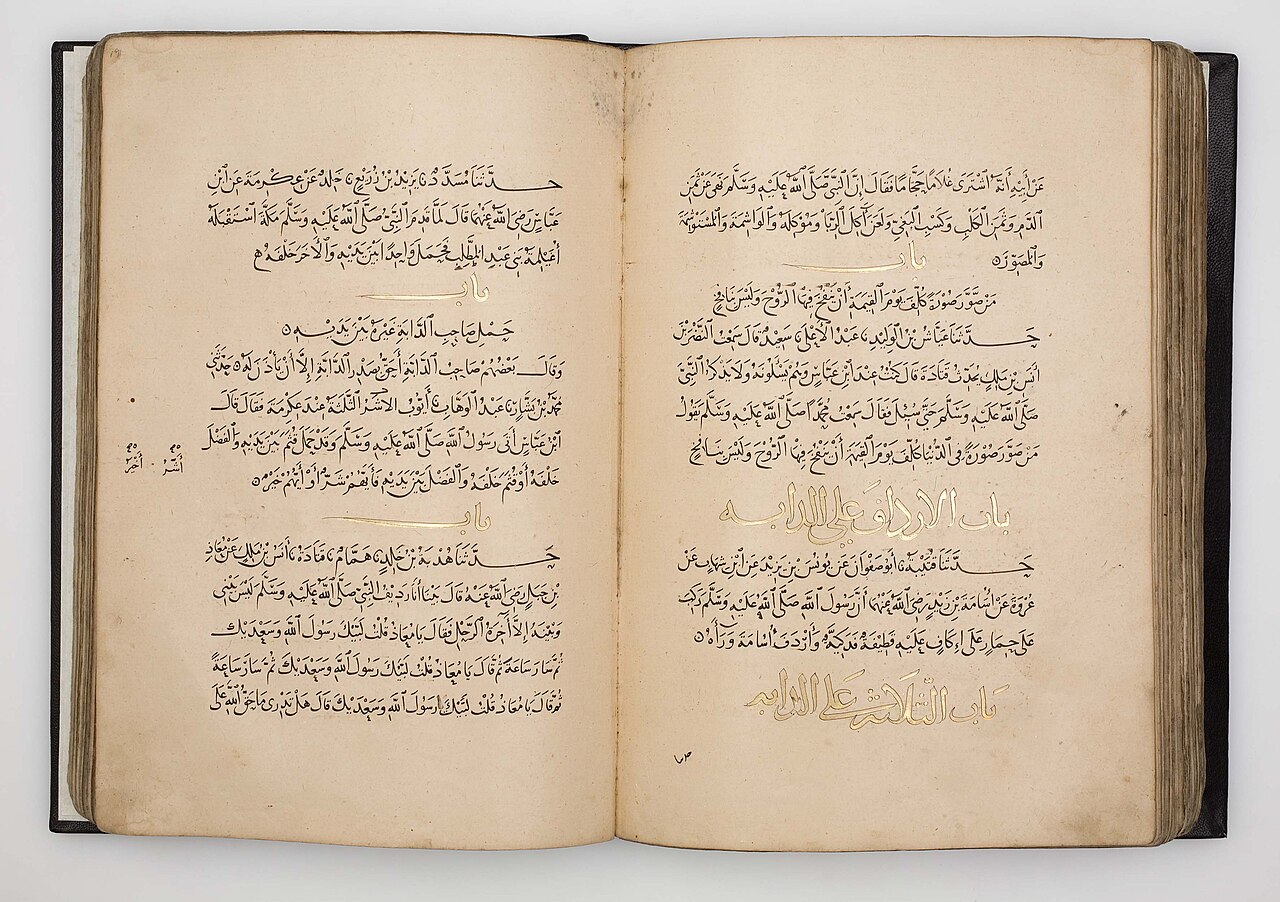
Sahih al-Bukhari
Muhammad ibn Isma'il al-Bukhari · c. 846 CE
 Book
Primary source
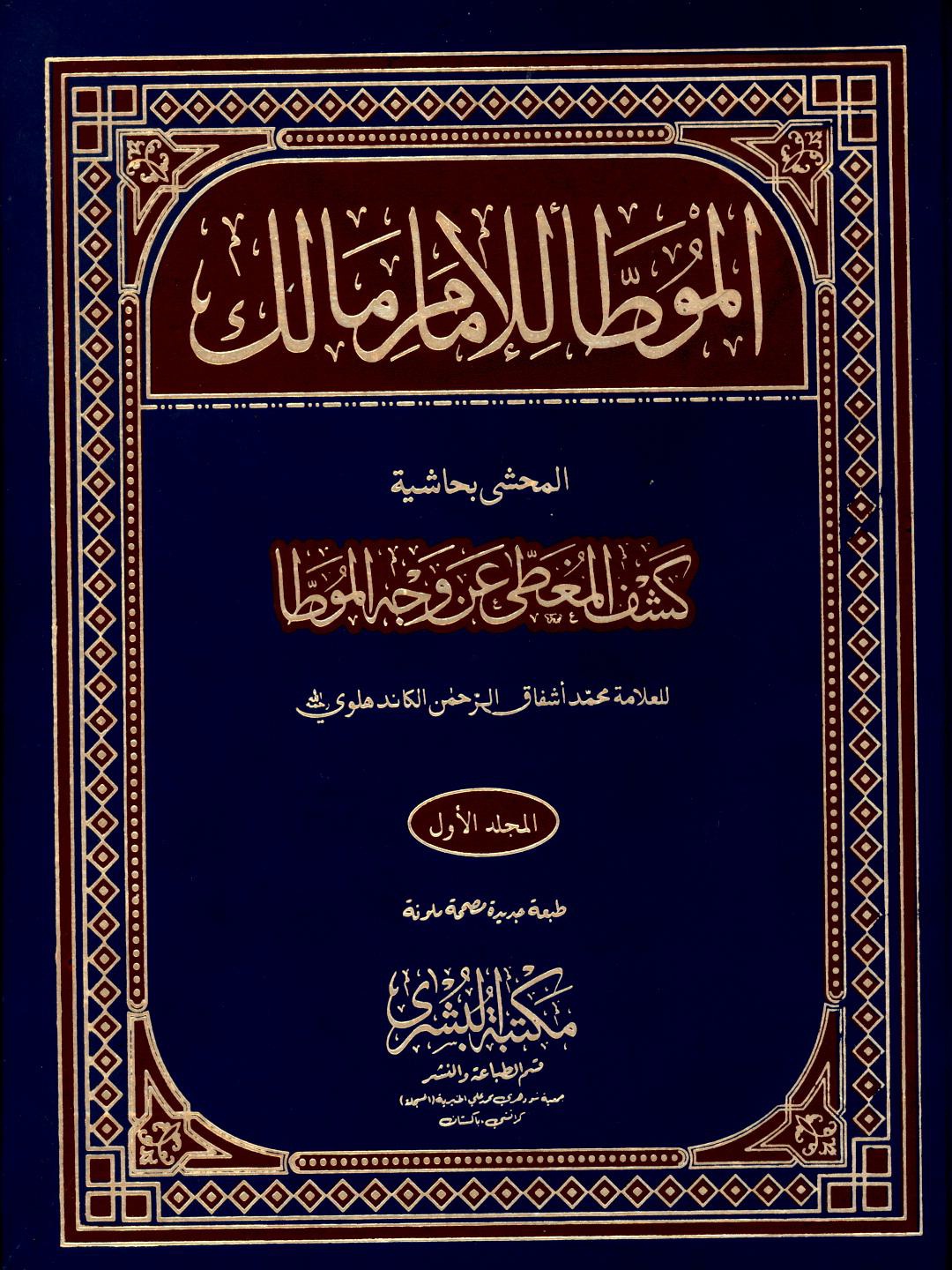
al-Muwatta
Malik ibn Anas · 8th century
 Book
Secondary source
Futuh al-Buldan
Al-Baladhuri · 9th century
Free account
Read every Caliph Umar ibn al-Khattab source
Sign up free →
Ready when you are
Start chatting with Caliph Umar ibn al-Khattab now.
20 messages free · No credit card · Available in 50+ languages.