


Primary sourceArtifact1899-1900
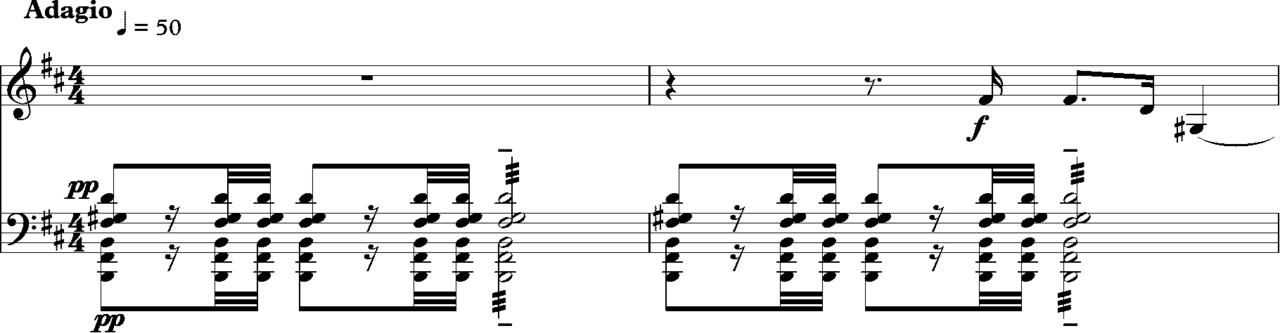
Symphony No. 4
Gustav Mahler · 1899-1900
A classically scaled symphony by Gustav Mahler ending with a Wunderhorn song that depicts a child's vision of heaven.
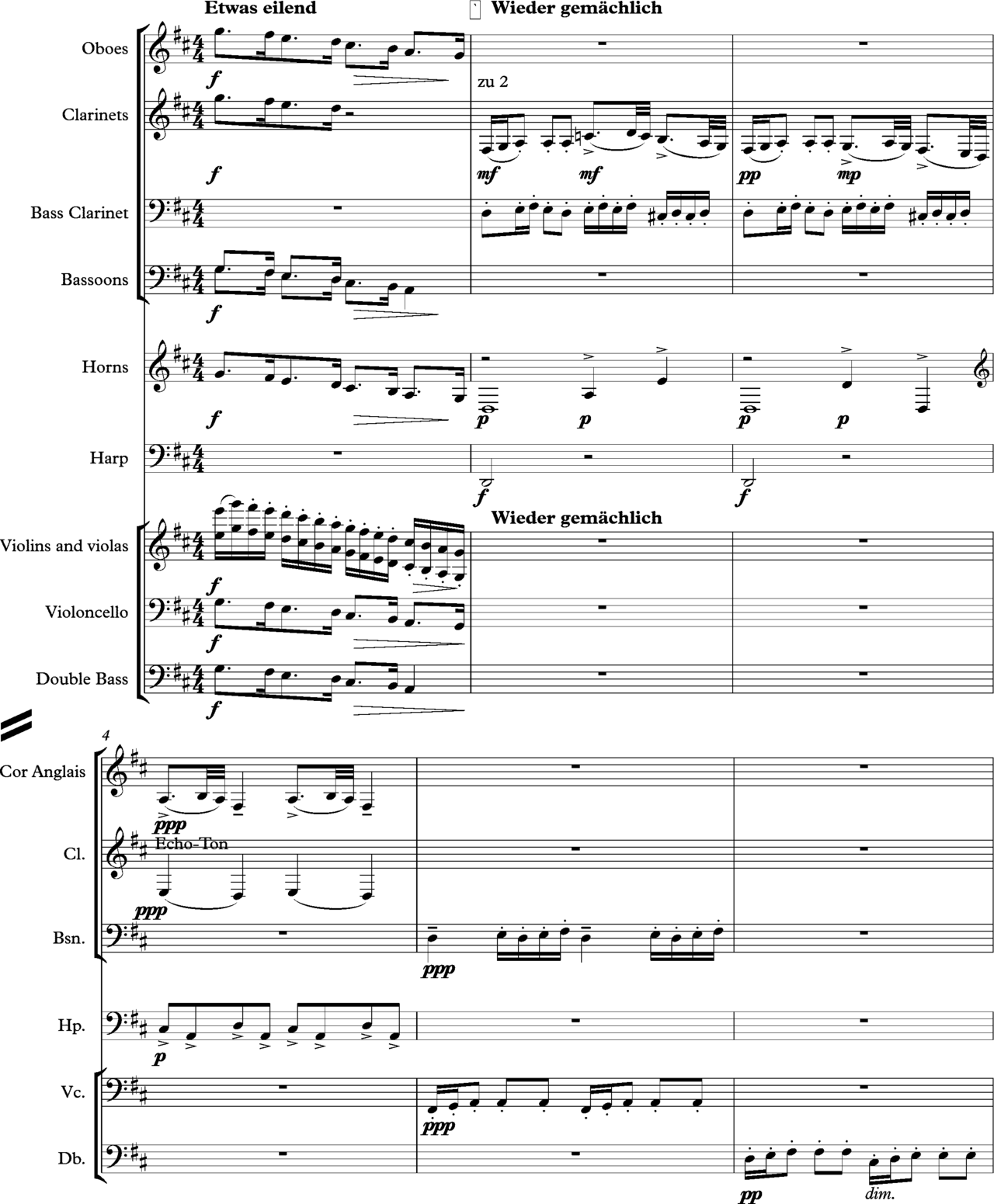
Mahler composed this symphony, built around a song he called its 'tapering spire', premiering it himself in 1901.
About this source
What it is
Composed by Gustav Mahler between 1899 and 1900, this symphony incorporates an earlier song, 'Das himmlische Leben' ('The Heavenly Life'), written in 1892, which Mahler called the 'tapering spire' of the whole work. The finale sets this song for solo soprano, depicting a child's vision of heaven. It premiered in Munich on 25 November 1901, conducted by Mahler, to a poor reception.
Why it matters
Smaller and shorter than Mahler's earlier symphonies, this work is the last of his three 'Wunderhorn' symphonies drawing on German folk poetry. Though first received with hostility, it later became one of Mahler's most popular works and, according to musicologist Donald Mitchell, helped drive the post-war revival of interest in his music.
Look closer
- Why might a gentler, smaller-scale symphony about a child's vision of heaven have confused Mahler's audiences at first?
- What can you learn about Mahler's working methods from the fact that the finale began as an earlier song?
- What does an orchestral score page like this one show that a recording cannot?
This artifact is part of the curated material that grounds the AI version of Gustav Mahler on Humy.ai — when students ask about related events, the AI can quote it and cite it.
More Gustav Mahler sources
Browse all 98 →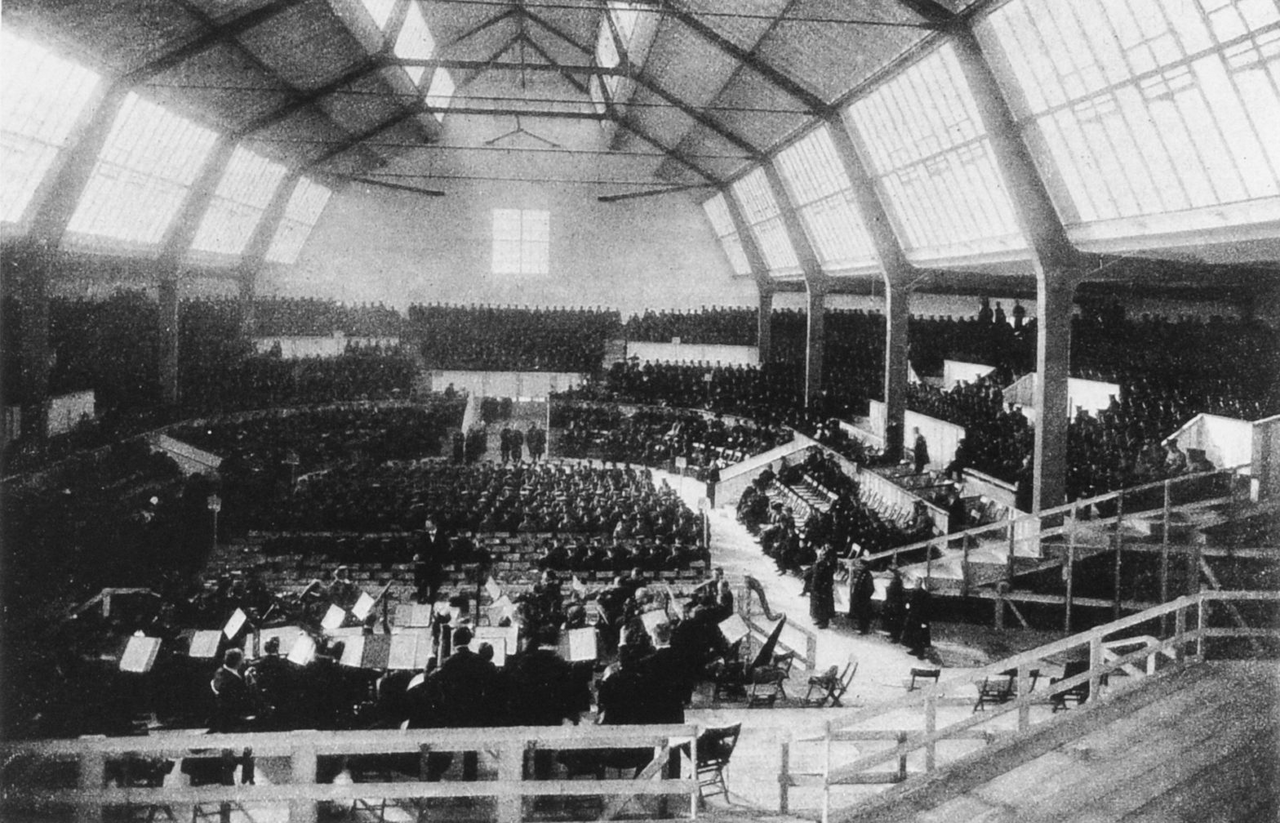 Artifact
Primary source
Symphony No. 8
Gustav Mahler · 1906-1907, premiered 12 September 1910
 Artifact
Primary source
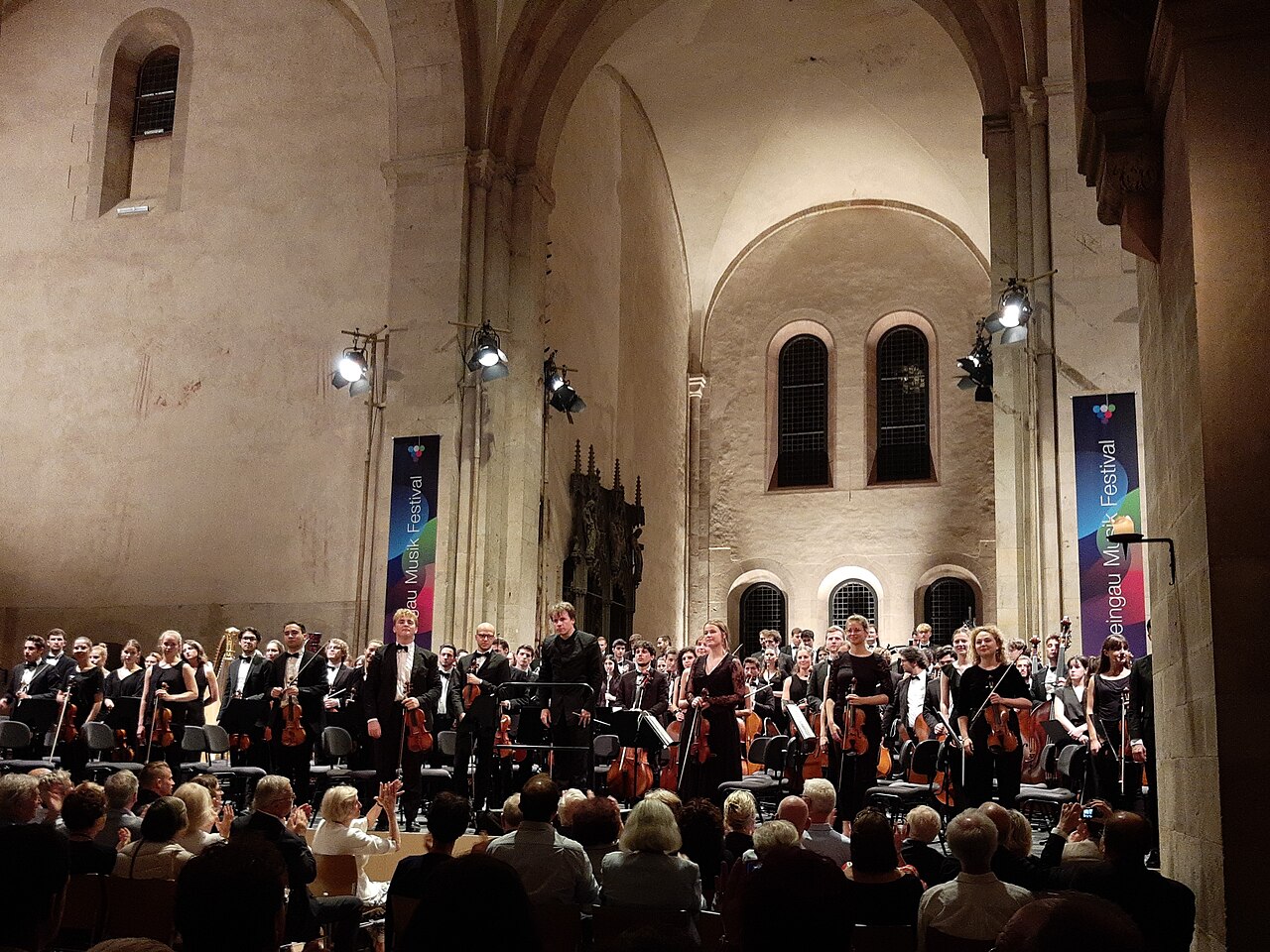
Symphony No. 9
Gustav Mahler · 1908-1909
 Photograph
Primary source
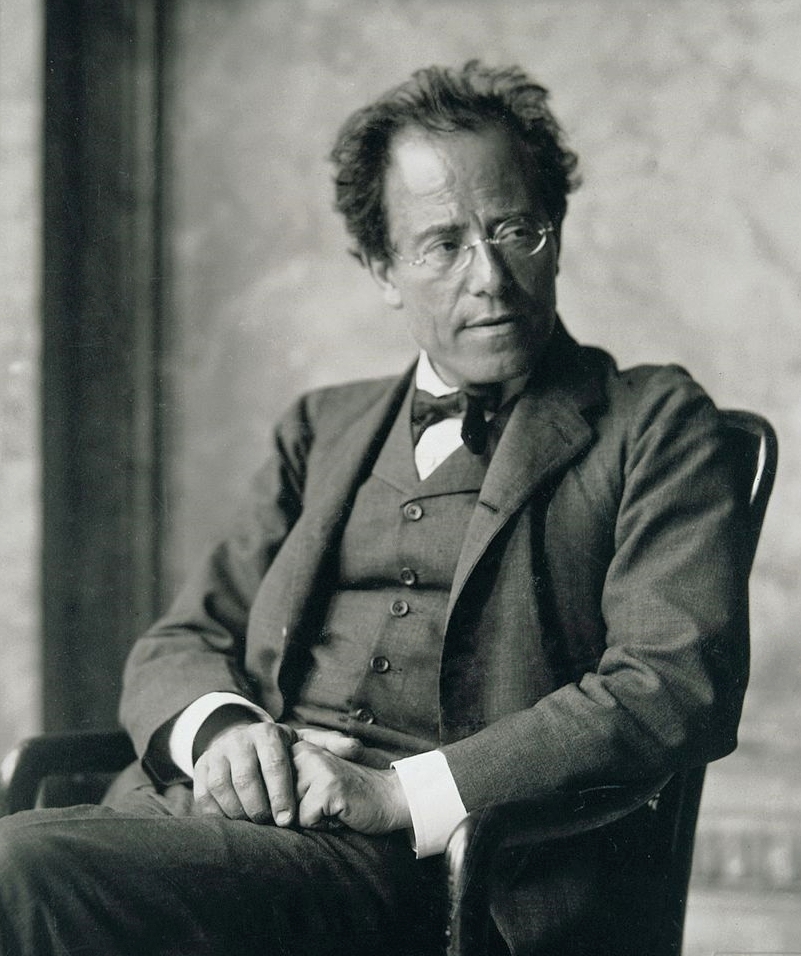
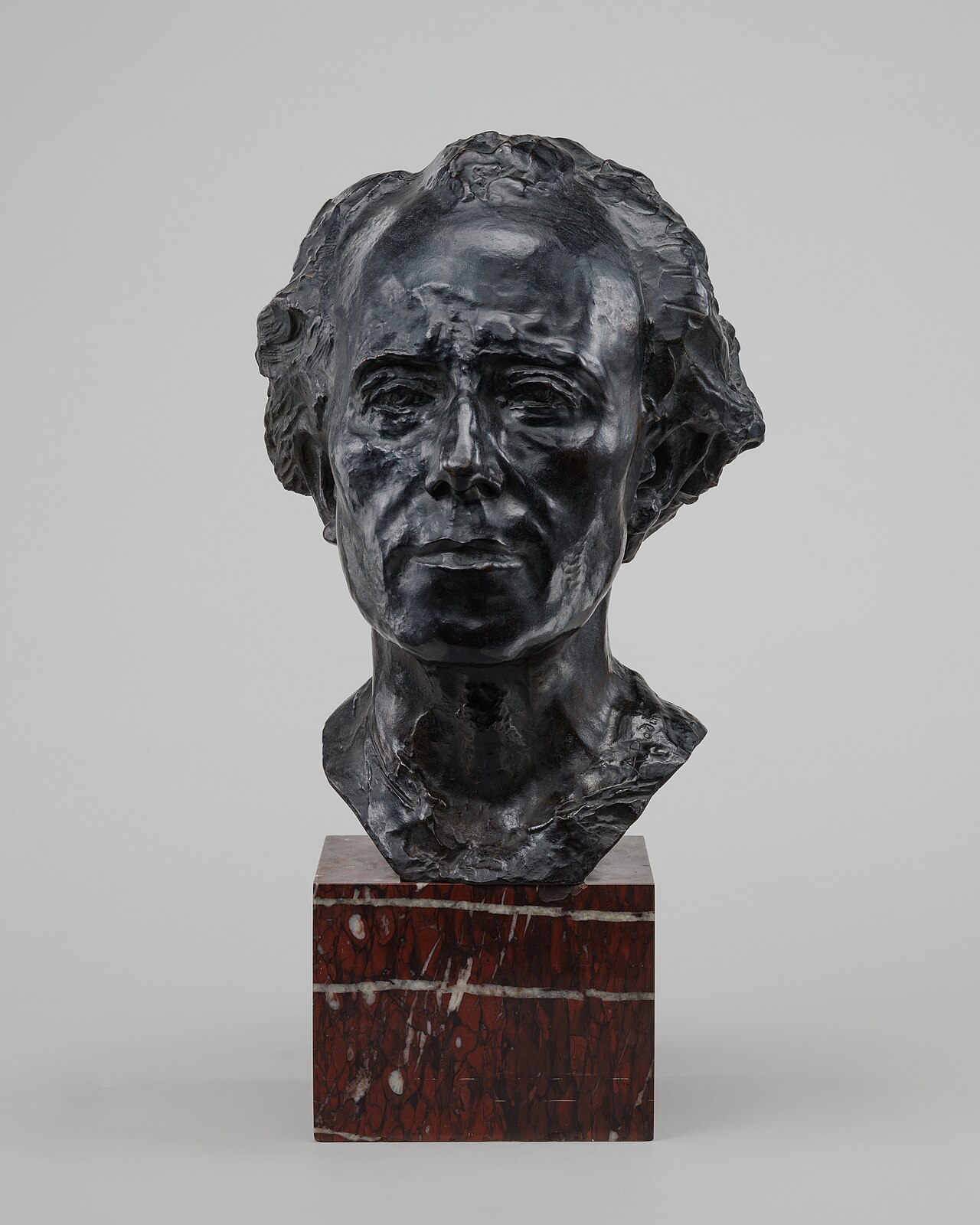
Portrait of Gustav Mahler
Moritz Nähr · 1907
 Document
Primary source
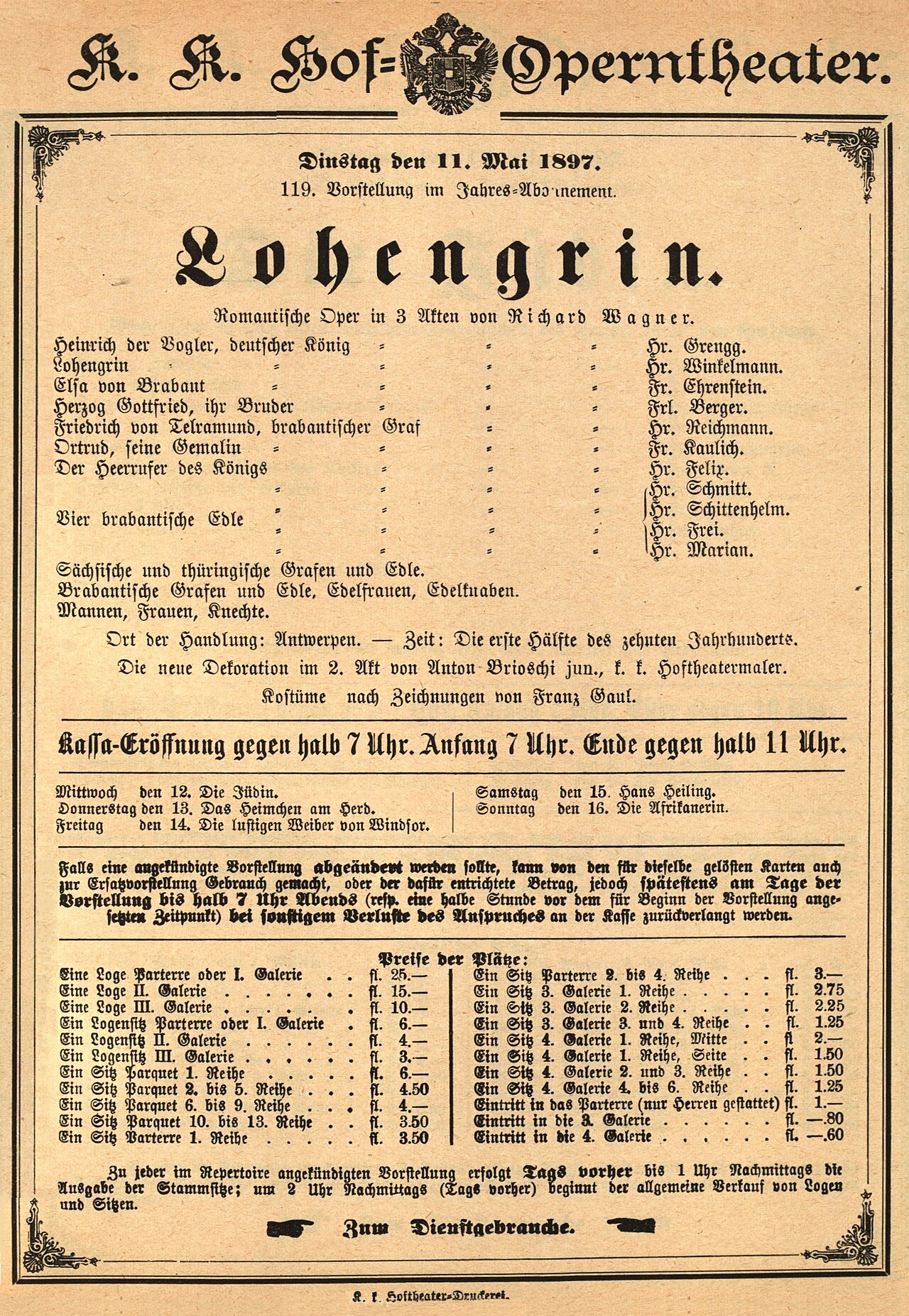
Playbill for Lohengrin, 11 May 1897
11 May 1897

Free account
Read every Gustav Mahler source
Sign up free →
Ready when you are
Start chatting with Gustav Mahler now.
20 messages free · No credit card · Available in 50+ languages.