


Primary sourceDocument1772
Symphony No. 45 (Farewell Symphony)
Joseph Haydn · 1772
Haydn's 1772 symphony in which musicians leave one by one, a musical hint to his patron that the orchestra wanted to go home.
Haydn composed and performed this symphony himself as Kapellmeister, using it to signal his musicians' wishes to his patron.

About this source
What it is
This is Haydn's Symphony No. 45, dated 1772 on the autograph score, nicknamed the 'Farewell' Symphony. The manuscript is kept in the National Széchényi Library in Budapest. It was written while Haydn worked as Kapellmeister for Prince Nikolaus Esterházy.
Why it matters
According to a story Haydn told late in life to his biographers, the musicians at Esterházy's summer palace missed their families and asked Haydn to help. Instead of speaking directly to the Prince, Haydn wrote their longing into the music: in the final movement, each player stops, snuffs out their candle, and leaves, until only two violins remain. The Prince understood, and the court returned home soon after. The symphony shows how a composer who depended entirely on an aristocratic patron could still use his art to communicate difficult requests.
Look closer
- Why might Haydn have chosen music, rather than words, to make this request?
- What does this story suggest about the relationship between a court composer and his employer?
- How might the audience in the room have reacted to seeing musicians leave one by one?
This document is part of the curated material that grounds the AI version of Joseph Haydn on Humy.ai — when students ask about related events, the AI can quote it and cite it.
More Joseph Haydn sources
Browse all 77 →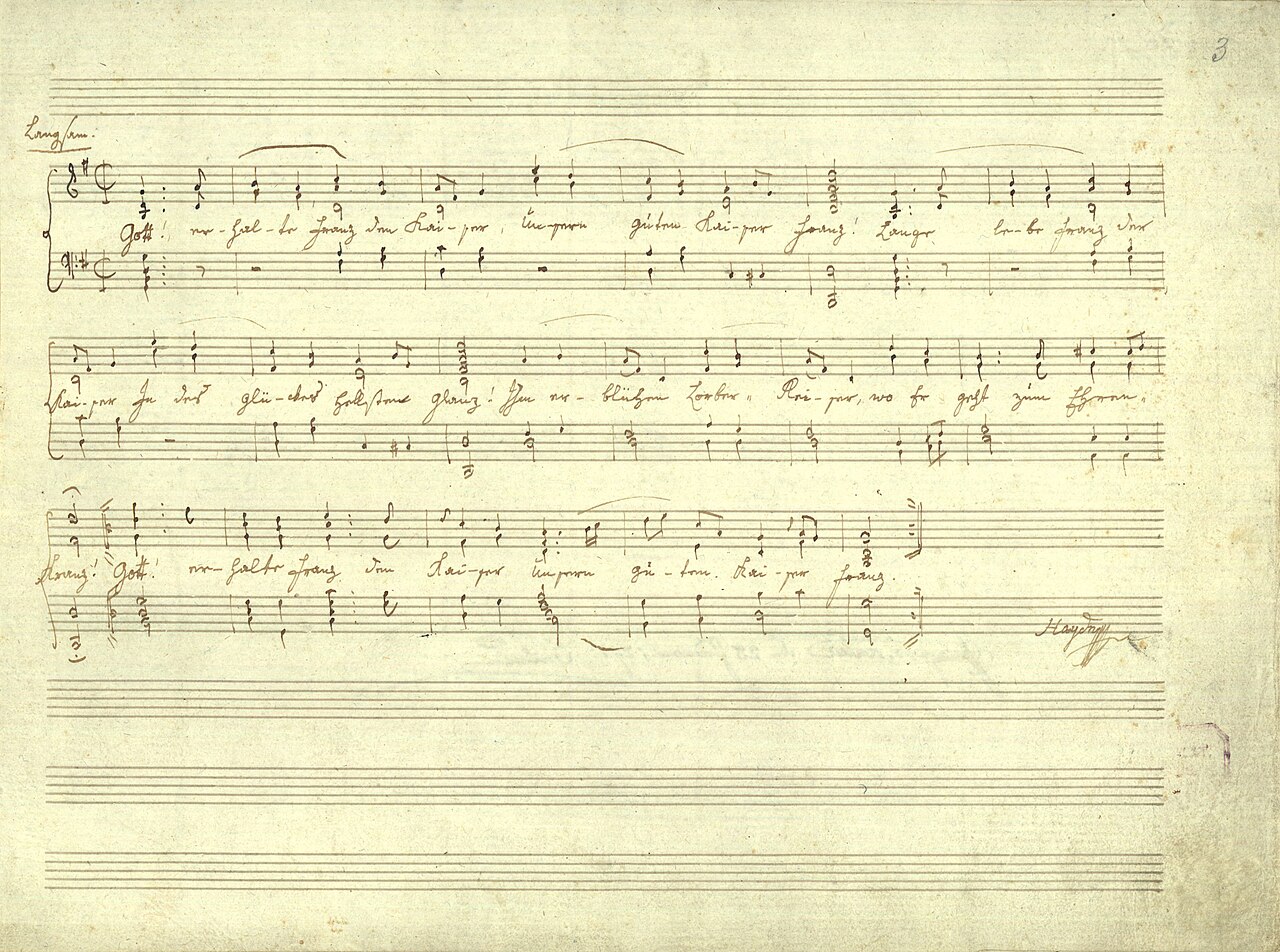 Document
Primary source
Gott erhalte Franz den Kaiser
Joseph Haydn · 1797
 Painting
Primary source
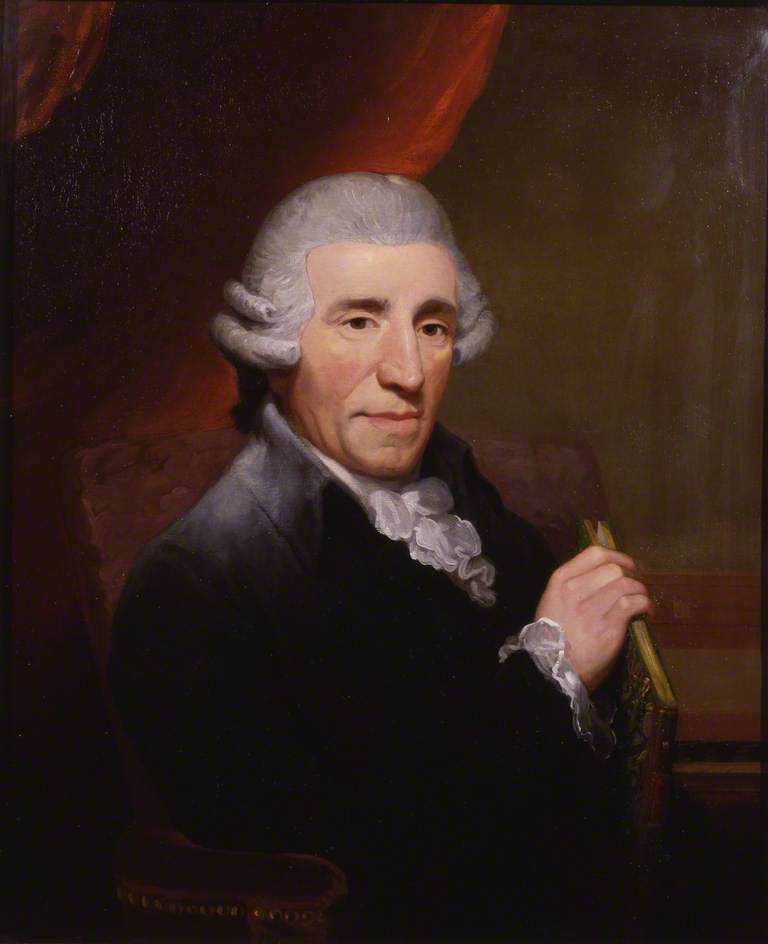
Joseph Haydn
Thomas Hardy · 1791
 Book
Primary source
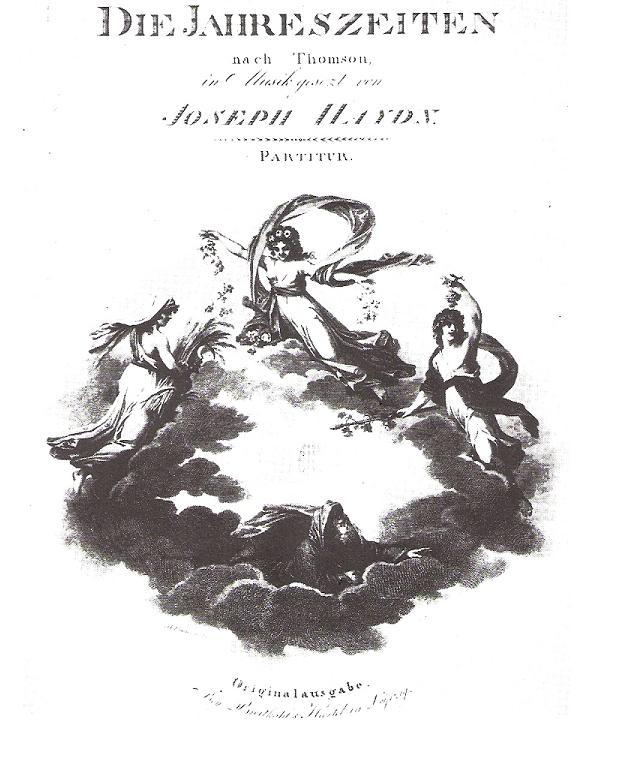
The Seasons
Joseph Haydn · 1801 (published 1802)
 Document
Primary source
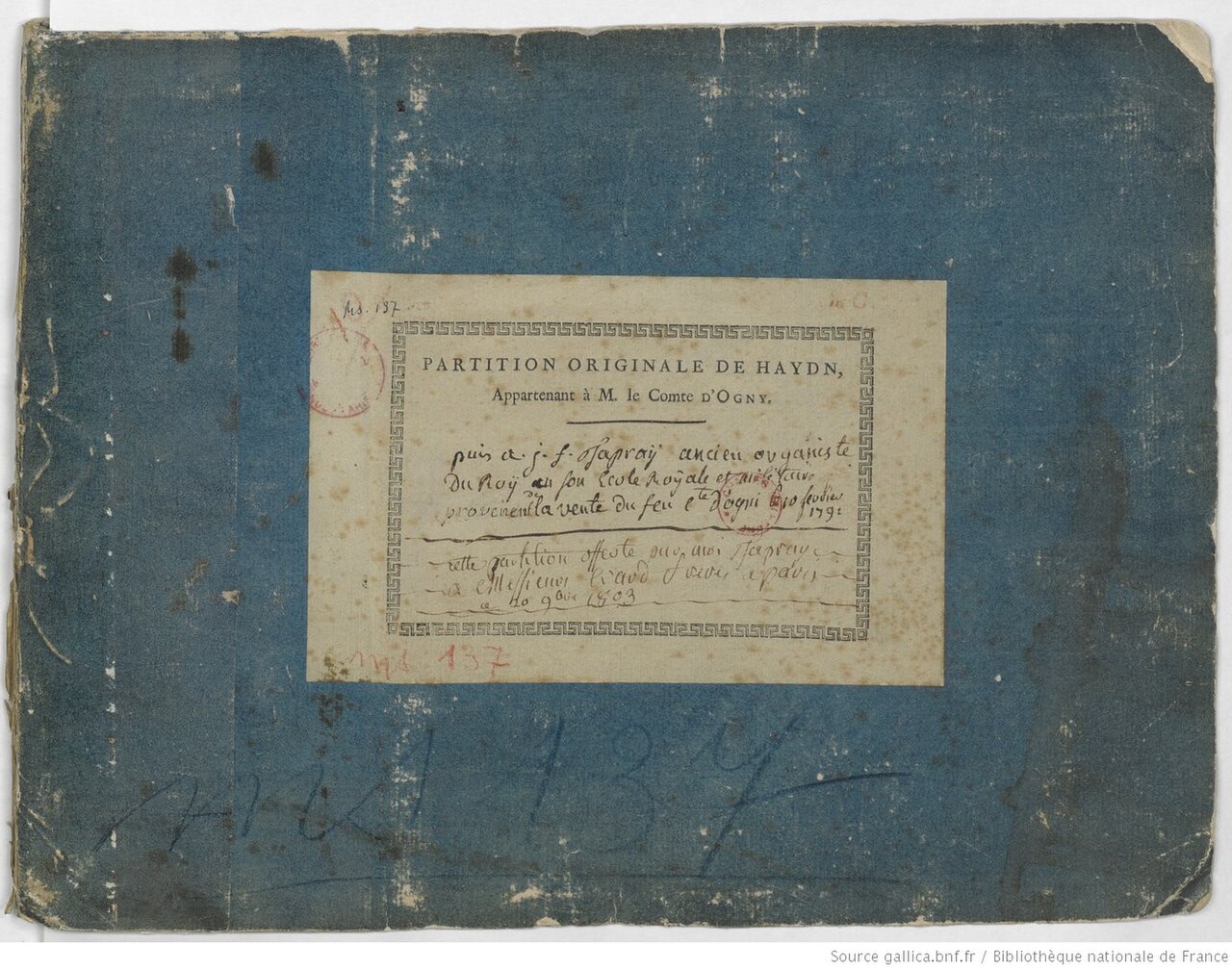
Paris symphonies
Joseph Haydn · 1785–1786

Free account
Read every Joseph Haydn source
Sign up free →
Ready when you are
Start chatting with Joseph Haydn now.
20 messages free · No credit card · Available in 50+ languages.