


Primary sourceDocument1903
System of Signaling
Nikola Tesla · 1903
Nikola Tesla's 1903 US patent describing a system that sends electrical impulses through natural media to control distant appliances or automata. It shows his early work on wireless signalling.
Shows Tesla as the inventor of an early wireless control and signalling system, which is central to his work on remote control.
About this source
What it is
This is United States patent No. 725,605, titled System of Signaling, granted to Nikola Tesla of New York and dated 14 April 1903 in its heading. The specification describes systems that send electrical impulses through natural media to a distant receiving circuit, which can respond to the impulses and control other appliances or distant automata. The patent is a public legal record, and the text itself is the artifact.
Why it matters
Tesla spent many years on wireless transmission and remote control, and this patent shows him trying to send controlling messages without wires. A curator's note in this archive says the patent anticipates later radio techniques. Reading it helps students see how inventors of the early 1900s framed the problem of wireless communication, a field that many other engineers and companies would later shape.
Look closer
- What problem does Tesla say his system solves, according to the opening of the text?
- Why does a patent use such formal wording, such as 'To all whom it may concern'?
- What does the document leave out about how well the system actually worked in practice? Also check why its dates differ within the text.
This document is part of the curated material that grounds the AI version of Nikola Tesla on Humy.ai — when students ask about related events, the AI can quote it and cite it.
More Nikola Tesla sources
Meet the AI Nikola Tesla →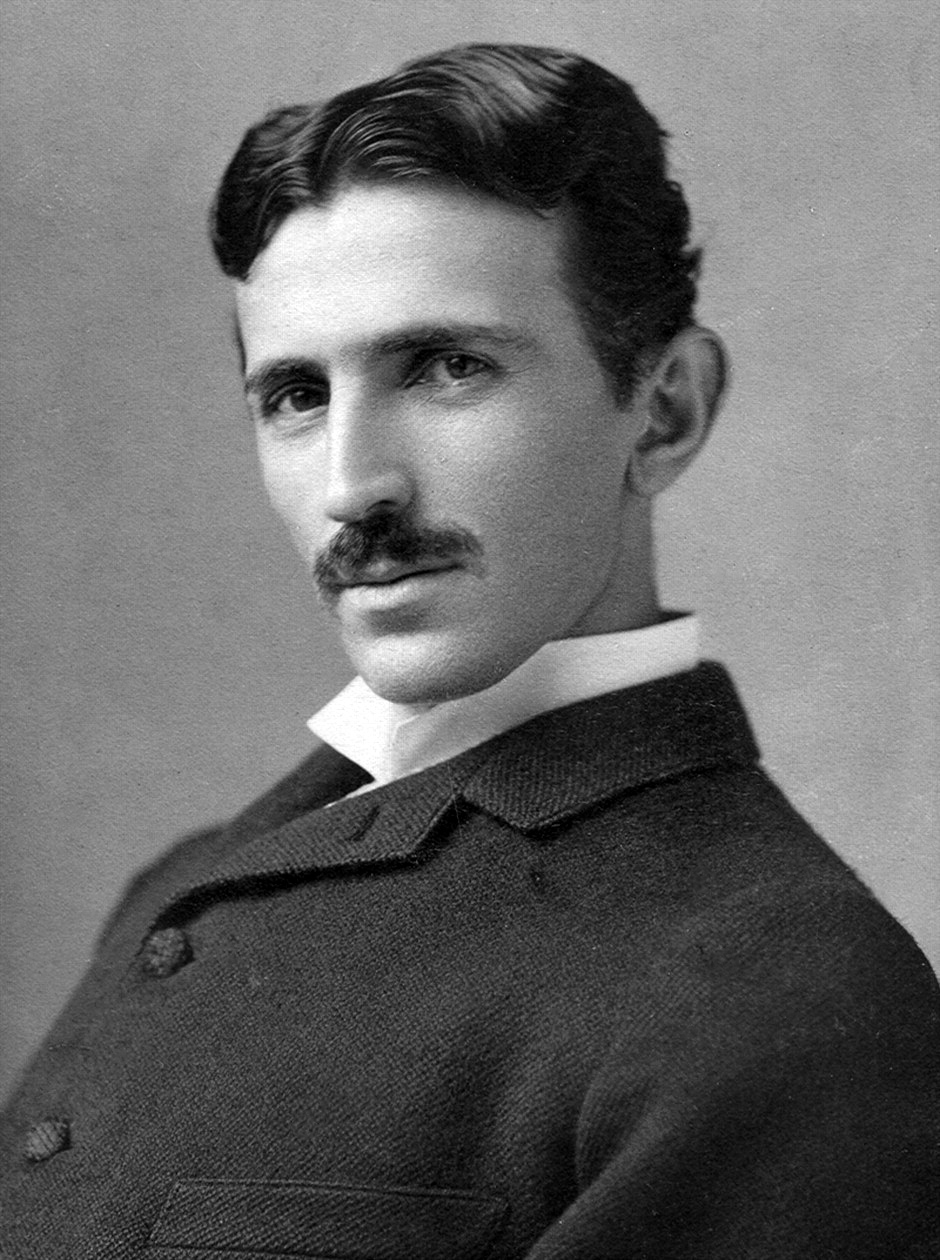 Photograph
Primary source
Portrait of Nikola Tesla
Napoleon Sarony · c. 1890
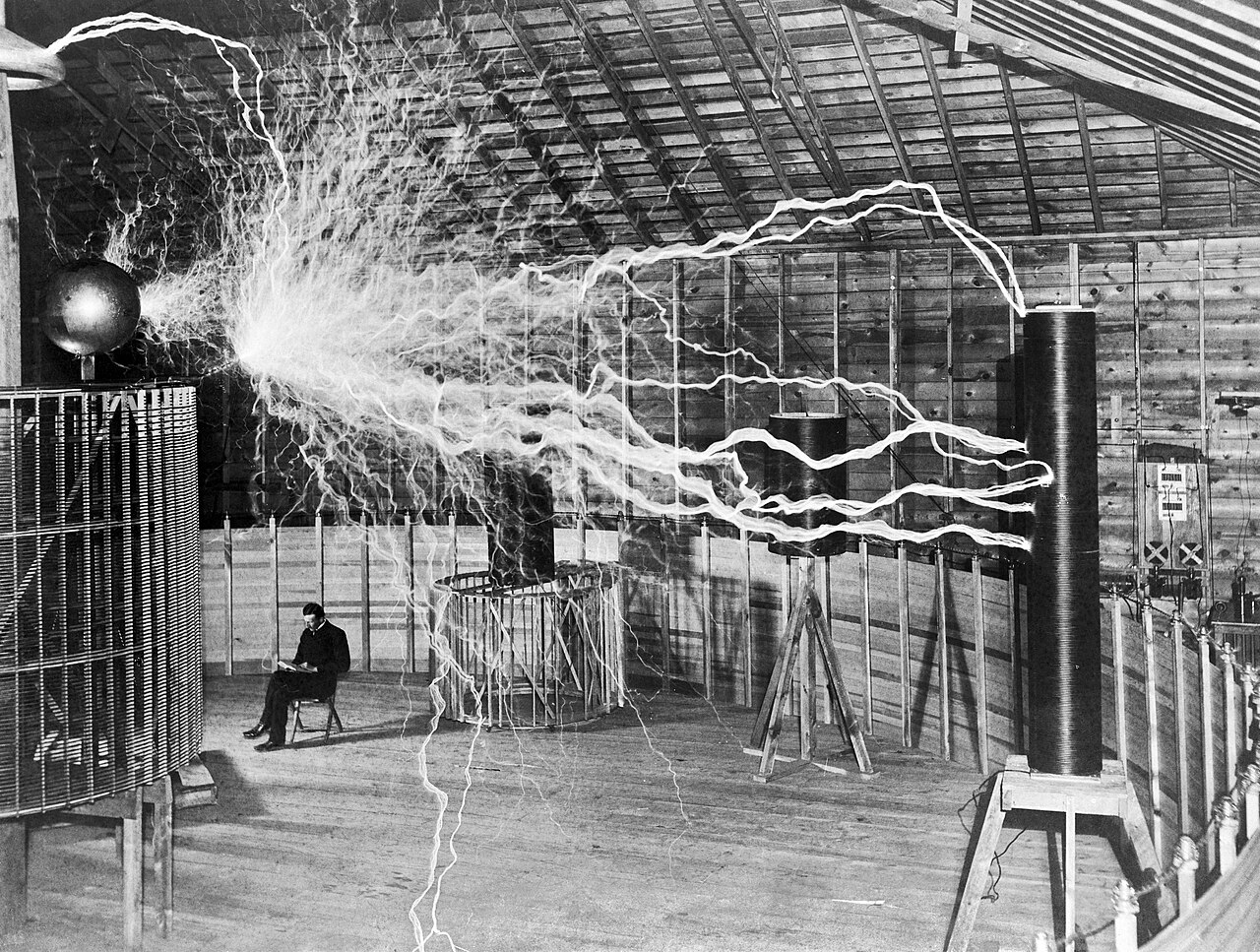 Photograph
Primary source
Nikola Tesla with his Equipment at Colorado Springs
Dickenson V. Alley · c. 1899
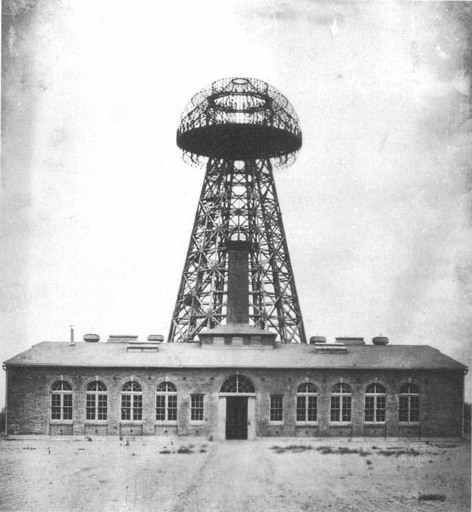 Artifact
Primary source
Wardenclyffe Tower
Nikola Tesla · 1901-1904
 Book
Primary source
Experiments with Alternate Currents of High Potential and High Frequency
Nikola Tesla · 1892
 Artifact
Primary source
Tesla's Egg of Columbus
Nikola Tesla · 1893
Ready when you are
Start chatting with Nikola Tesla now.
20 messages free · No credit card · Available in 50+ languages.