


Primary sourceDocumentFiled 1897, patented 20 March 1900
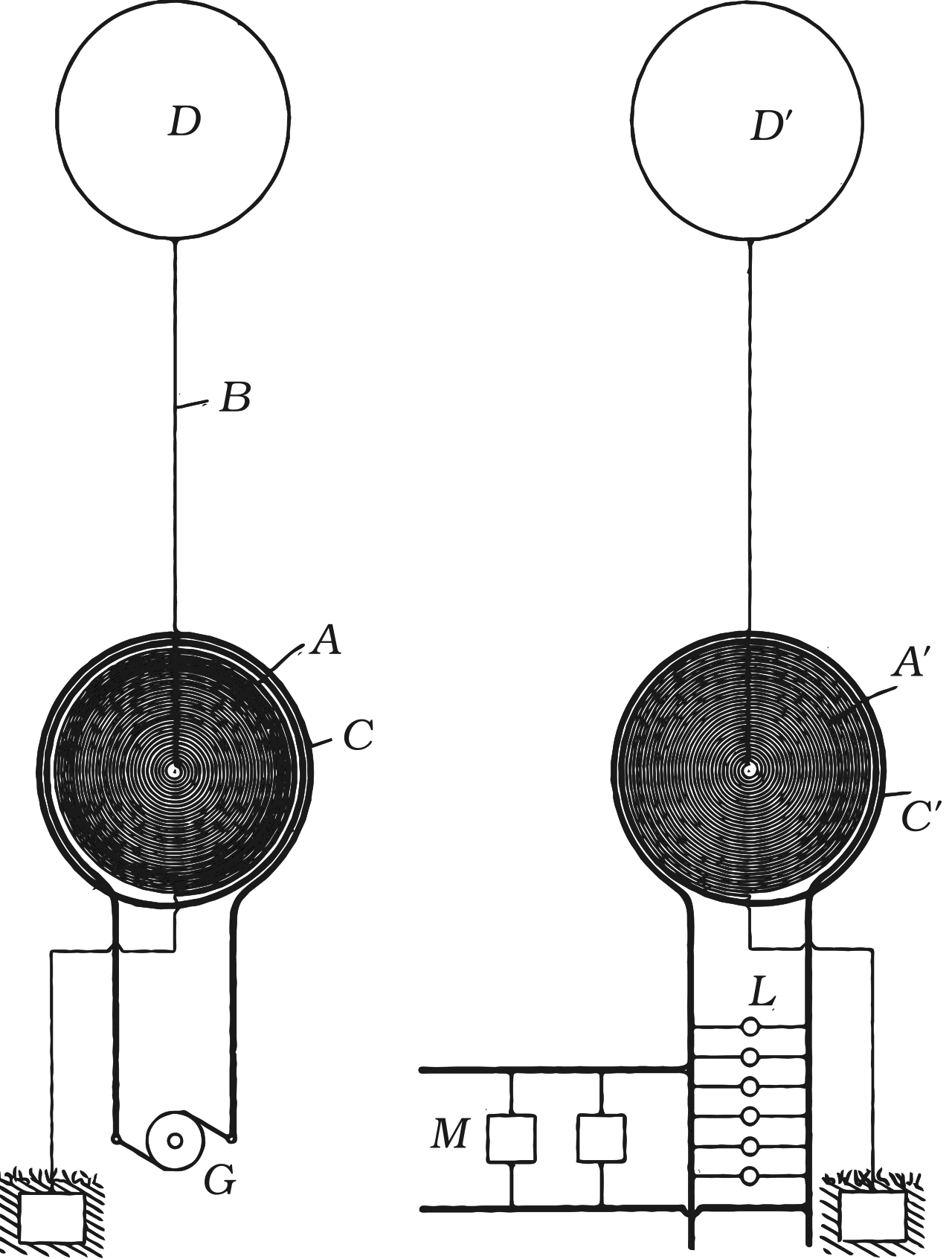
System of Transmission of Electrical Energy
Nikola Tesla · Filed 1897, patented 20 March 1900
Tesla's 1900 patent for a tuned-circuit wireless transmission system, later central to disputes over the invention of radio.
Tesla's tuned-circuit wireless patent, later central to debates over the invention of radio.
About this source
What it is
This is a United States patent filed by Nikola Tesla in 1897 and granted in 1900, describing a system for transmitting electrical energy. The patent diagram shows spherical terminals connected to coiled windings, with a ground connection and a bank of lamps.
Why it matters
This patent, numbered 645,576, became central to later legal and historical disputes over who truly invented radio technology, since it describes tuned-circuit methods for transmitting electrical energy wirelessly. It reflects Tesla's early work on wireless transmission, years before he built his large Wardenclyffe tower.
Look closer
- What does the diagram's use of large spherical terminals suggest about how the system was meant to send energy?
- Why might this patent have become contested by other inventors working on wireless technology?
- What does a patent like this tell us about the competitive nature of invention at the time?
This document is part of the curated material that grounds the AI version of Nikola Tesla on Humy.ai — when students ask about related events, the AI can quote it and cite it.
More Nikola Tesla sources
Meet the AI Nikola Tesla →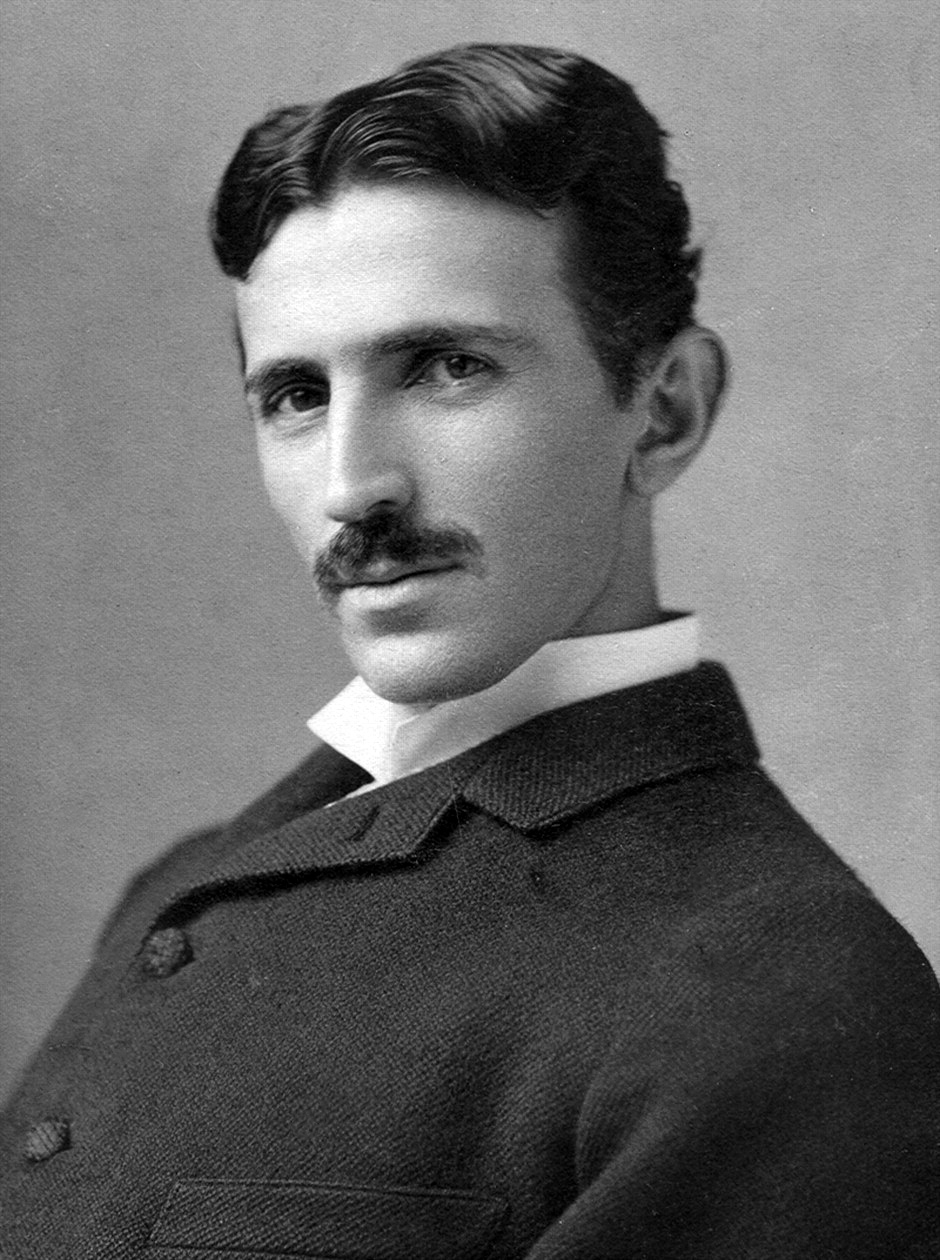 Photograph
Primary source
Portrait of Nikola Tesla
Napoleon Sarony · c. 1890
 Photograph
Primary source
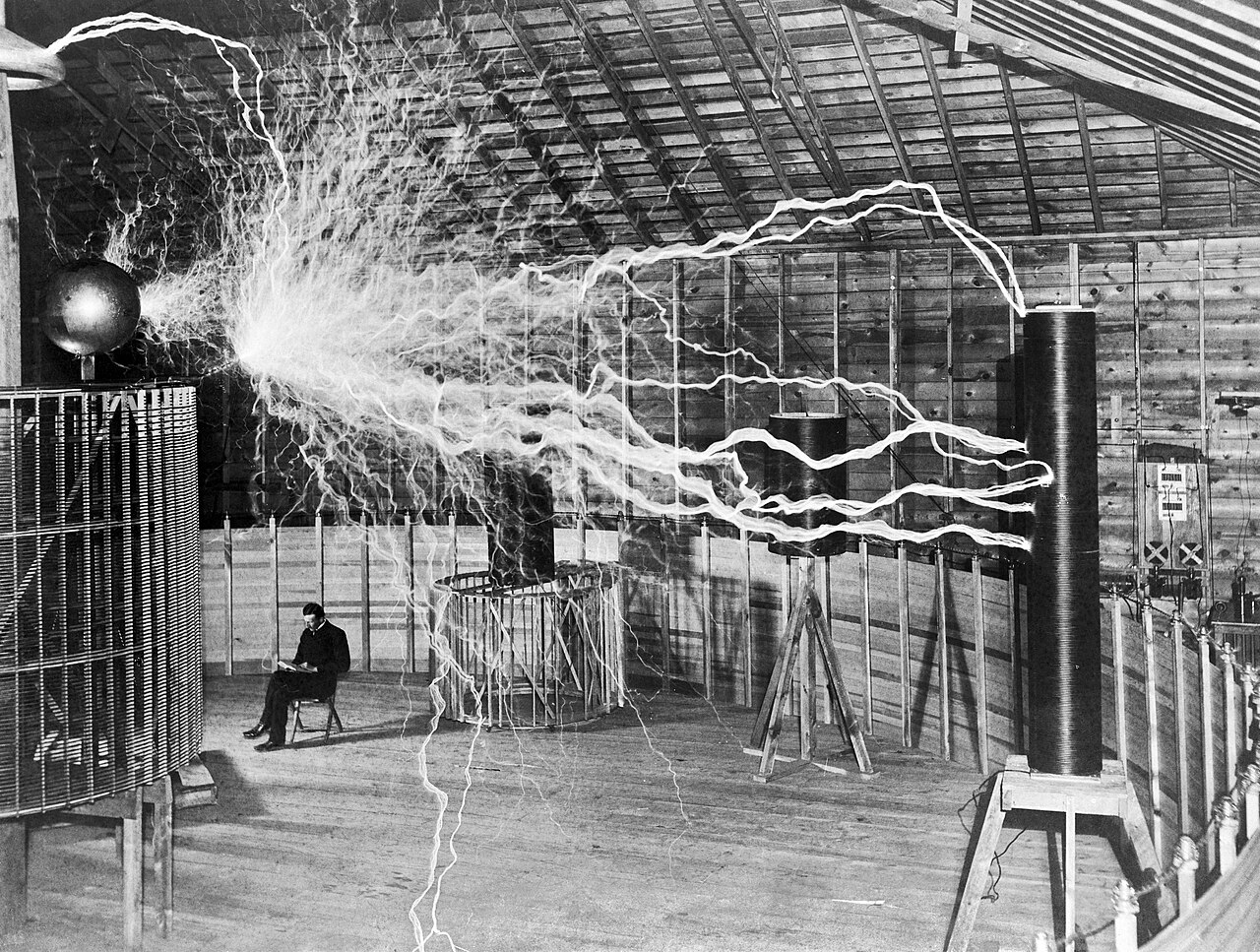
Nikola Tesla with his Equipment at Colorado Springs
Dickenson V. Alley · c. 1899
 Artifact
Primary source
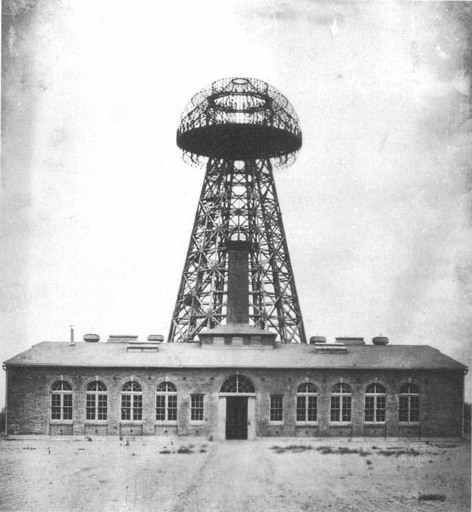
Wardenclyffe Tower
Nikola Tesla · 1901-1904
 Book
Primary source
Experiments with Alternate Currents of High Potential and High Frequency
Nikola Tesla · 1892
 Artifact
Primary source
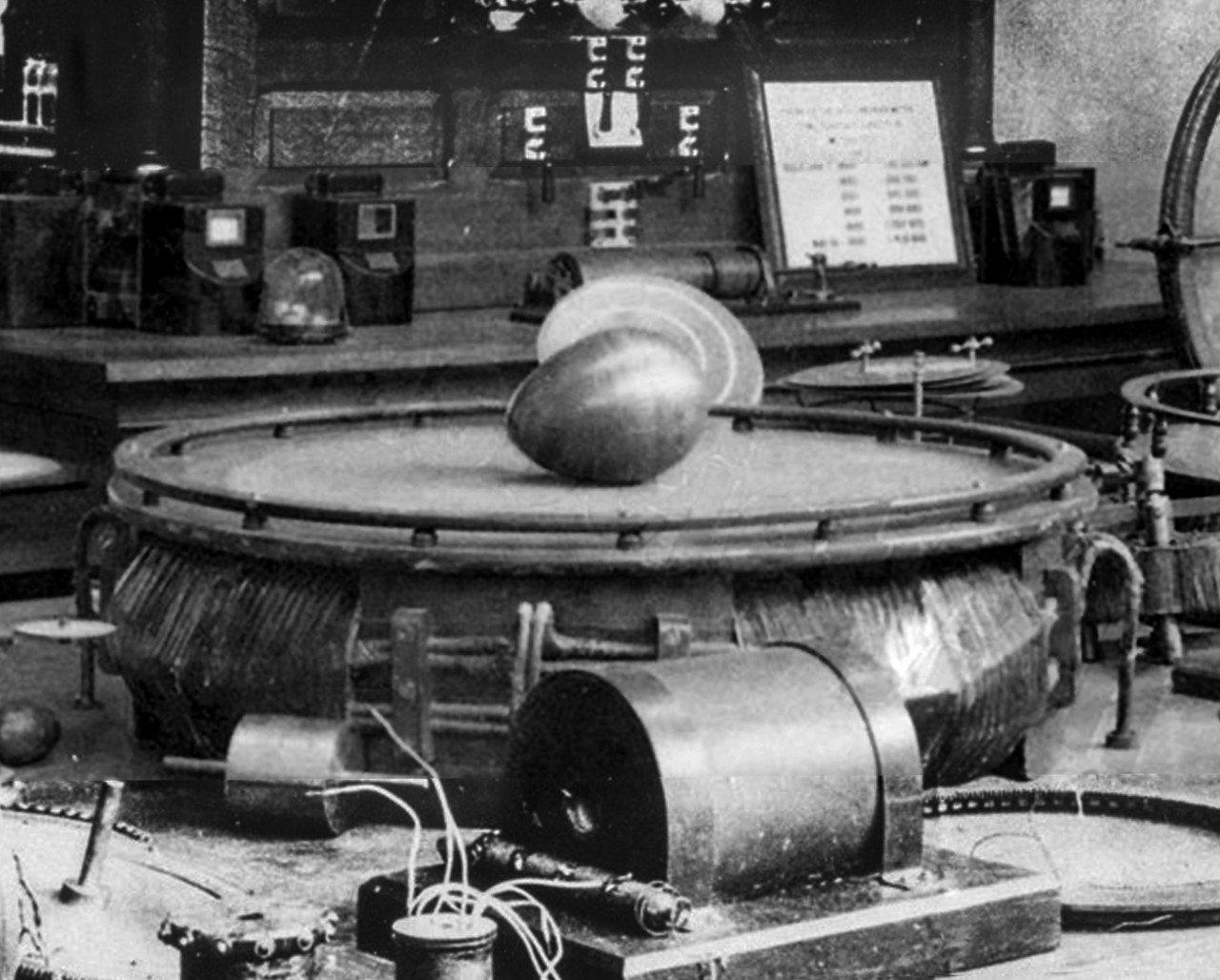
Tesla's Egg of Columbus
Nikola Tesla · 1893
Ready when you are
Start chatting with Nikola Tesla now.
20 messages free · No credit card · Available in 50+ languages.