


Primary sourceDocument1722
Table of Ranks
Peter the Great · 1722
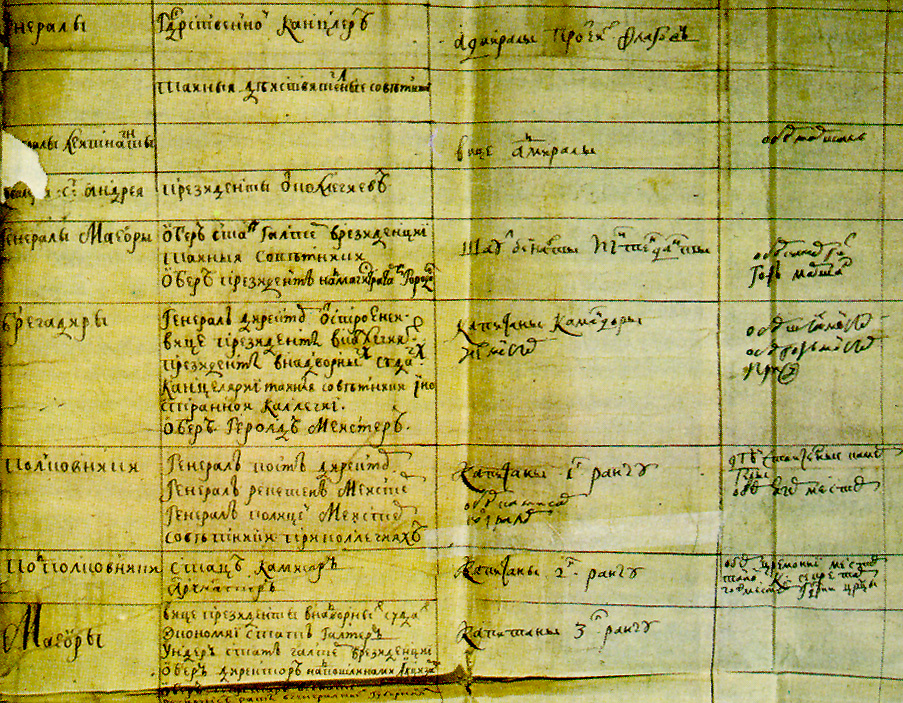
Peter the Great's 1722 decree that restructured Russian nobility by tying rank to state service rather than birth.
Peter the Great issued this decree in 1722 to reorganize the Russian nobility around service to the tsar.
About this source
What it is
This is the Table of Ranks, a formal list of military, government, and court positions issued by Peter the Great in 1722. It divided ranks into 14 grades, and promotion into the top grades required the tsar's personal approval.
Why it matters
Before this decree, Russian nobles inherited status by birth. Peter's table instead rewarded service to the state, challenging the old boyar aristocracy and creating a new class of noble bureaucrats. It remained in use, with changes, until the Russian Revolution of 1917.
Look closer
- Why might Peter have wanted rank to depend on service rather than birth?
- What does the detailed structure of 14 grades suggest about how Peter wanted the state to be organised?
- How might nobles who had always relied on inherited status have reacted to this system?
This document is part of the curated material that grounds the AI version of Peter the Great on Humy.ai — when students ask about related events, the AI can quote it and cite it.
More Peter the Great sources
Meet the AI Peter the Great →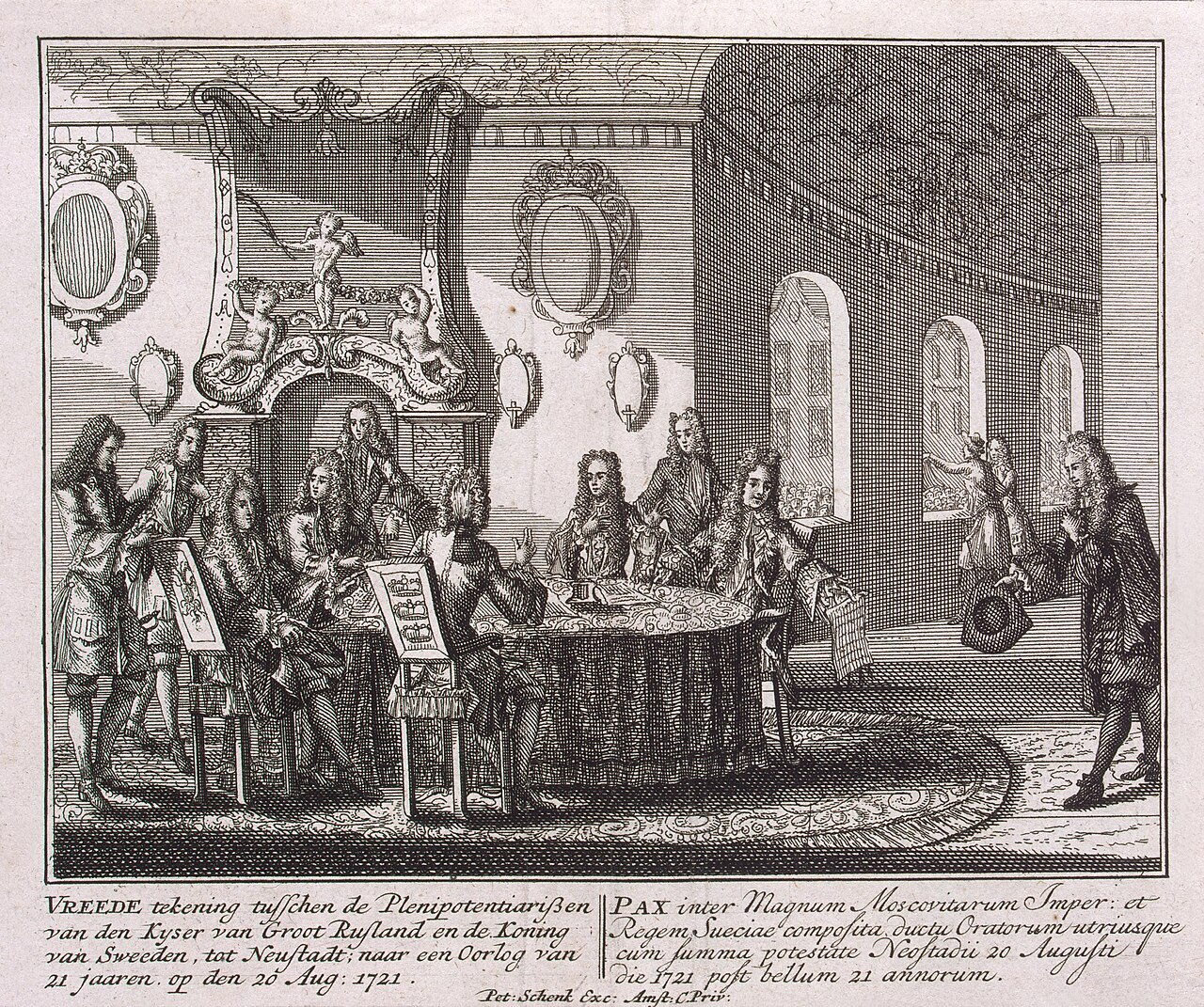 Document
Primary source
Treaty of Nystad
1721
 Painting
Primary source
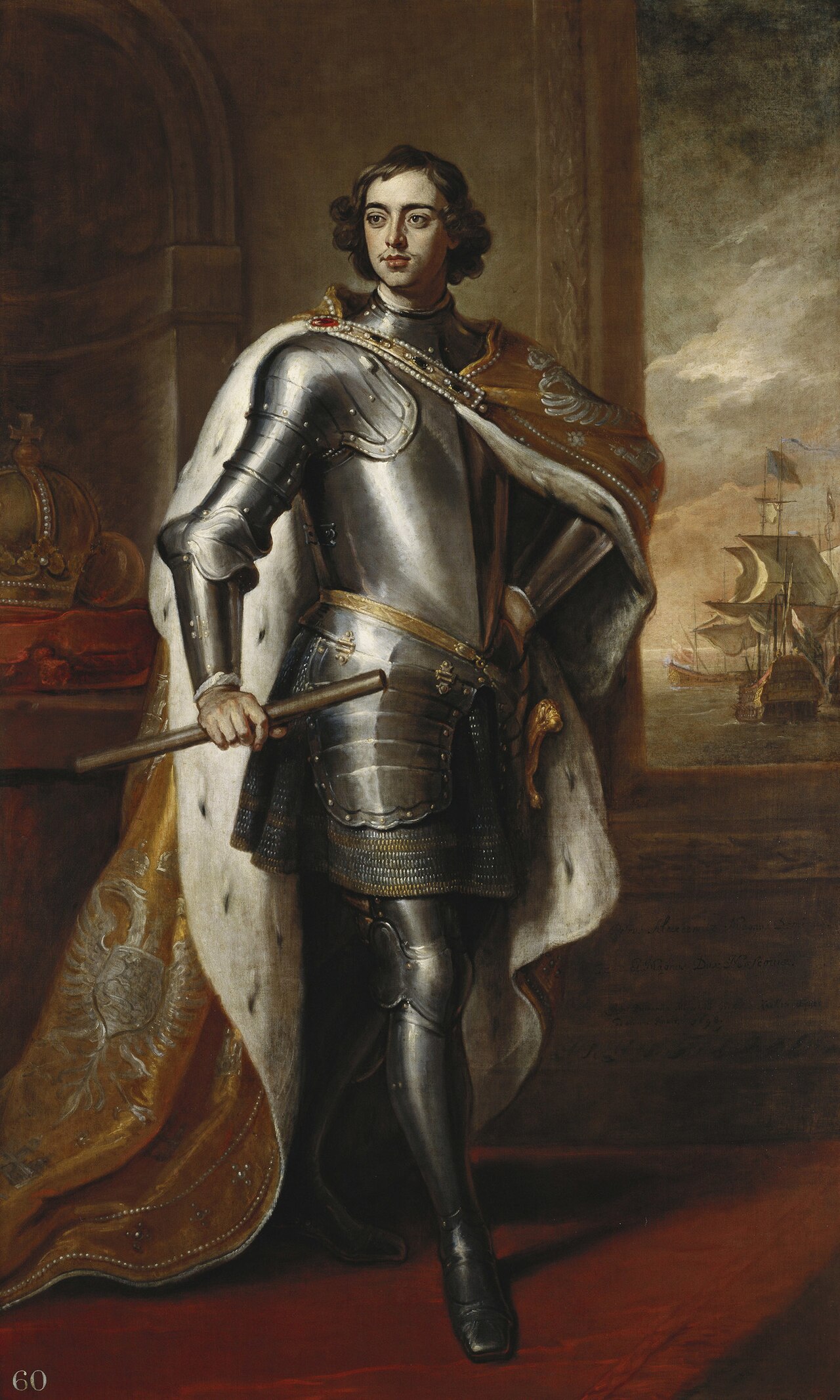
Peter the Great, Tsar of Russia (1672-1725)
Godfrey Kneller · 1698
 Diary entry
Primary source
Diary of an Austrian Secretary of Legation
Johann Georg Korb · 1700
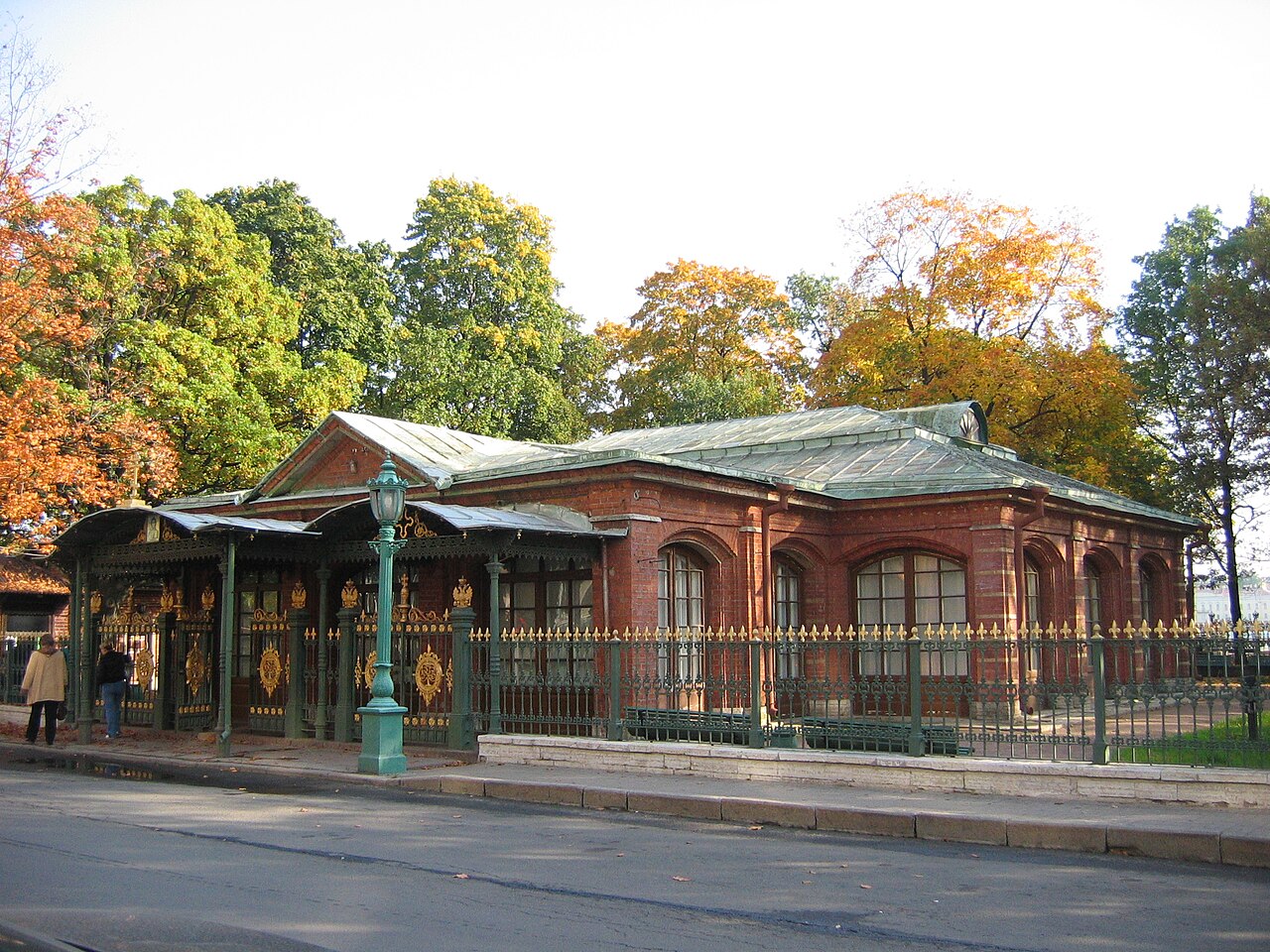 Artifact
Primary source
Cabin of Peter the Great
1703
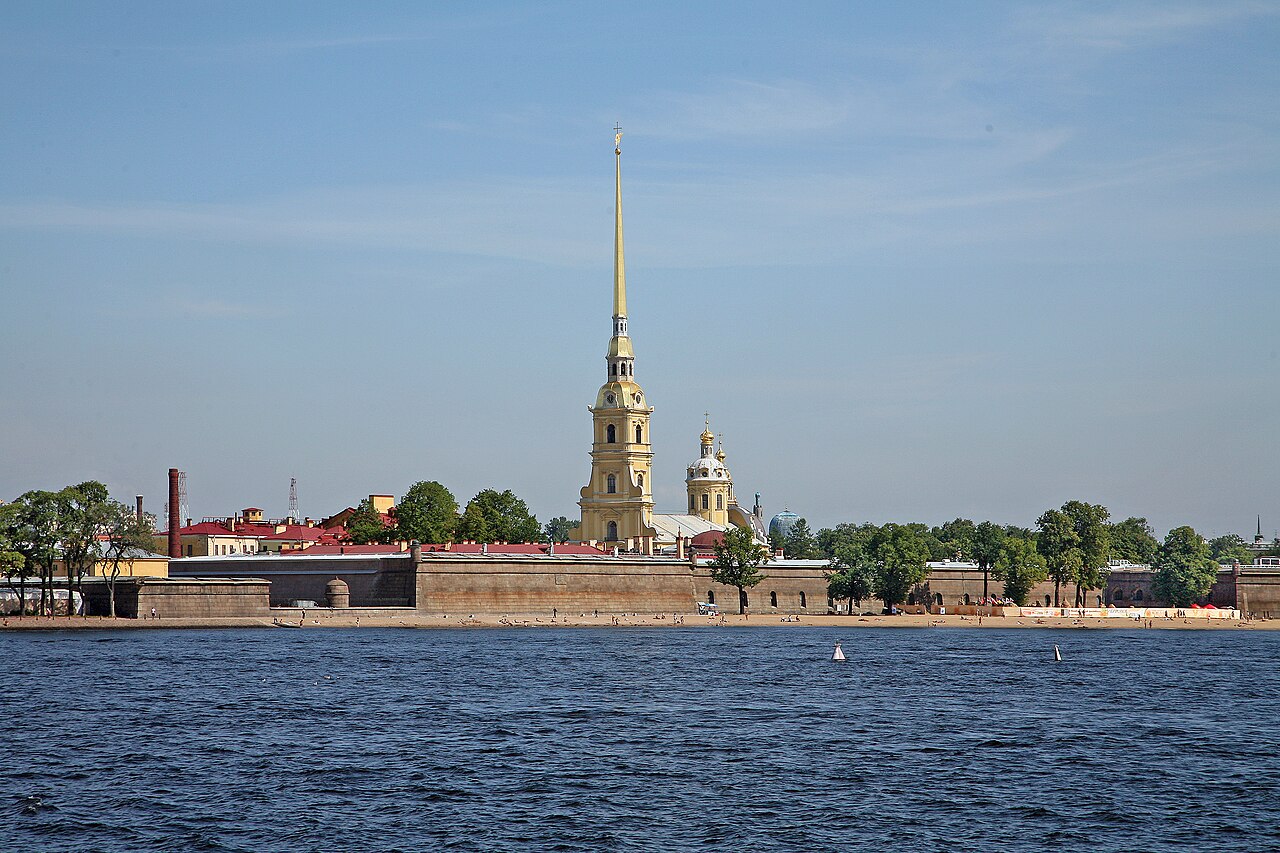 Artifact
Primary source
Peter and Paul Fortress
Domenico Trezzini · 1703
Ready when you are
Start chatting with Peter the Great now.
20 messages free · No credit card · Available in 50+ languages.