


Secondary sourcePainting1673
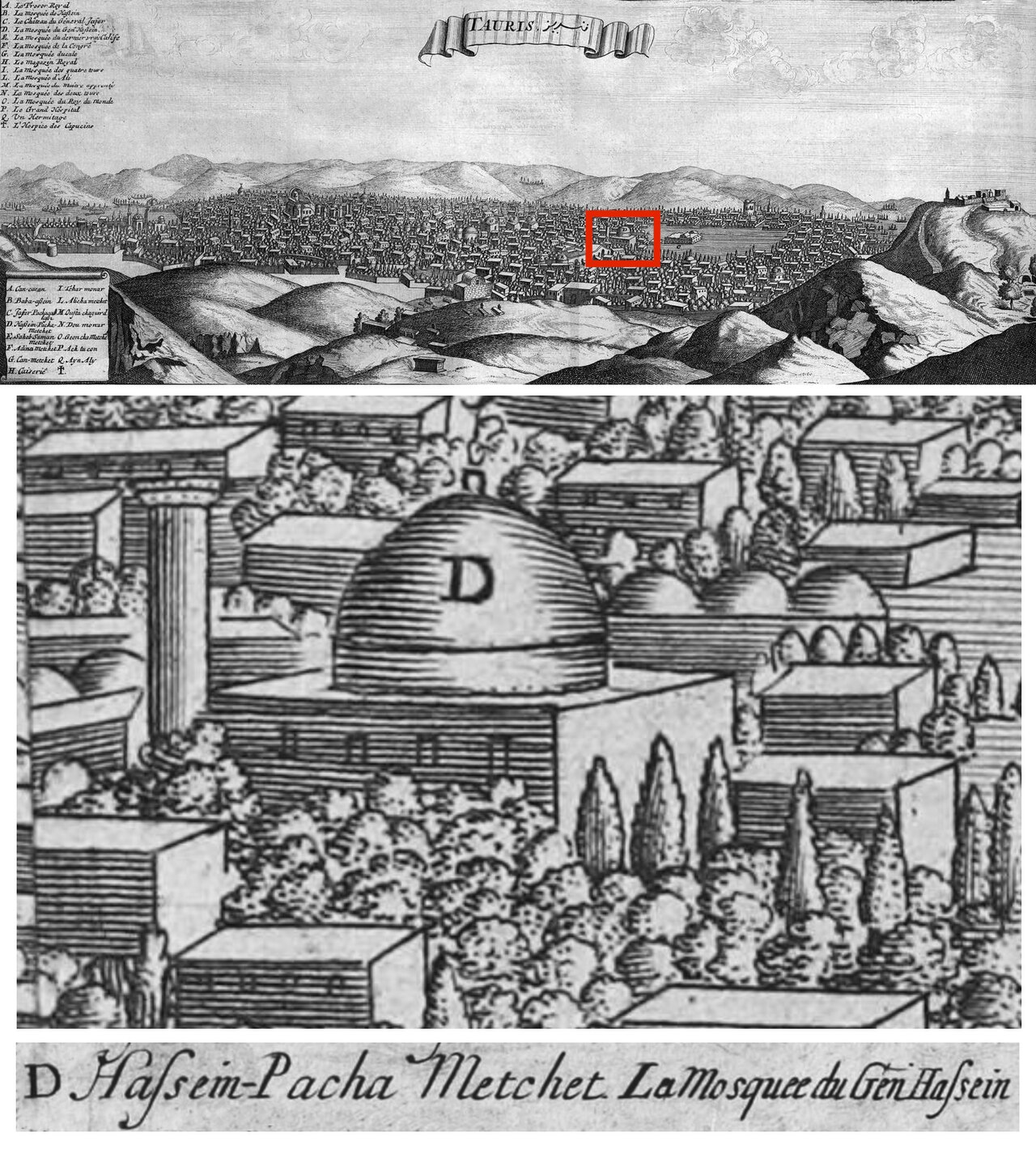
Tabriz in 1673, with Ruins of the Uzun Hasan Mosque
1673
A seventeenth-century engraved panoramic view of Tabriz showing the ruined remains of the Uzun Hasan Mosque, nearly two centuries after it was built.
This view shows the later ruins of the mosque built to commemorate Uzun Hasan, documenting his legacy's decline.
About this source
What it is
This is an engraved panoramic view of the city of Tabriz made in 1673, with a labeled key identifying a domed mosque in ruins as the mosque of "Hasem-Pacha," referring to Uzun Hasan. The view appears in the travel journal of Jean Chardin, a French traveler.
Why it matters
By 1673, long after Uzun Hasan's death, his mosque had fallen into ruin, showing how even grand monuments built by powerful rulers could decay over time. This engraving is also a European traveler's record, giving a outsider's perspective on Persian architecture and history.
Look closer
- Why might a European traveler have included this ruined mosque in his record of the city?
- What does the condition of the mosque in 1673 tell you about the passage of time since Uzun Hasan's rule?
- What might this engraving get wrong or simplify about the original building?
This painting is part of the curated material that grounds the AI version of Uzun Hasan on Humy.ai — when students ask about related events, the AI can quote it and cite it.
More Uzun Hasan sources
Browse all 66 →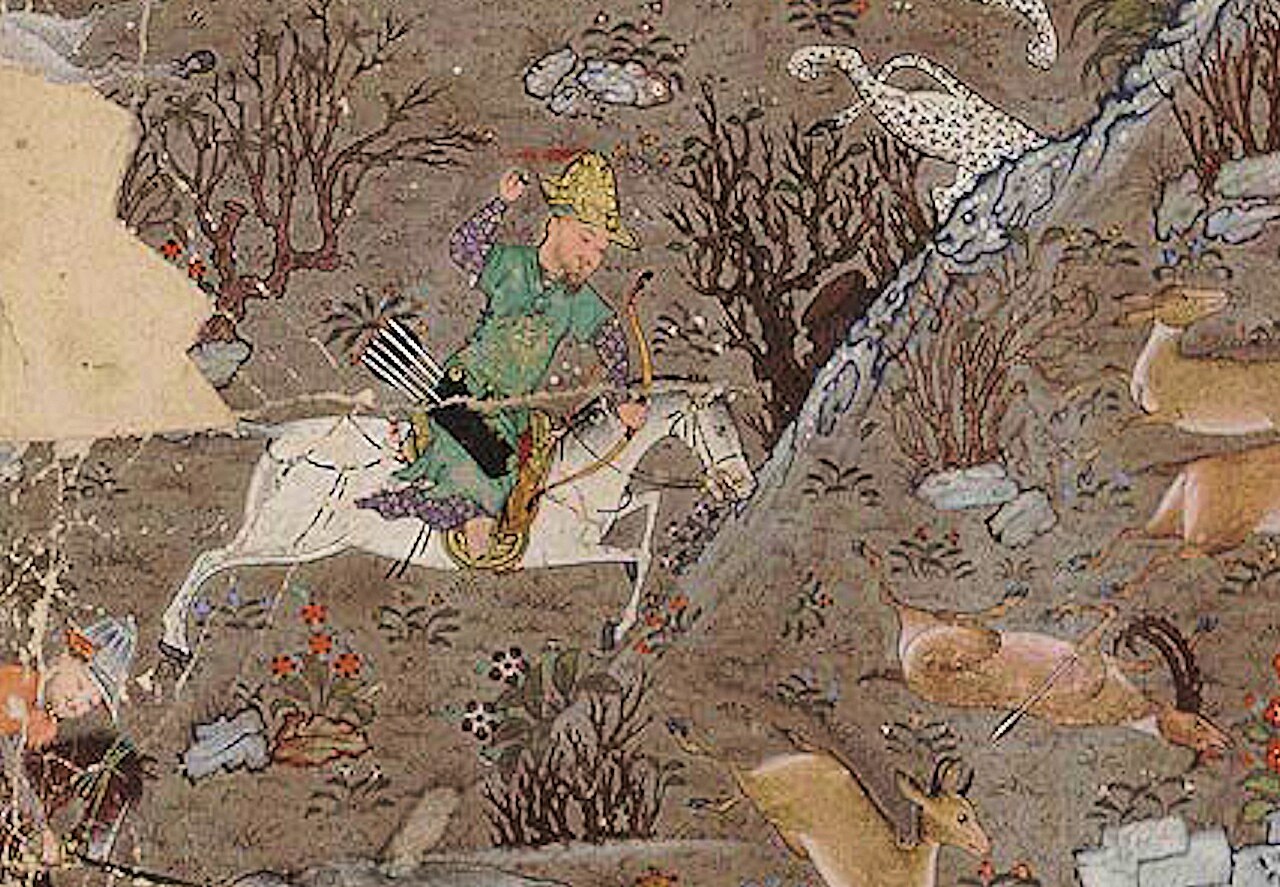 Painting
Primary source
Hunting Sultan Uzun Hasan Diptych
Unknown Tabriz court artist · 1467-1473
 Letter
Primary source
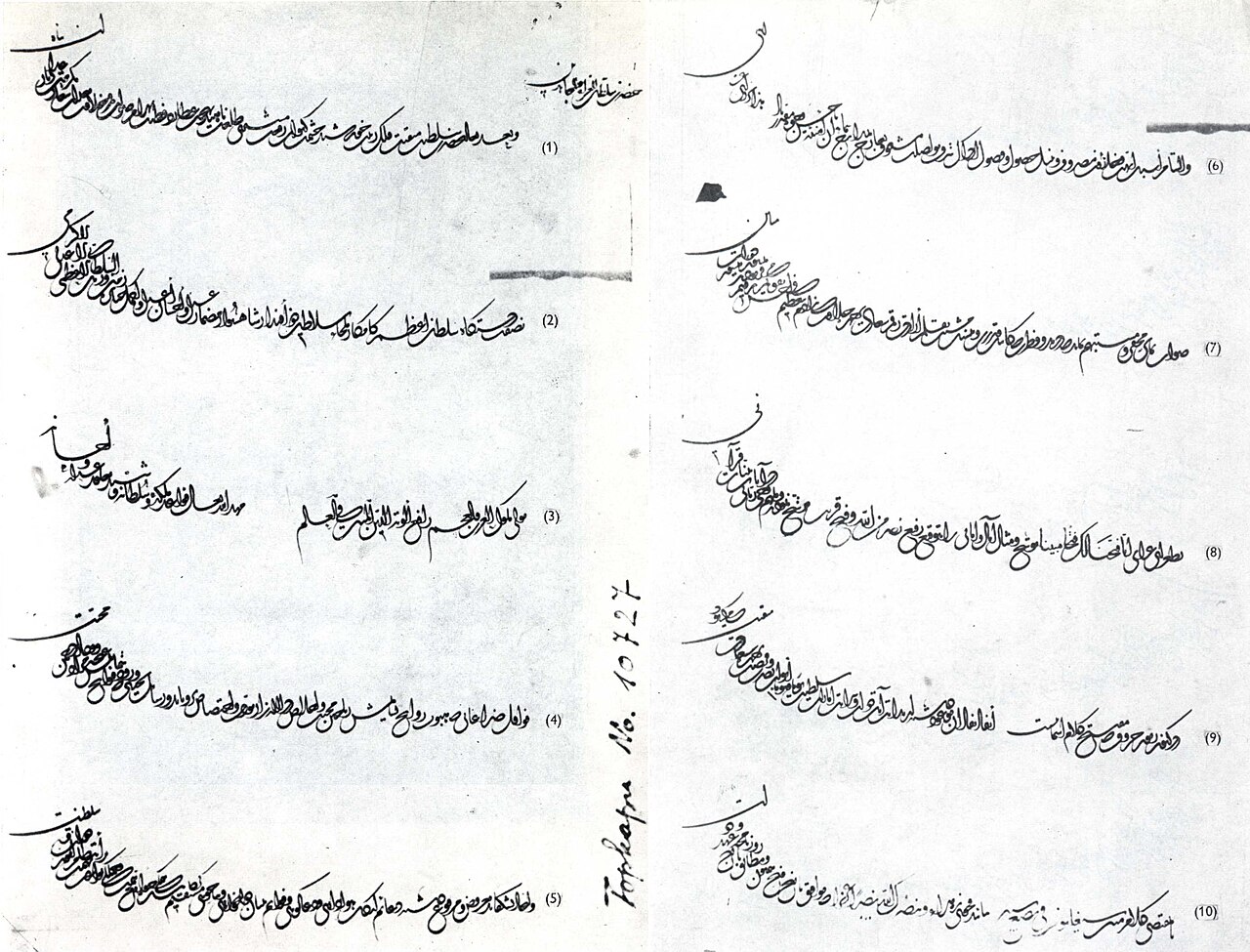
Fath-namah of Uzun Hasan to the Ottoman Sultan
Uzun Hasan · March 1469
 Document
Primary source
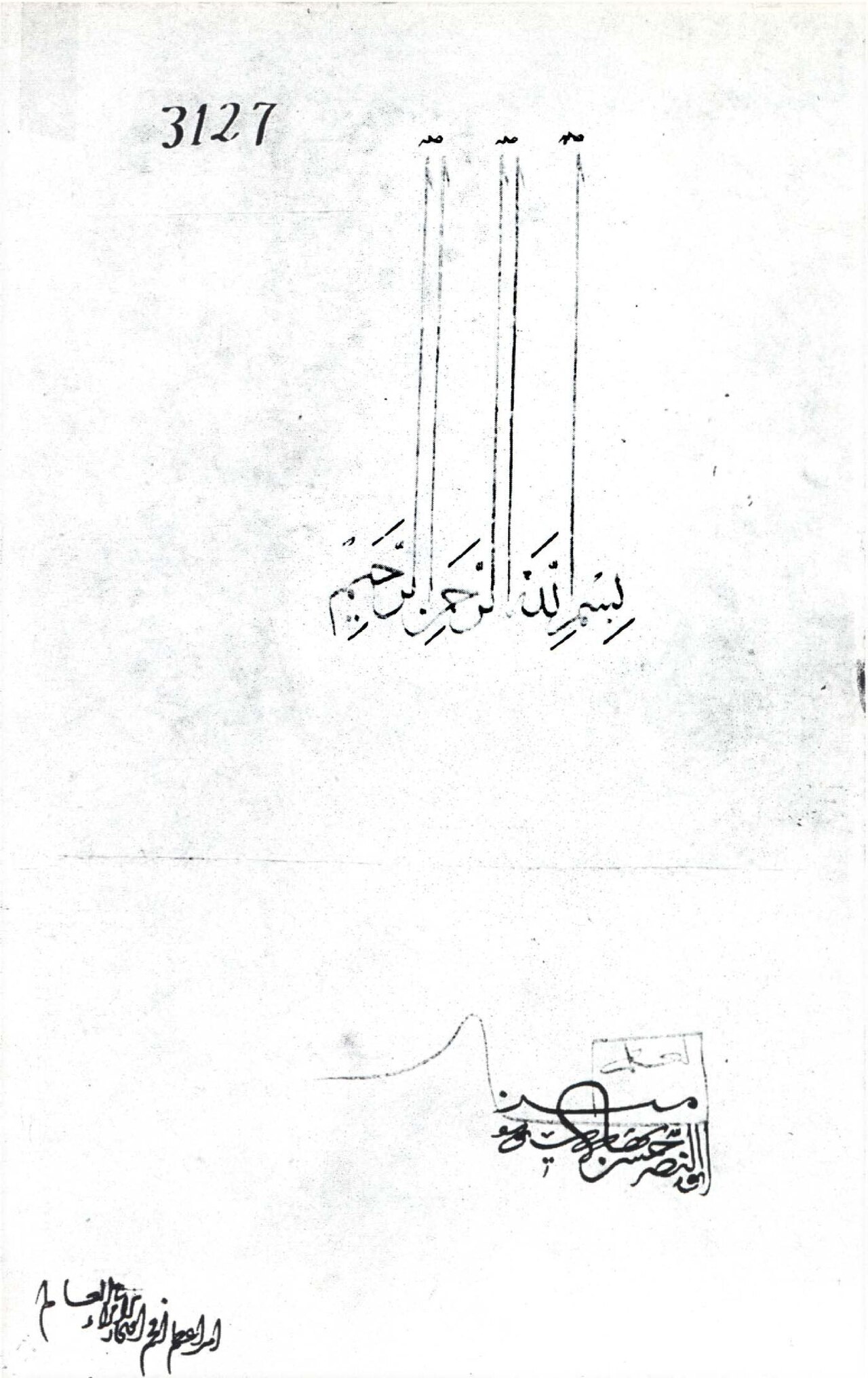
Farman of Uzun Hasan to 'Alayi Bayg
Uzun Hasan · 21 February 1471
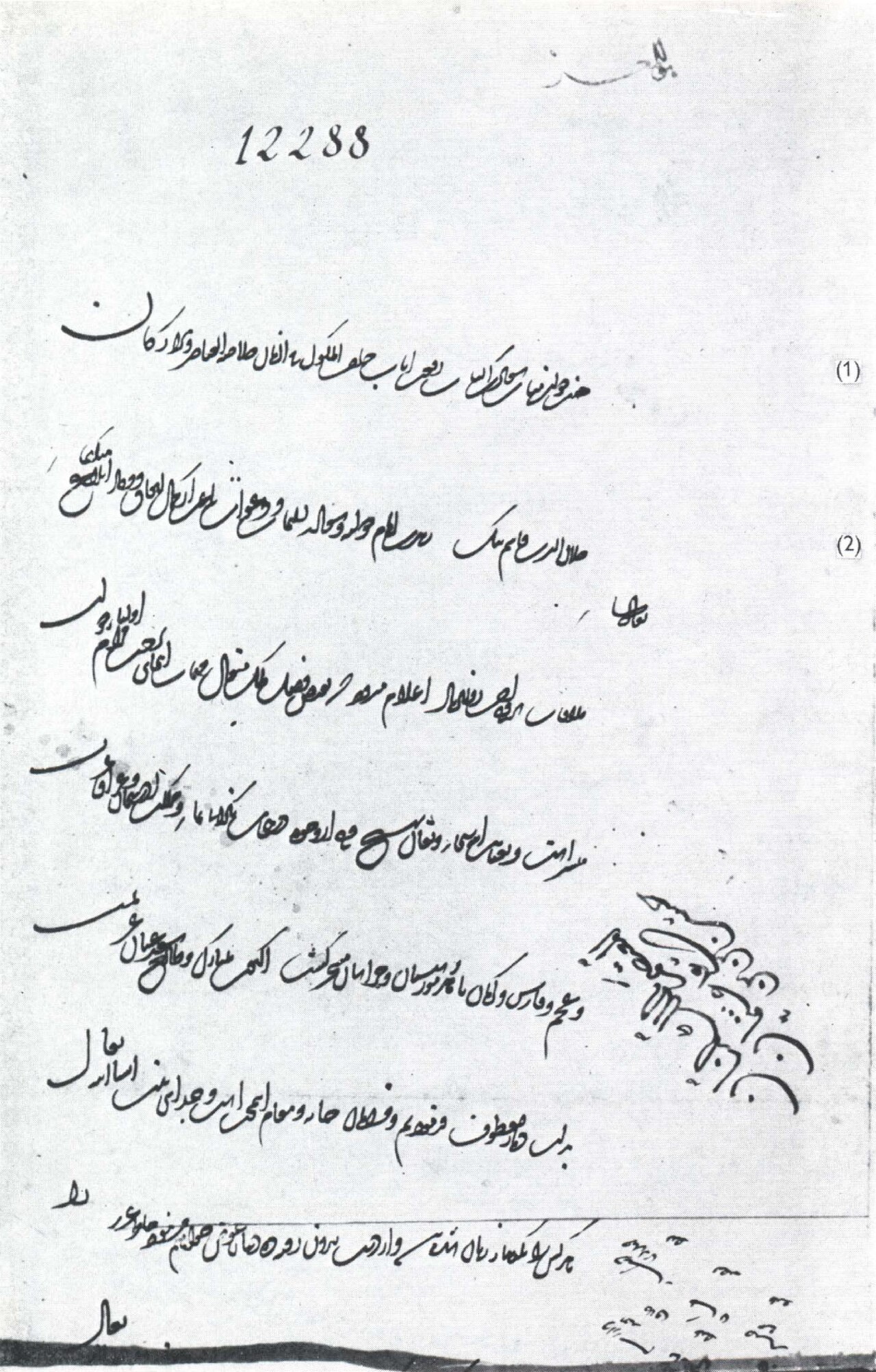 Letter
Primary source
Letter of Uzun Hasan to Jalal al-Din Qasim Bayg
Uzun Hasan · 1471
Free account
Read every Uzun Hasan source
Sign up free →
Ready when you are
Start chatting with Uzun Hasan now.
20 messages free · No credit card · Available in 50+ languages.