


Primary sourceDocument22 October 1989
Taif Agreement
22 October 1989
The 1989 accord negotiated in Saudi Arabia under King Fahd's patronage that ended Lebanon's civil war.
Negotiated under the patronage of Fahd's Saudi Arabia, this accord illustrates his role as a regional mediator.
Free Humy account · No credit card · 120,288 sources to read
About this source
What it is
The Taif Agreement, officially the National Reconciliation Accord, was negotiated in Taif, Saudi Arabia, by surviving members of Lebanon's 1972 parliament. It was signed on 22 October 1989 and ratified by the Lebanese parliament on 5 November 1989.
Why it matters
The agreement ended the fifteen-year Lebanese Civil War and reshaped Lebanon's political system, shifting power away from the Maronite Christian presidency toward the Sunni prime minister and parliament. It came about through active Saudi mediation, with King Fahd's kingdom hosting the talks, alongside quiet involvement from the United States and Syria. Figures such as Speaker Hussein El-Husseini and Rafik Hariri played key roles in shaping it.
Look closer
- Why might a civil war's peace agreement be negotiated in another country rather than at home?
- What does the agreement's handling of militias and sectarian power-sharing tell you about the compromises needed to end a civil war?
- Whose interests might be served by a host country's decision to mediate such a conflict?
This document is part of the curated material that grounds the AI version of Fahd of Saudi Arabia on Humy.ai — when students ask about related events, the AI can quote it and cite it.
More Fahd of Saudi Arabia sources
Browse all 39 →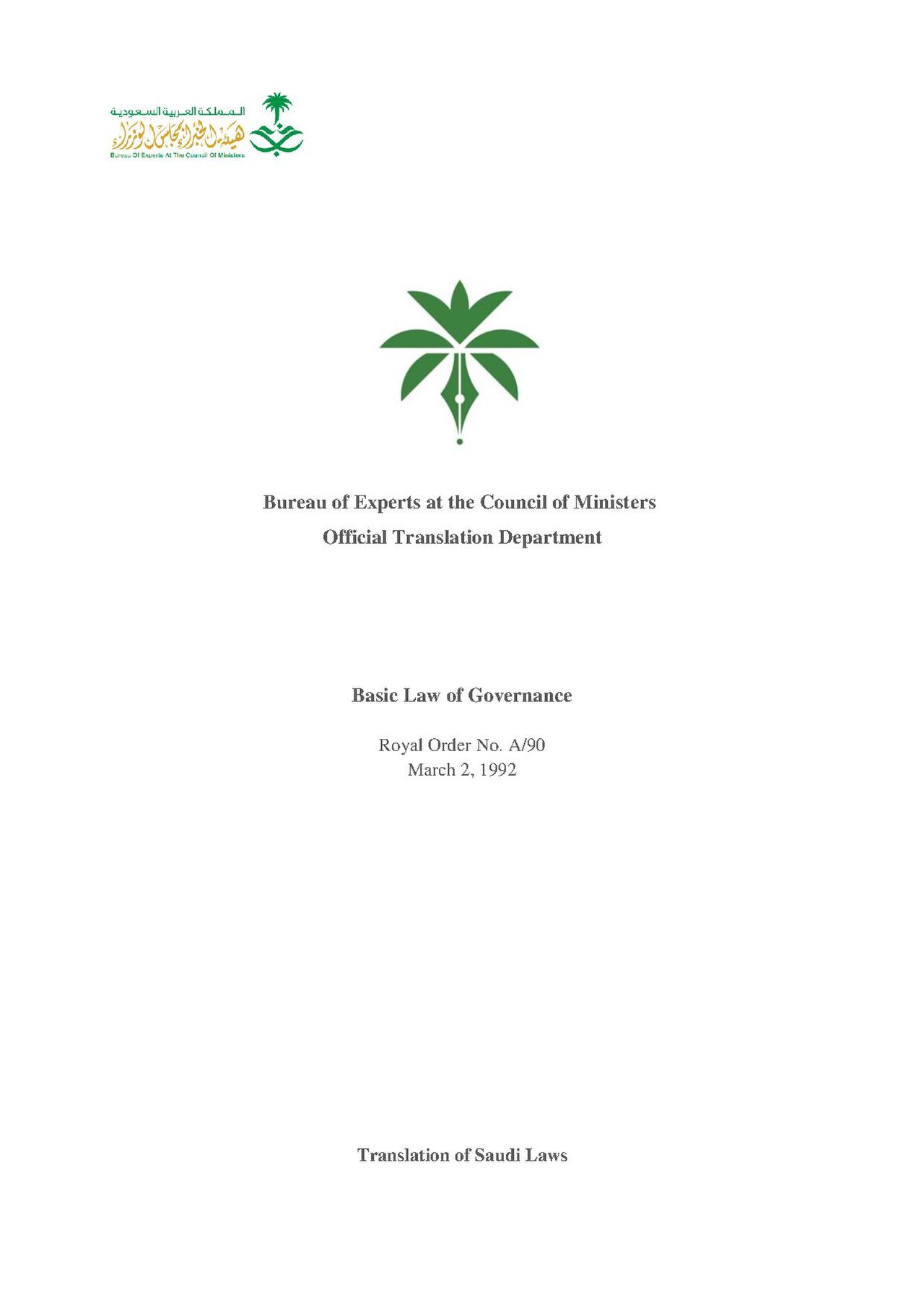 Document
Primary source
Basic Law of Saudi Arabia
Fahd bin Abdulaziz Al Saud · 1992
 Document
Primary source
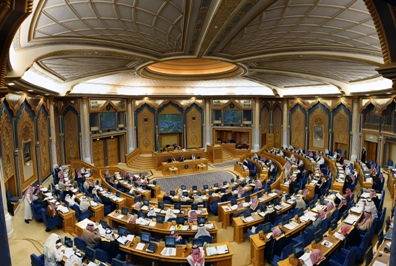
Consultative Assembly of Saudi Arabia
Fahd bin Abdulaziz Al Saud · 1924 (restructured 1992)
 Photograph
Primary source
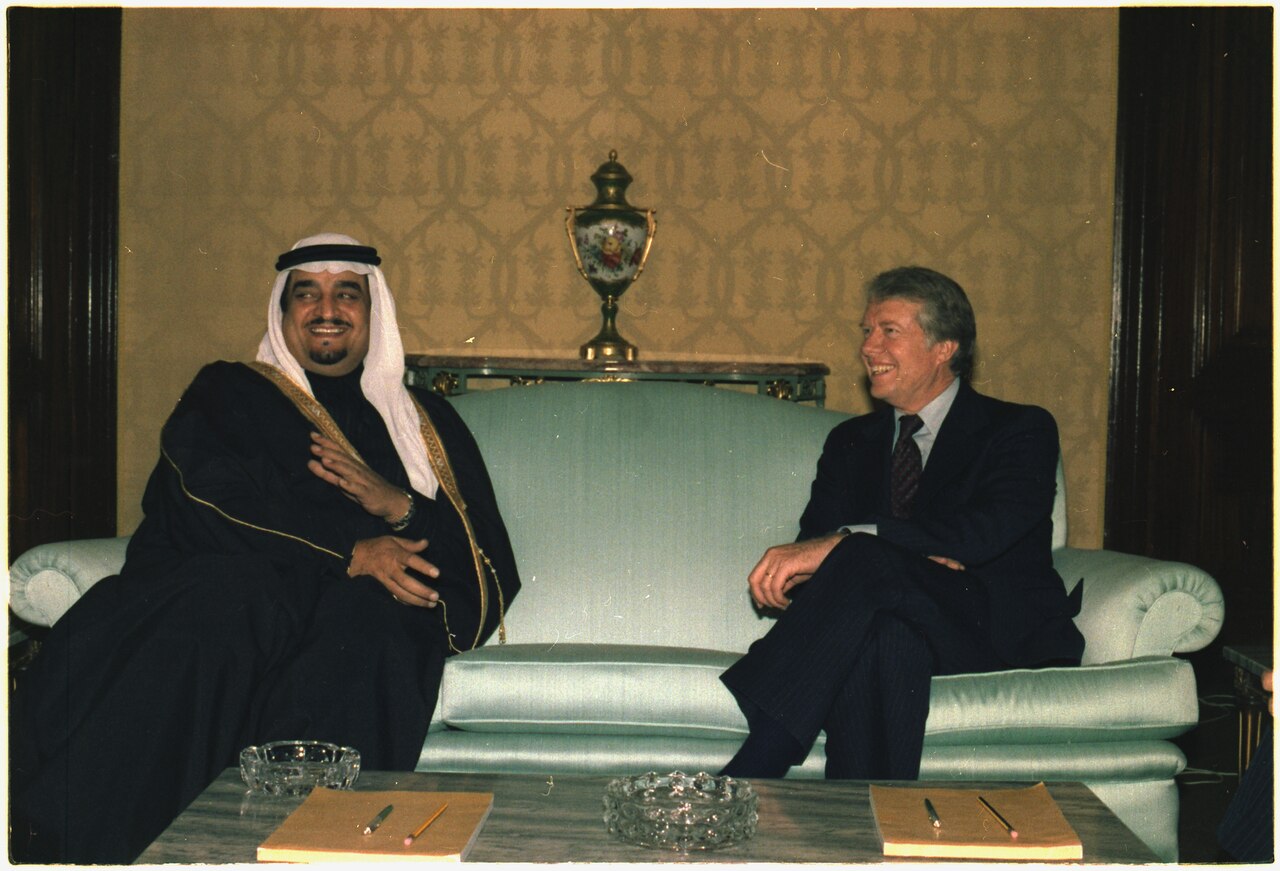
Photograph of Crown Prince Fahd of Saudi Arabia and Jimmy Carter
1977
 Photograph
Primary source
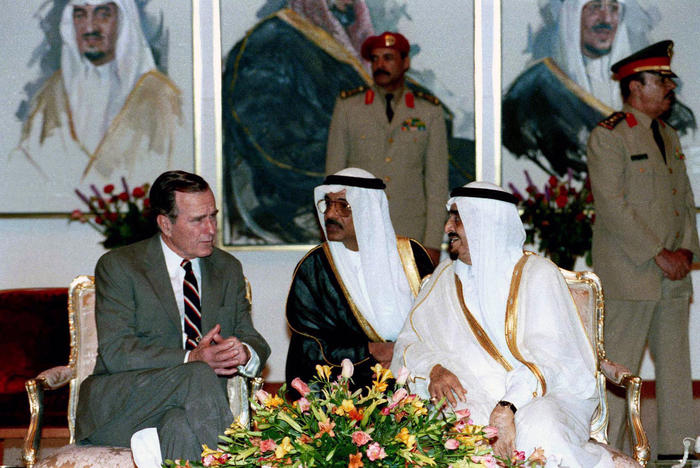
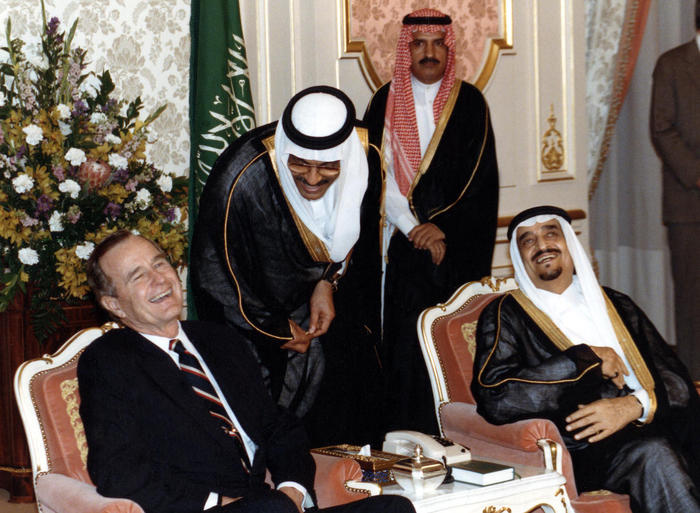
President George H. W. Bush and King Fahd bin Abdulaziz Al Saud discuss the situation in Iraq
1990-1991
Free account
Read every Fahd of Saudi Arabia source
Sign up free →
Ready when you are
Start chatting with Fahd of Saudi Arabia now.
20 messages free · No credit card · Available in 50+ languages.