


Primary sourceDocument15th-16th century
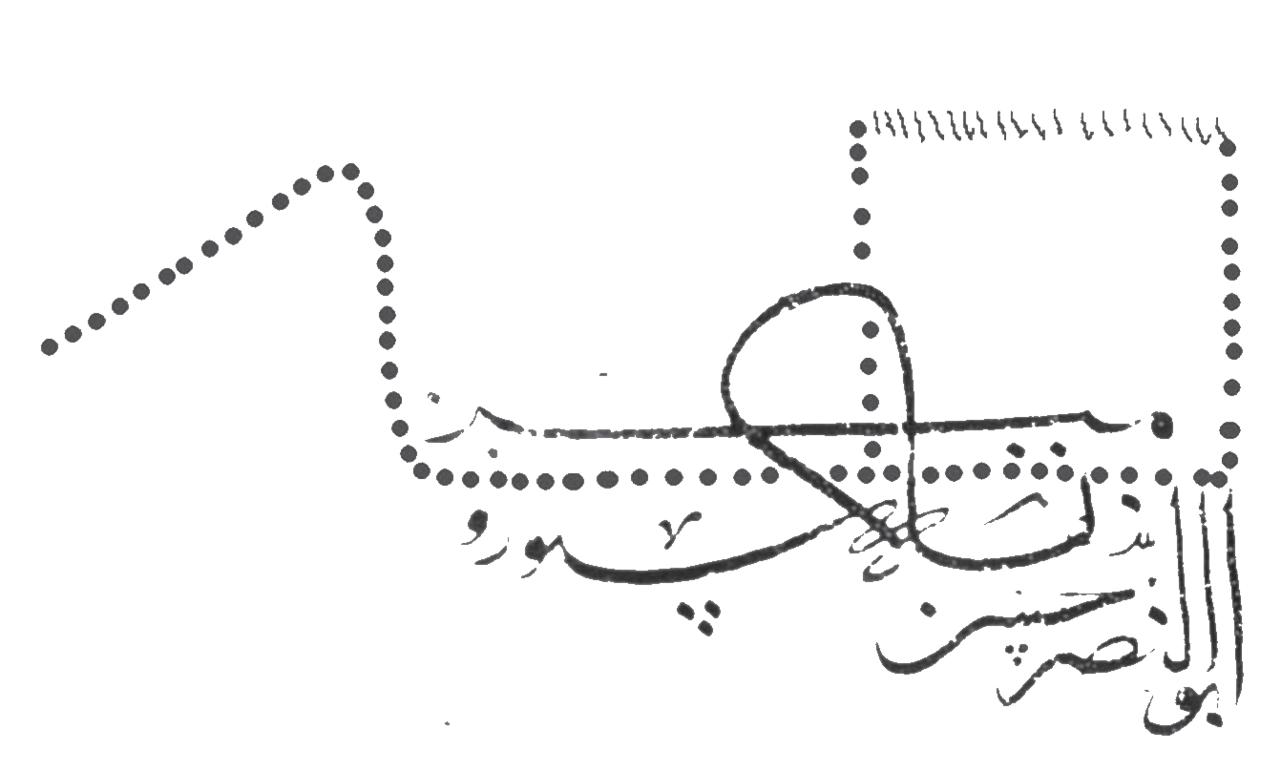
Tamghas of Uzun Hasan and Shah Isma'il
15th-16th century
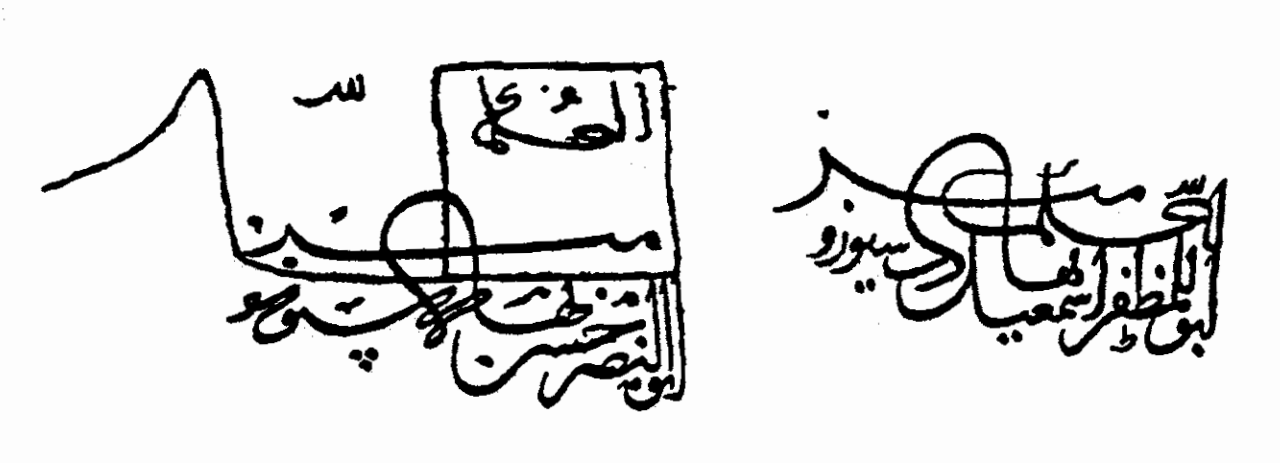
Two Arabic-script seal marks (tamghas), one belonging to Uzun Hasan and the other to his grandson Shah Isma'il, shown side by side.
This is Uzun Hasan's own personal seal mark, shown alongside his grandson's to highlight dynastic continuity.
About this source
What it is
This image shows two tamghas — personal seal marks written in Arabic script. One belongs to Uzun Hasan, ruler of the Aq Qoyunlu Turkomans, and the other to Shah Isma'il, founder of the Safavid dynasty and his grandson. The marks date from the 15th-16th centuries.
Why it matters
Rulers used tamghas to mark documents and claim authority. Placing Uzun Hasan's mark next to Shah Isma'il's highlights how power and legitimacy passed down through family lines, connecting the Aq Qoyunlu dynasty to the new Safavid dynasty that followed it.
Look closer
- What differences do you notice between the two seal marks?
- Why might rulers want a unique personal mark like this?
- What does placing these two marks together suggest about how history and family lines were remembered?
This document is part of the curated material that grounds the AI version of Uzun Hasan on Humy.ai — when students ask about related events, the AI can quote it and cite it.
More Uzun Hasan sources
Browse all 66 →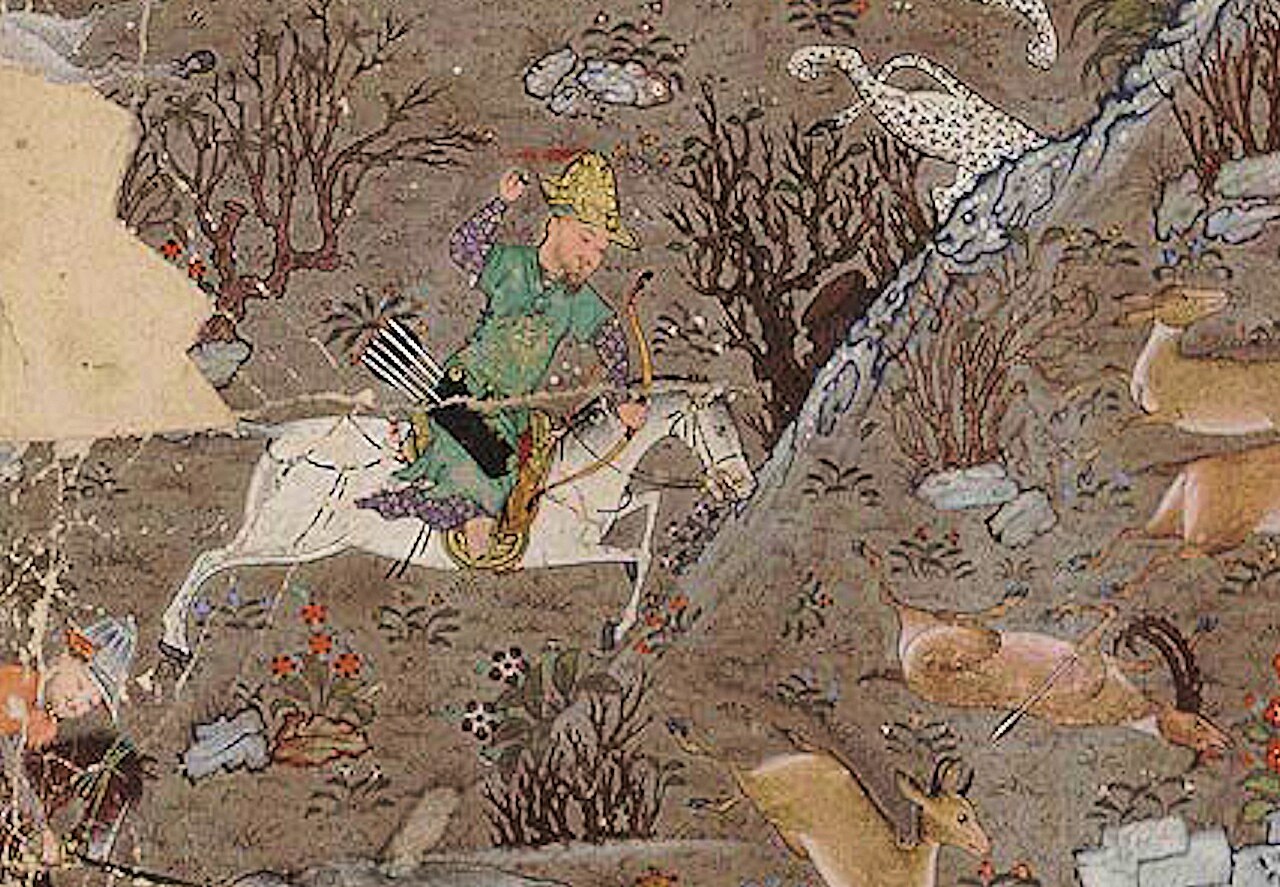 Painting
Primary source
Hunting Sultan Uzun Hasan Diptych
Unknown Tabriz court artist · 1467-1473
 Letter
Primary source
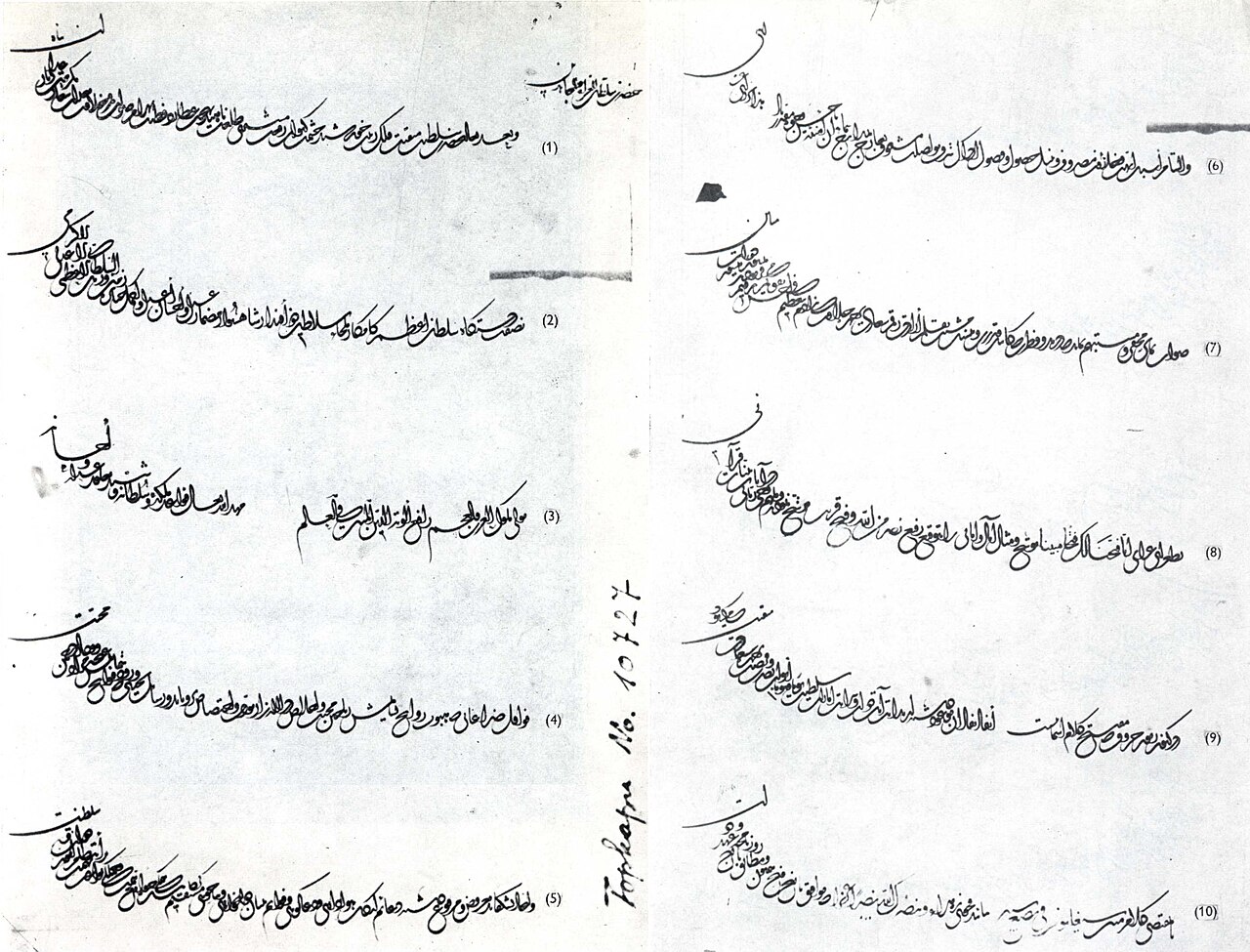
Fath-namah of Uzun Hasan to the Ottoman Sultan
Uzun Hasan · March 1469
 Document
Primary source
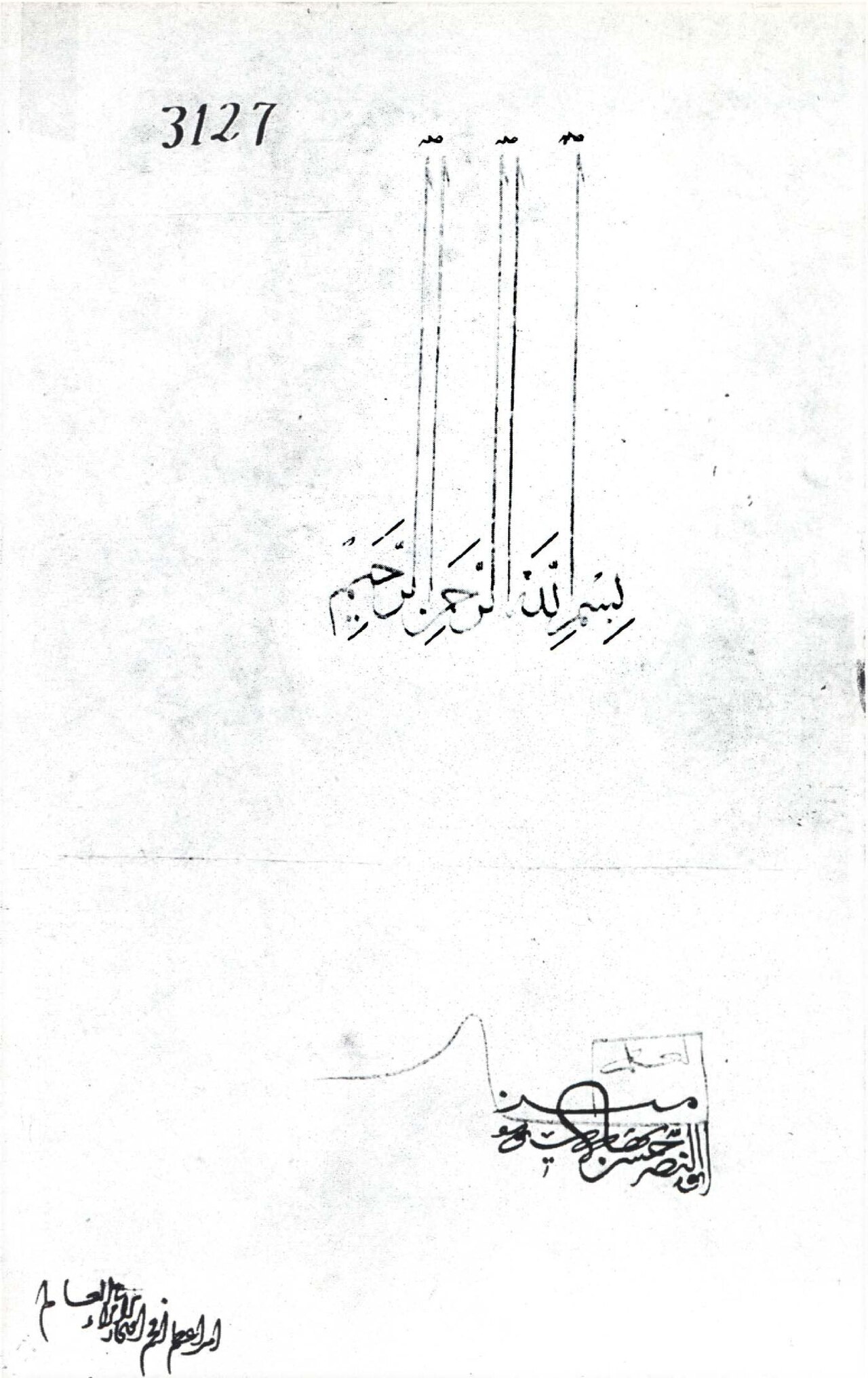
Farman of Uzun Hasan to 'Alayi Bayg
Uzun Hasan · 21 February 1471
 Letter
Primary source
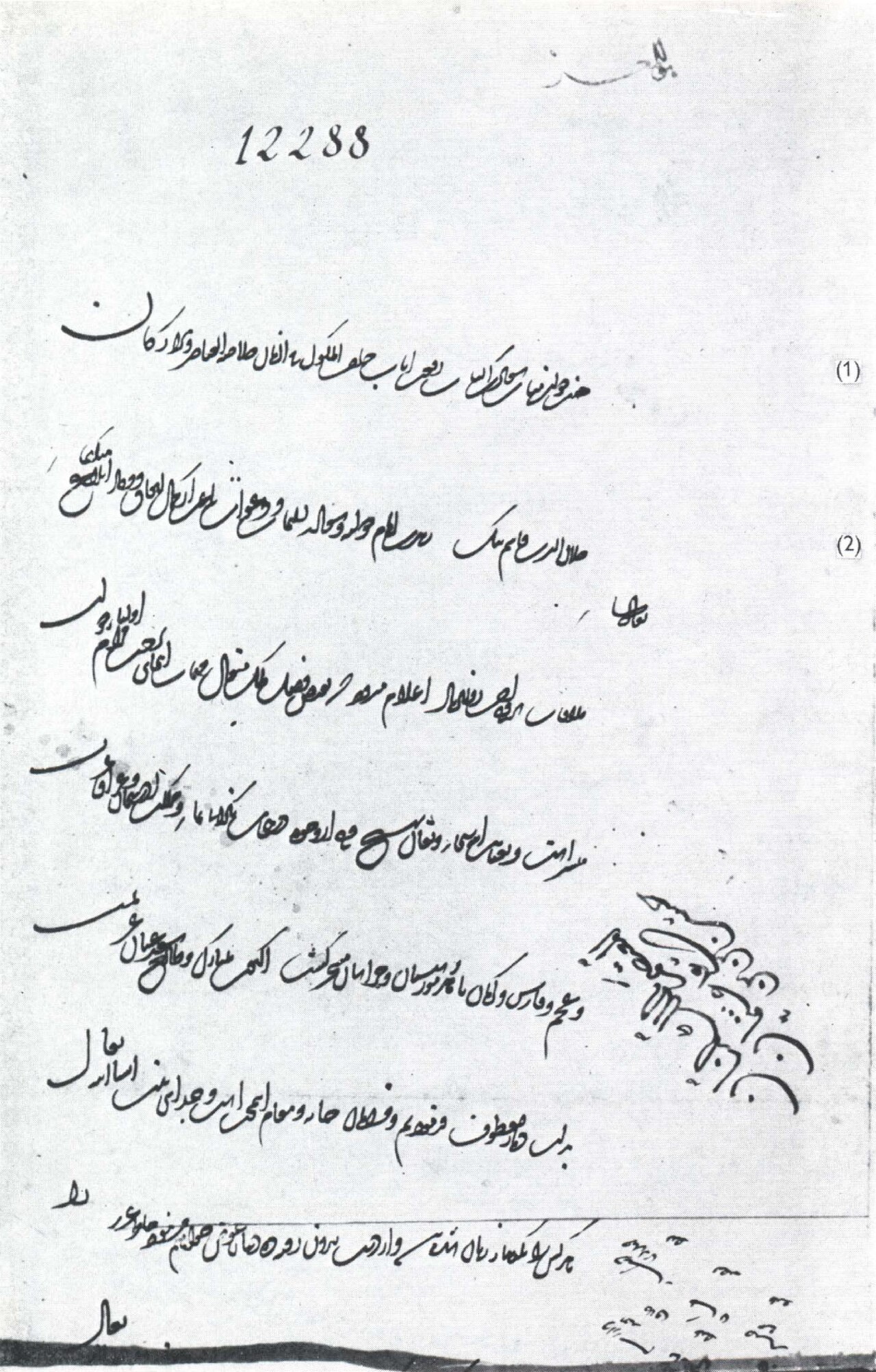
Letter of Uzun Hasan to Jalal al-Din Qasim Bayg
Uzun Hasan · 1471
Free account
Read every Uzun Hasan source
Sign up free →
Ready when you are
Start chatting with Uzun Hasan now.
20 messages free · No credit card · Available in 50+ languages.