


Primary sourceDocument1703
Tang Poem in Praise of Chrysanthemums
Kangxi Emperor · 1703
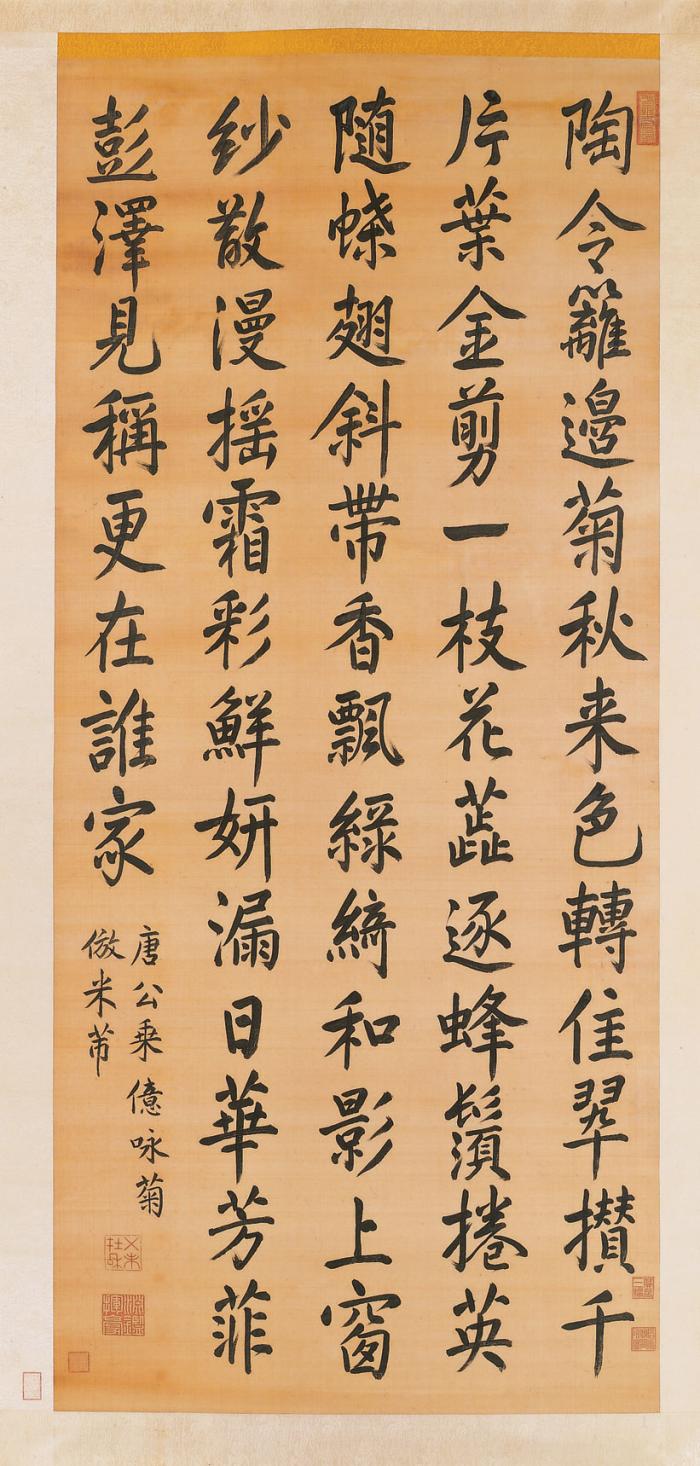
A hanging scroll of calligraphy written by the Kangxi Emperor himself in 1703, copying a Tang poem about chrysanthemums.
This calligraphy scroll was written by Kangxi himself, showing his personal artistic and literary skill.
About this source
What it is
This is a hanging scroll of ink calligraphy on silk, written in 1703 by the Kangxi Emperor in running script in the style of the earlier calligrapher Mi Fu. It reproduces a Tang dynasty poem praising chrysanthemums and is held today at the Palace Museum in Beijing.
Why it matters
Chinese emperors were expected to be cultured as well as powerful, and skill in calligraphy was a mark of education and refinement. This scroll, made directly by Kangxi's own hand, shows his personal engagement with classical literature and art, beyond his role as ruler.
Look closer
- What does the careful, flowing style of the writing suggest about the training behind it?
- Why might an emperor choose to copy an older poem rather than write his own words?
- What do the seals and signature tell us about how such artworks were authenticated?
This document is part of the curated material that grounds the AI version of Kangxi Emperor on Humy.ai — when students ask about related events, the AI can quote it and cite it.
More Kangxi Emperor sources
Browse all 65 →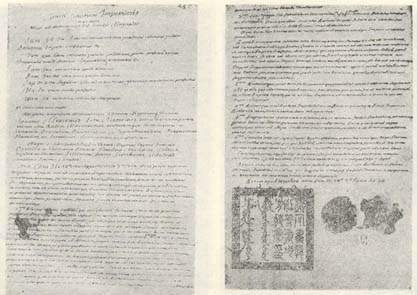 Document
Primary source
Treaty of Nerchinsk
Songgotu and Fyodor Golovin · 27 August 1689
 Document
Primary source
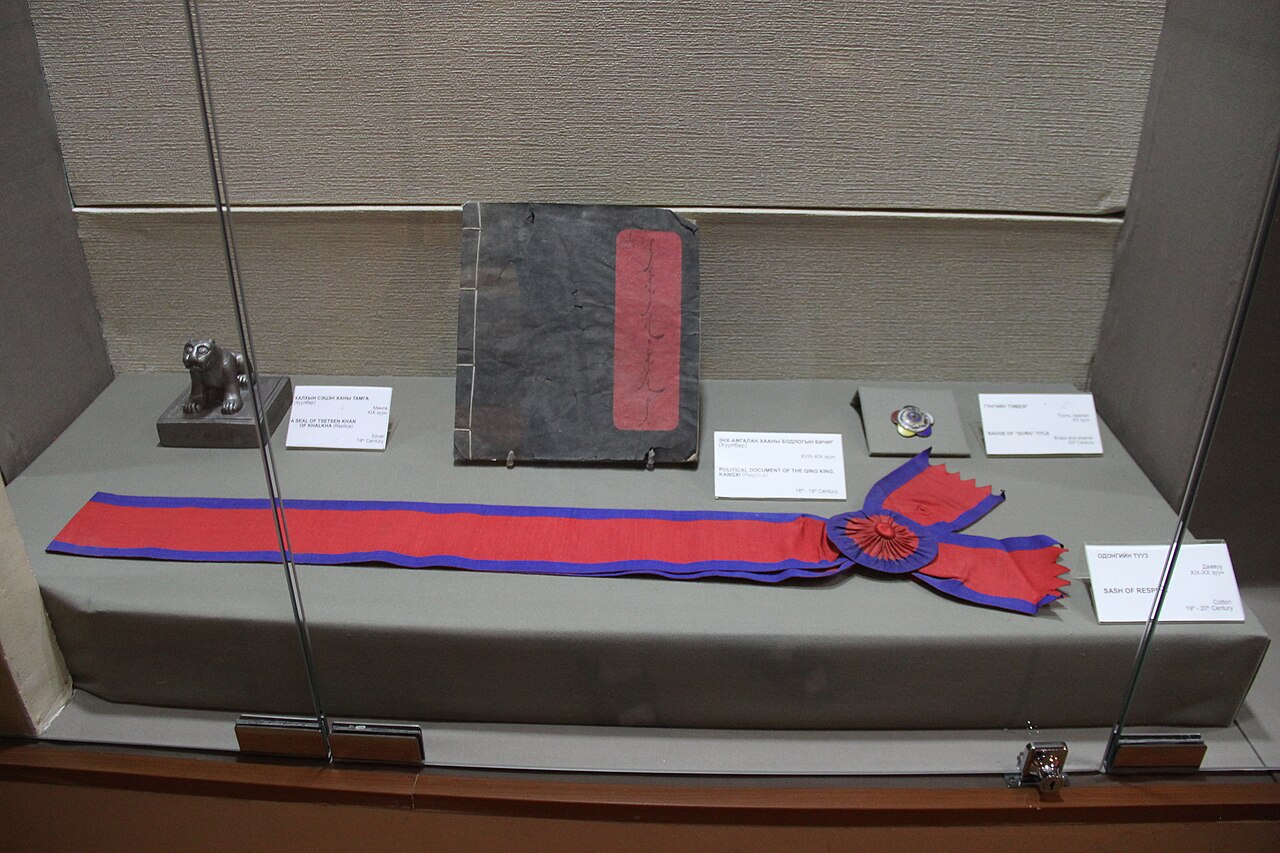
Sacred Edict of the Kangxi Emperor
Kangxi Emperor · 1670
 Letter
Primary source
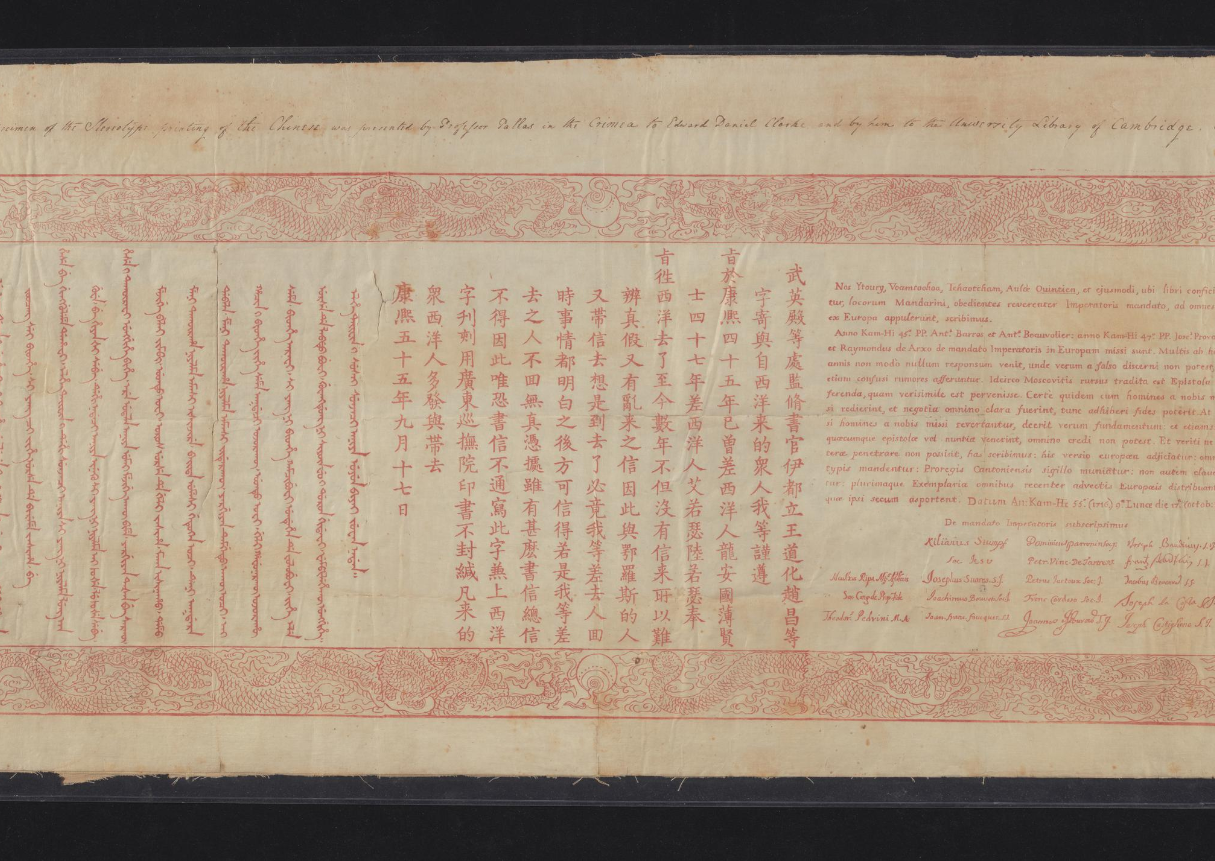
Red Manifesto to Pope Clement XI
Kangxi Emperor · 1716
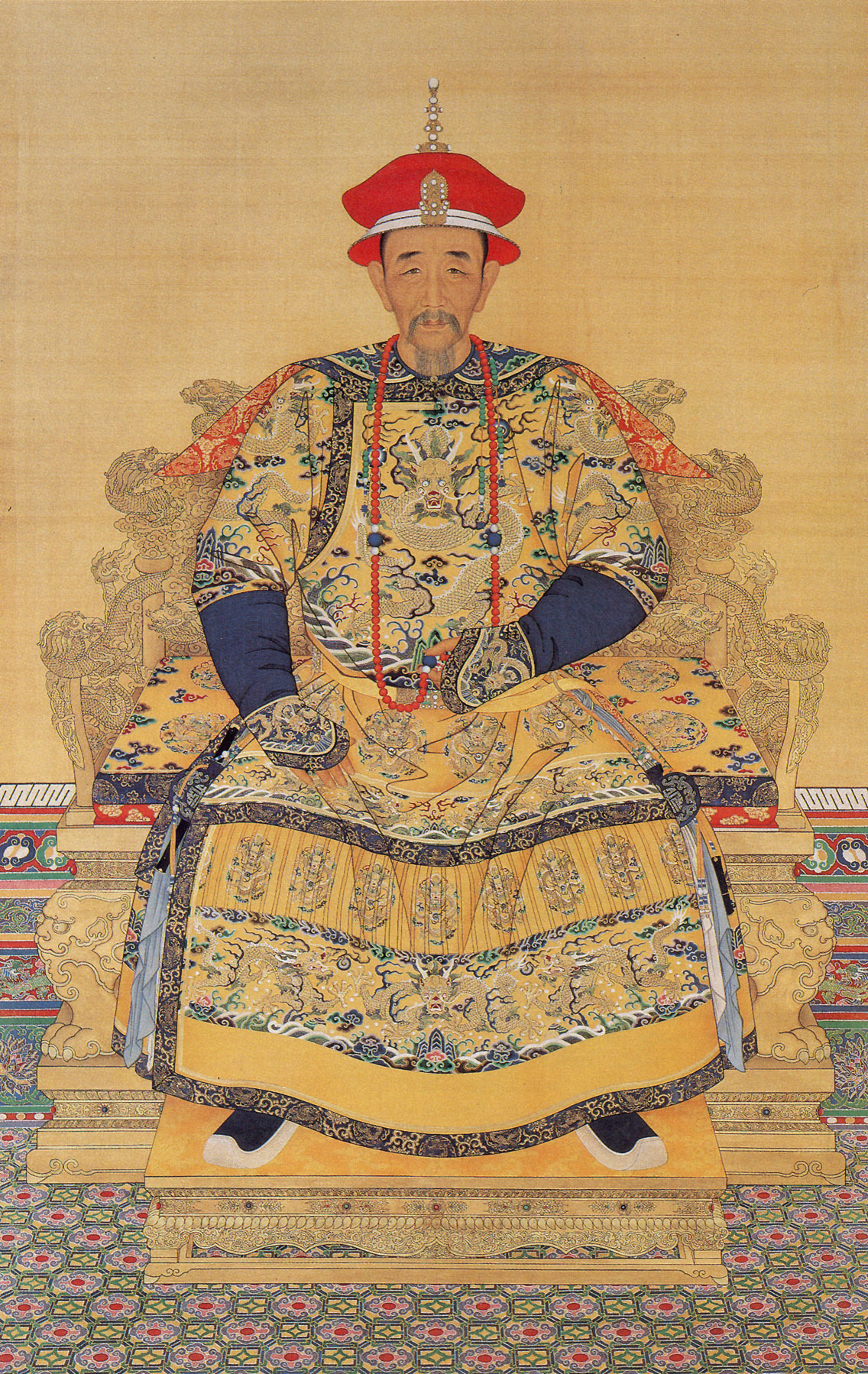 Painting
Primary source
Portrait of the Kangxi Emperor in Court Dress
Free account
Read every Kangxi Emperor source
Sign up free →
Ready when you are
Start chatting with Kangxi Emperor now.
20 messages free · No credit card · Available in 50+ languages.