


Primary sourceDocument19 May 1828
Tariff of Abominations
U.S. Congress · 19 May 1828
The 1828 protective tariff law signed by President John Quincy Adams, which deepened sectional conflict in the United States.
Adams signed this tariff into law as president, a decision that intensified sectional political conflict.
About this source
What it is
This is the Tariff of 1828, a very high protective tariff passed by Congress and signed into law by President John Quincy Adams on 19 May 1828. The original document is held by the U.S. National Archives.
Why it matters
Known as the "Tariff of Abominations," this law set high duties on imported goods such as iron. It was reportedly designed to fail in Congress but passed anyway, and it provoked deep anger in the South, helping set off the nullification crisis. As president, Adams's signature put this controversial measure into law.
Look closer
- Why might a law be designed by its opponents to fail, yet still pass?
- What does the detailed listing of duties on goods like iron reveal about how tariffs worked in practice?
- Why did a tariff on imported goods cause such strong sectional anger, especially in the South?
This document is part of the curated material that grounds the AI version of John Quincy Adams on Humy.ai — when students ask about related events, the AI can quote it and cite it.
More John Quincy Adams sources
Meet the AI John Quincy Adams →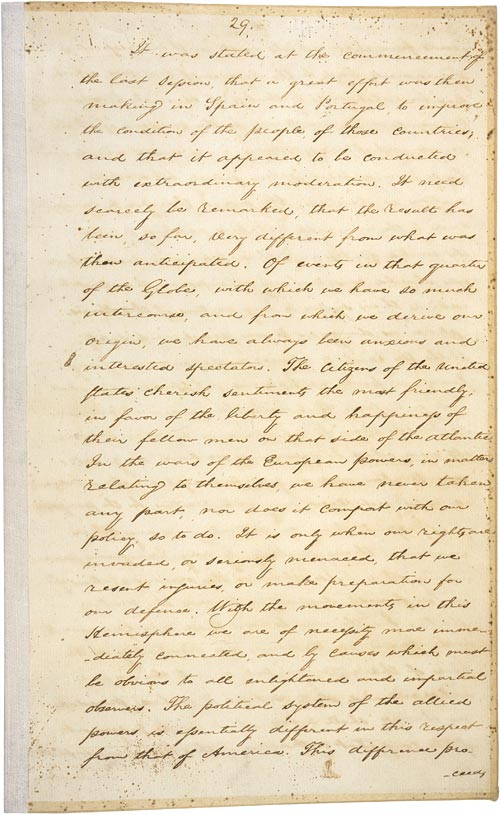 Speech
Primary source
Monroe Doctrine
James Monroe · 2 December 1823
 Diary entry
Primary source
Diary of John Quincy Adams
John Quincy Adams · 1779–1848
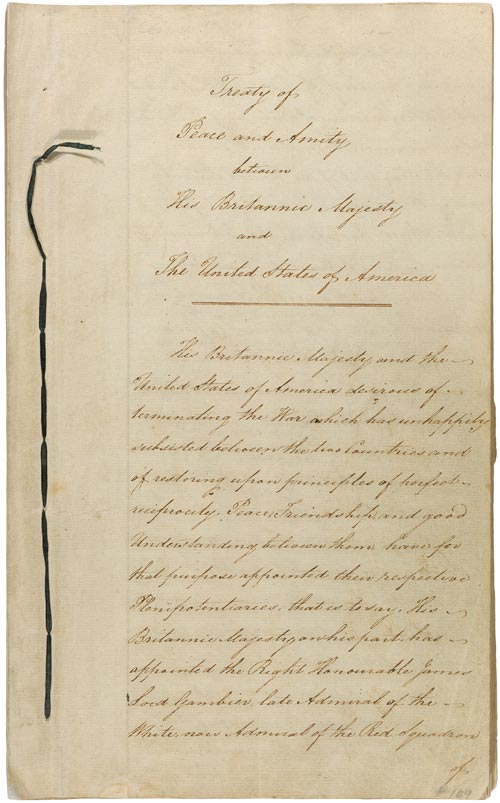 Document
Primary source
Treaty of Ghent
24 December 1814
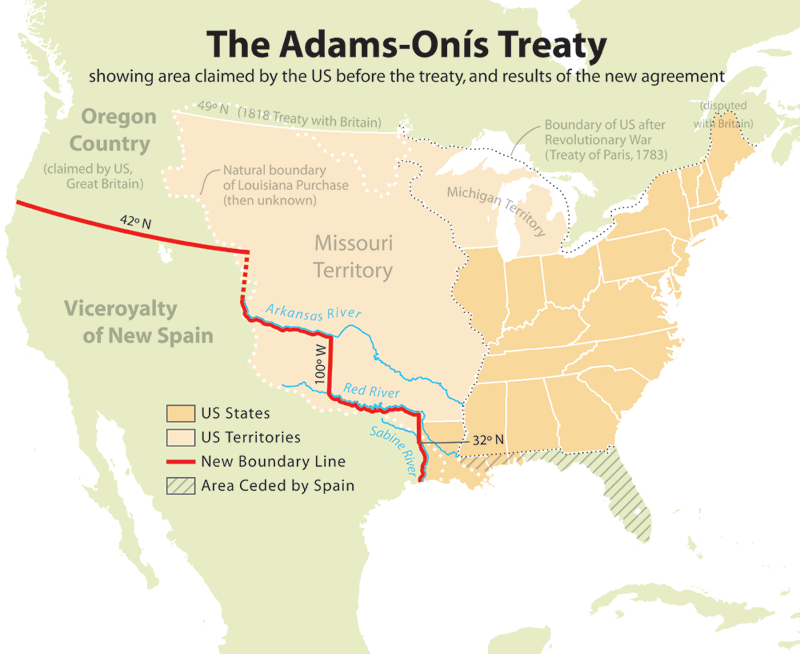 Document
Primary source
Adams–Onís Treaty
1819 (effective 1821)
 Speech
Primary source
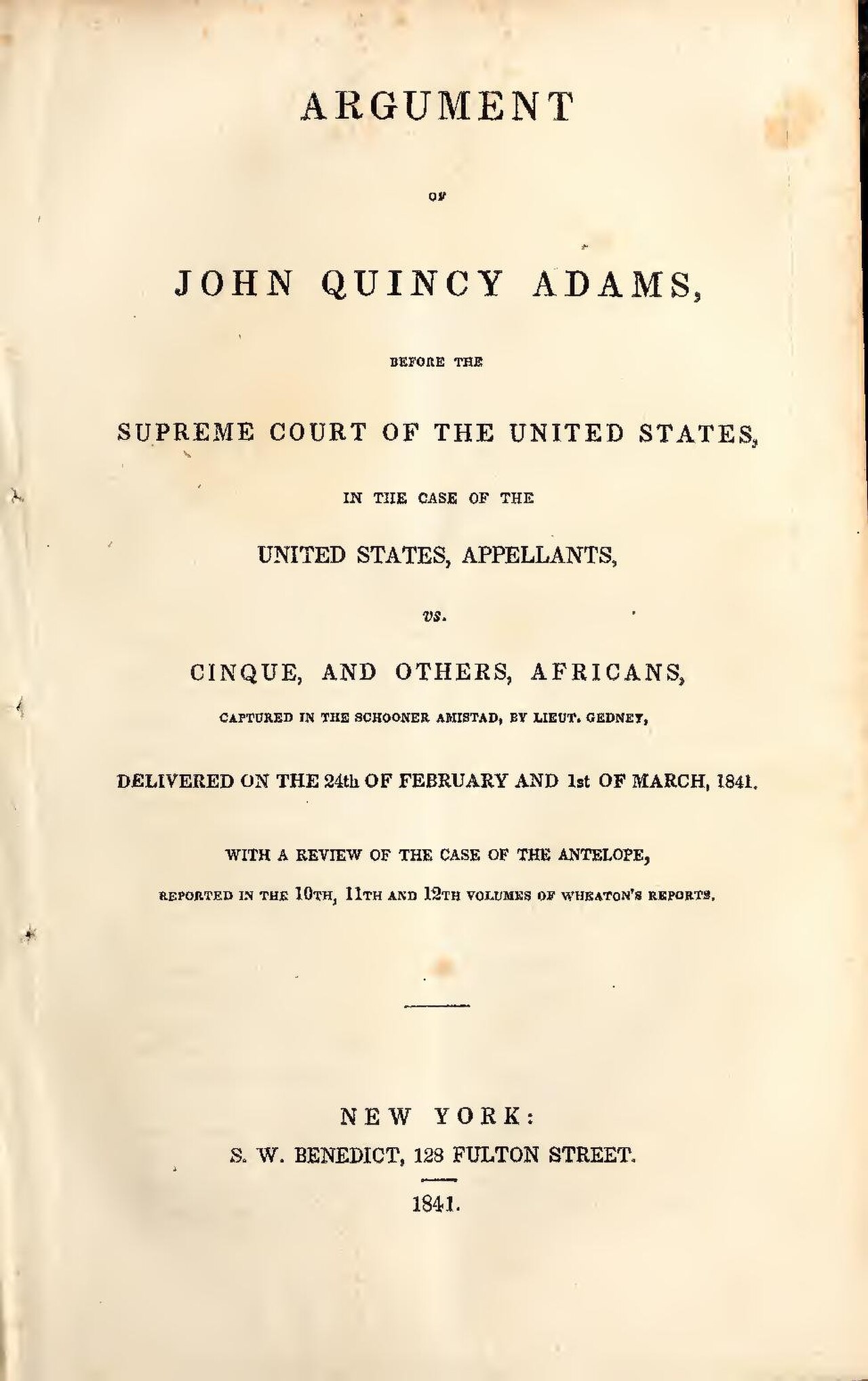
Argument of John Quincy Adams before the Supreme Court in the case of United States v. Cinque (Amistad)
John Quincy Adams · 24 February and 1 March 1841
Ready when you are
Start chatting with John Quincy Adams now.
20 messages free · No credit card · Available in 50+ languages.