


Secondary sourceArtifactlate 18th–early 19th century; museum established 1939
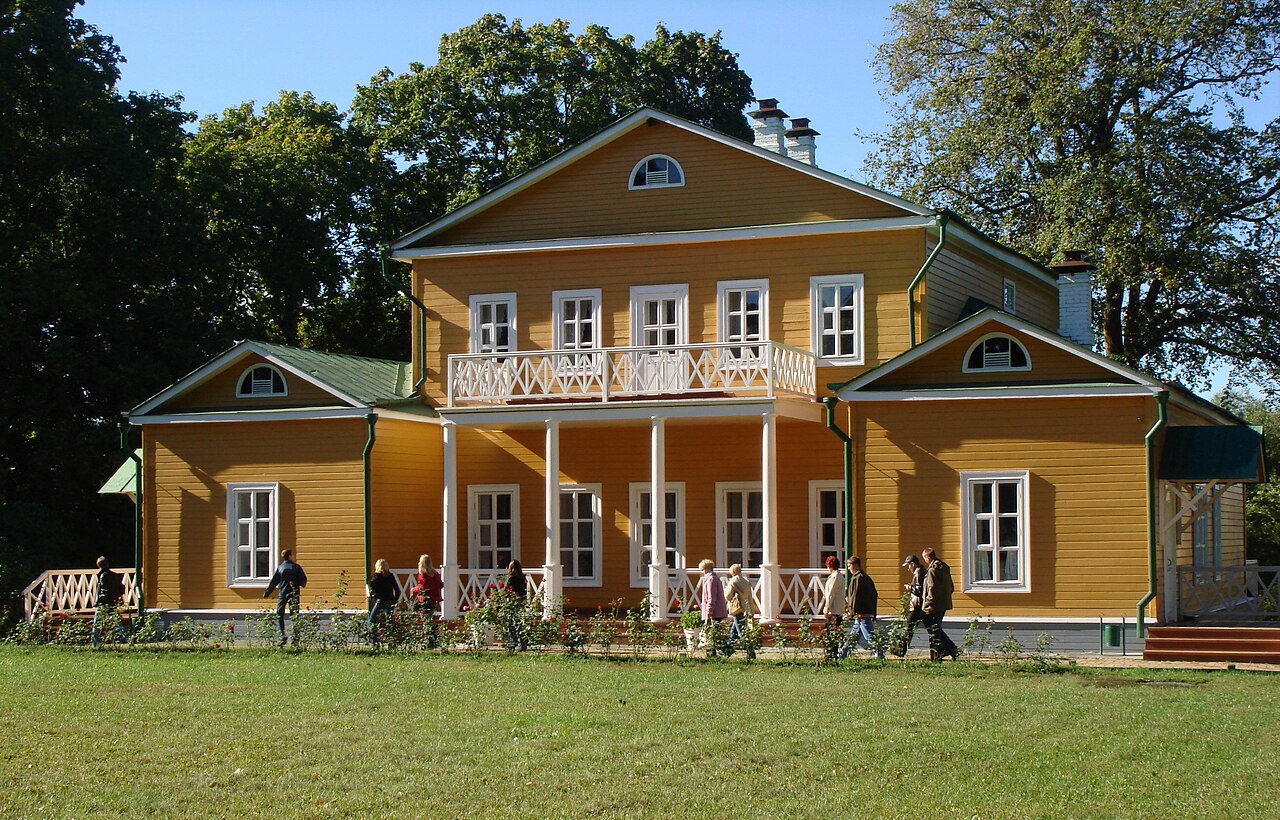
Tarkhany Estate
late 18th–early 19th century; museum established 1939
The family estate in Penza Governorate where Lermontov spent his childhood and where he was later buried.
This estate was Lermontov's childhood home and the setting of family events that shaped his early work; he is buried here.
About this source
What it is
Tarkhany was the estate of Lermontov's grandmother in Penza Governorate, dating from the late 18th to early 19th century. It includes a manor house, churches, outbuildings, and the family crypt. Since 1939 the estate has been preserved as the State Lermontov Museum.
Why it matters
This is where Mikhail Lermontov grew up and where a family feud unfolded that shaped the themes of his early writing. It is also the place where he was buried after his death, making it central to both the beginning and the ending of his story.
Look closer
- Why might a childhood home become an important historical site after a writer's death?
- What might the buildings and grounds tell us about the family's social position?
- How could growing up amid family conflict have influenced Lermontov's writing?
This artifact is part of the curated material that grounds the AI version of Mikhail Lermontov on Humy.ai — when students ask about related events, the AI can quote it and cite it.
More Mikhail Lermontov sources
Browse all 89 →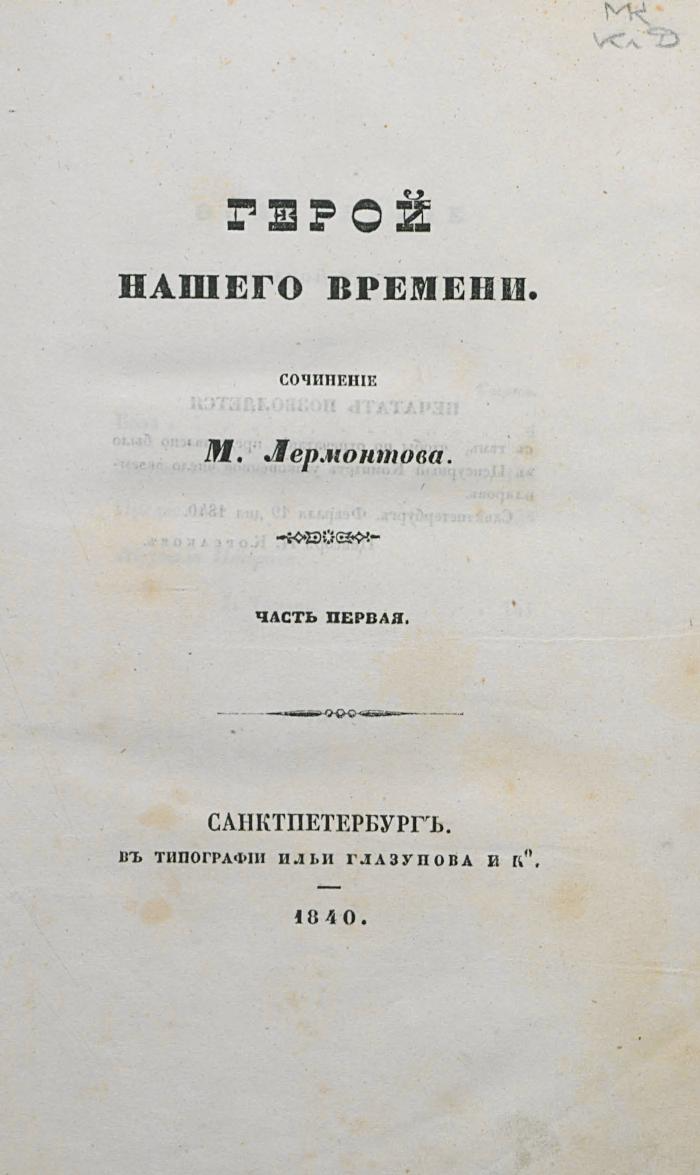 Book
Primary source
A Hero of Our Time
Mikhail Lermontov · 1840 (written 1838-1839)
 Book
Primary source
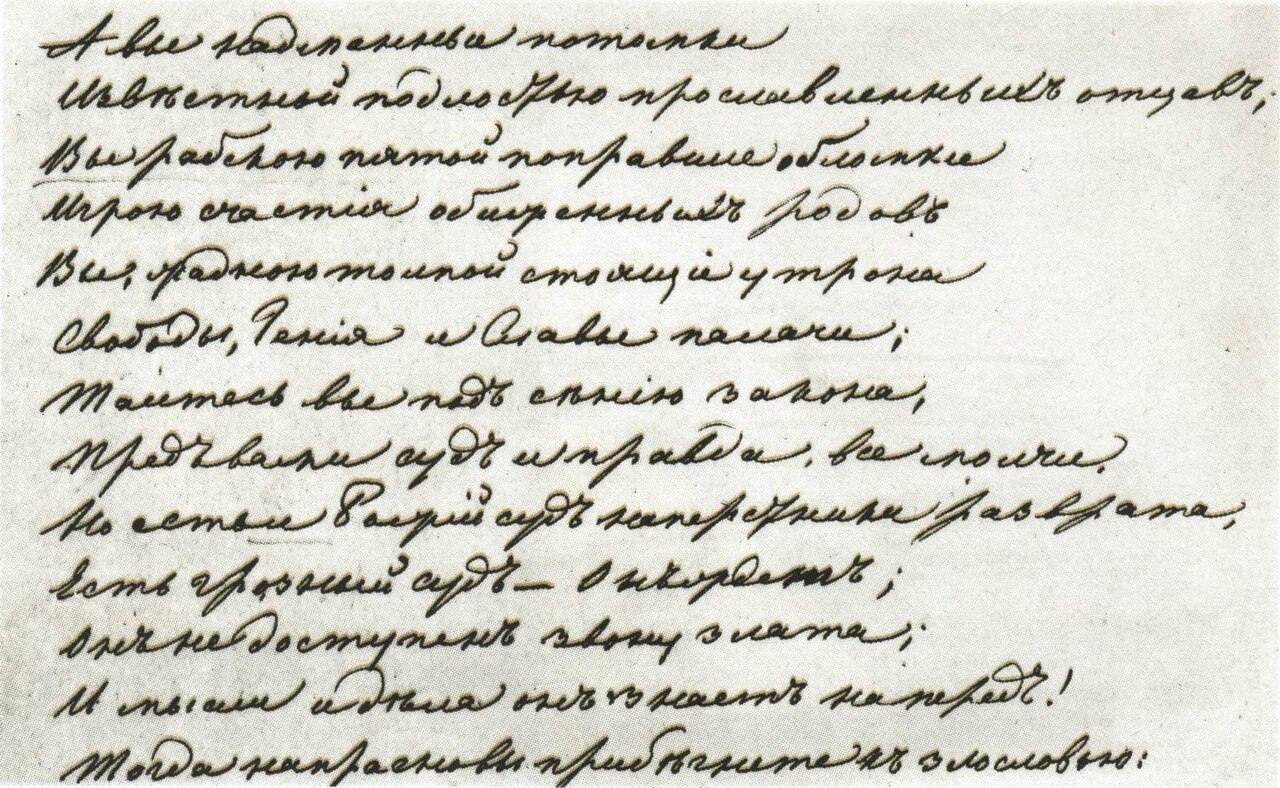
Death of the Poet
Mikhail Lermontov · 1837
 Book
Primary source
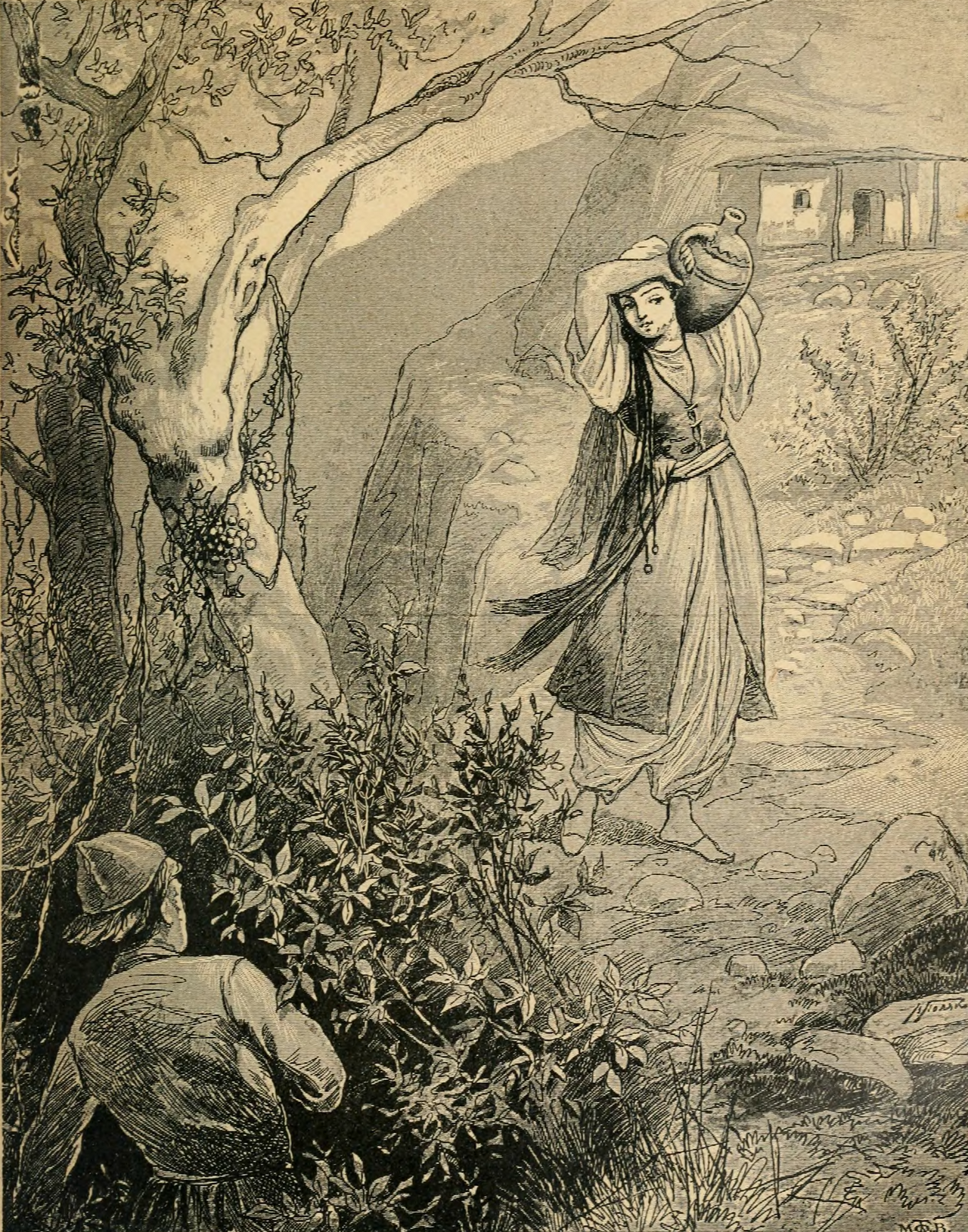
The Novice
Mikhail Lermontov · 1839, published 1840
Primary source
Demon
Mikhail Lermontov · 1829-1839, published 1842
Free account
Read every Mikhail Lermontov source
Sign up free →
Ready when you are
Start chatting with Mikhail Lermontov now.
20 messages free · No credit card · Available in 50+ languages.