


Primary sourceBook1664
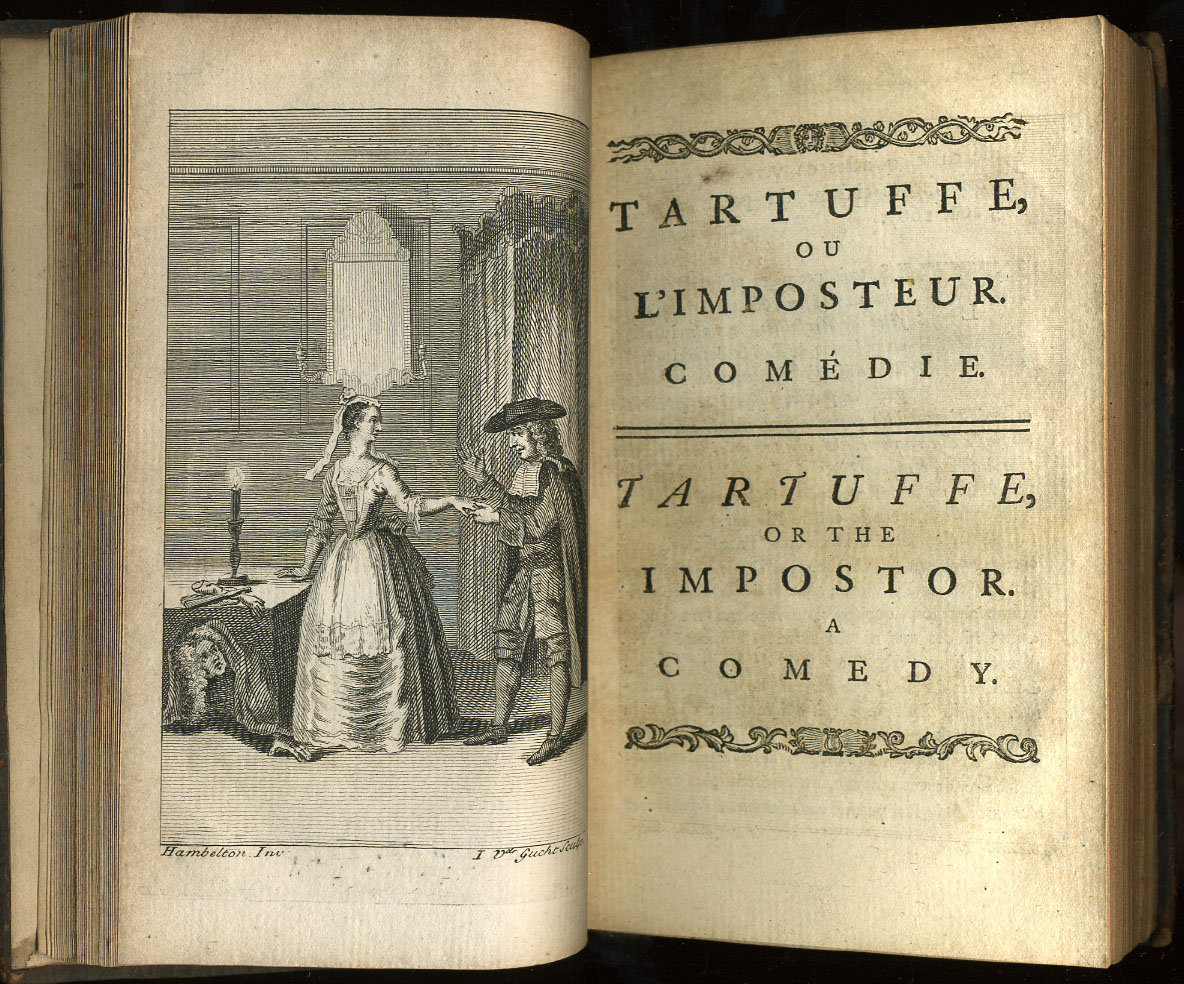
Tartuffe
Molière · 1664
A verse comedy by Molière satirising religious hypocrisy, banned for years after its 1664 premiere before the king.
Molière wrote this satirical comedy, which provoked a ban and showed his reliance on royal protection.
Free Humy account · No credit card · 120,288 sources to read
About this source
What it is
Tartuffe, or The Impostor is a comedy written in rhyming verse by the French playwright Molière. It was first performed in 1664, condemned soon after, revised, and finally released in its current form in 1669.
Why it matters
The play mocks people who fake religious devotion to gain power and money. It was so provocative that the Archbishop of Paris helped get it banned, and Molière depended on the protection of King Louis XIV to keep working. The controversy shows how dangerous satire of the Church could be in 17th-century France, and how closely playwrights depended on royal favour.
Look closer
- Why might the king have banned a play he reportedly found entertaining?
- What does the long ban tell you about who controlled what people could watch on stage?
- How does the word 'tartuffe' entering the language show the play's lasting influence?
This book is part of the curated material that grounds the AI version of Molière on Humy.ai — when students ask about related events, the AI can quote it and cite it.
More Molière sources
Browse all 92 →
Ready when you are
Start chatting with Molière now.
20 messages free · No credit card · Available in 50+ languages.