


Primary sourceArtifact1896
Tegel Prison
1896
The Berlin military prison where Bonhoeffer was held for 18 months and wrote the letters and essays of his final years.
The prison where Bonhoeffer spent 18 months and wrote the letters and essays of his final years.
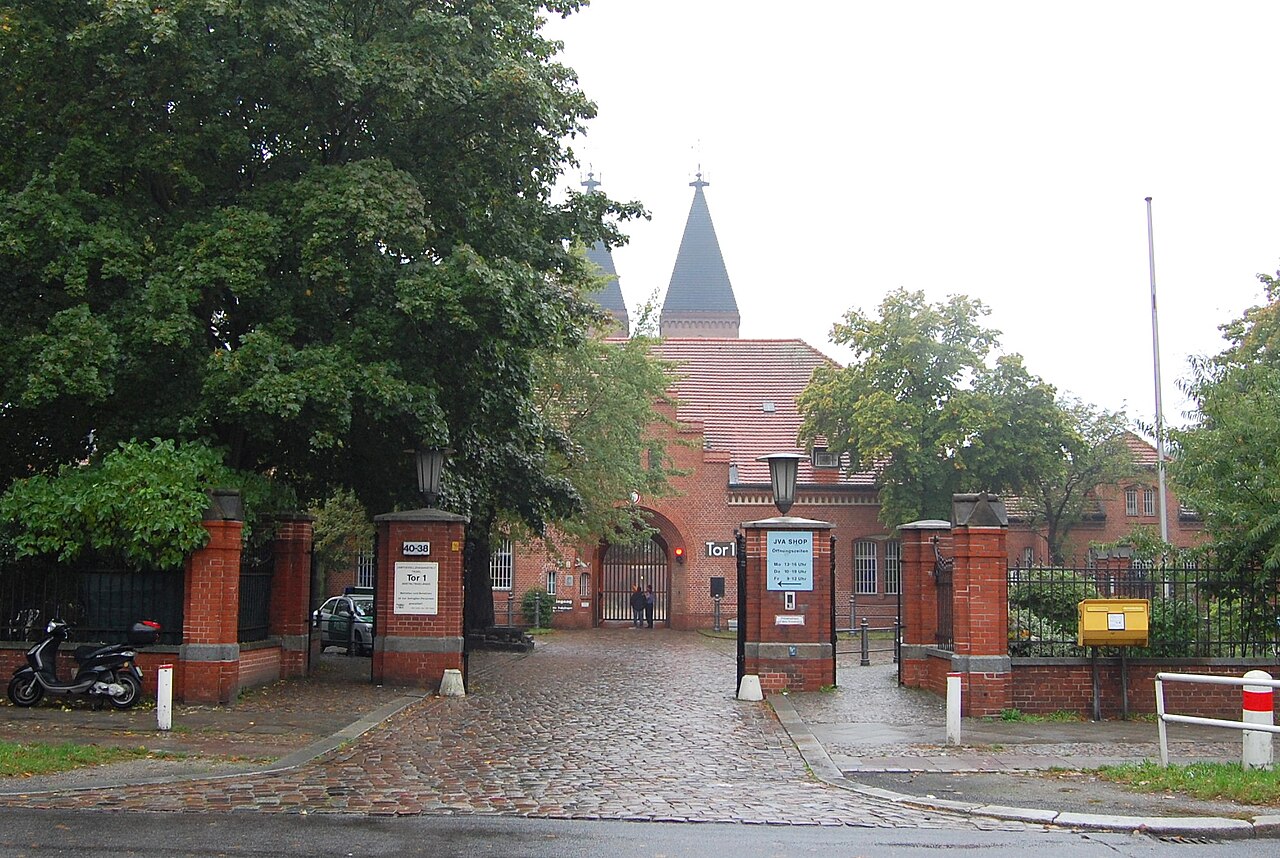
About this source
What it is
Tegel Prison is a large penitentiary in Berlin, built beginning in 1896. Dietrich Bonhoeffer was imprisoned there from 5 April 1943 as an opponent of the Nazi regime, held in cell 92, and wrote many letters, poems and essays during his time there. These writings were later published as part of the book Resistance and Surrender.
Why it matters
Tegel Prison is where some of Bonhoeffer's most personal and influential writing took place, as he reflected on faith, suffering and resistance while awaiting an uncertain fate. The prison also held other notable opponents of the Nazi regime, such as Helmuth James von Moltke, showing it as a site where resistance to the regime converged.
Look closer
- What might it mean that some of Bonhoeffer's most lasting writing came from a prison cell?
- Why would a military prison hold a civilian theologian like Bonhoeffer?
- What does the fact that letters had to be smuggled or carefully worded tell us about conditions there?
This artifact is part of the curated material that grounds the AI version of Dietrich Bonhoeffer on Humy.ai — when students ask about related events, the AI can quote it and cite it.
More Dietrich Bonhoeffer sources
Browse all 79 →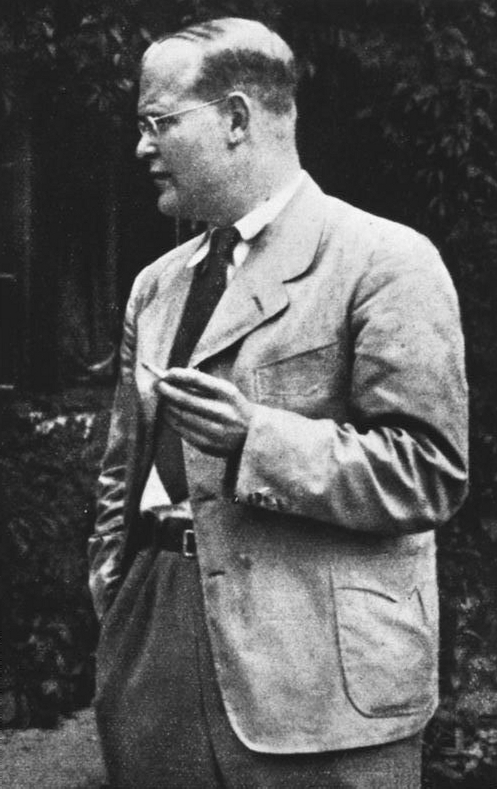 Photograph
Primary source
Portrait of Dietrich Bonhoeffer
 Photograph
Primary source
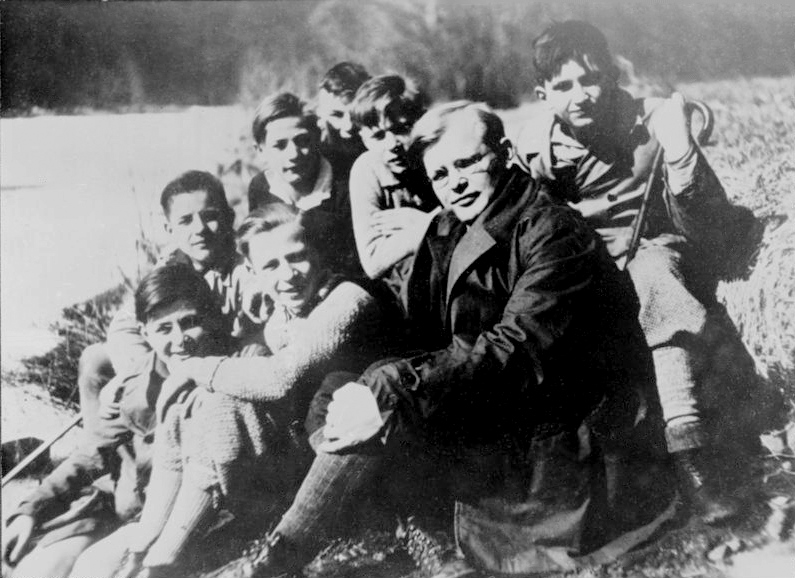
Dietrich Bonhoeffer mit Schülern
21 March 1932
 Photograph
Primary source
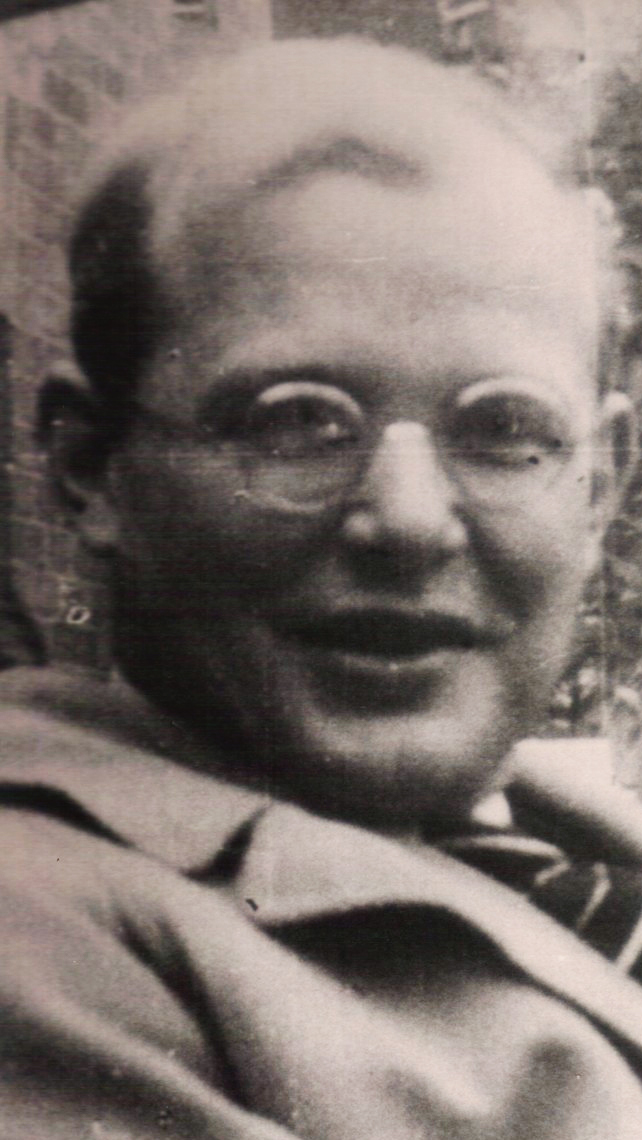
Dietrich Bonhoeffer um 1938
c. 1938
 Photograph
Primary source
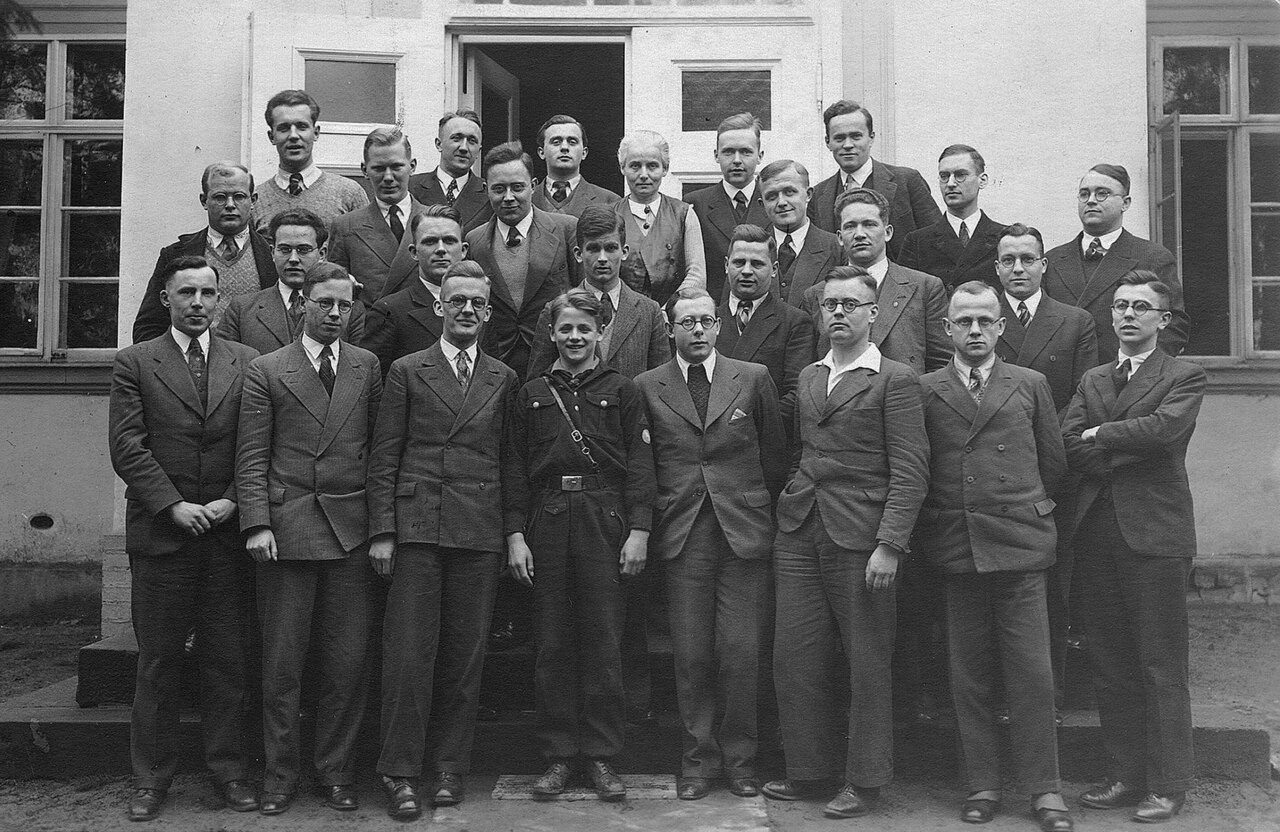
Dietrich Bonhoeffer im Sammelvikariat Sigurdshof
Free account
Read every Dietrich Bonhoeffer source
Sign up free →
Ready when you are
Start chatting with Dietrich Bonhoeffer now.
20 messages free · No credit card · Available in 50+ languages.