


Primary sourceArtifact1927
Tekigaisō
Itō Chūta · 1927
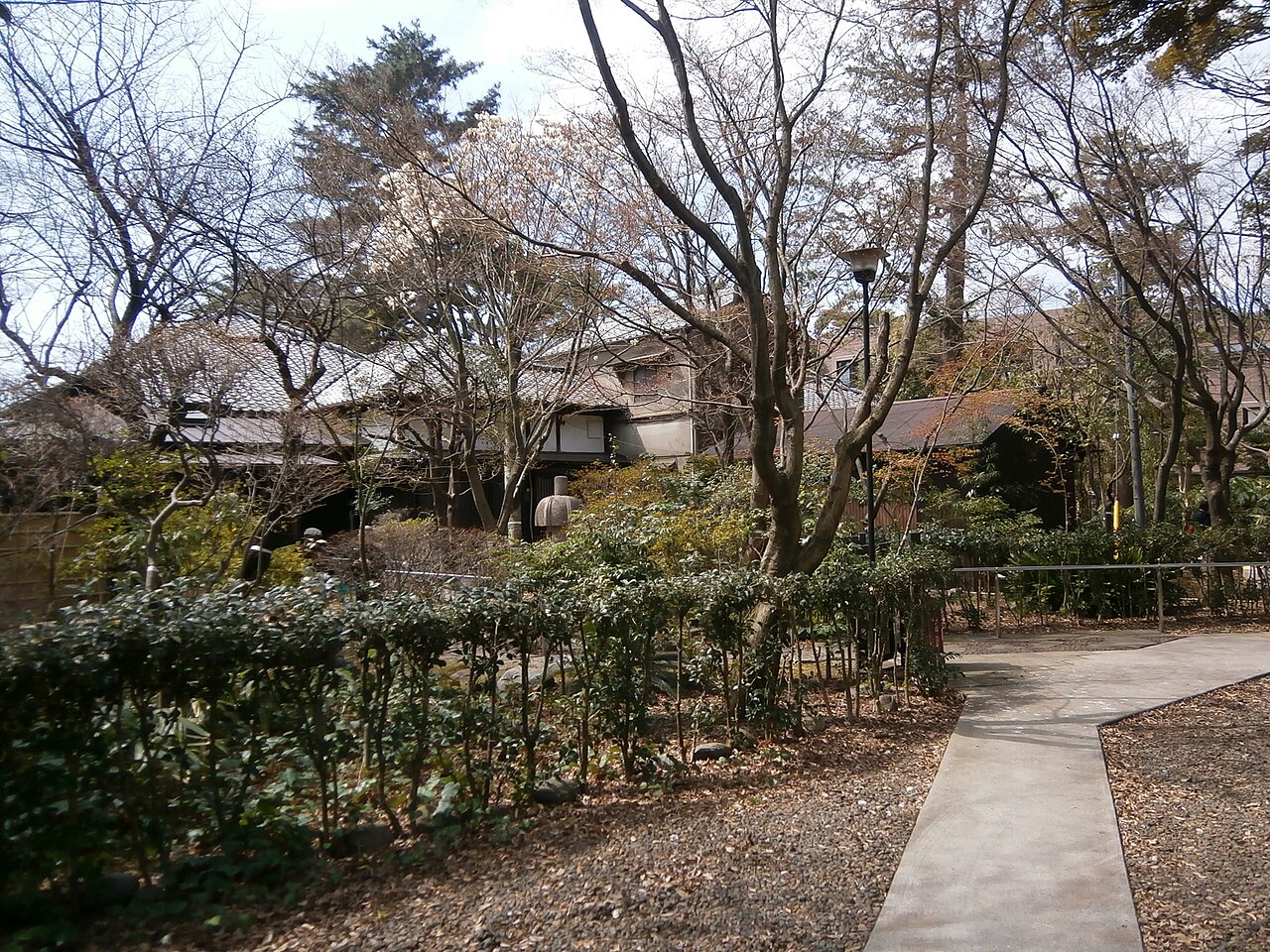
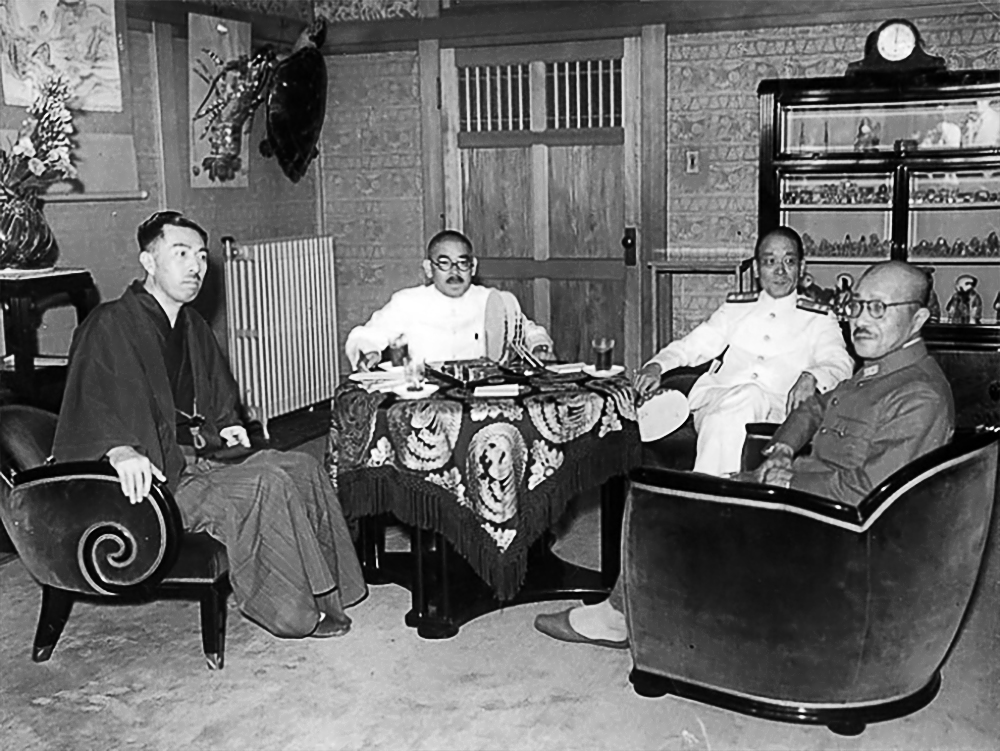
Konoe's private residence in Ogikubo, Tokyo, where key wartime conferences took place and where he died by suicide in 1945.
Konoe's private residence, site of key wartime conferences and the place where he died in 1945.
About this source
What it is
Tekigai-sō is a wooden villa built in 1927 in the Ogikubo neighbourhood of Tokyo, designed by architect Itō Chūta. Fumimaro Konoe bought the house in 1937 and remodeled it. It became his de facto residence as prime minister. The site is now a National Historic Site and public park in Suginami, Tokyo.
Why it matters
Several major events in Japan's path to war happened here, including talks between Konoe, Hideki Tōjō and Yōsuke Matsuoka about closer ties with Nazi Germany and Fascist Italy, and a later meeting where Tōjō refused to compromise on the war with China, leading to Konoe's resignation. Konoe returned here after leaving office and died in this house in December 1945 by taking poison, rather than face trial for war crimes.
Look closer
- Why would a private villa, rather than an official building, become the site of such important political decisions?
- What does the choice of this quiet residence suggest about how Konoe wanted to work?
- What does the building's later history — being divided, moved, and partly returned — tell you about how Japan remembers this period?
This artifact is part of the curated material that grounds the AI version of Fumimaro Konoe on Humy.ai — when students ask about related events, the AI can quote it and cite it.
More Fumimaro Konoe sources
Browse all 83 →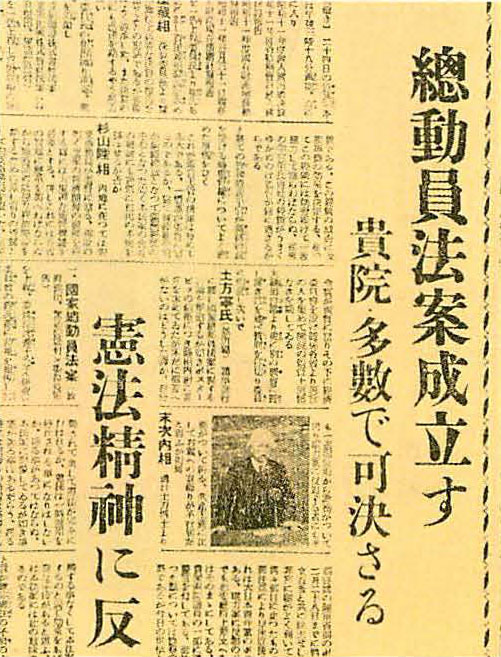 Document
Primary source
National Mobilization Law
1938
 Document
Primary source
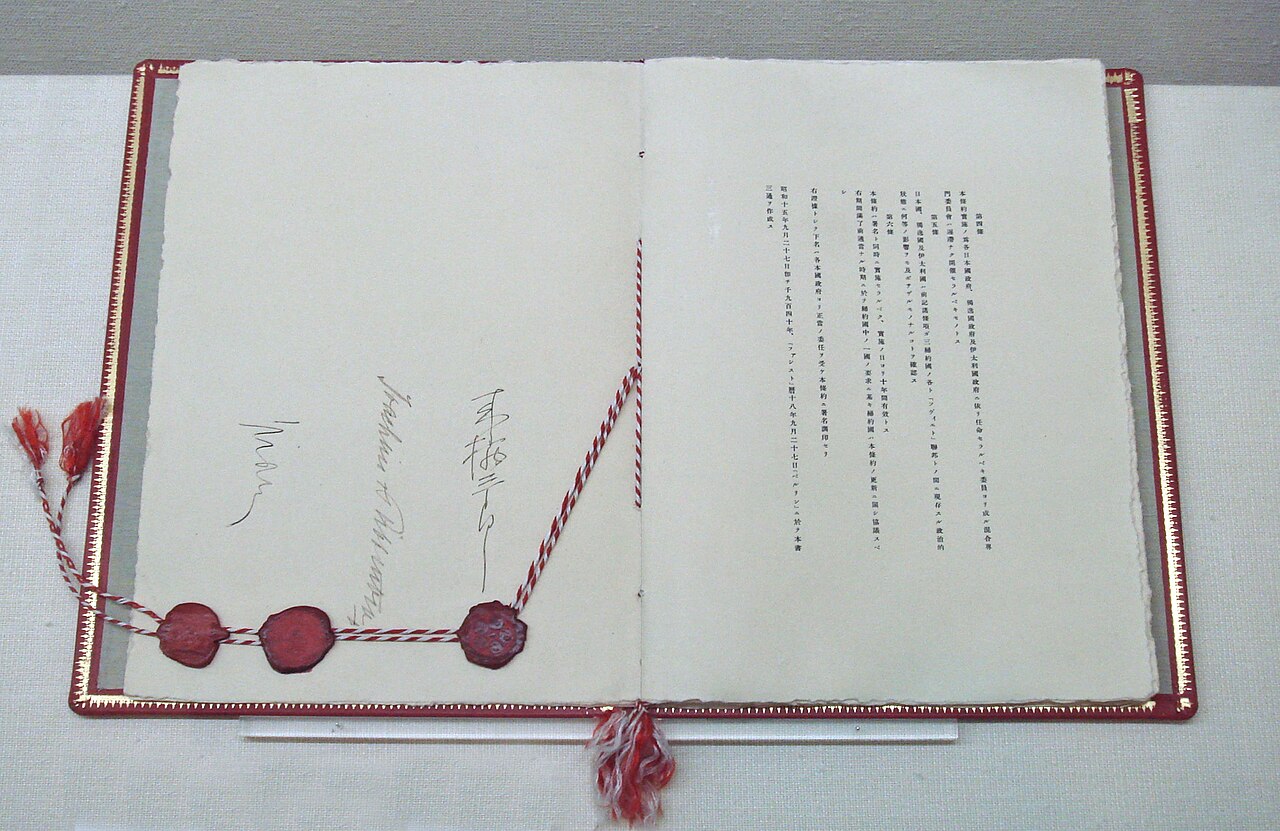
Tripartite Pact
27 September 1940
 Photograph
Primary source
Fumimaro Konoe (cropped)
Cabinet Information Bureau
 Photograph
Primary source
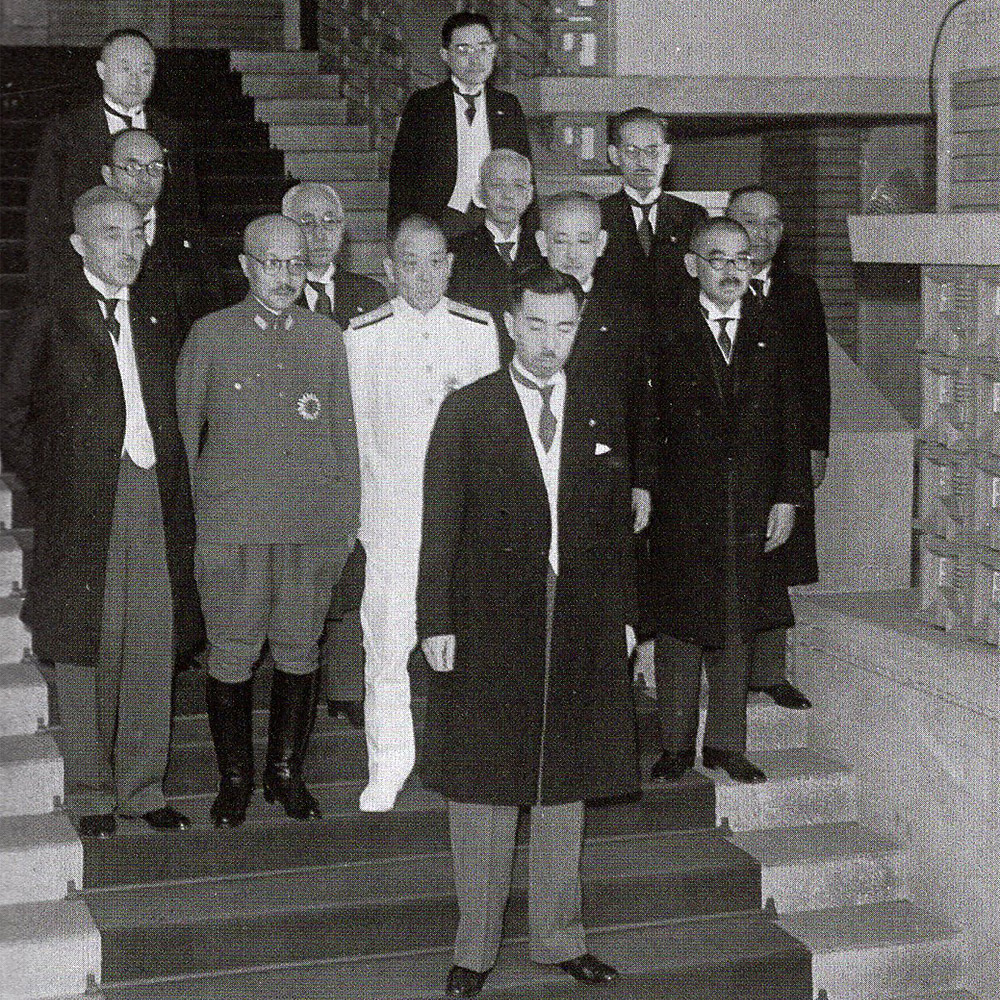
Fumimaro Konoe Cabinet, 22 July 1940
Mainichi Shimbun · 22 July 1940

Free account
Read every Fumimaro Konoe source
Sign up free →
Ready when you are
Start chatting with Fumimaro Konoe now.
20 messages free · No credit card · Available in 50+ languages.