


Secondary sourceArtifact5th century BC rebuilding
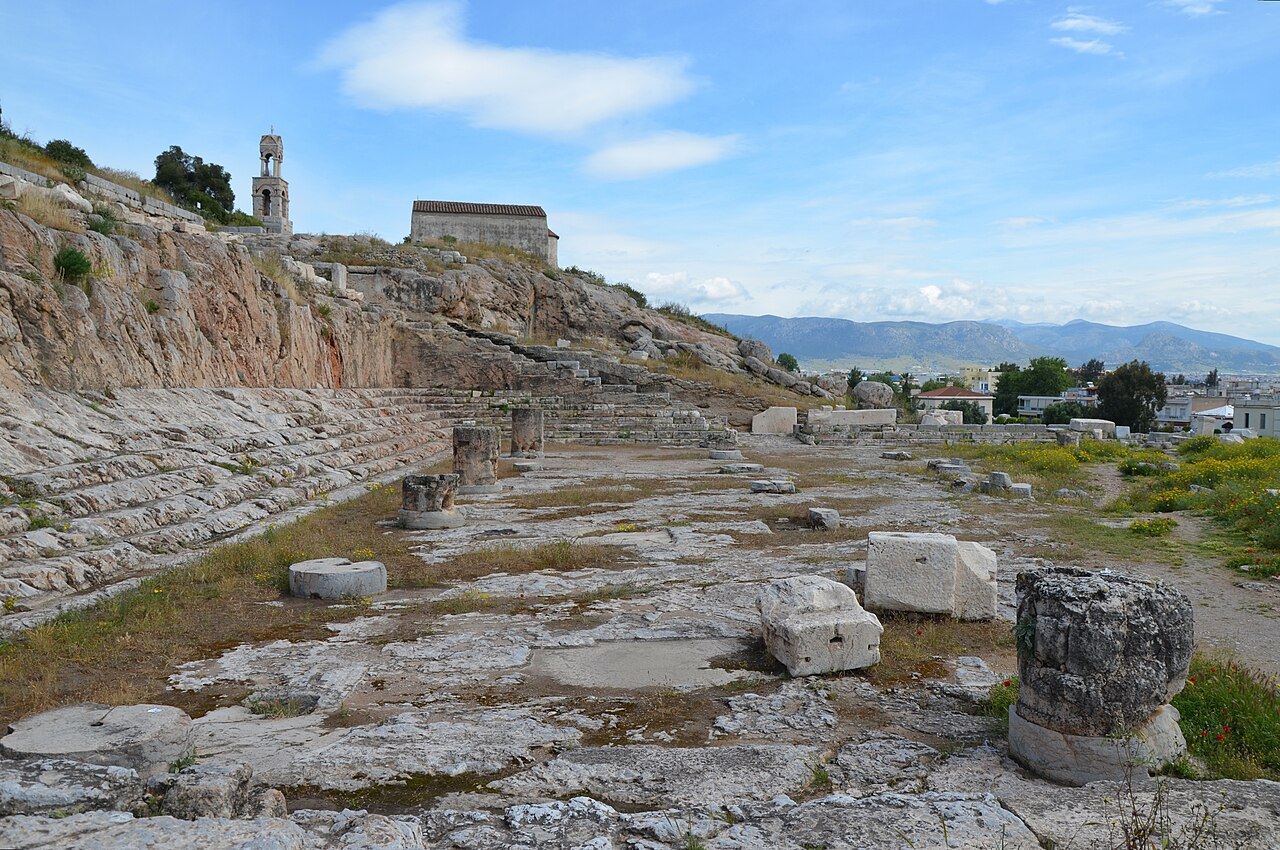
Telesterion
Ictinos (architect, attributed) · 5th century BC rebuilding
The great hall of initiation at Eleusis, rebuilt under Pericles' building programme after its Persian-era destruction.
Plutarch credits Pericles' building programme with rebuilding this hall, extending his patronage beyond the Acropolis.
About this source
What it is
The Telesterion was a great hall at Eleusis where the secret Eleusinian Mysteries, rites for Demeter and Persephone, were performed. First built centuries earlier, it was destroyed by the Persians and later rebuilt larger, with the architect Ictinos among those who worked on it. The ruins are now at Eleusis (Elefsina).
Why it matters
Ancient writers such as Plutarch credit Pericles' building programme with the hall's reconstruction, showing that his patronage of architecture went beyond the Acropolis in Athens to major religious sites across Attica. The building reveals how closely politics, religion and civic prestige were tied together in 5th-century Athens.
Look closer
- Why might a political leader want to rebuild a religious site rather than only civic buildings?
- What does the size of the hall (holding thousands) suggest about the importance of the Mysteries?
- What is missing from this ruin that would have been there when the hall was in use?
This artifact is part of the curated material that grounds the AI version of Pericles on Humy.ai — when students ask about related events, the AI can quote it and cite it.
More Pericles sources
Meet the AI Pericles →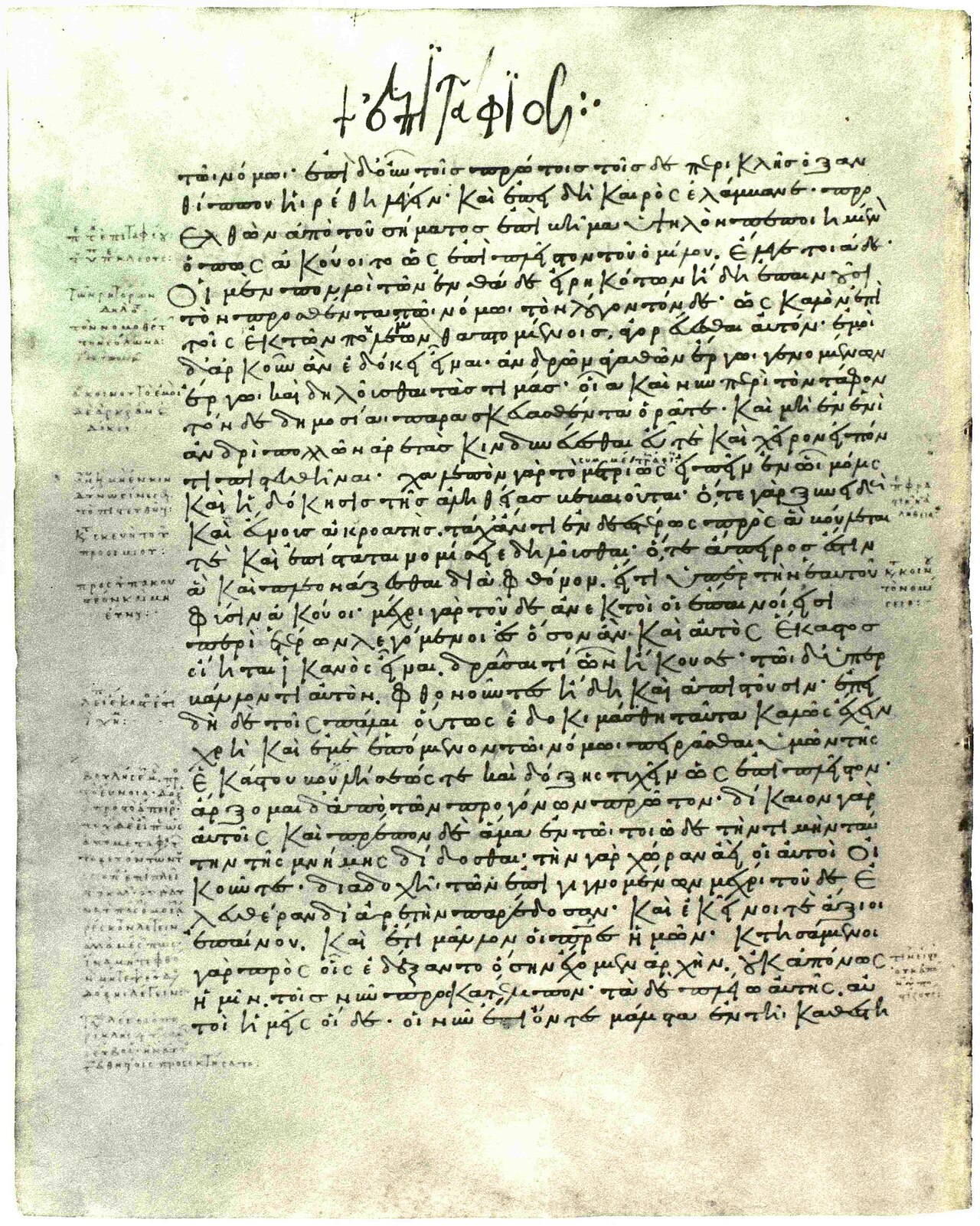 Speech
Secondary source
Pericles' Funeral Oration
Thucydides · 431/430 BCE
 Artifact
Primary source
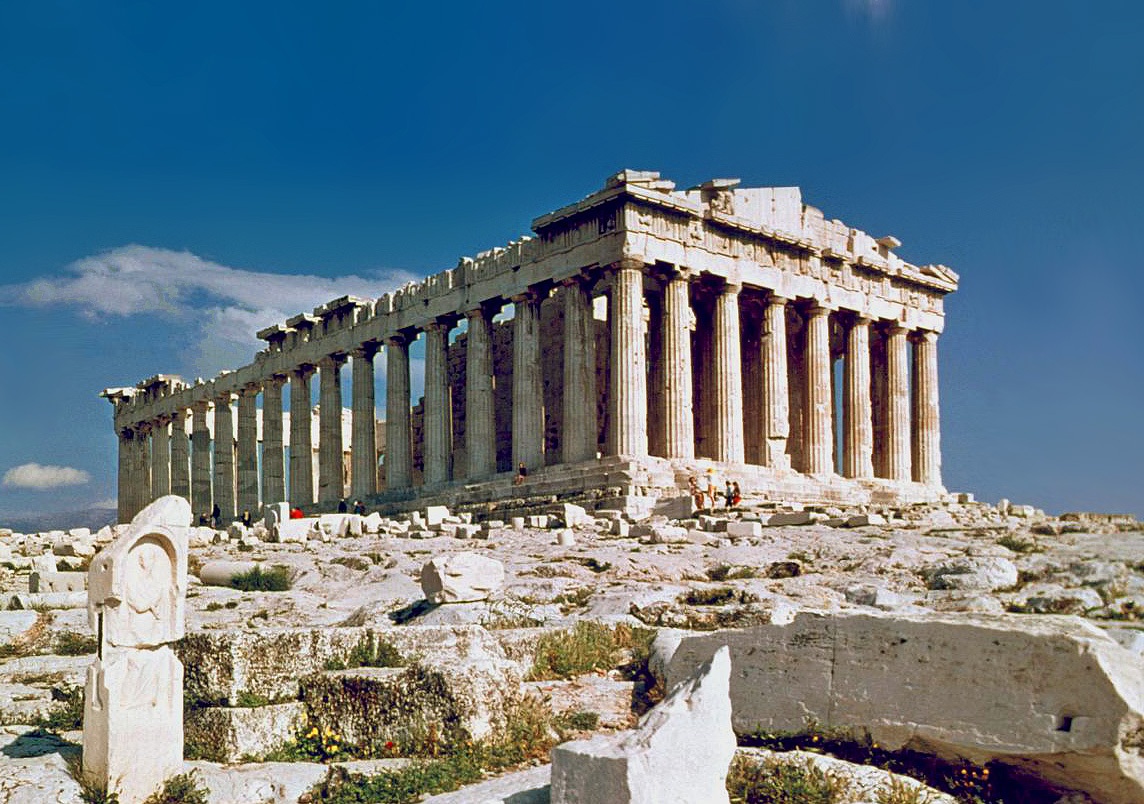
Parthenon
447-432 BCE
 Sculpture
Secondary source
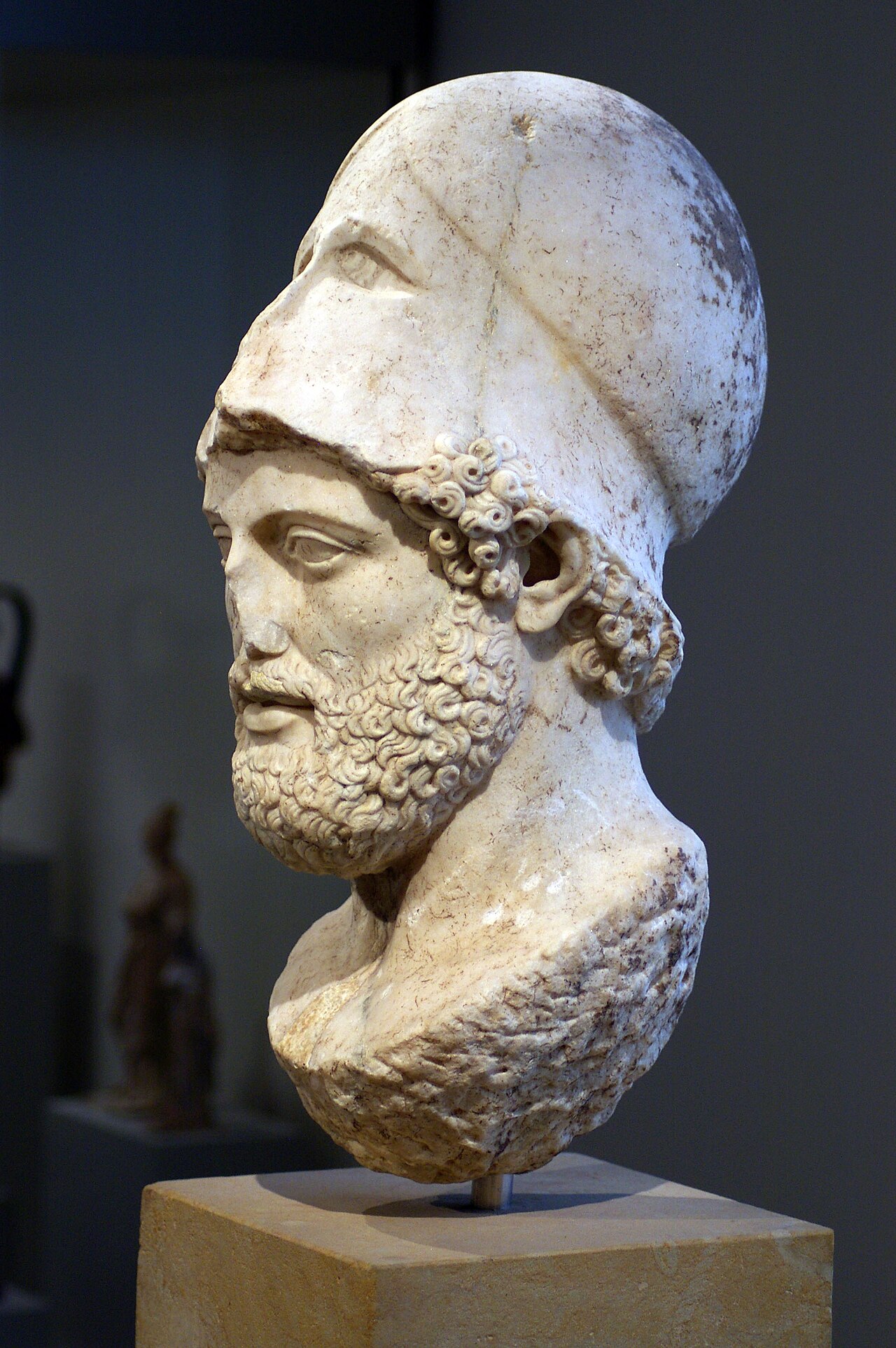
Pericles with the Corinthian Helmet
Kresilas · Roman copy, from a Greek original near Pericles' lifetime
 Book
Primary source
History of the Peloponnesian War
Thucydides · 5th century BCE
Secondary source
Life of Pericles
Plutarch
Ready when you are
Start chatting with Pericles now.
20 messages free · No credit card · Available in 50+ languages.