


Secondary sourceArtifactbegun 449 BC
Temple of Hephaestus
begun 449 BC
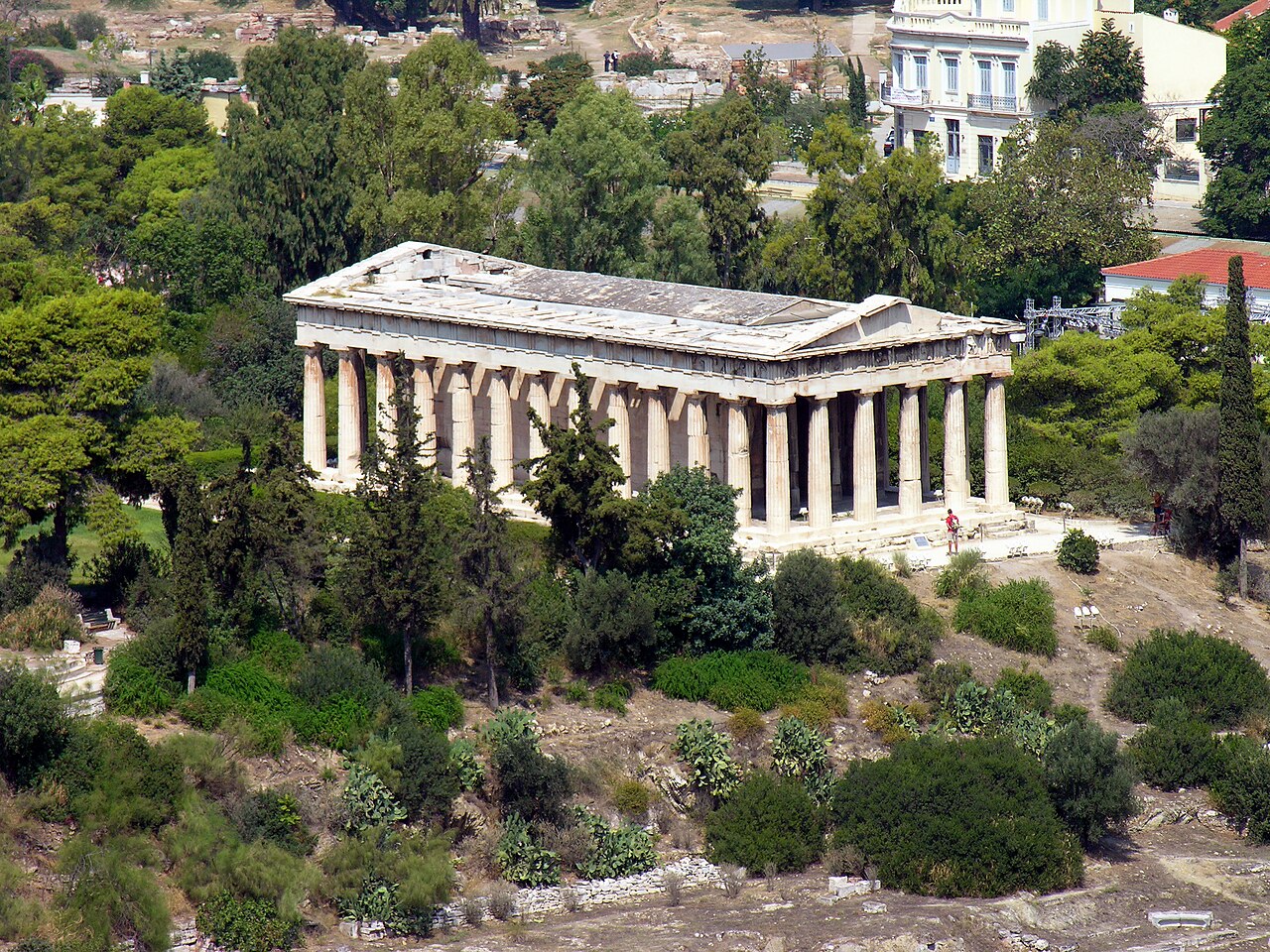
A well-preserved Doric temple overlooking the Athenian Agora, begun under the building programme launched by Pericles.
Construction began as part of the building programme Pericles launched to glorify Athens after the Persian Wars.
About this source
What it is
The Temple of Hephaestus is a Doric temple on a hill above the Agora of Athens, dedicated to the god of metalworking and craftsmanship. It stands largely intact today because it later served for centuries as a Greek Orthodox church. Construction began in 449 BC, with sculptural work continuing over several decades.
Why it matters
Its construction began as Pericles directed Athens' wealth and influence toward transforming the city into the centre of Greek culture. Work on it was slowed because funds and workers were redirected to the Parthenon, showing how Pericles prioritised his building projects. Its survival gives historians a rare, nearly complete example of the architecture of this era.
Look closer
- Why might this temple have survived so much better than other ancient buildings?
- What does its location near metalworking shops tell you about how Athenians connected gods to daily trades?
- What does the delay in finishing it reveal about how Athenian leaders set priorities for public money?
This artifact is part of the curated material that grounds the AI version of Pericles on Humy.ai — when students ask about related events, the AI can quote it and cite it.
More Pericles sources
Meet the AI Pericles →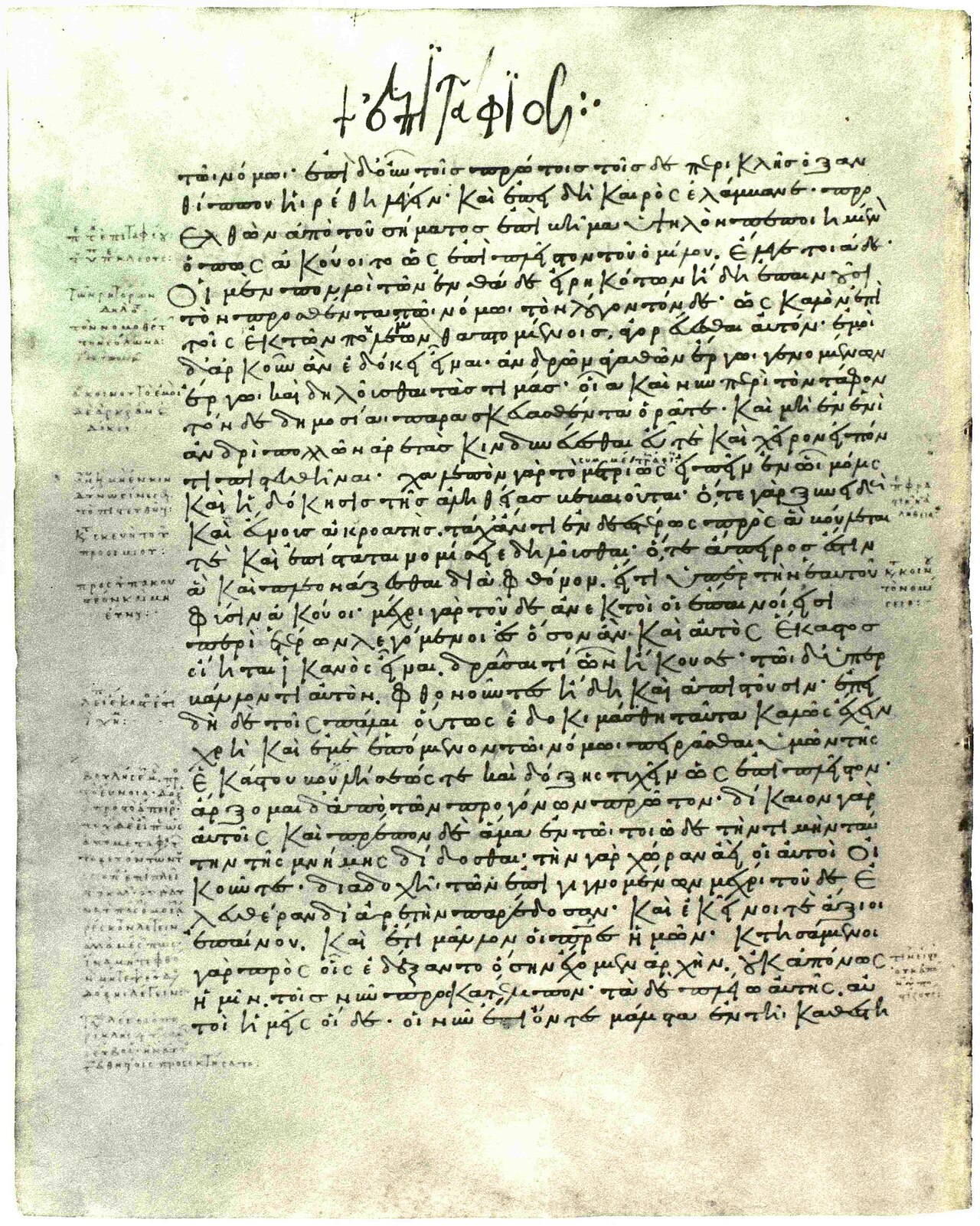 Speech
Secondary source
Pericles' Funeral Oration
Thucydides · 431/430 BCE
 Artifact
Primary source
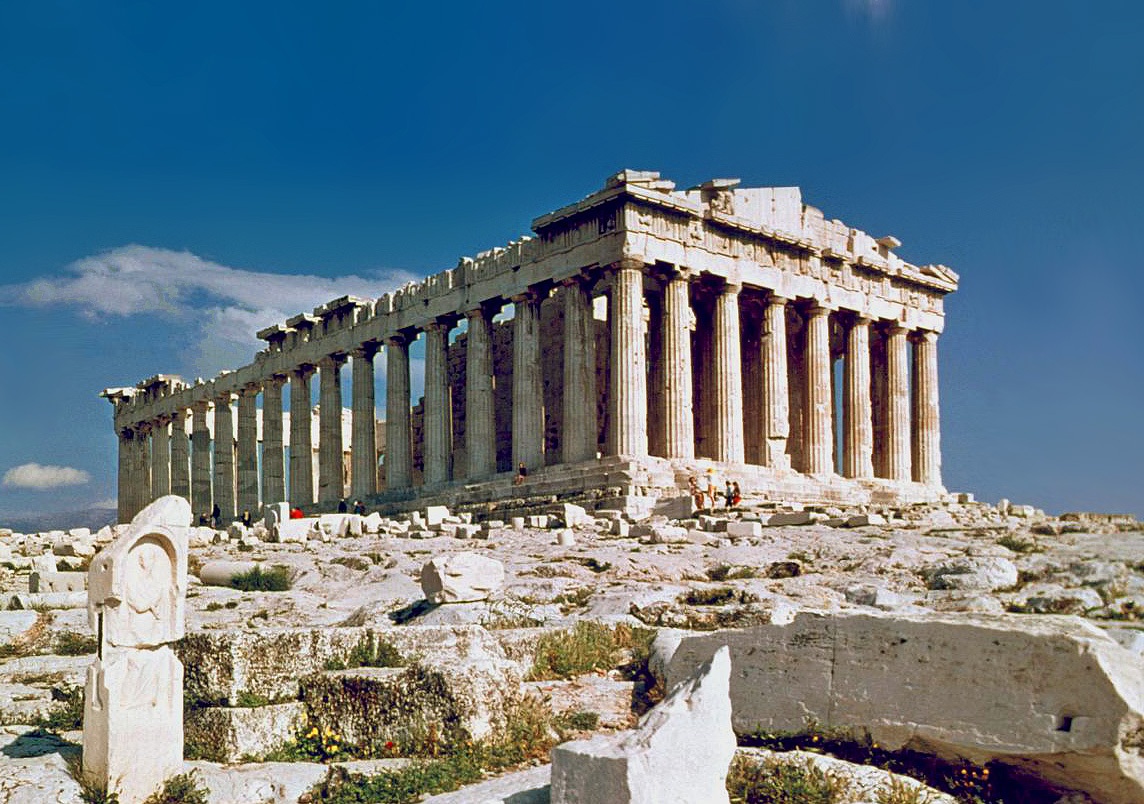
Parthenon
447-432 BCE
 Sculpture
Secondary source
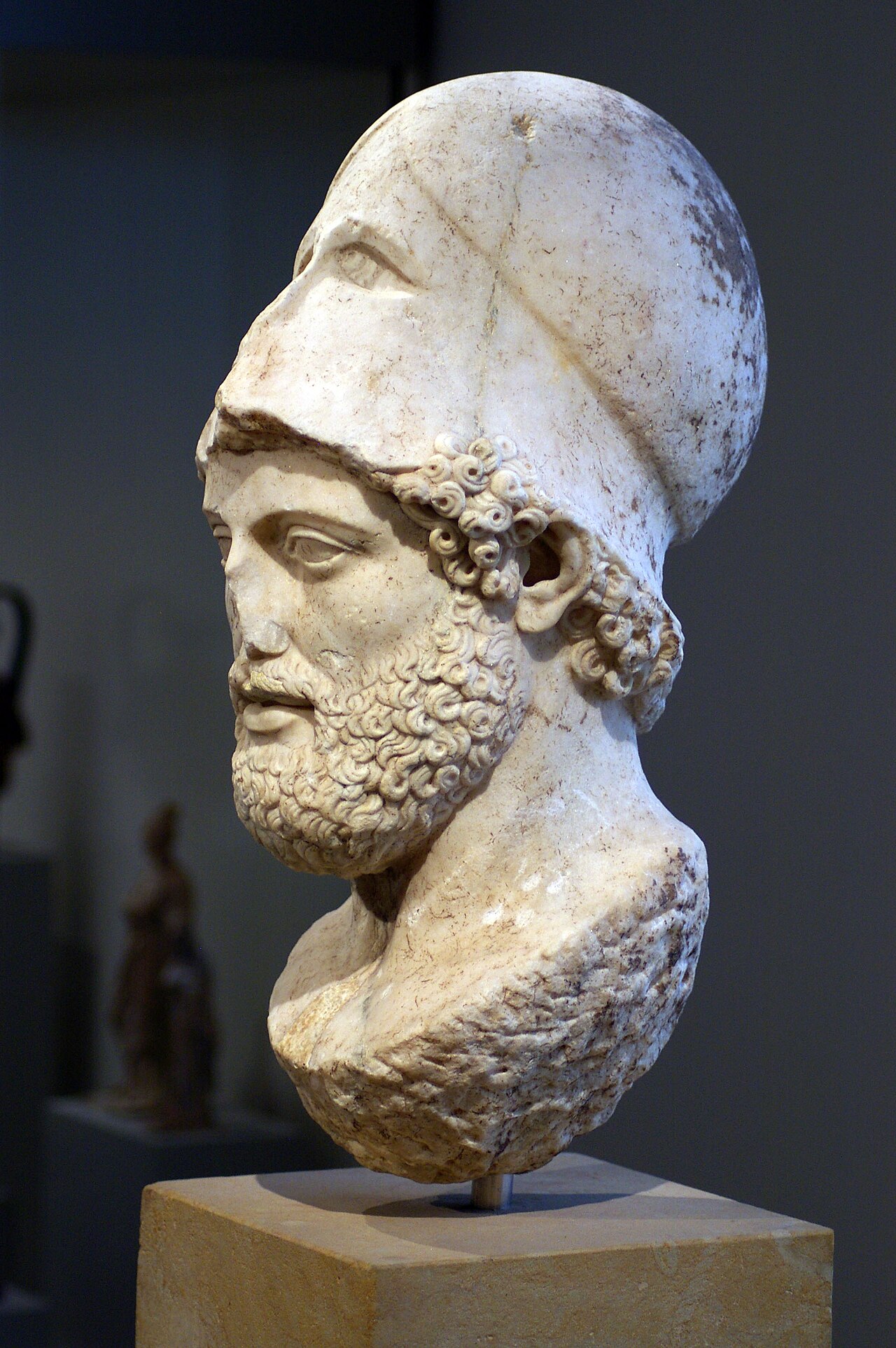
Pericles with the Corinthian Helmet
Kresilas · Roman copy, from a Greek original near Pericles' lifetime
 Book
Primary source
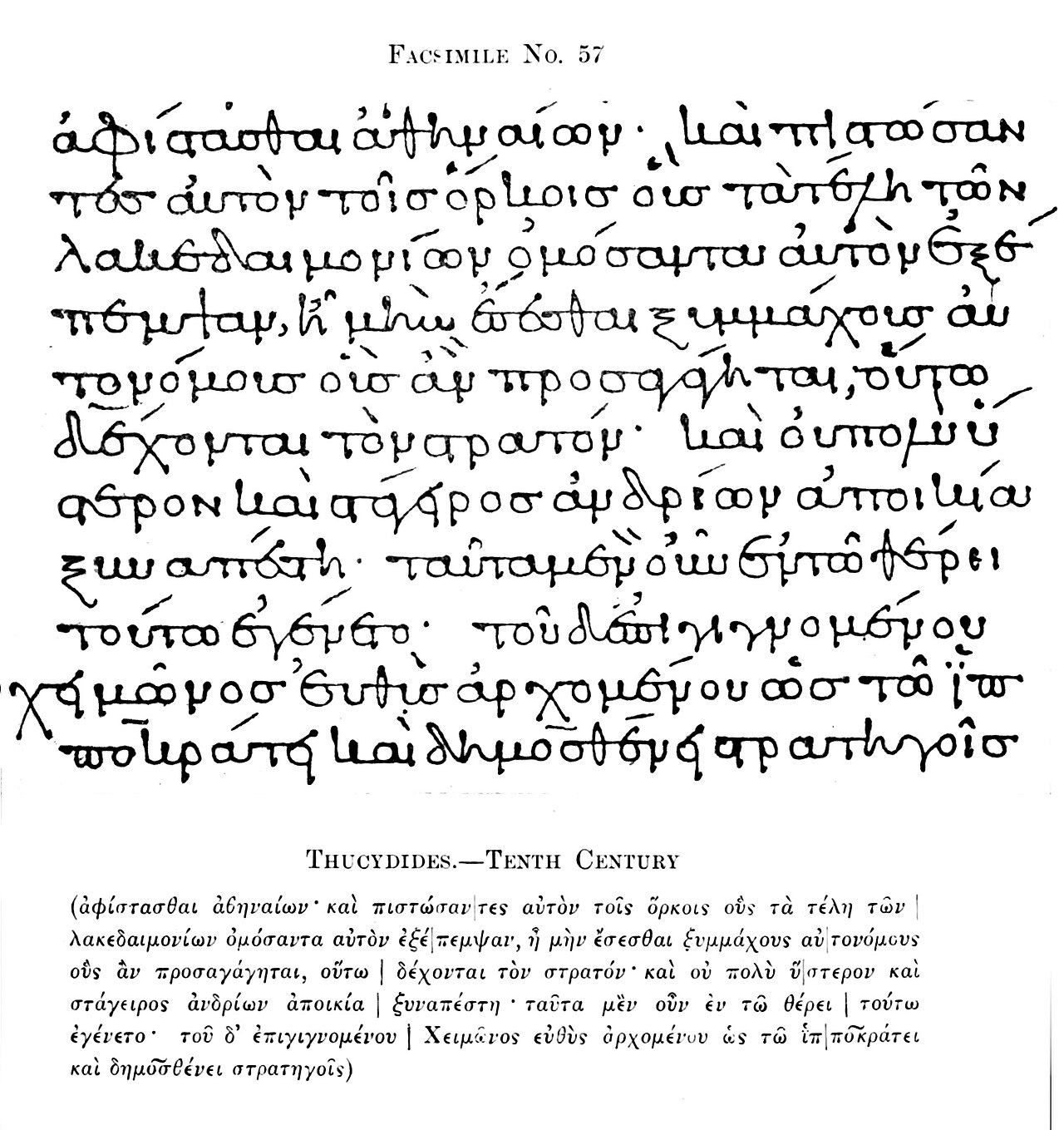
History of the Peloponnesian War
Thucydides · 5th century BCE
Secondary source
Life of Pericles
Plutarch
Ready when you are
Start chatting with Pericles now.
20 messages free · No credit card · Available in 50+ languages.