


Primary sourcePainting1840
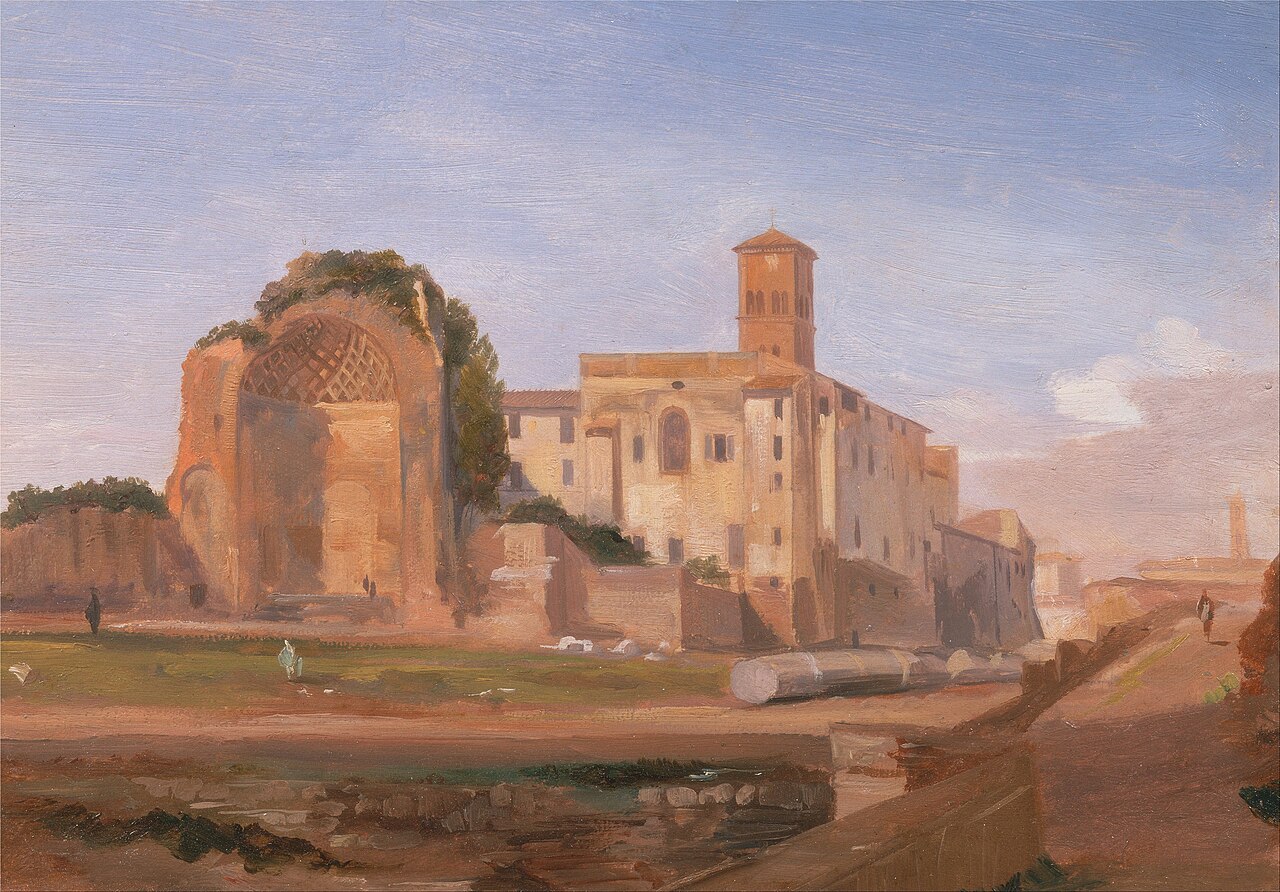
Temple of Venus and Roma, Rome
Edward Lear · 1840
An oil painting by Edward Lear, dated 1840, showing ancient Roman ruins in warm afternoon light. It comes from his decade in Rome.
Comes from Lear's decade in Rome (1837–48), when he turned from bird painting to landscape.
About this source
What it is
This oil painting by Edward Lear, dated 1840, shows ancient Roman ruins in warm afternoon light. A large arched brick ruin with a coffered vault stands on the left, and a stone church with a tall bell tower sits in the centre. A fallen column lies in the foreground beside a grassy path with a few small figures. It is held by the Yale Center for British Art.
Why it matters
The painting comes from Lear's decade in Rome, from 1837 to 1848. During those years he turned from bird painting to landscape, and this work shows that change. It reveals how a British artist of the time looked at the ancient and later buildings of the city.
Look closer
- What do the ruins and the fallen column suggest about how the past was seen in this view?
- Why might the small figures be so small compared with the buildings?
- What might a painting of ruins leave out about the people who lived in Rome then?
This painting is part of the curated material that grounds the AI version of Edward Lear on Humy.ai — when students ask about related events, the AI can quote it and cite it.
More Edward Lear sources
Browse all 76 →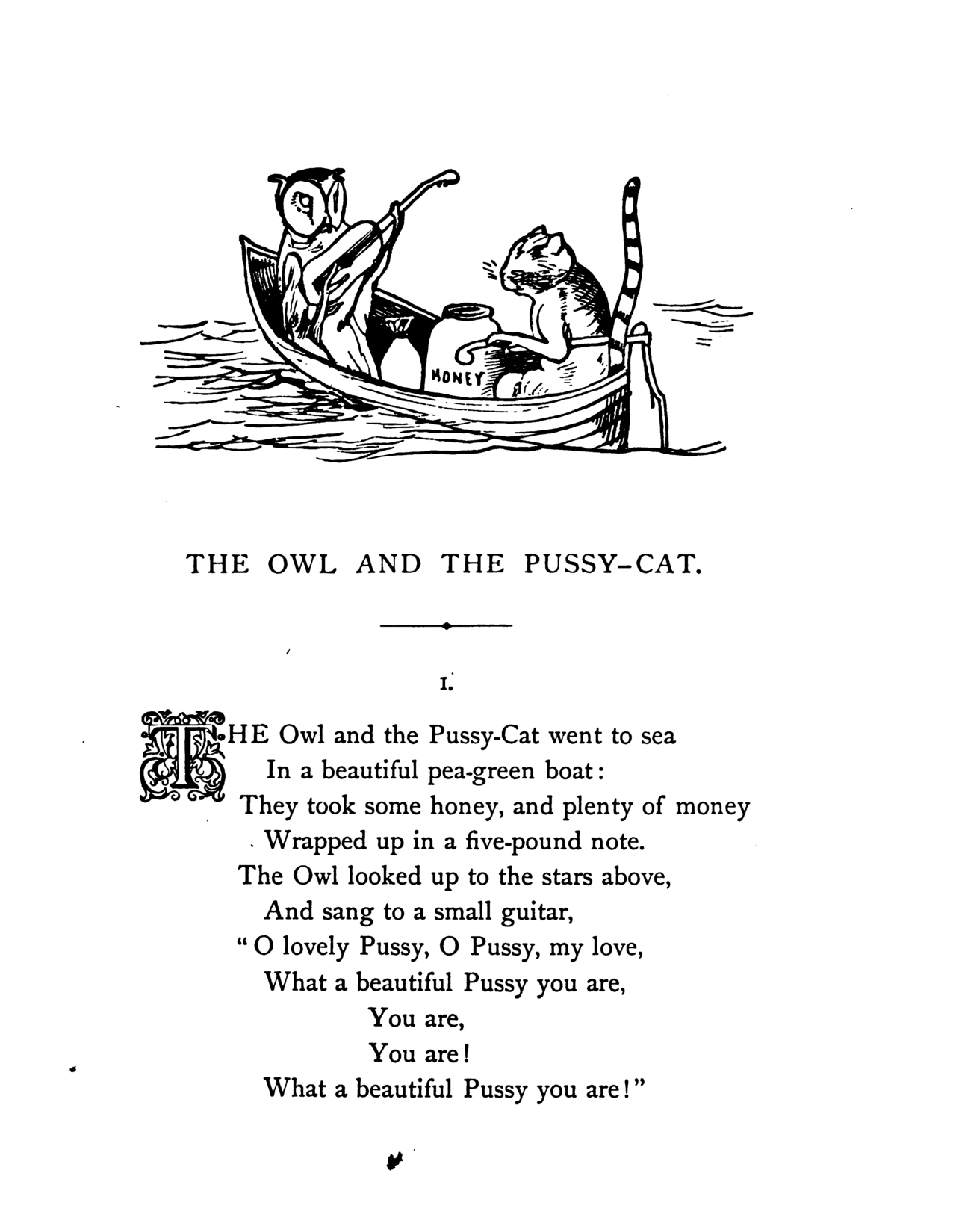 Book
Primary source
The Owl and the Pussy-cat
Edward Lear · 1871
 Book
Primary source
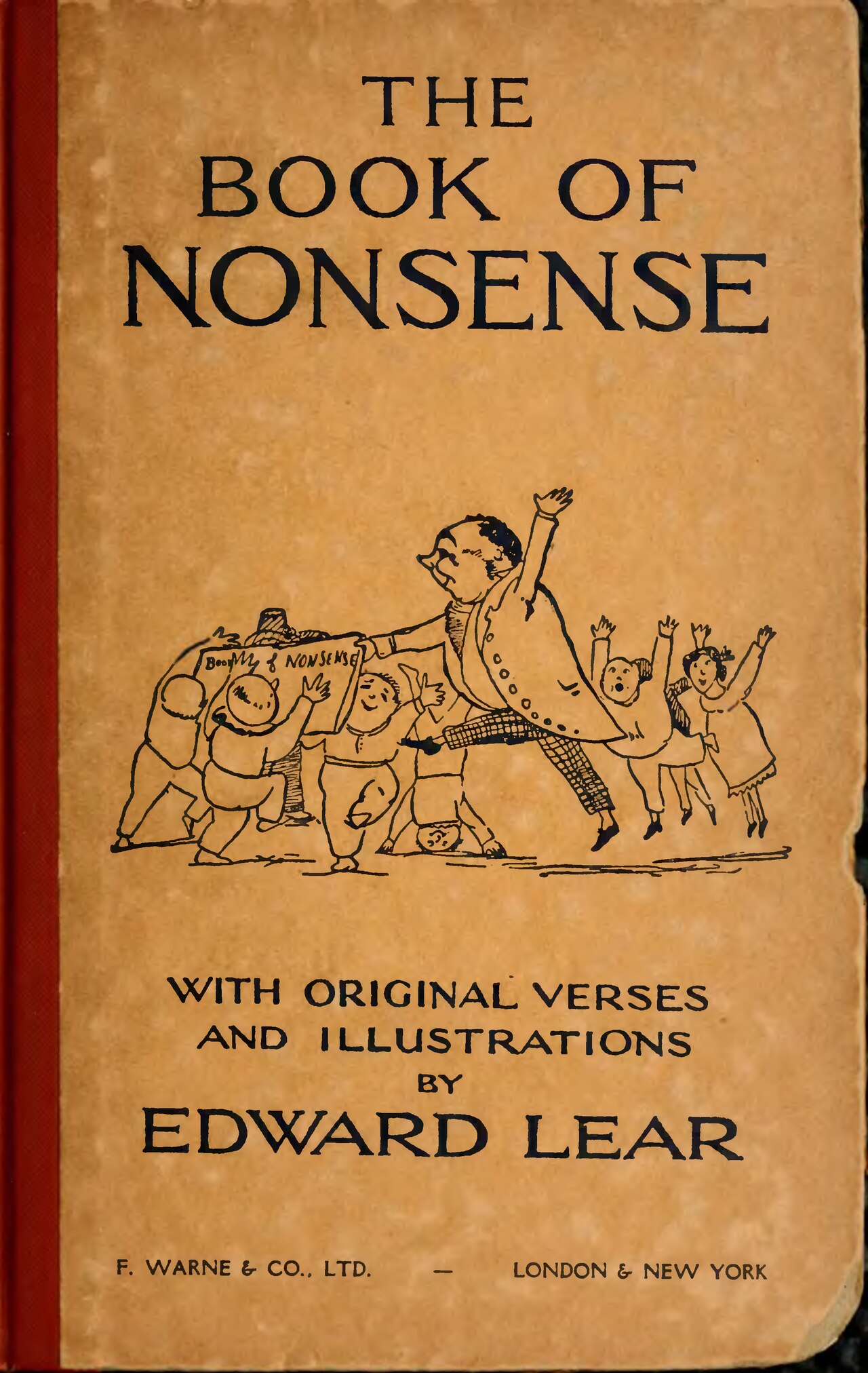
The Book of Nonsense
Edward Lear · 1887 (edition shown; first published 1846)
 Book
Primary source
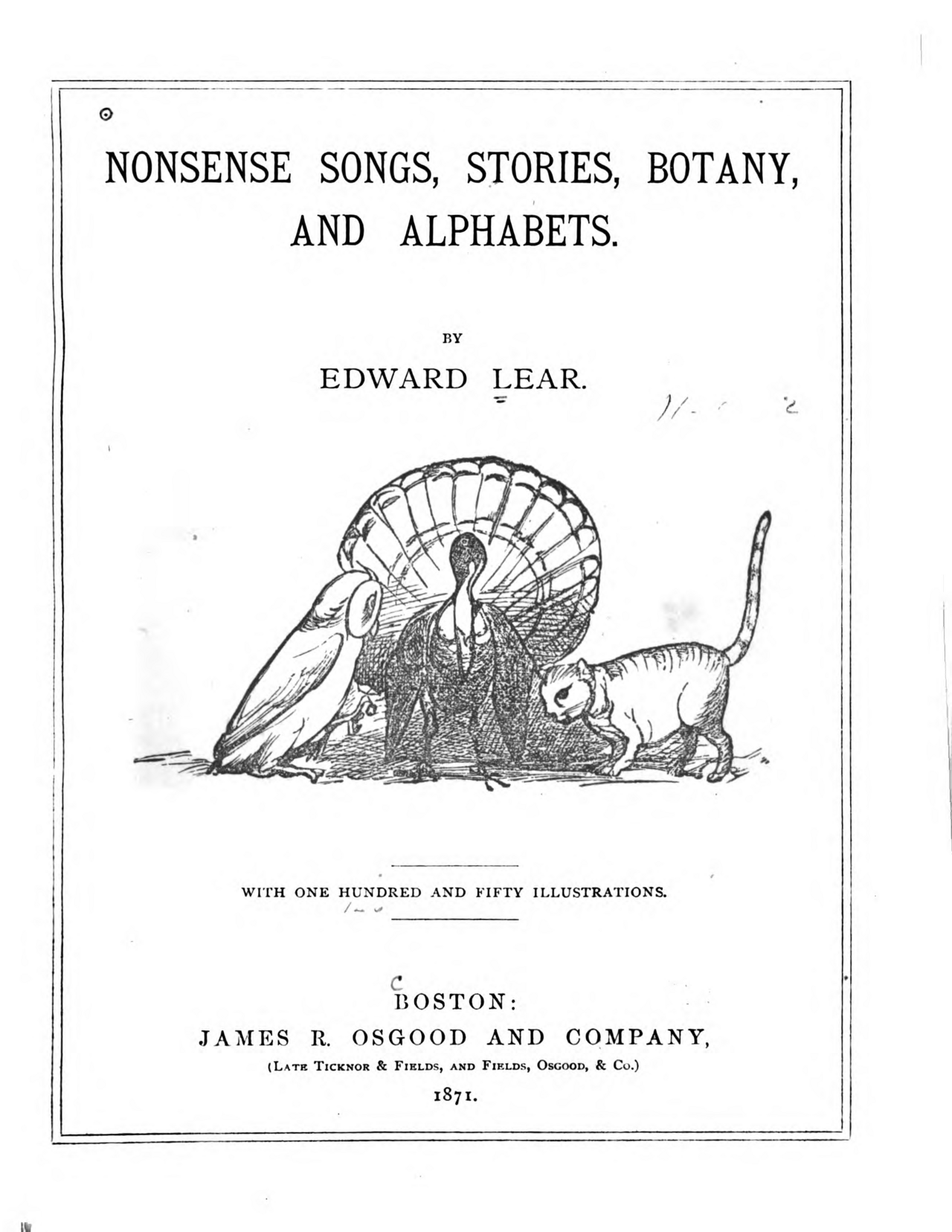
Nonsense Songs, Stories, Botany, and Alphabets
Edward Lear · 1871
 Book
Primary source
The Jumblies
Edward Lear

Free account
Read every Edward Lear source
Sign up free →
Ready when you are
Start chatting with Edward Lear now.
20 messages free · No credit card · Available in 50+ languages.