


Primary sourceArtifact11th–12th century
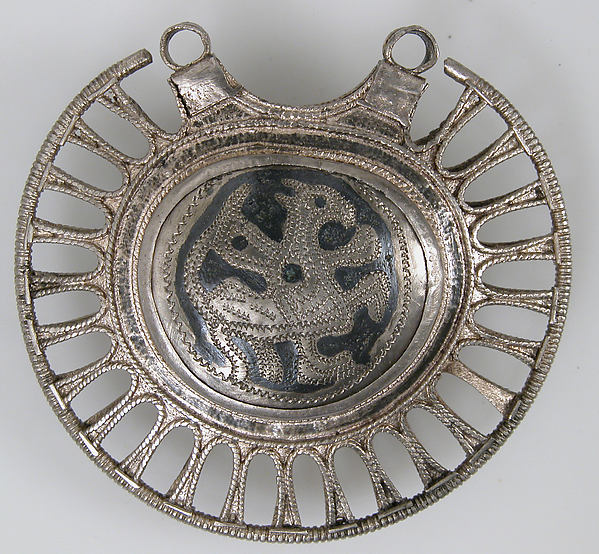
Temple pendant with filigree border
11th–12th century
A silver temple pendant from Kyivan Rus', made in the 11th to 12th century, with an openwork border and a dark inlaid central panel. It is a later context object, not connected to Olga herself.
A silver jewelry object from the Kyivan Rus' realm, included only as context for the material culture of the wider period.
About this source
What it is
This is a silver temple pendant with niello, dated to the 11th to 12th century. The Metropolitan Museum of Art holds it, as a gift of J. Pierpont Morgan in 1917. The pendant has an openwork circular frame of radiating bars and twisted wire edging, two loops at the top, and a central oval panel with a dark inlay and a silver filigree design.
Why it matters
Pendants like this show the silver and niello techniques used in Kyivan Rus'. The museum's curator notes that it is later than Olga, who lived in the 10th century. It is useful for understanding the craftsmanship of the wider realm, not for learning about her personally.
Look closer
- How does the openwork frame let you see through the pendant, and what would that have required from the maker?
- What is niello, and why might a maker choose a dark inlay next to bright silver?
- What can this object not reveal about who wore it or why?
This artifact is part of the curated material that grounds the AI version of Olga of Kiev on Humy.ai — when students ask about related events, the AI can quote it and cite it.
More Olga of Kiev sources
Browse all 93 →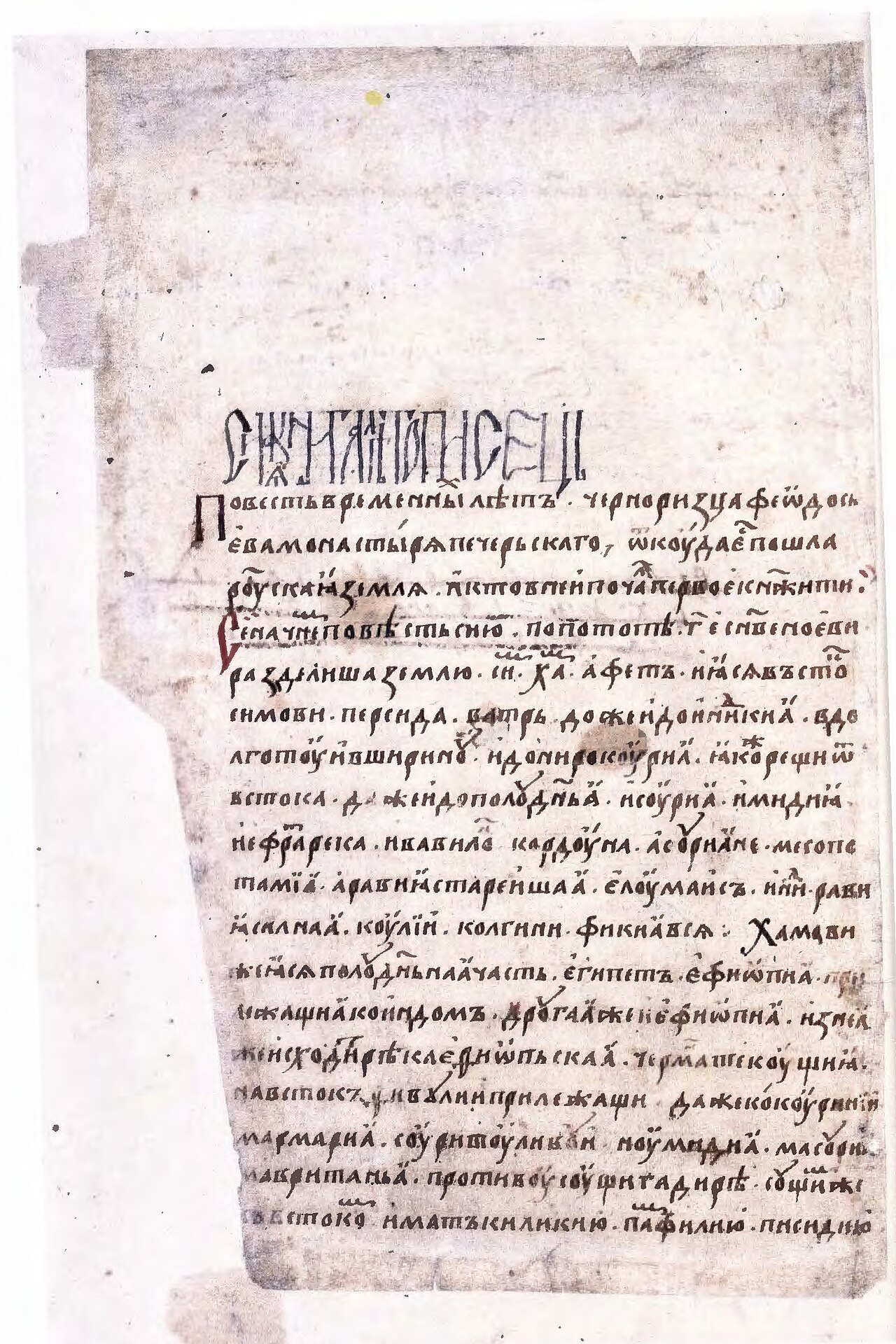 Painting
Secondary source
Radziwiłł Chronicle
c. 1500 (copy of a 13th-century original)
 Document
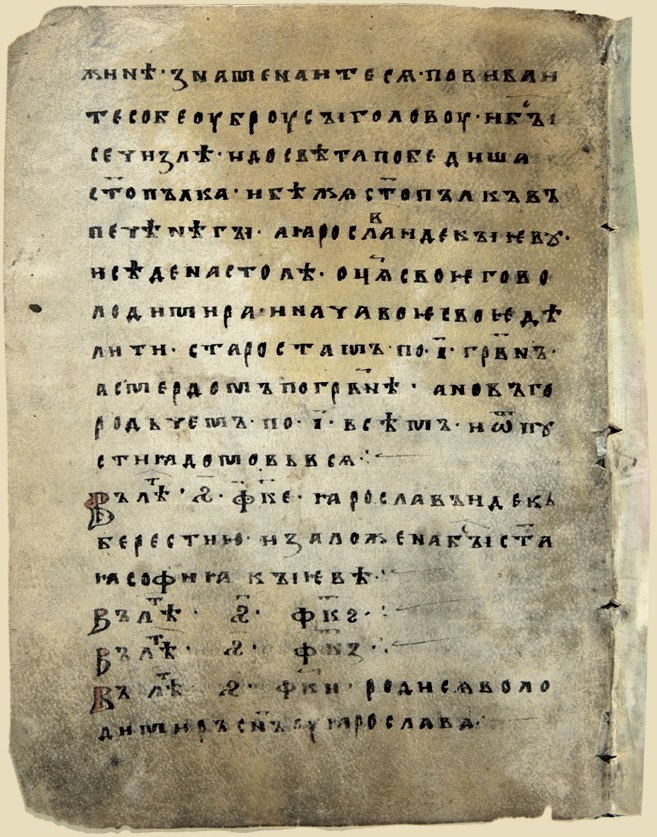
Primary source
Novgorod First Chronicle
13th century (covering events from 1016)
 Document
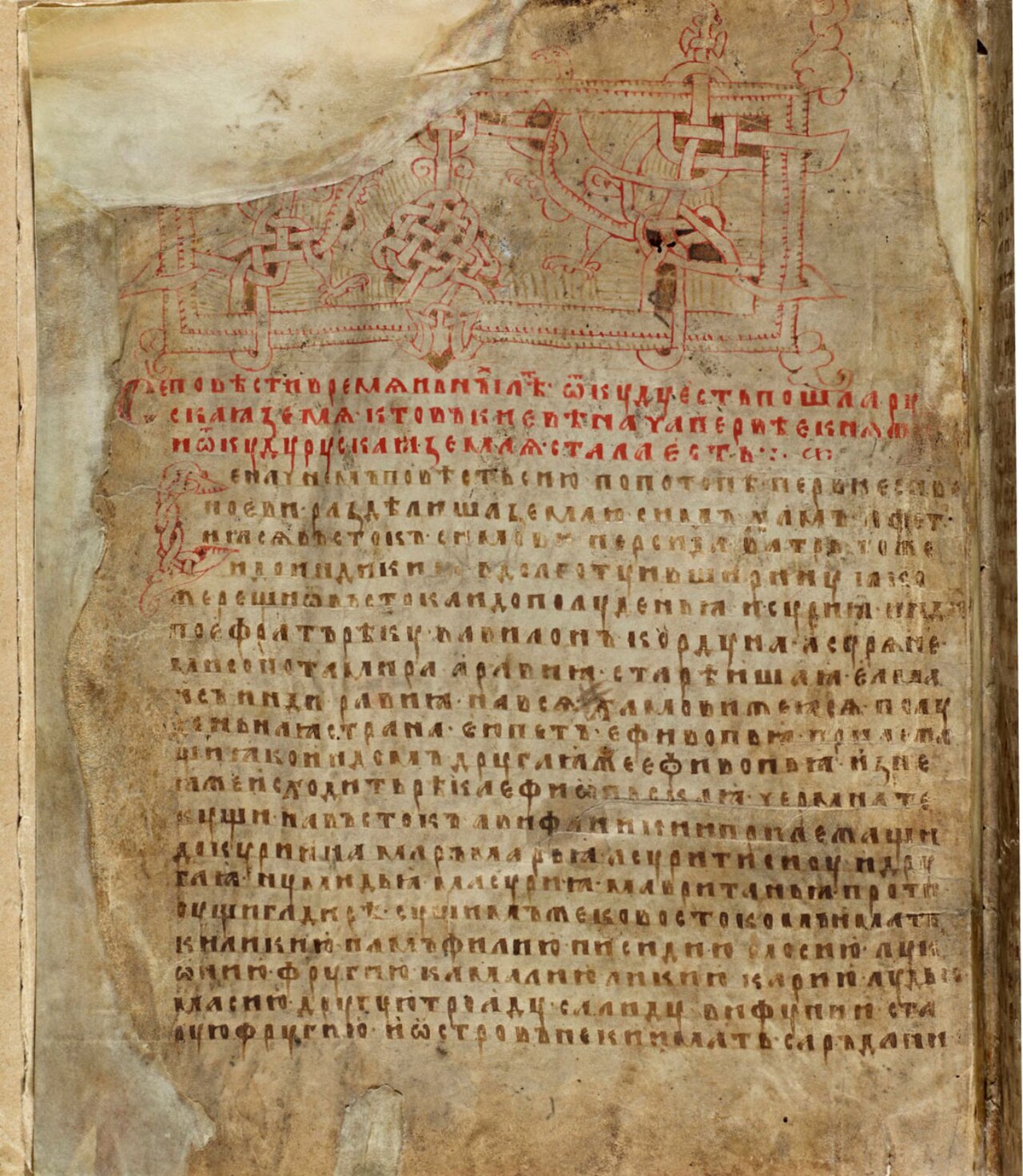
Secondary source
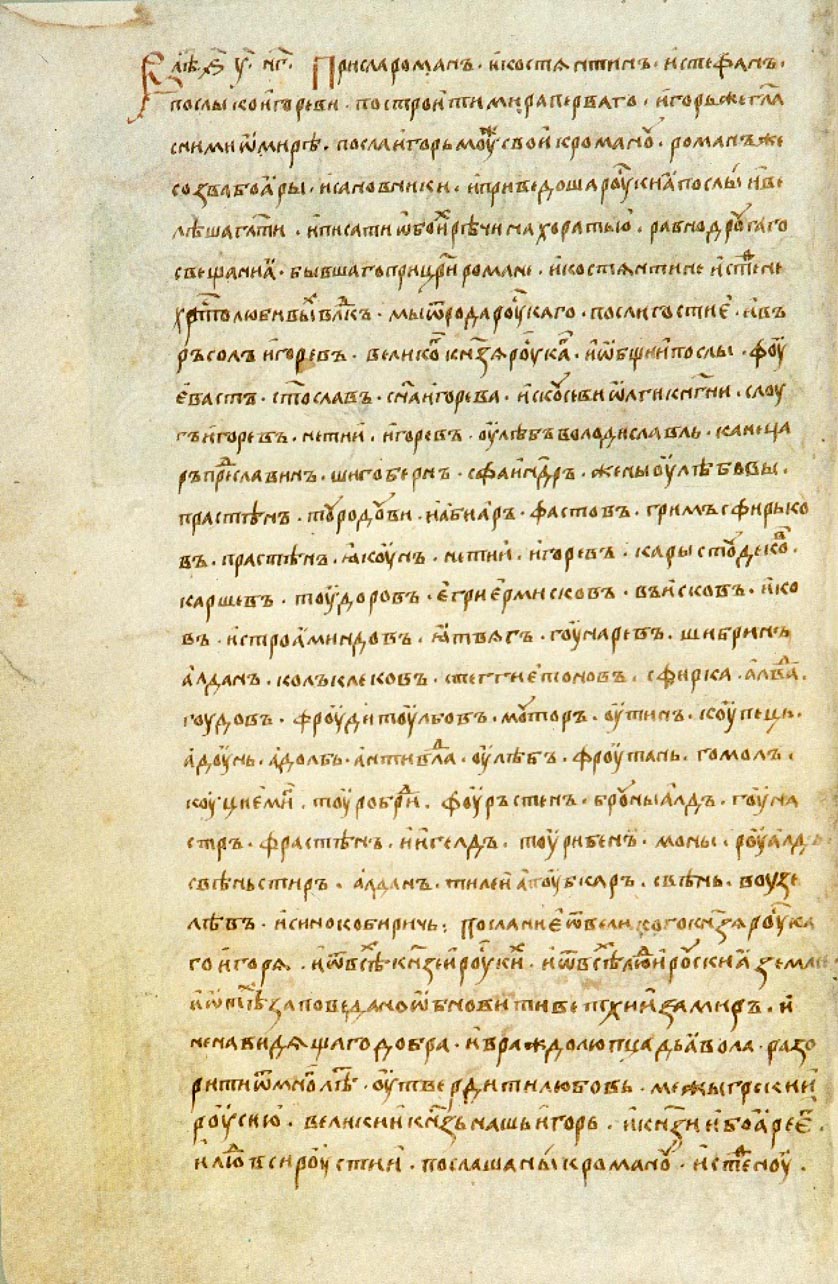
Laurentian Codex
Laurentius · 1377
 Document
Primary source
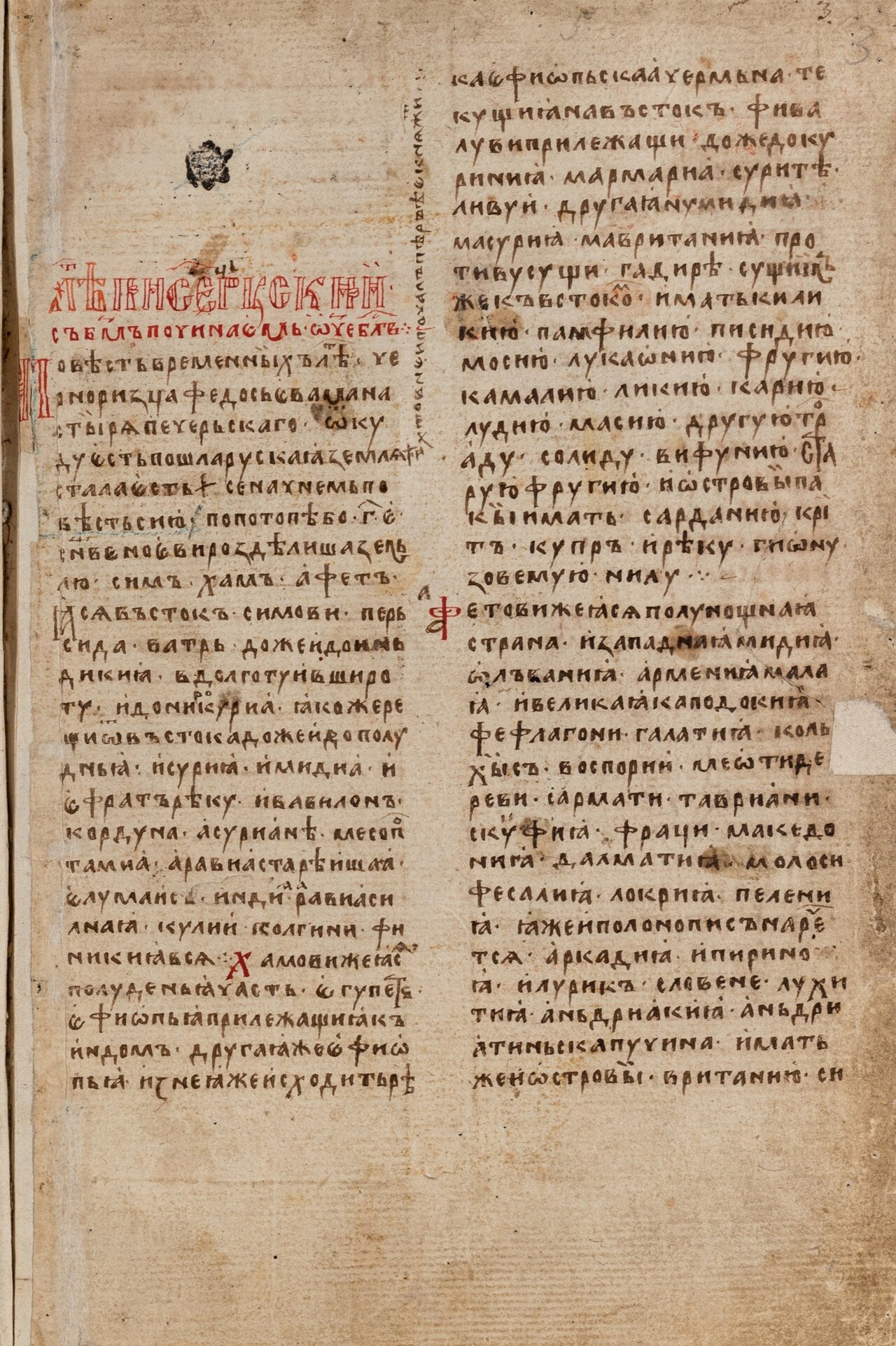
Rus'–Byzantine Treaty
944 or 945
Free account
Read every Olga of Kiev source
Sign up free →
Ready when you are
Start chatting with Olga of Kiev now.
20 messages free · No credit card · Available in 50+ languages.