


Primary sourceArtifact1st century AD
Temple Warning Inscription
1st century AD
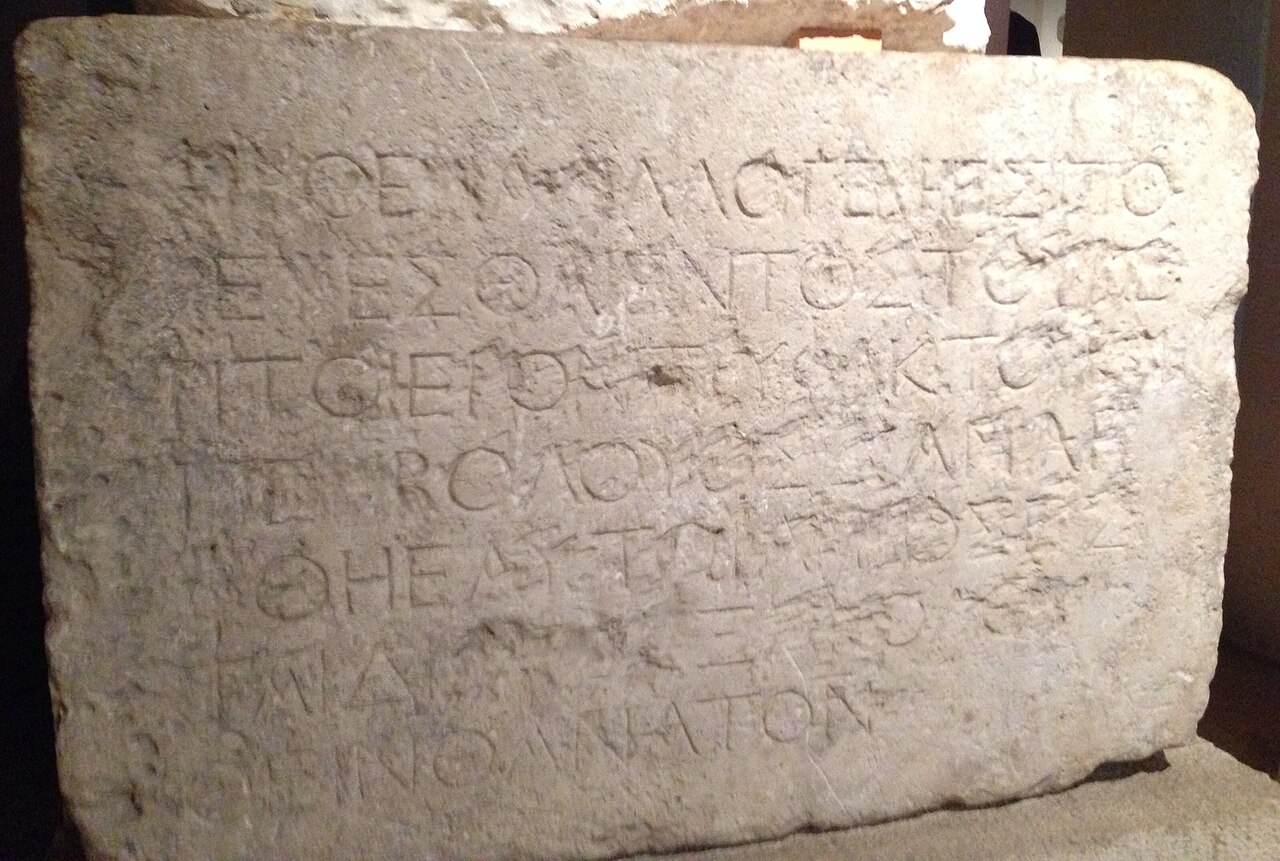
A stone tablet from the Second Temple in Jerusalem forbidding foreigners from entering, matching almost word for word Josephus's description of the Temple balustrade.
The inscription's wording closely matches Josephus's own description of the Temple balustrade, corroborating the accuracy of his writings.
About this source
What it is
This limestone tablet carries a Greek inscription that once hung on the balustrade outside the sanctuary of the Second Temple in Jerusalem, warning non-Jewish visitors not to pass under penalty of death. It was discovered in 1871 near the Temple Mount and is now held by the Istanbul Archaeology Museums.
Why it matters
Early scholars noted that the inscription's wording closely matches Josephus's own description of this barrier in his writings about the Temple. This match between an actual surviving object and Josephus's text lets historians check and trust his descriptions of Jerusalem before its destruction, since he had personally known the Temple.
Look closer
- Why would the Temple authorities post this warning in Greek as well as other languages?
- What does the matching wording between the stone and Josephus's text tell us about how carefully he wrote?
- Who is excluded by this inscription, and what does that tell us about the Temple's rules?
This artifact is part of the curated material that grounds the AI version of Josephus and Herod the Great on Humy.ai — when students ask about related events, the AI can quote it and cite it.
More Josephus sources
Browse all 88 →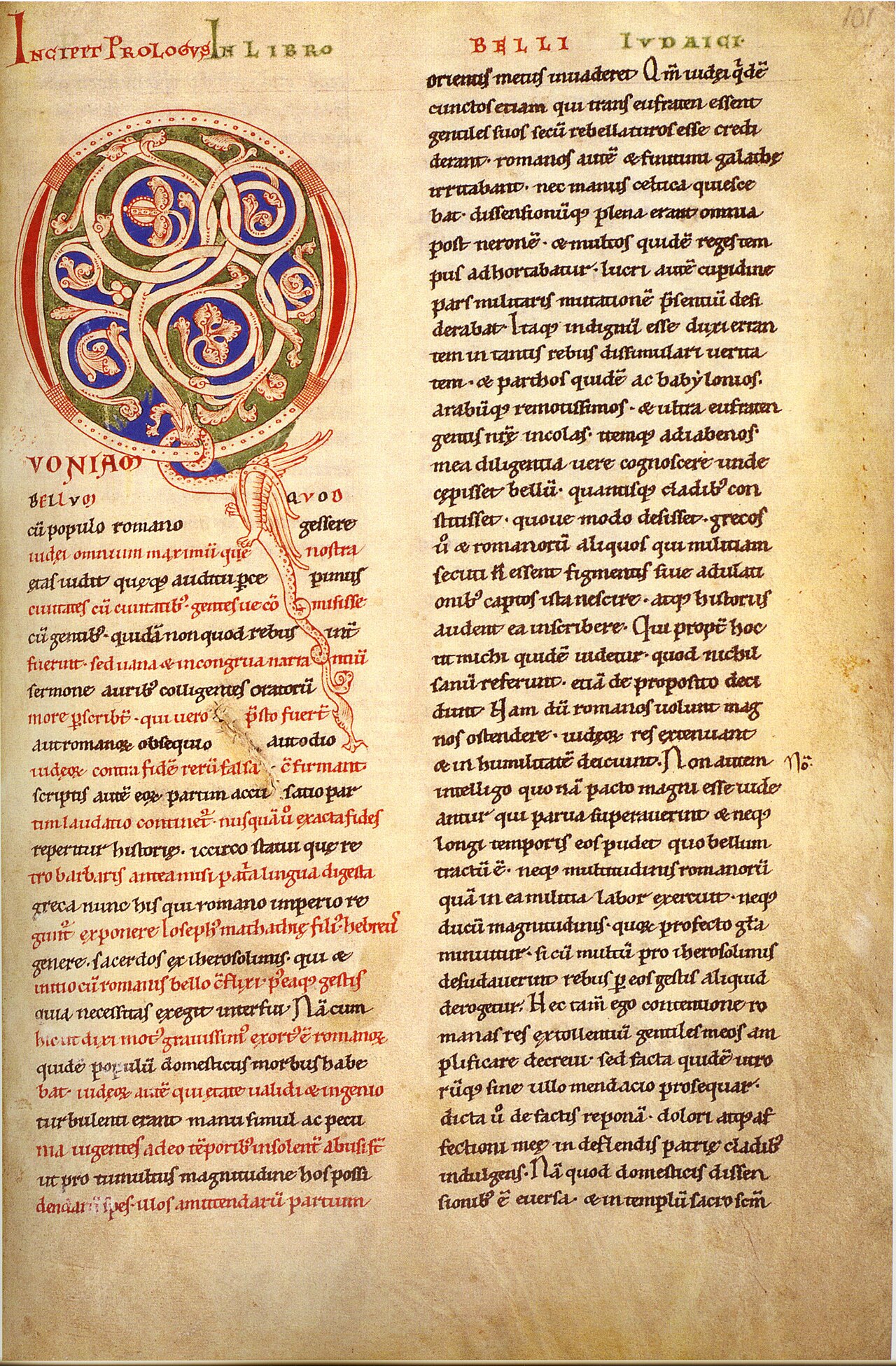 Book
Secondary source
The Jewish War
Josephus · c. AD 75
 Book
Secondary source
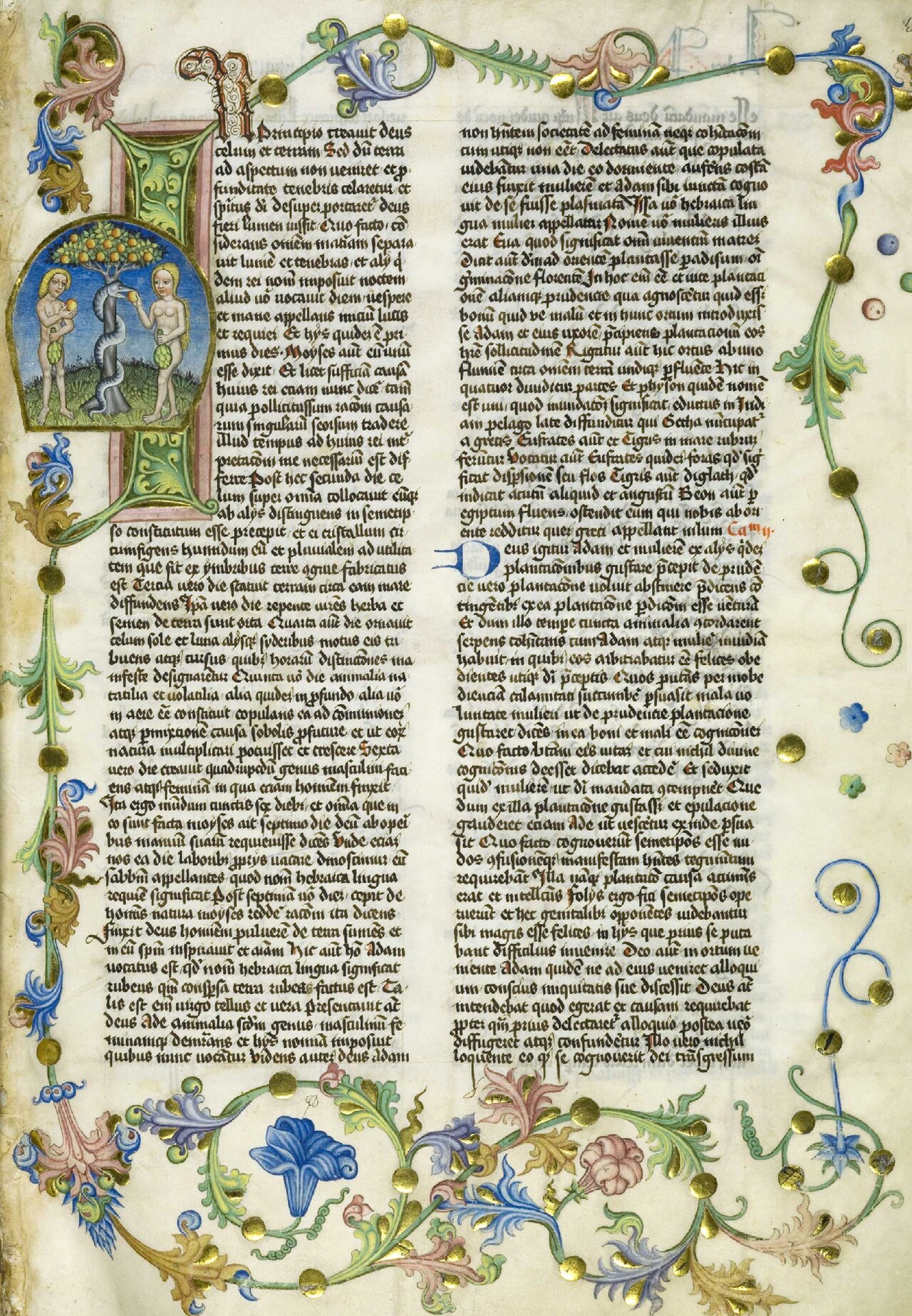
Antiquities of the Jews
Josephus · 94 CE
 Book
Primary source
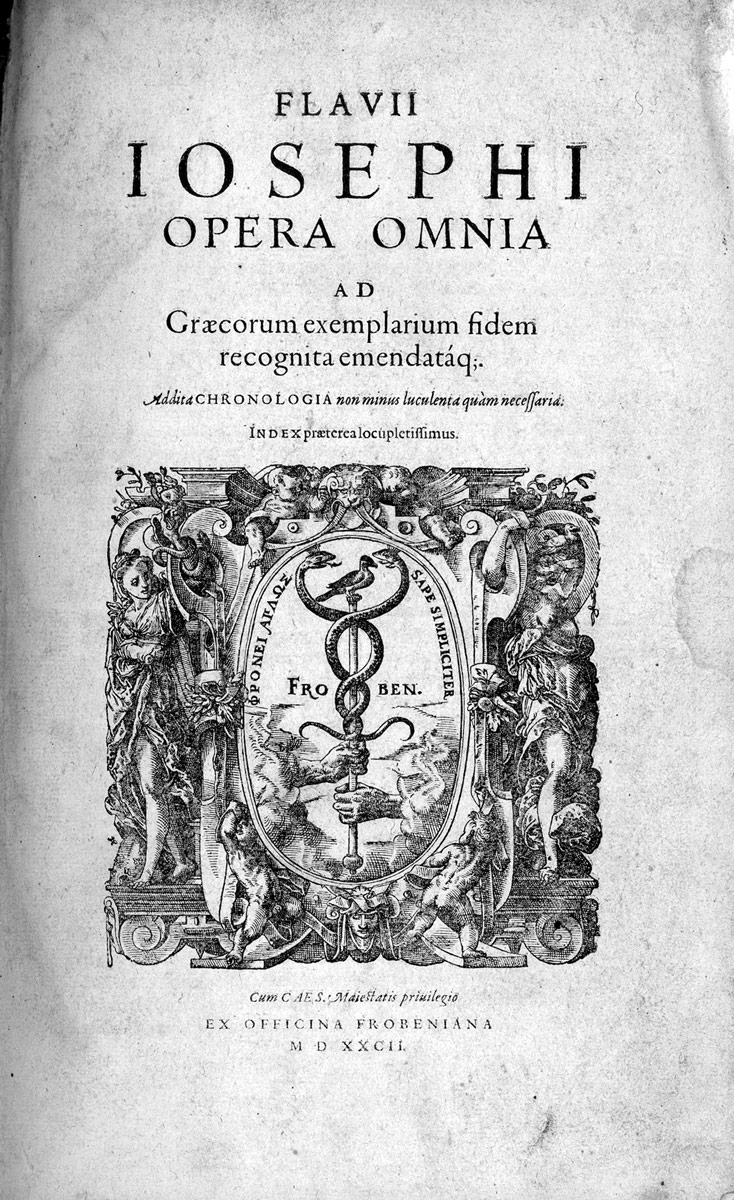
The Life of Flavius Josephus
Josephus · c. AD 94-99
Secondary source
Against Apion
Josephus · after 94 CE
Free account
Read every Josephus source
Sign up free →
Ready when you are
Start chatting with Josephus now.
20 messages free · No credit card · Available in 50+ languages.