


Primary sourceArtifact1339-1345
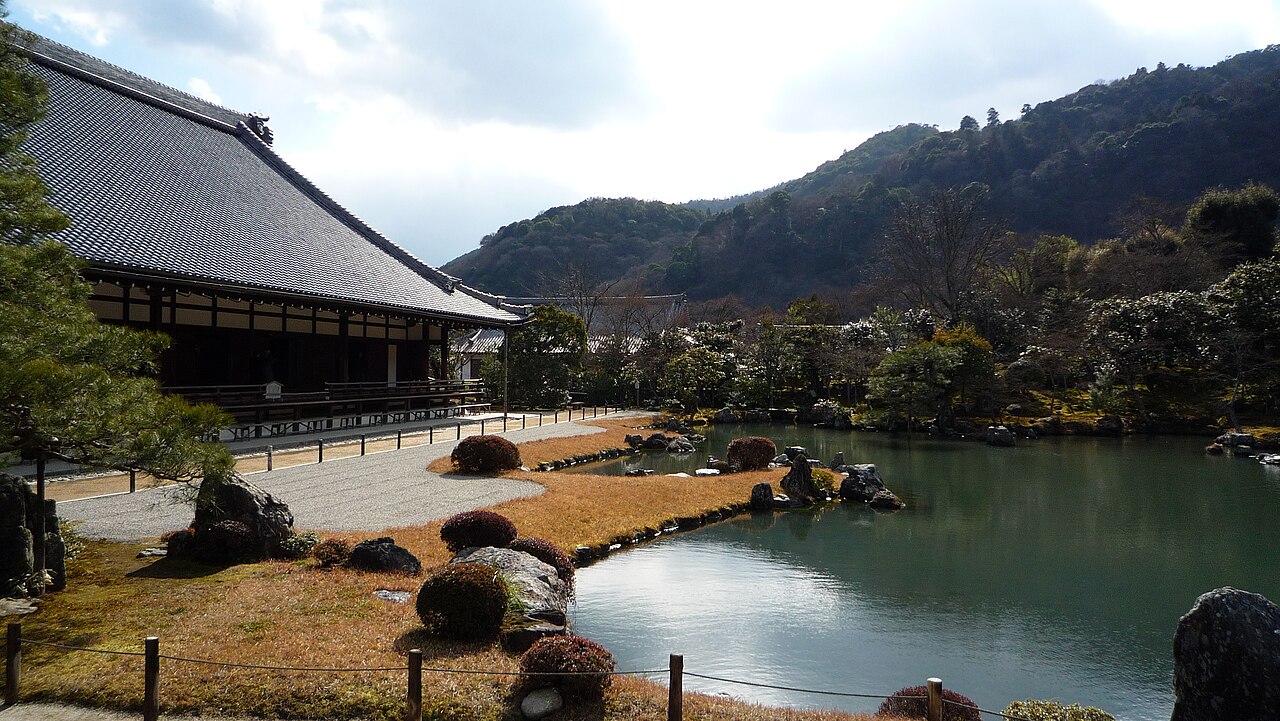
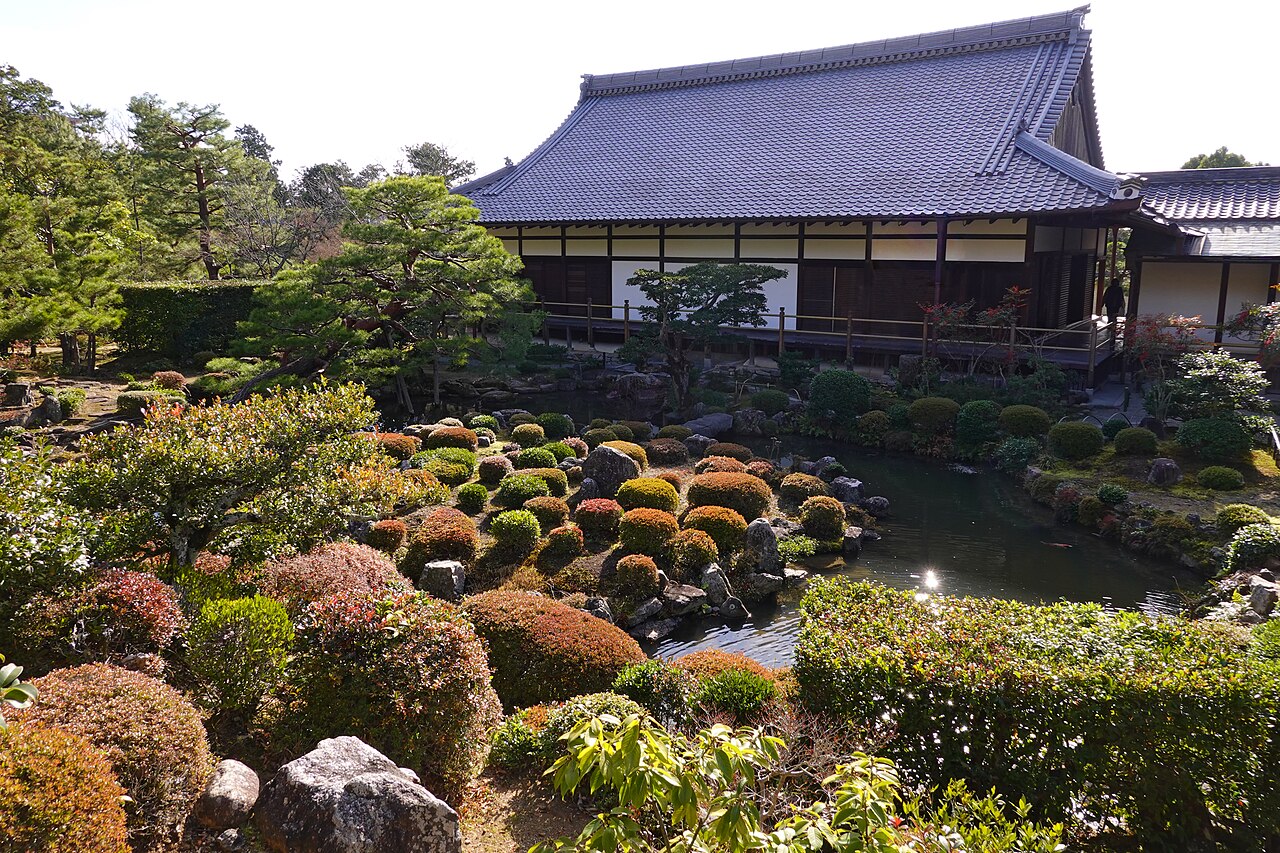
Tenryū-ji Temple
Musō Soseki · 1339-1345
A Zen Buddhist temple in Kyoto founded by Ashikaga Takauji in 1339 to pacify the spirit of his former enemy Emperor Go-Daigo.
Founded by Takauji in 1339 to pacify the spirit of Emperor Go-Daigo, revealing his piety and political guilt.
Free Humy account · No credit card · 120,288 sources to read
About this source
What it is
Tenryū-ji is the head temple of the Tenryū-ji branch of Rinzai Zen Buddhism, located in Arashiyama, Kyoto. It was founded by Ashikaga Takauji in 1339, with the monk Musō Soseki as its first chief priest, and construction was completed in 1345.
Why it matters
Takauji built the temple to hold a memorial service for Emperor Go-Daigo, his former ally turned enemy, who had decreed that Takauji be hunted down and executed. The temple reflects a mix of guilt, piety and political calculation: Takauji became shōgun in 1338, Go-Daigo died the next year, and the temple's construction shows how the new shogunate used Zen Buddhism to manage both personal remorse and political legitimacy. It later became Kyoto's top-ranked Zen temple and is now a UNESCO World Heritage Site.
Look closer
- Why might a ruler build a temple to honor an enemy he had defeated?
- What does the temple's location and scale suggest about Takauji's resources and priorities?
- How might the temple's long history of fires and rebuilding affect what we can learn from visiting it today?
This artifact is part of the curated material that grounds the AI version of Ashikaga Takauji on Humy.ai — when students ask about related events, the AI can quote it and cite it.
More Ashikaga Takauji sources
Browse all 56 →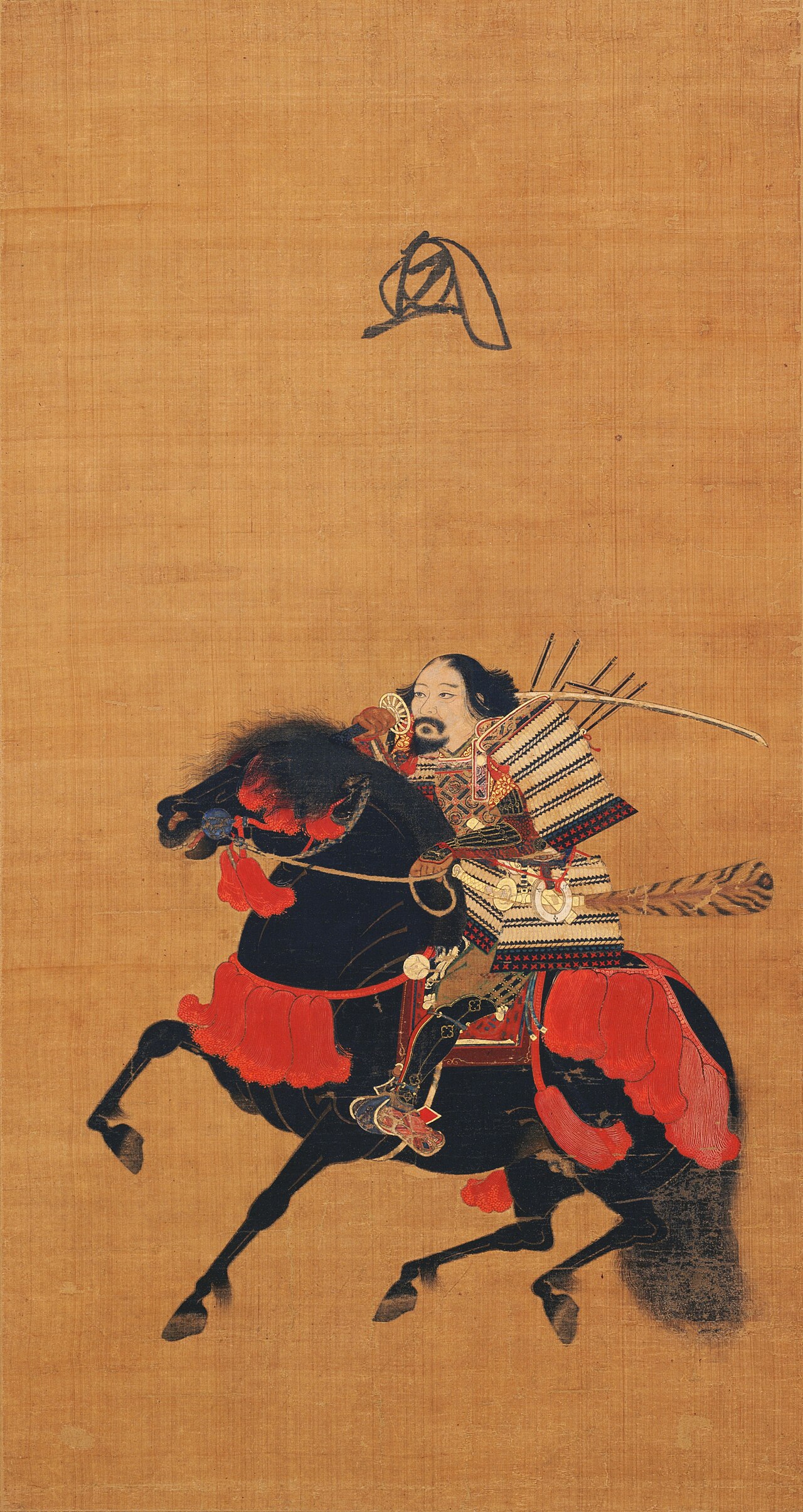 Painting
Primary source
Mounted Warrior
14th century
Secondary source
Jinnō Shōtōki
Kitabatake Chikafusa · 1339 (written 1338–1341)
 Painting
Primary source
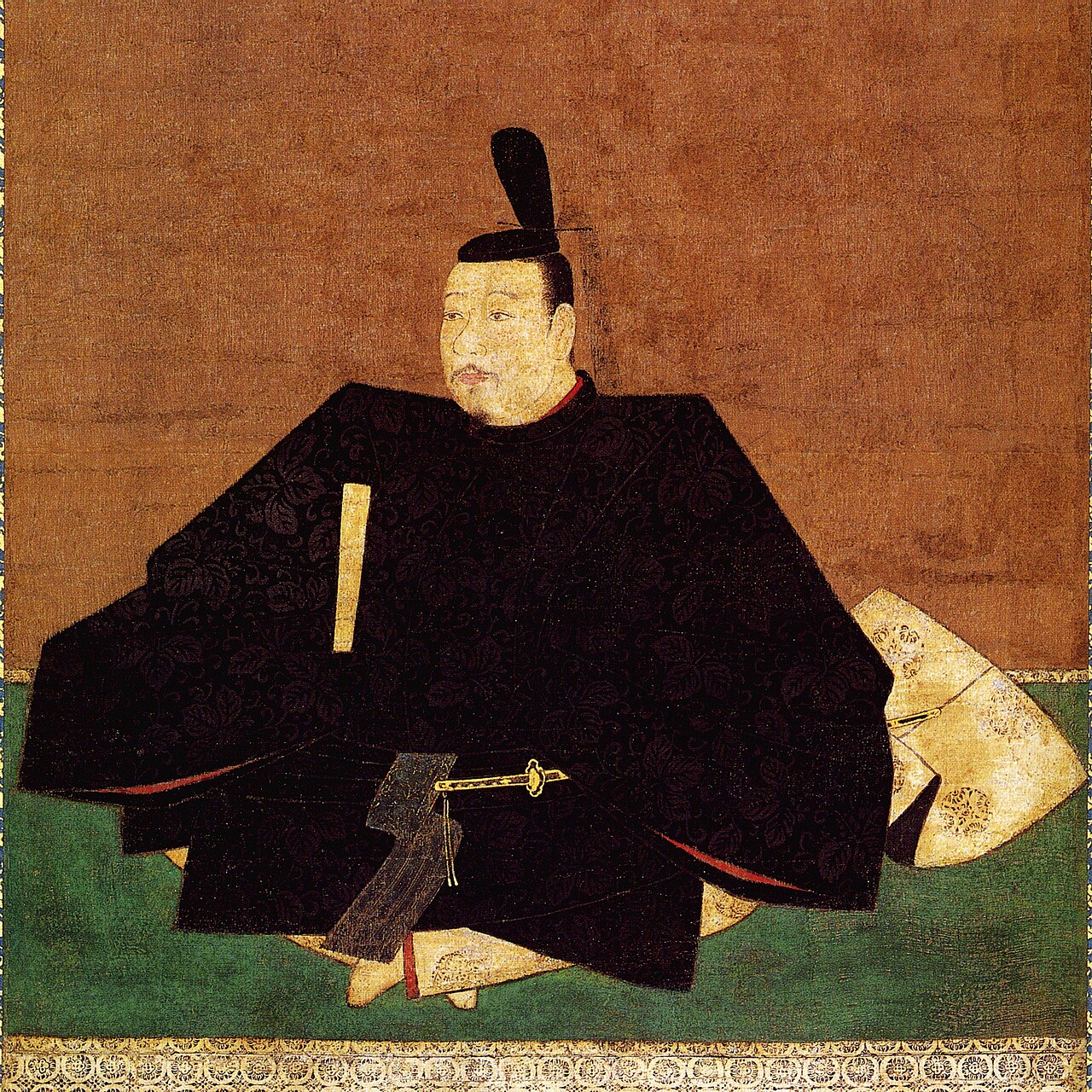
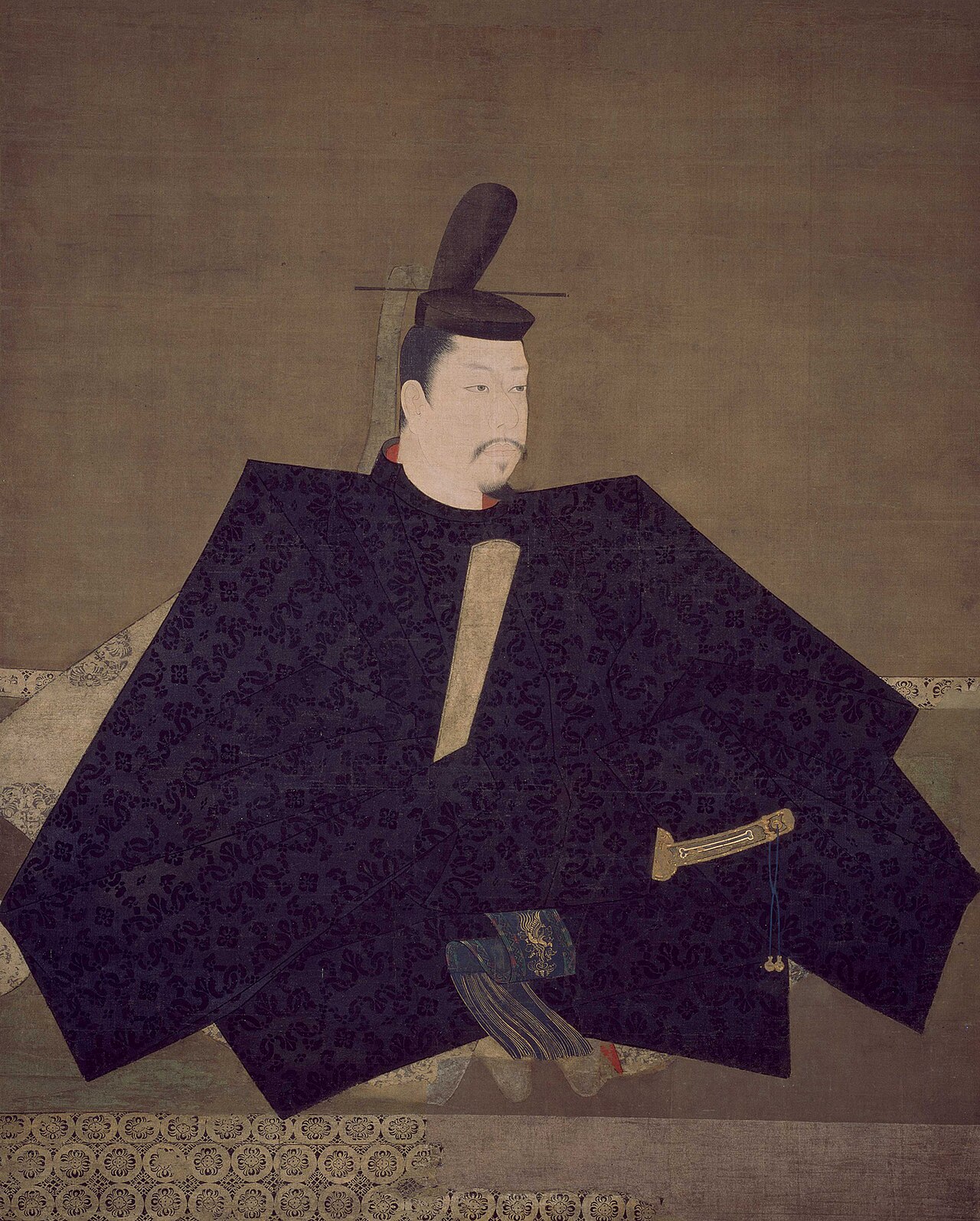
Portrait of Ashikaga Takauji
 Document
Primary source
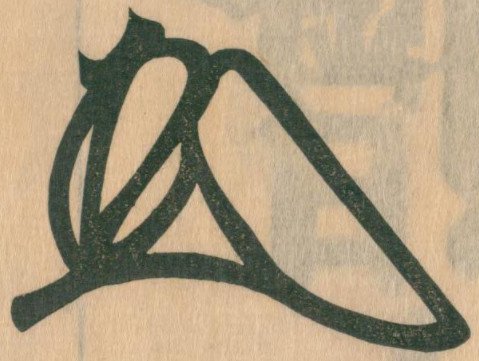
Signature of Ashikaga Takauji
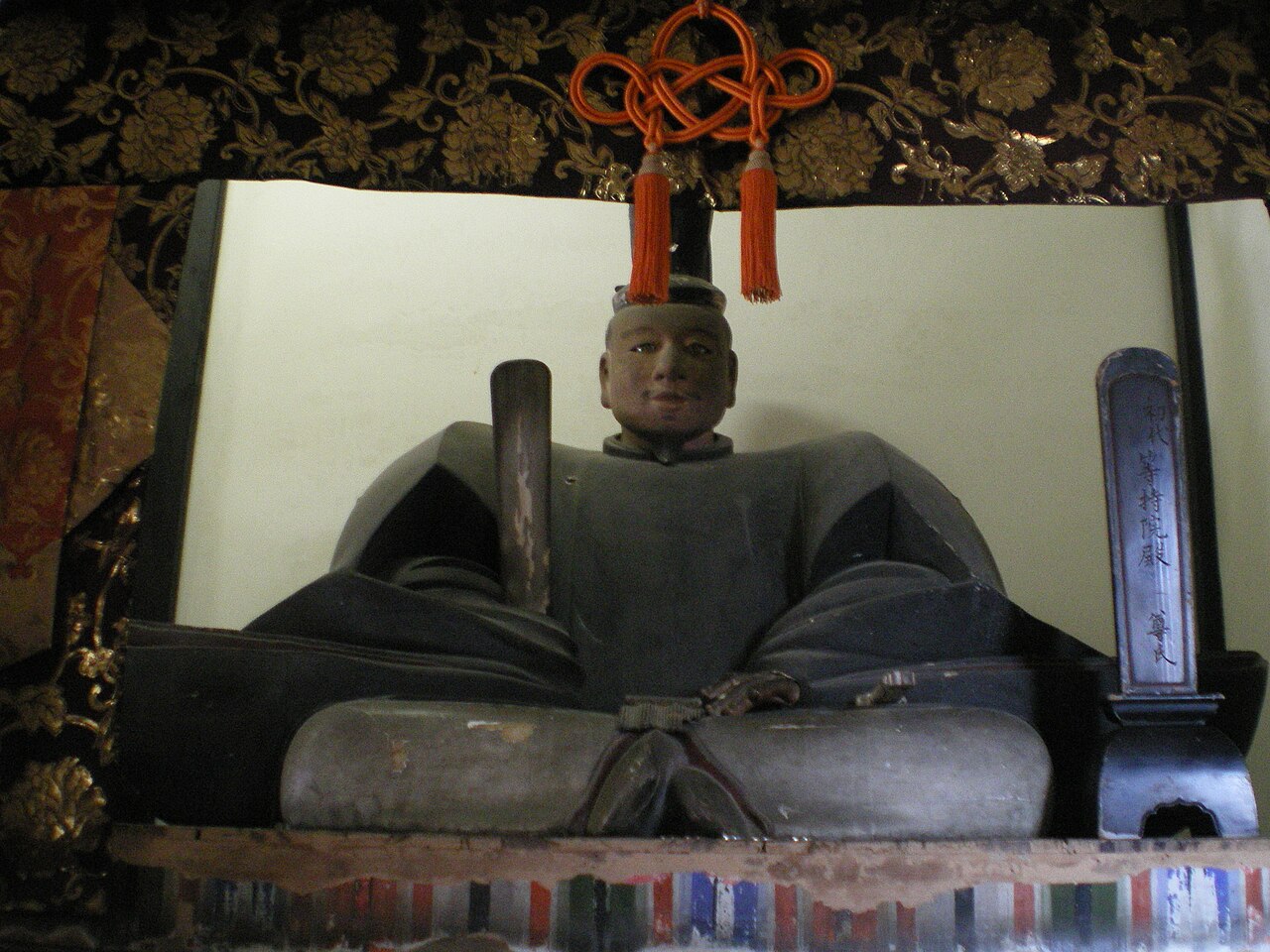
Ashikaga Takauji
Free account
Read every Ashikaga Takauji source
Sign up free →
Ready when you are
Start chatting with Ashikaga Takauji now.
20 messages free · No credit card · Available in 50+ languages.