


Secondary sourcePainting1831
Tenskwatawa
Henry Inman · 1831
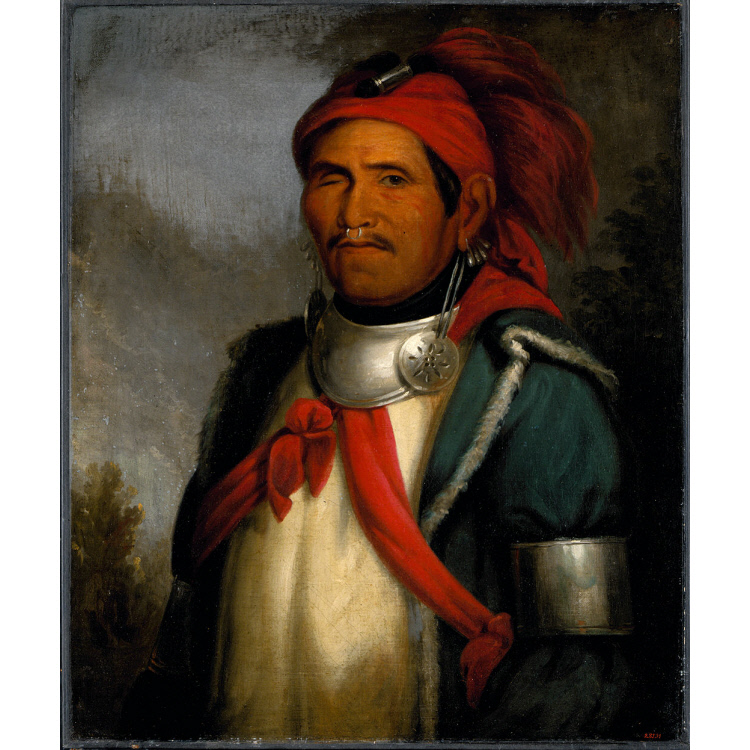
An 1831 copy of a life portrait of Tenskwatawa, made for the U.S. War Department's Indian Gallery after his accommodation to removal.
This official copy portrait documents Tenskwatawa's image as recorded by the U.S. government after his resistance movement had ended.
About this source
What it is
This oil portrait was painted by Henry Inman in 1831, copying an earlier life portrait by Charles Bird King of Tenskwatawa. It is held by the National Portrait Gallery.
Why it matters
The painting was made as part of the U.S. War Department's Indian Gallery, a collection meant to document Native leaders the government had dealt with. By the time this copy was made, Tenskwatawa had accepted removal west, and the portrait shows how federal officials chose to memorialize a former resistance leader once he no longer posed a threat.
Look closer
- Why might the government want portraits of Native leaders like Tenskwatawa in an official gallery?
- What does the formal, dignified style of the painting suggest about how the artist wanted him to be seen?
- How might this copy differ in purpose from the original life portrait it was based on?
This painting is part of the curated material that grounds the AI version of Tenskwatawa on Humy.ai — when students ask about related events, the AI can quote it and cite it.
More Tenskwatawa sources
Meet the AI Tenskwatawa →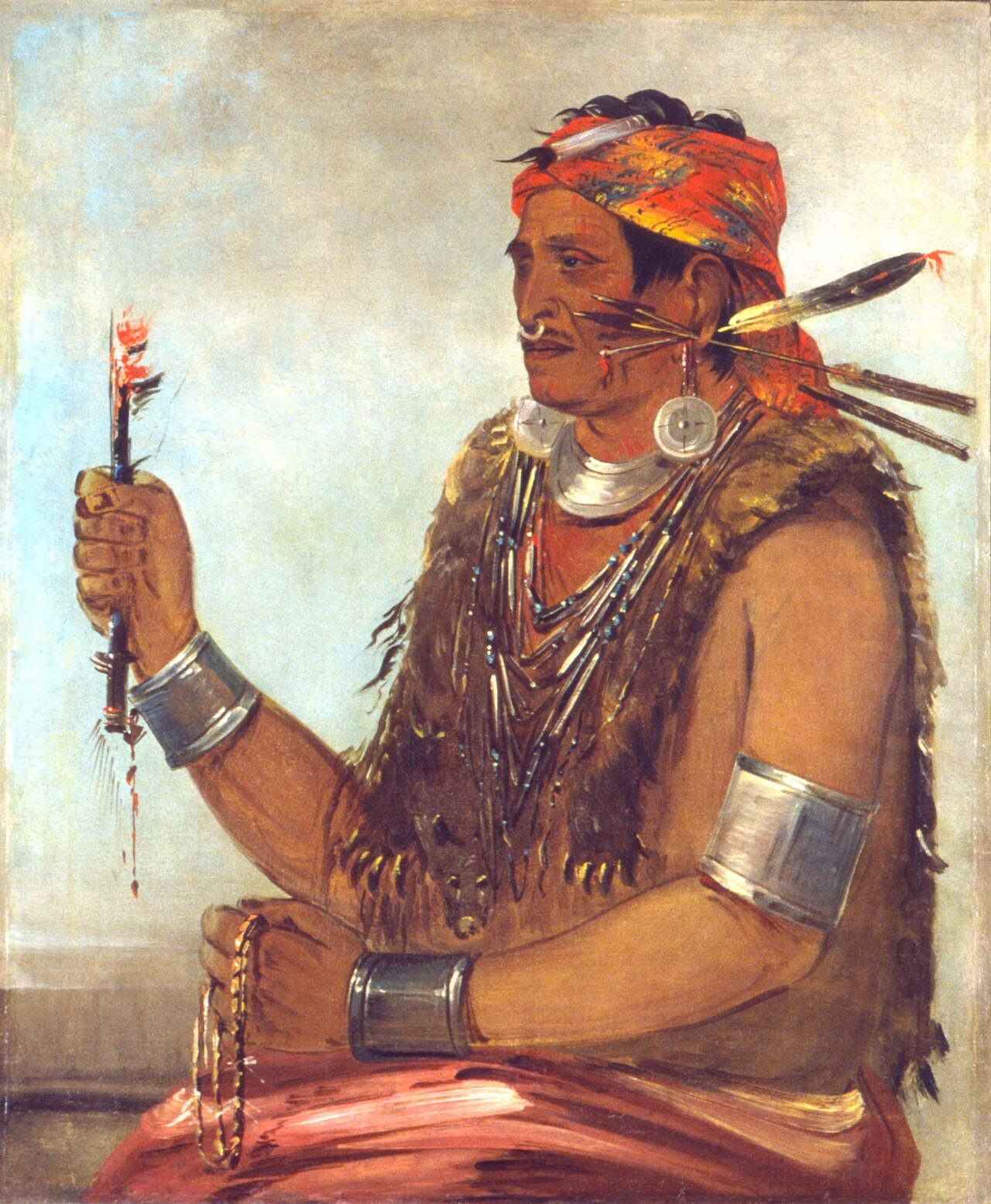 Painting
Primary source
Ten-squat-a-way, The Open Door, Known as The Prophet, Brother of Tecumseh
George Catlin · 1830
PaintingPrimary source
Portrait of Tenskwatawa
Henry Inman · c. 1830-1833
 Document
Primary source
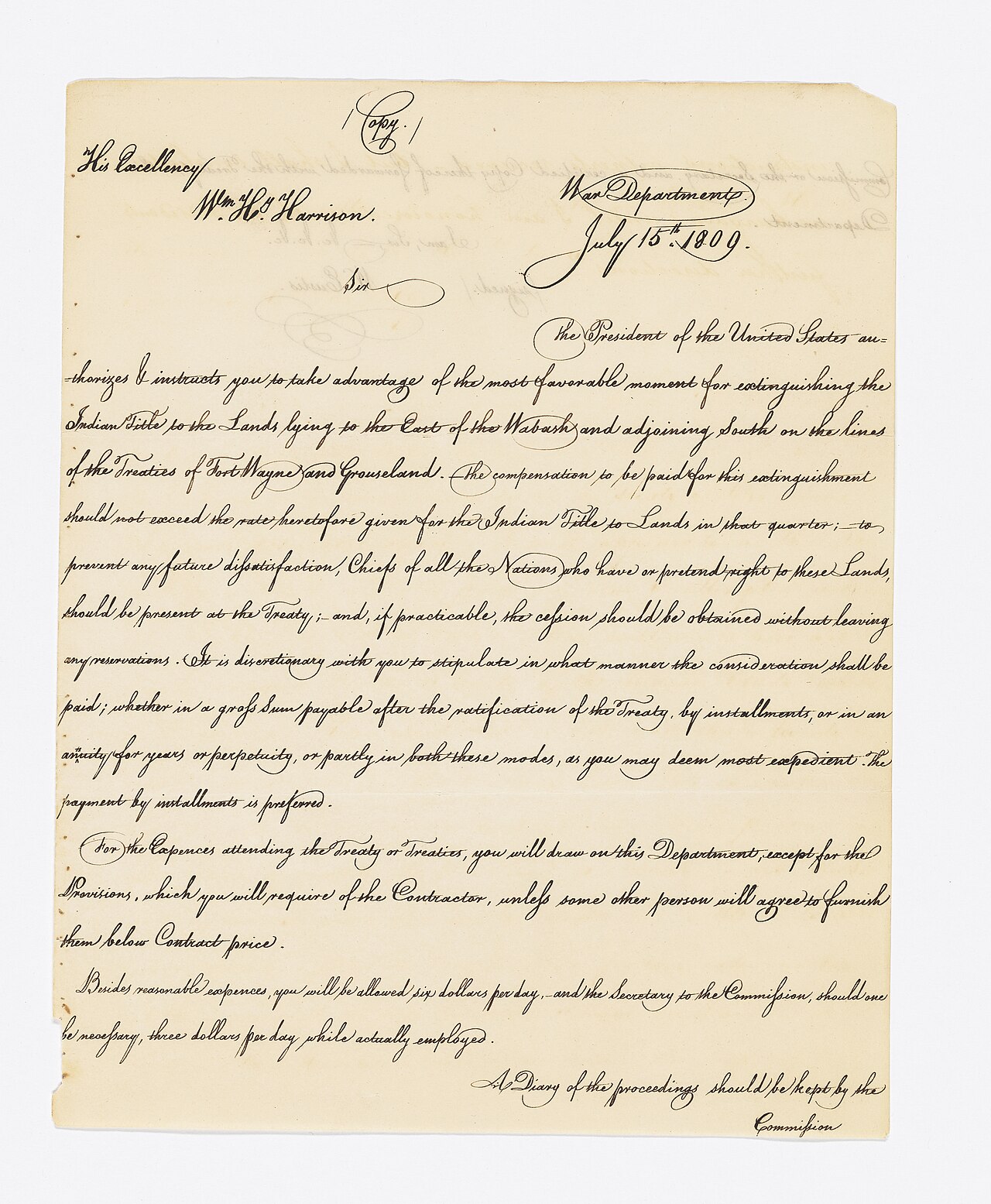
Treaty of Fort Wayne
1809
 Painting
Primary source
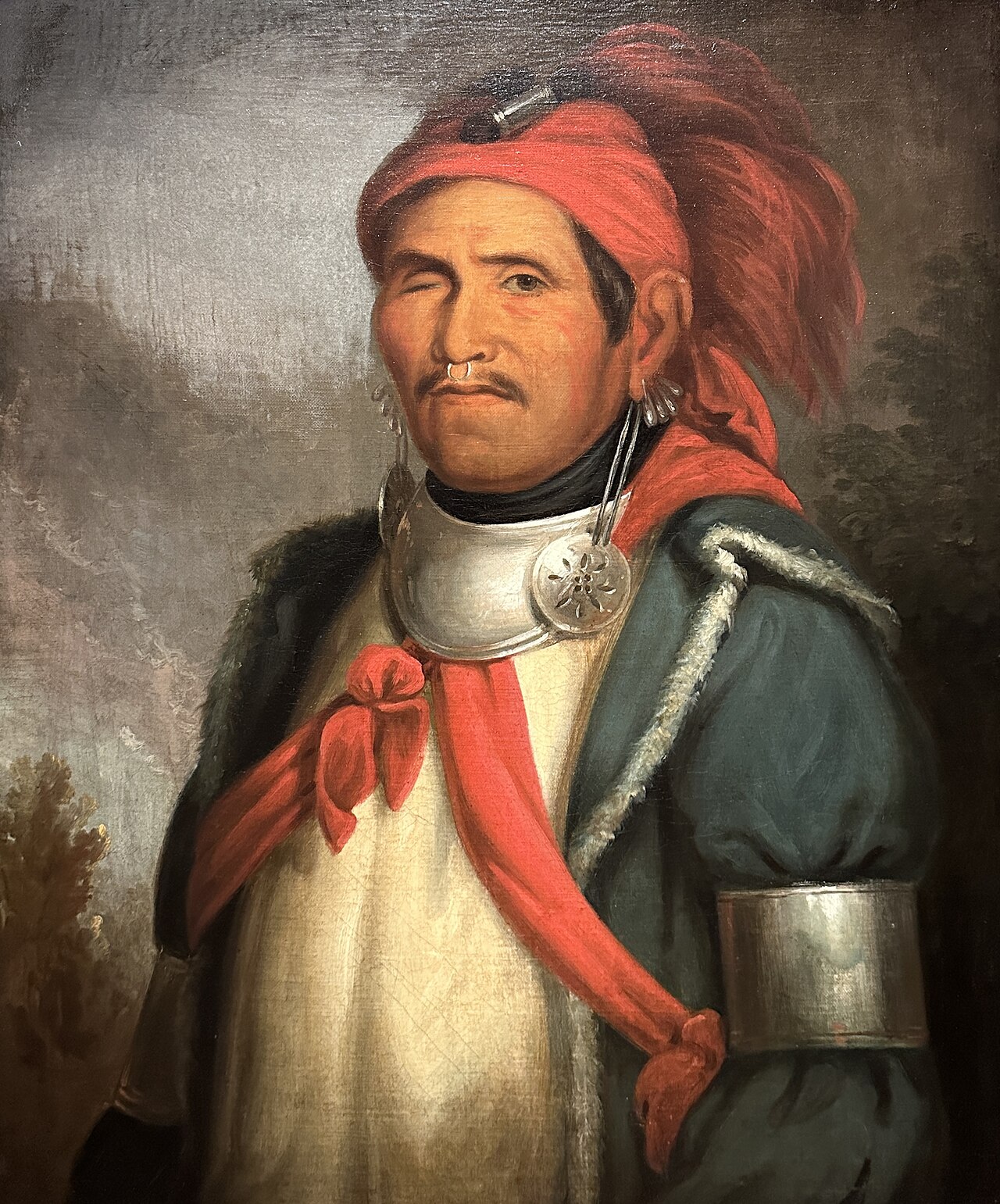
Tenskwatawa by Charles Bird King
Charles Bird King
 Letter
Primary source
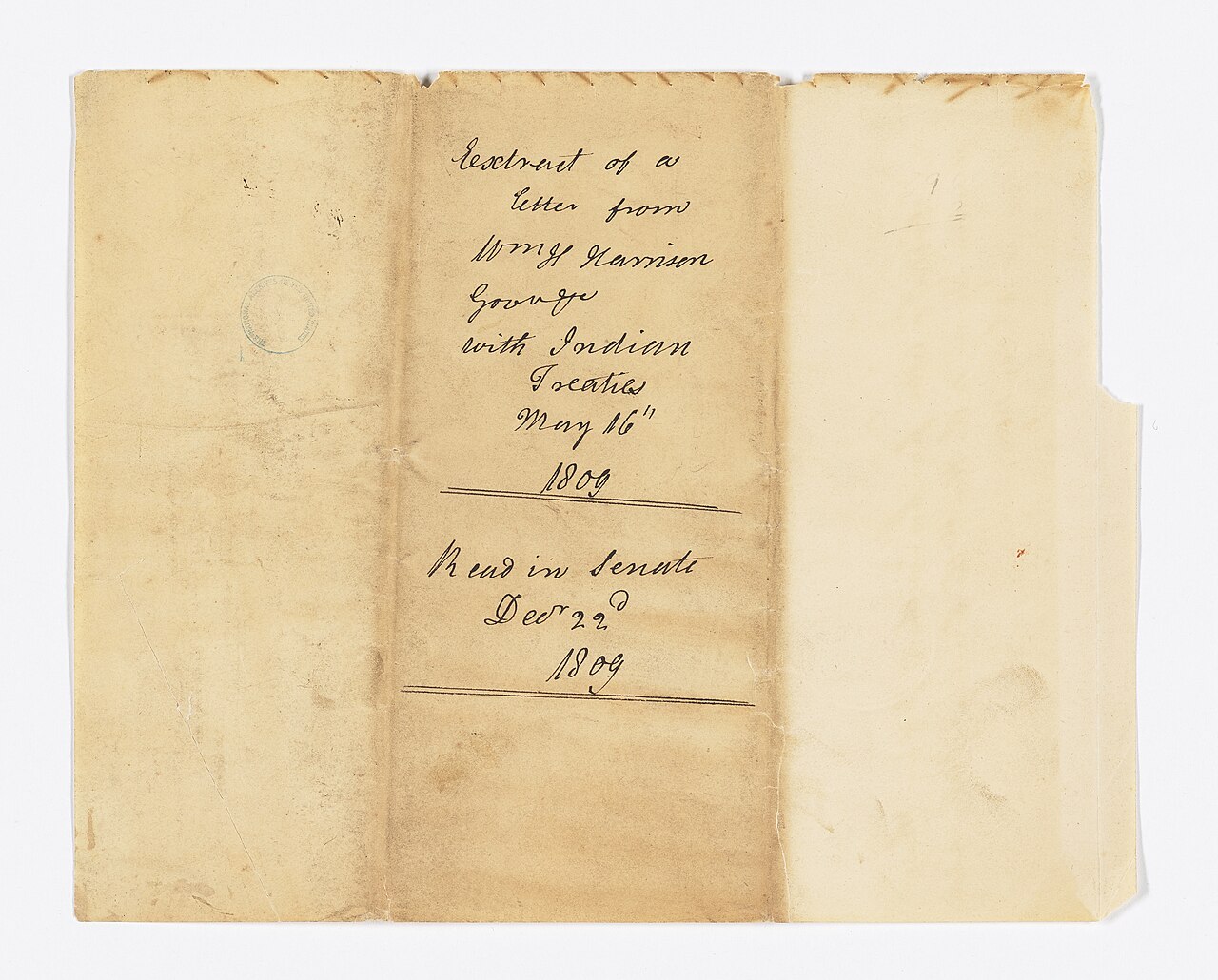
Harrison Letter to the Secretary of War, Vincennes, May 16, 1809
William Henry Harrison · 16 May 1809
Ready when you are
Start chatting with Tenskwatawa now.
20 messages free · No credit card · Available in 50+ languages.