


Secondary sourceSculpture
Tenzing Norgay Memorial, Darjeeling
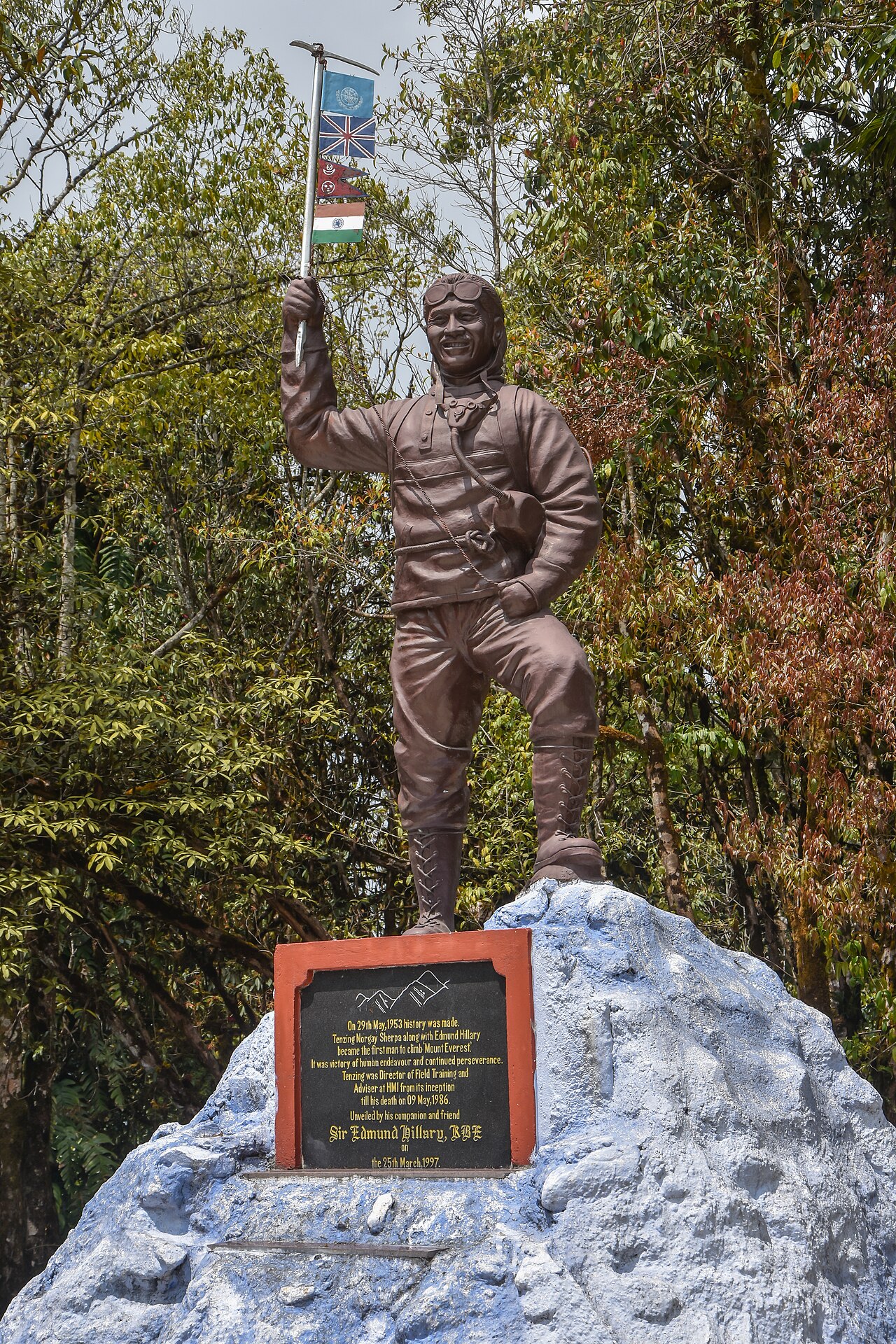
A bronze statue of Tenzing Norgay at the Himalayan Mountaineering Institute in Darjeeling, commemorating his 1953 Everest ascent.
This later memorial statue commemorates Tenzing Norgay's 1953 Everest ascent and his lasting status as a Darjeeling hero.
About this source
What it is
This bronze statue depicts Tenzing Norgay standing on a rock, raising an ice axe hung with the flags of the UN, UK, Nepal and India. A plaque beside it describes the 1953 Everest ascent. The statue stands outside the Himalayan Mountaineering Institute museum in Darjeeling, where it is on permanent display.
Why it matters
This memorial shows how Darjeeling, where Tenzing Norgay lived and worked, claims him as a local hero. The flags on the ice axe represent the international nature of the 1953 expedition, led jointly by Tenzing Norgay and Edmund Hillary, and the statue reflects how later generations chose to remember and honor that achievement.
Look closer
- Why do you think the sculptor chose to show him raising the ice axe with flags rather than another pose?
- What does the choice of flags tell you about who is credited with the 1953 climb?
- Why might a statue like this be placed at a mountaineering institute rather than elsewhere?
This sculpture is part of the curated material that grounds the AI version of Tenzing Norgay on Humy.ai — when students ask about related events, the AI can quote it and cite it.
More Tenzing Norgay sources
Browse all 44 →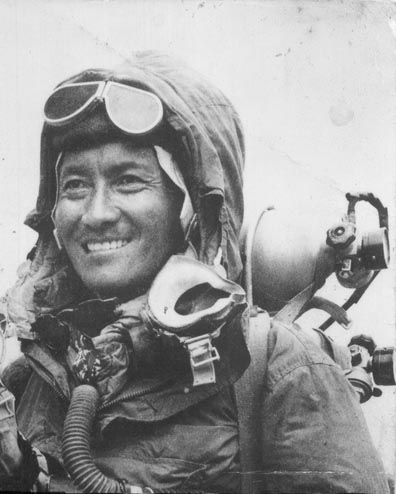 Photograph
Primary source
Tenzing Norgay and Edmund Hillary After the Summit
Jamling Tenzing Norgay · 29 May 1953
 Photograph
Primary source
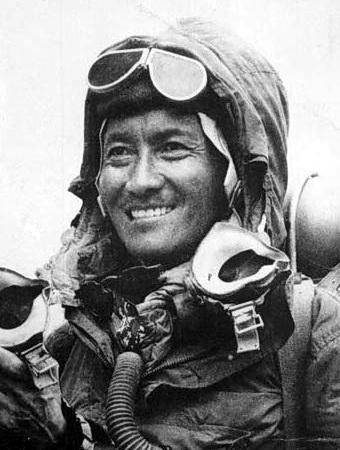
Portrait of Tenzing Norgay, 1953
1953
 Document
Primary source
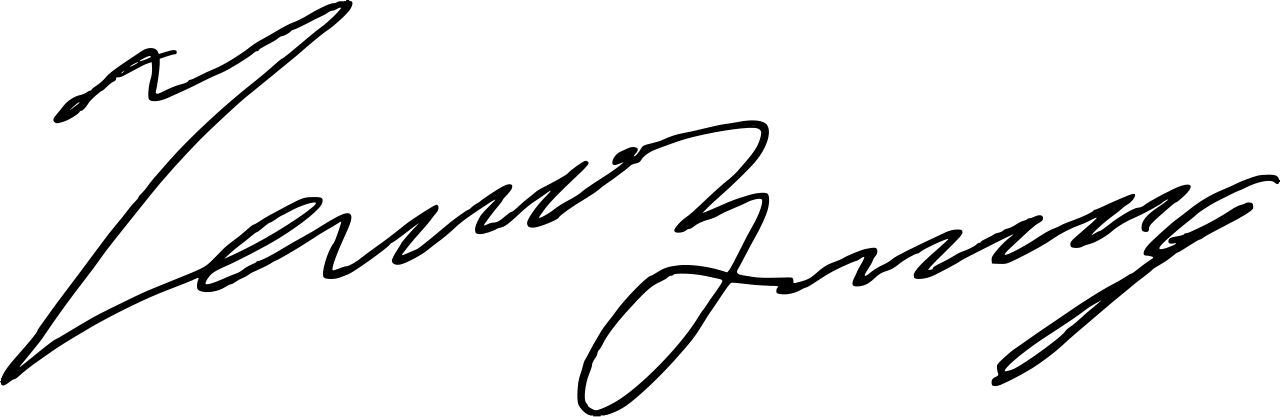
Signature of Tenzing Norgay
Tenzing Norgay
 Photograph
Primary source
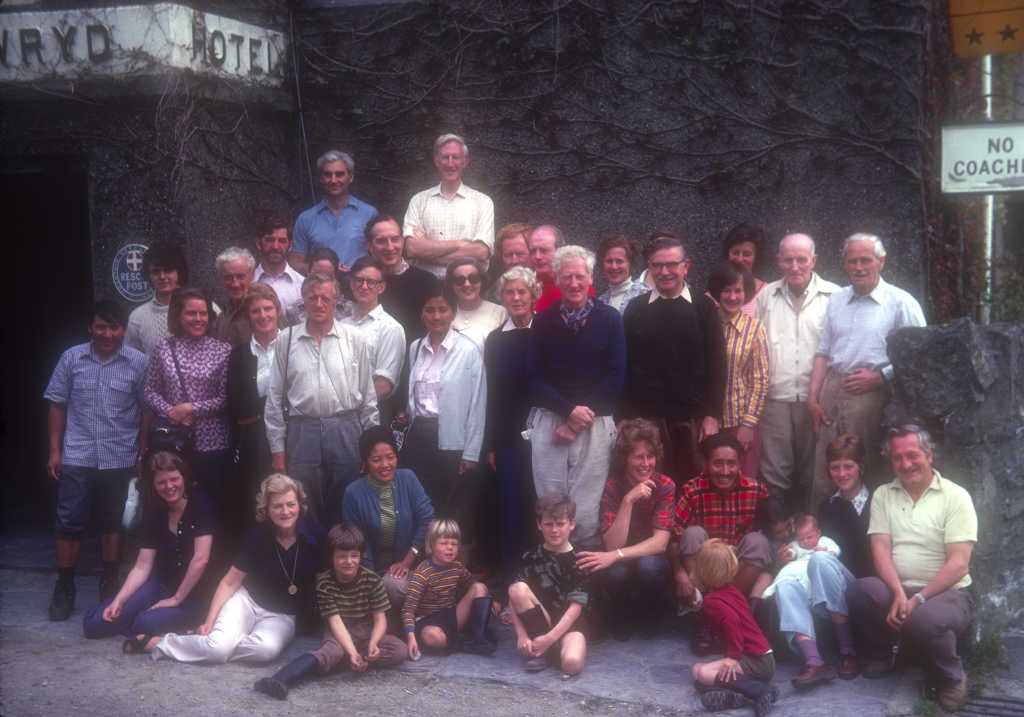
1963 Reunion of the 1953 Everest Expedition
Gowron (photo by File Upload Bot (Magnus Manske)) · 1963
Free account
Read every Tenzing Norgay source
Sign up free →
Ready when you are
Start chatting with Tenzing Norgay now.
20 messages free · No credit card · Available in 50+ languages.