


Primary sourceDocumentary1968
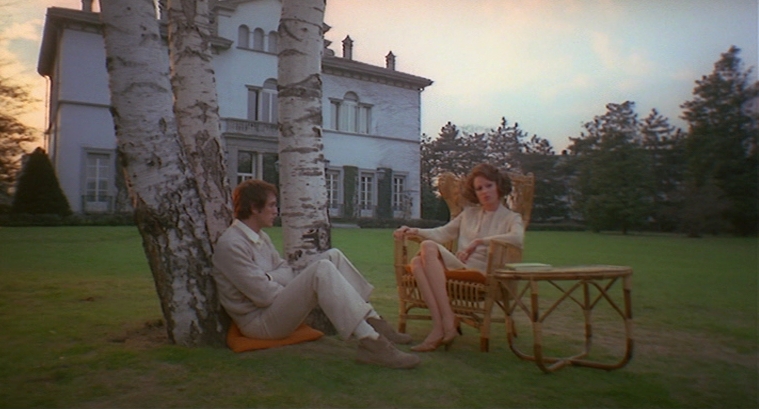
Teorema
Pier Paolo Pasolini · 1968
A 1968 Pasolini film in which a mysterious visitor disrupts and transforms a wealthy Milanese family, used as a critique of the bourgeoisie.
Pasolini wrote and directed this allegory, which led to his own obscenity trial, dramatising his critique of the bourgeoisie.
About this source
What it is
A 1968 Italian allegorical film written and directed by Pier Paolo Pasolini, starring Terence Stamp as a mysterious Visitor who enters the lives of an upper-class Milanese family. It was the first Pasolini film to rely mainly on professional actors, with music by Ennio Morricone.
Why it matters
The film dramatises Pasolini's critique of bourgeois life, showing a wealthy family stripped of its comforts and certainties after an encounter with something otherworldly. Its sexual content led to the film being seized and Pasolini tried for obscenity, though he was acquitted; the Vatican also protested an award given to it, showing how controversial his work remained.
Look closer
- Why might Pasolini have chosen professional actors for this film, unlike his earlier work?
- What might the mysterious Visitor represent, and why is he left unexplained?
- How does each family member's reaction after the Visitor leaves reflect on bourgeois life?
This documentary is part of the curated material that grounds the AI version of Pier Paolo Pasolini and Ennio Morricone on Humy.ai — when students ask about related events, the AI can quote it and cite it.
More Pier Paolo Pasolini sources
Browse all 92 →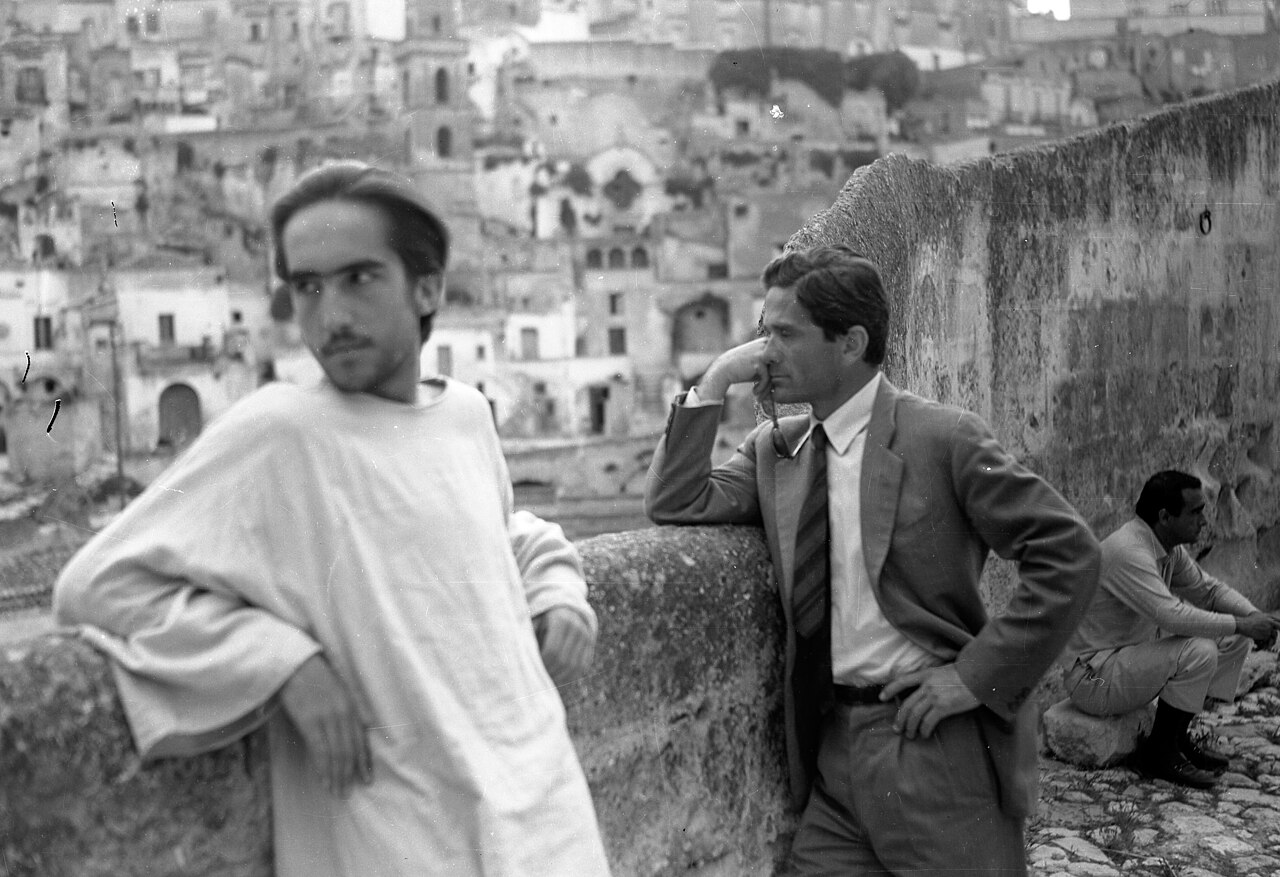 Documentary
Primary source
The Gospel According to St. Matthew
Pier Paolo Pasolini · 1964
 Documentary
Primary source
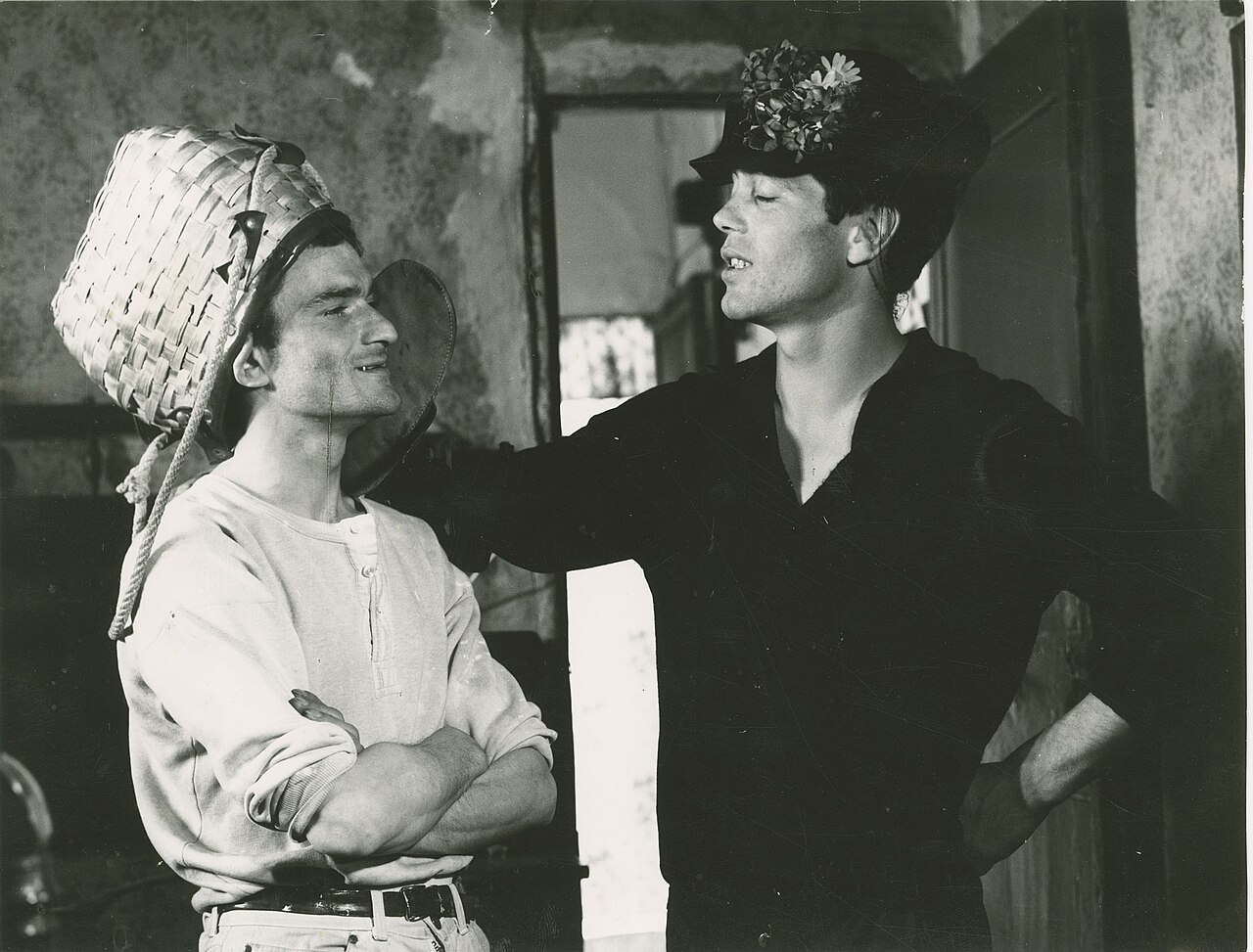
Accattone
Pier Paolo Pasolini · 1961
 Documentary
Primary source
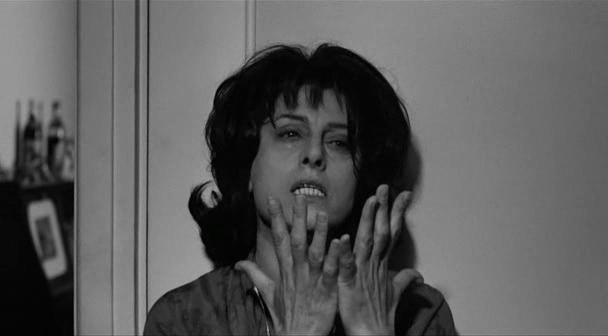
Mamma Roma
Pier Paolo Pasolini · 1962
 Documentary
Primary source
The Hawks and the Sparrows
Pier Paolo Pasolini · 1966

Free account
Read every Pier Paolo Pasolini source
Sign up free →
Ready when you are
Start chatting with Pier Paolo Pasolini now.
20 messages free · No credit card · Available in 50+ languages.