


Primary sourcePaintingc. 1859
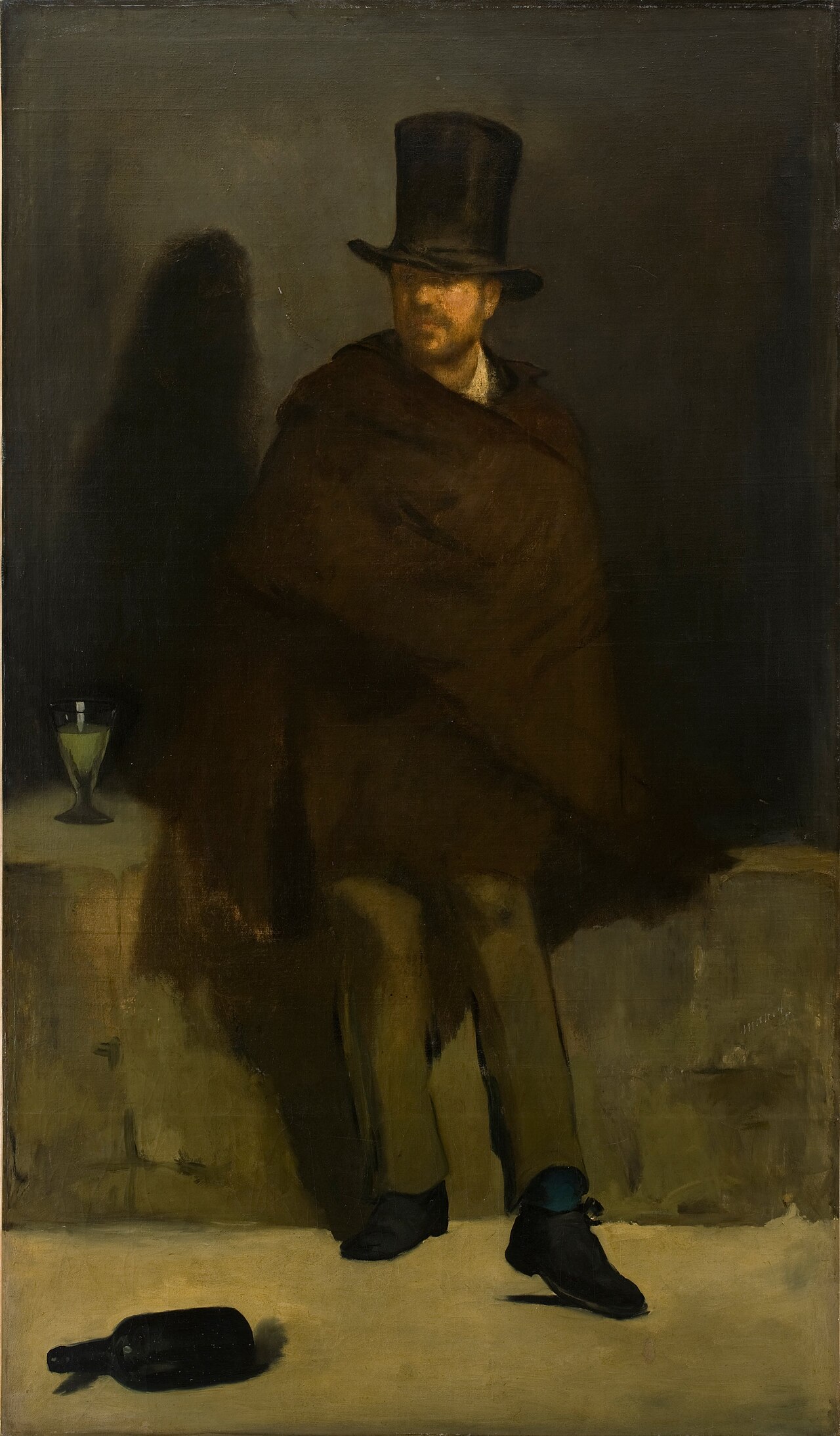
The Absinthe Drinker
Édouard Manet · c. 1859
Manet's first major painting, rejected by the Paris Salon in 1859, depicting a poor Parisian rag-picker as a dignified figure.
Manet's first Salon submission, this early painting reveals his break from academic style and his teacher's disapproval.
About this source
What it is
An early painting by Édouard Manet, made around 1859, showing a full-length figure of a rag-picker named Collardet standing with an empty bottle at his feet and a glass of absinthe nearby. It is now held at the Ny Carlsberg Glyptotek in Copenhagen.
Why it matters
This was the first painting Manet submitted to the official Paris Salon, and it was rejected, with only the painter Delacroix voting in its favour. Absinthe was seen as morally degrading, and painting a poor rag-picker with the dignity of a nobleman challenged ideas about who deserved to be shown in serious art. Manet's teacher Couture was reportedly horrified by it. The work shows Manet breaking early from academic tradition toward realism.
Look closer
- Why might painting an ordinary, poor man in a grand pose have upset Manet's teacher and the Salon jury?
- What does the choice of subject tell you about changing ideas of what art should show?
- How does the dark, heavy lighting affect the mood of the painting?
This painting is part of the curated material that grounds the AI version of Édouard Manet on Humy.ai — when students ask about related events, the AI can quote it and cite it.
More Édouard Manet sources
Browse all 94 →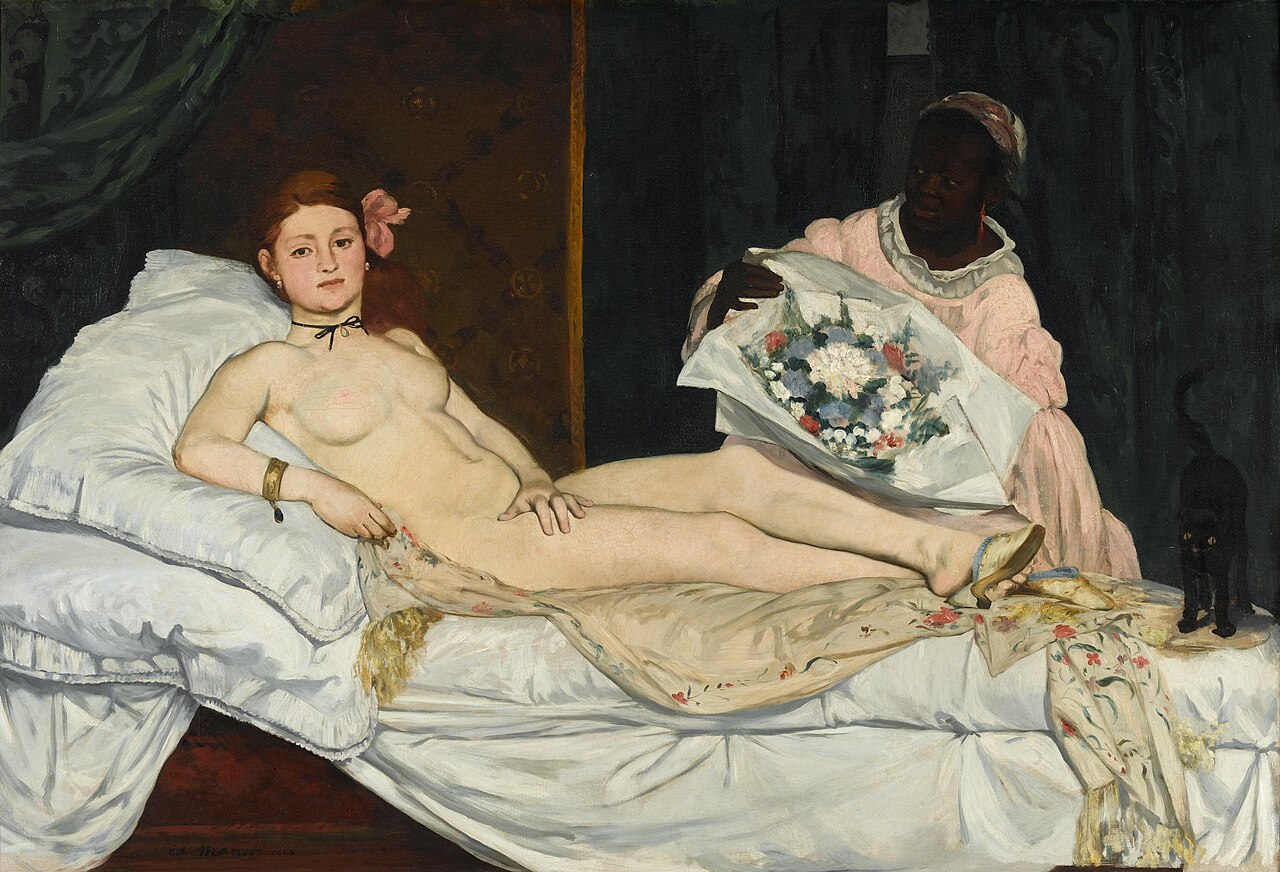 Painting
Primary source
Olympia
Édouard Manet · 1863
 Painting
Primary source
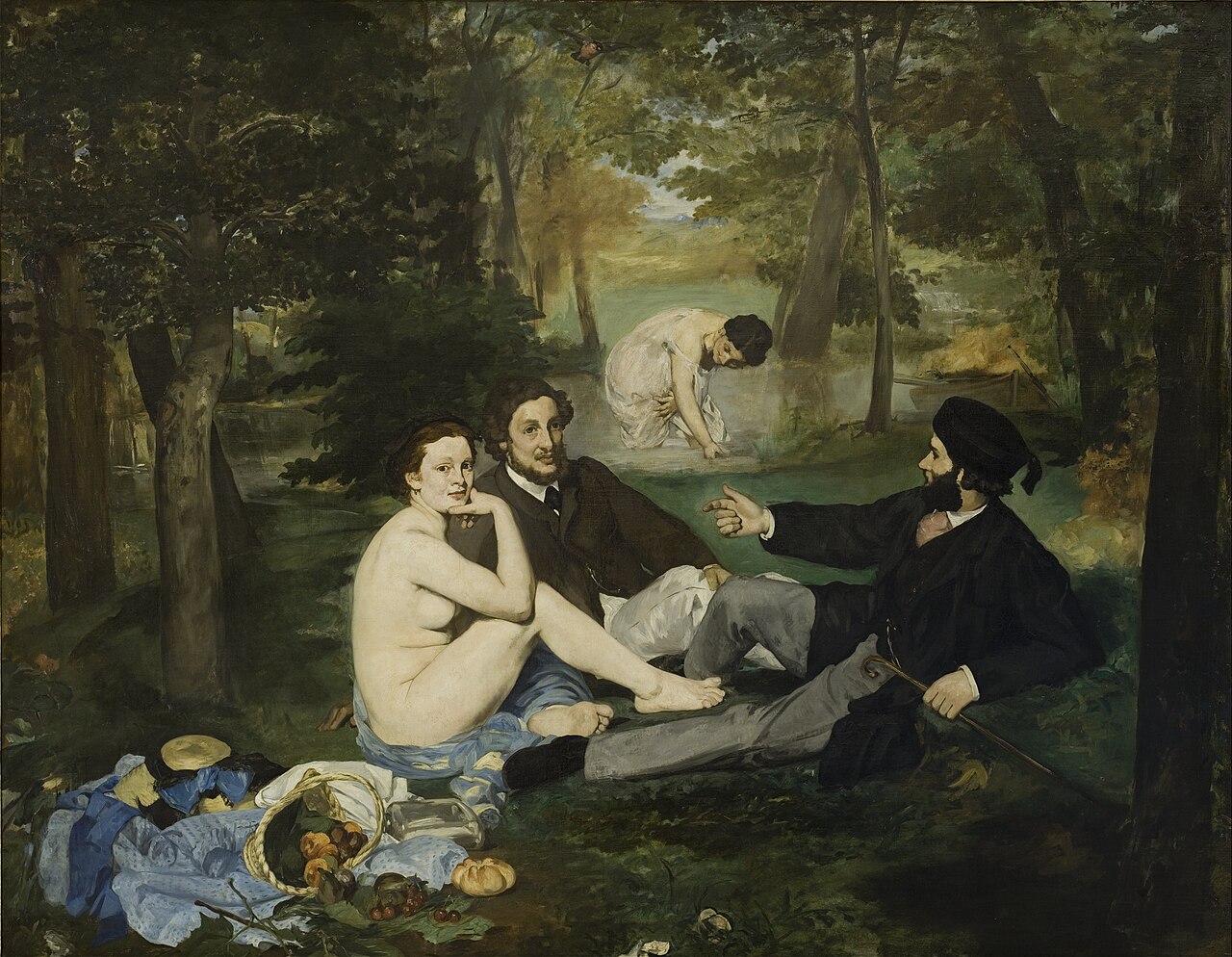
Luncheon on the Grass
Édouard Manet · 1862-1863
 Painting
Primary source
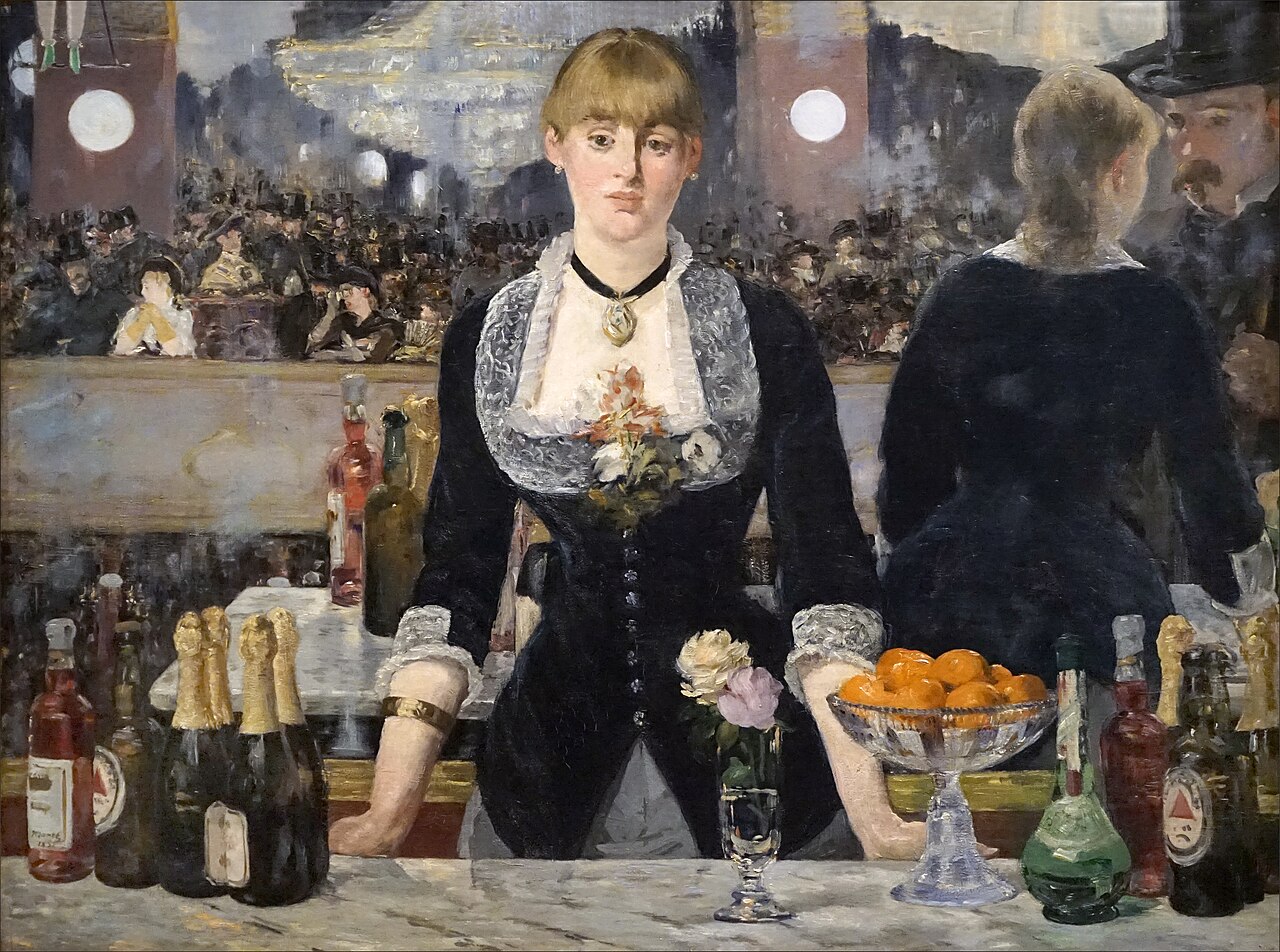
A Bar at the Folies-Bergère
Édouard Manet · 1882
 Painting
Primary source
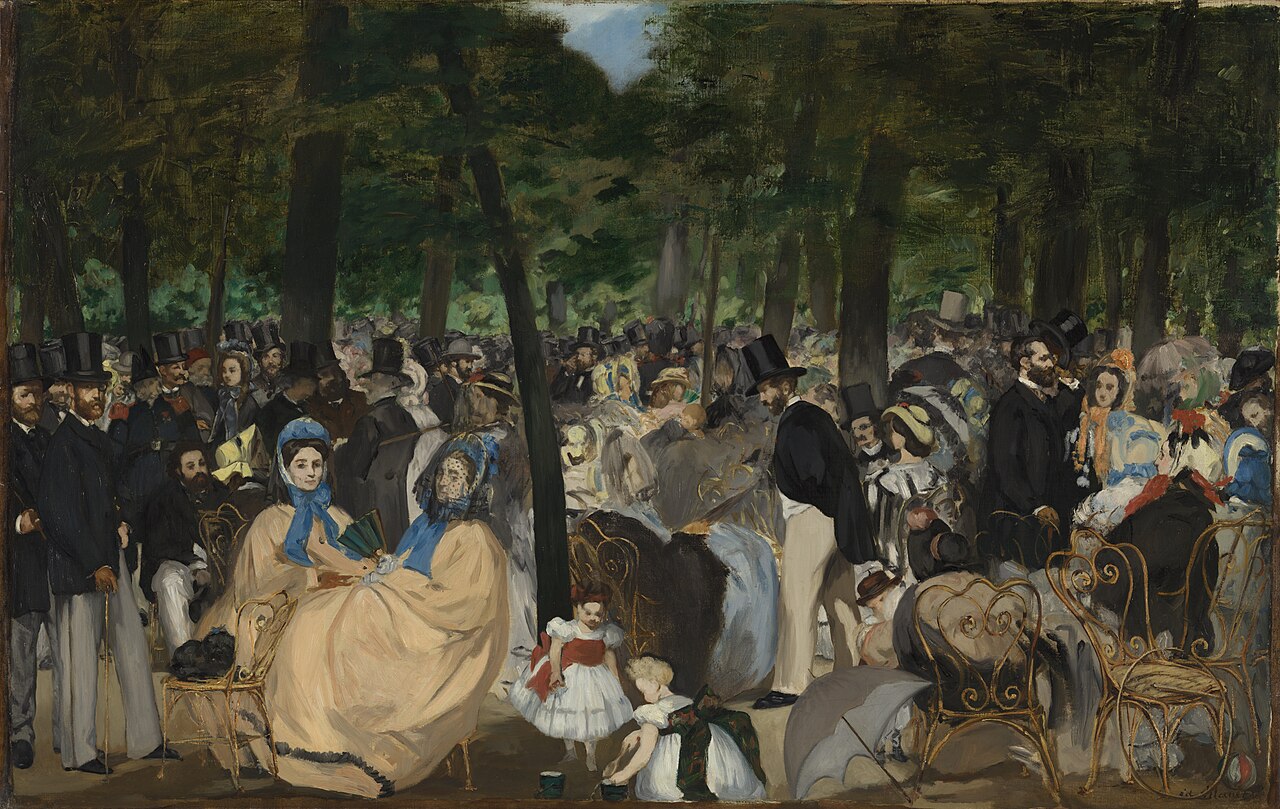
Music in the Tuileries
Édouard Manet · 1862
Free account
Read every Édouard Manet source
Sign up free →
Ready when you are
Start chatting with Édouard Manet now.
20 messages free · No credit card · Available in 50+ languages.