


Primary sourcePainting1794
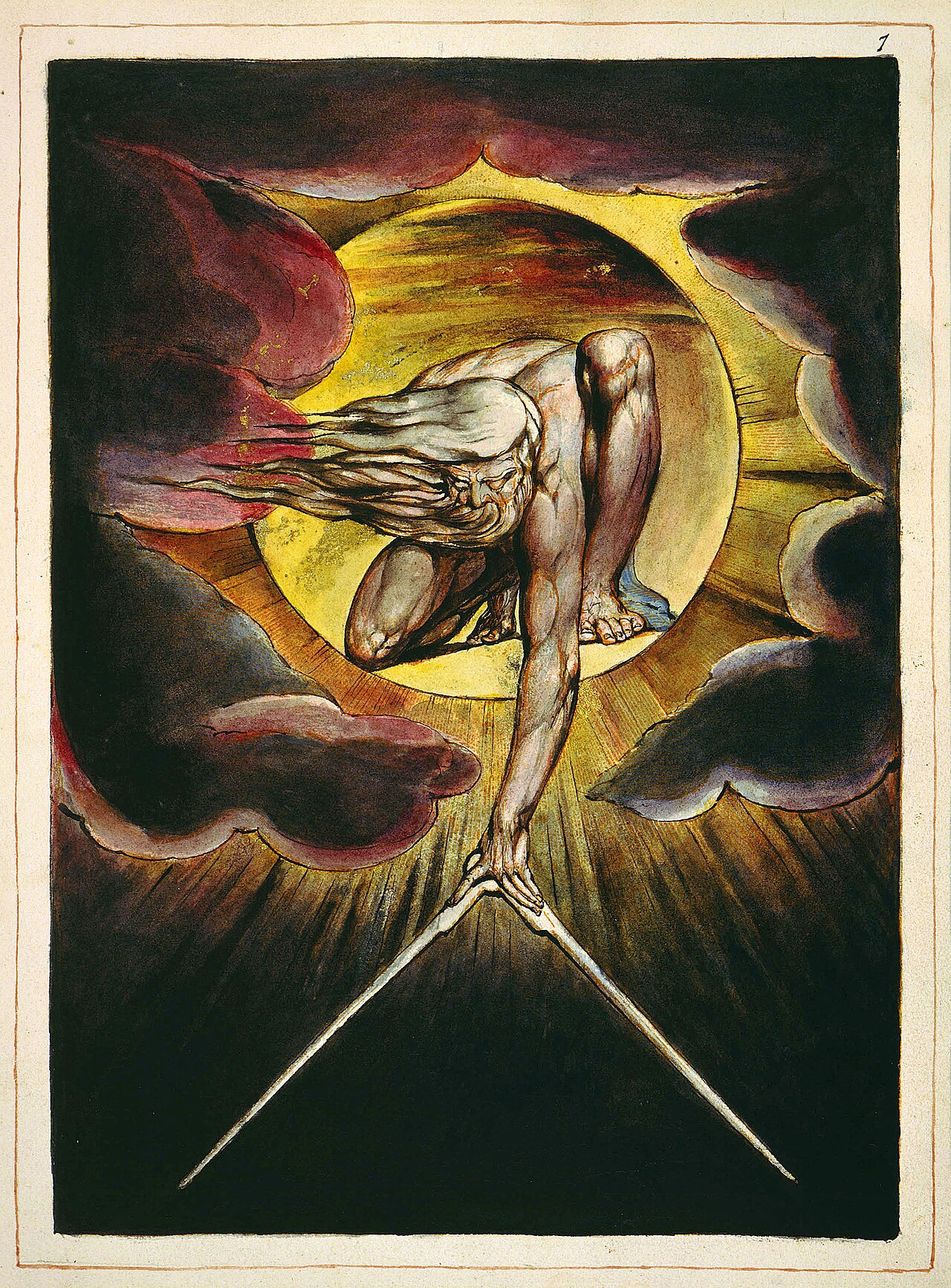
The Ancient of Days
William Blake · 1794
A hand-coloured print by William Blake showing the figure Urizen measuring the world with a compass, used as the frontispiece to Blake's Europe a Prophecy.
Designed, etched and hand-coloured by Blake himself, and a personal favourite he returned to repeatedly throughout his life.
About this source
What it is
This etching, hand-coloured by Blake, was first made as the frontispiece to his 1794 work Europe a Prophecy. It shows a bearded figure called Urizen crouched inside a glowing circle, reaching down with a compass. Blake made many versions of this image throughout his life, including one finished days before his death.
Why it matters
The image reflects Blake's criticism of cold, measuring reason imposing order on the world, a theme running through his poetry. Early admirers considered it among his finest works, and Blake himself was said to take special pleasure in making copies of it. It shows how central this single design was to his personal mythology.
Look closer
- What does the compass in Urizen's hand suggest about what he represents?
- Why might Blake have returned to this same image again and again over his life?
- What feeling does the glowing circle and dark void create?
This painting is part of the curated material that grounds the AI version of William Blake on Humy.ai — when students ask about related events, the AI can quote it and cite it.
More William Blake sources
Browse all 75 →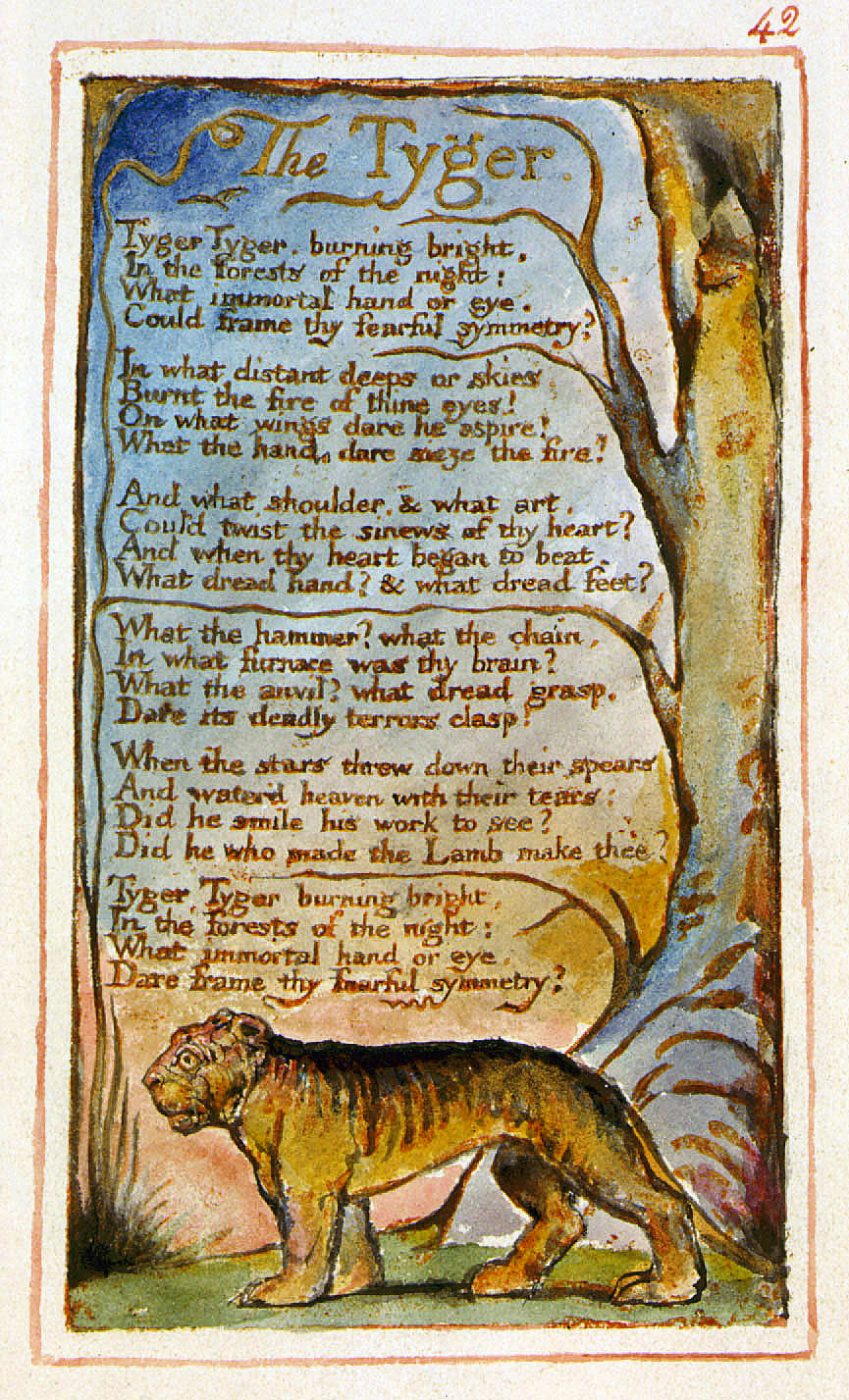 Book
Primary source
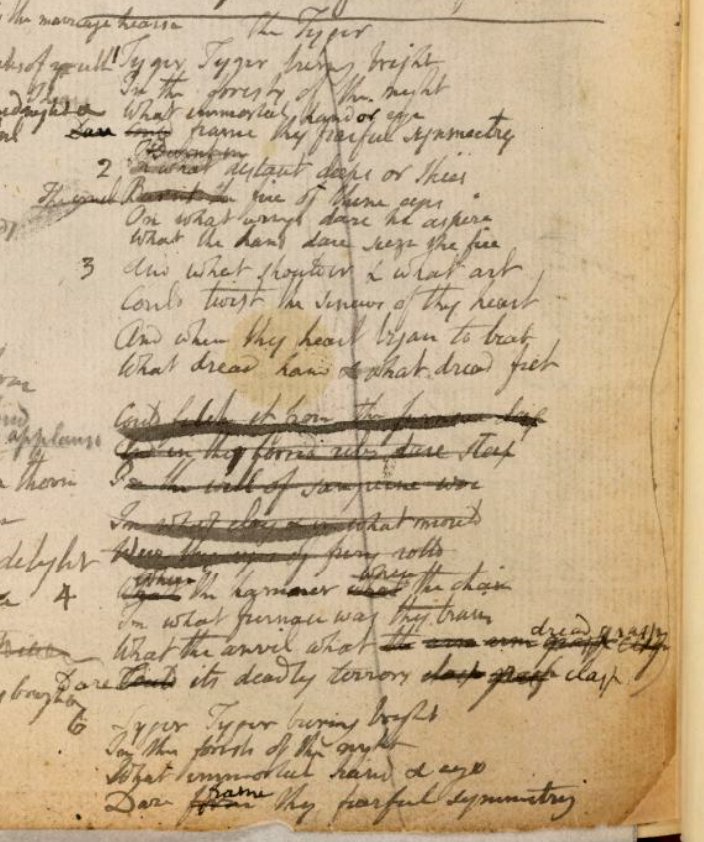
The Tyger
William Blake · 1794
 Book
Primary source
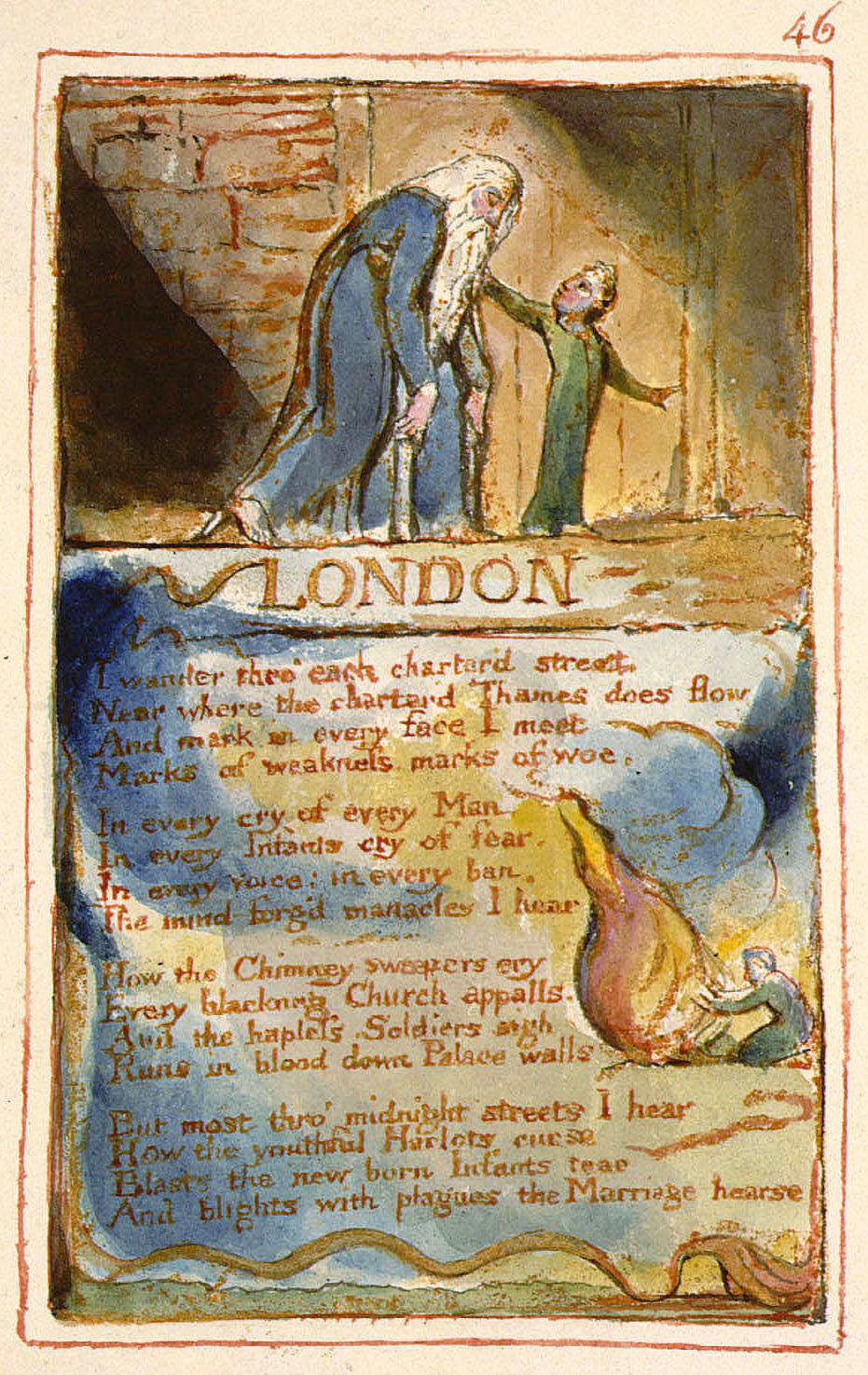
London
William Blake · 1794
 Book
Primary source
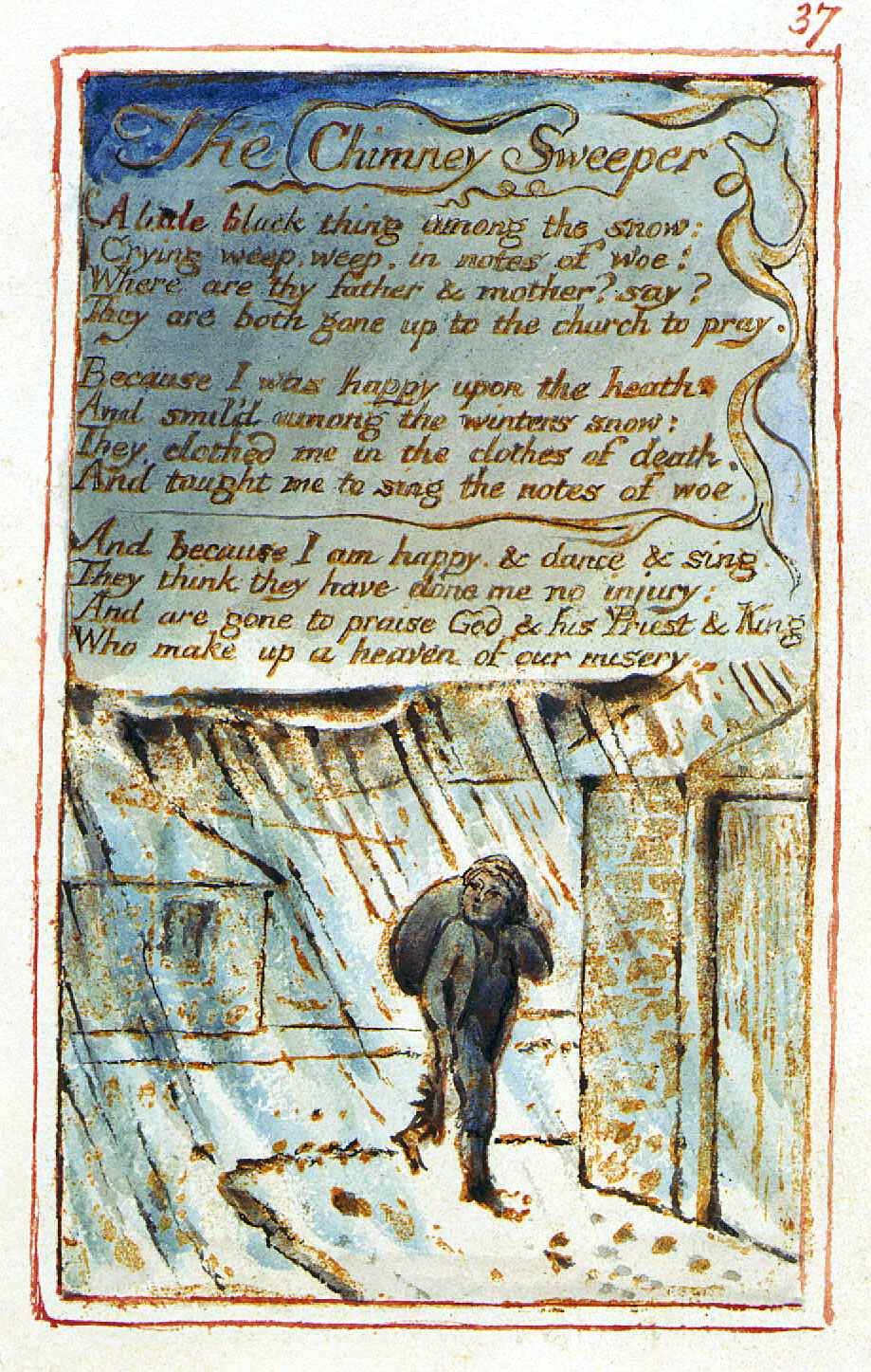
The Chimney Sweeper
William Blake · 1789 and 1794
 Book
Primary source
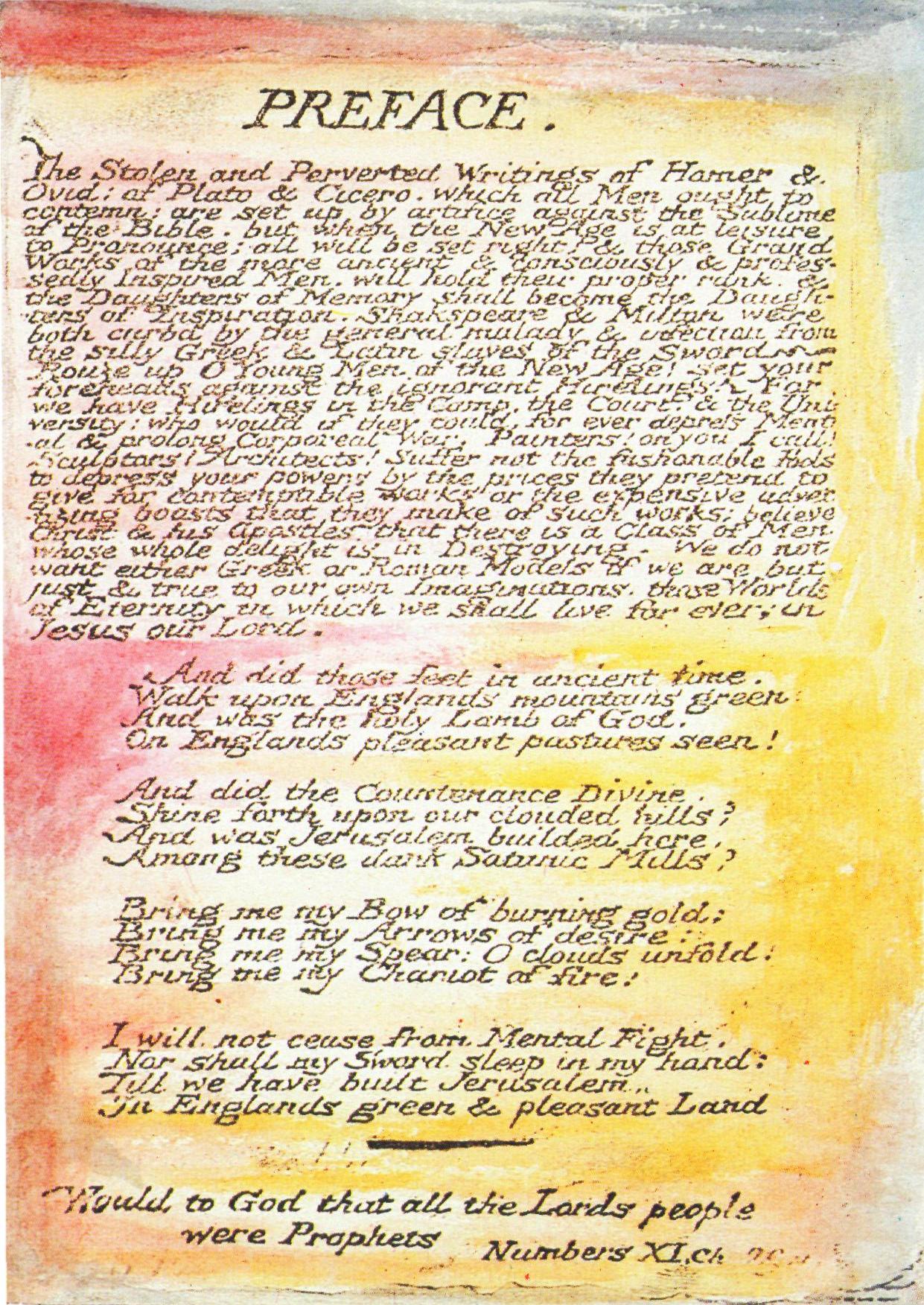
And did those feet in ancient time
William Blake · 1804 (printed c. 1808)
Free account
Read every William Blake source
Sign up free →
Ready when you are
Start chatting with William Blake now.
20 messages free · No credit card · Available in 50+ languages.